
AUTUMN FISHING
- SHOP WITH CONFIDENCE
- Delivery Immediate delivery
- CUSTOMER SERVICE by anglers
- EASY RETURNS 30-day return policy
- PAY SECURELY with Klarna
Braided Lines


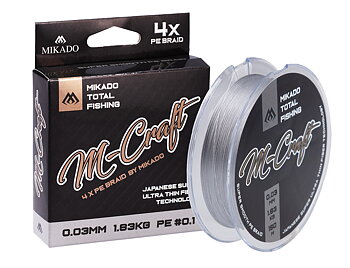
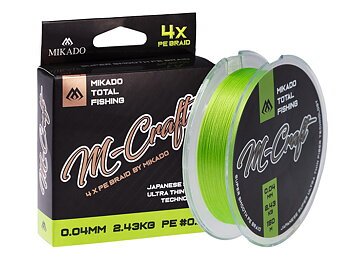

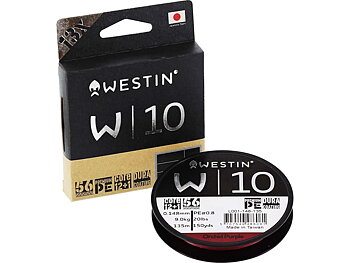


Braided lines are completely stiff and extremely strong compared to nylon lines. Braided lines are made by braiding multiple strands together, which is why they’re so strong. There are many advantages. You can use a smaller line size than you would with a nylon line while still getting a much stronger, softer, and stiffer line. Having a stiff line gives you direct contact with the bait, and that springy feeling disappears completely. We sell 4-strand and 8-strand braided lines. 4-strand lines are generally less expensive than 8-strand lines.
Braided Lines – Find the Right Braided Line for All Types of Sport Fishing
Are you looking for a braided line that provides good contact with the lure, good casting distance, and control during the fight? Braided lines are a popular choice in modern sport fishing thanks to their low stretch, high strength relative to their diameter, and good sensitivity. They’re suitable for many different fishing methods, from ultralight perch fishing to heavy pike fishing, saltwater fishing, and trolling.
With the right braided line, you can more easily feel bottom contact, detect subtle strikes, and control the lure’s movements. At the same time, it’s important to choose a line that suits your reel, your rod, the weight of your lures, and the conditions in which you’re fishing.
Braided lines come in various constructions, sizes, and colors. You can choose between, for example, four-strand and eight-strand lines, thin models for light fishing, and thicker variants for larger lures and heavier loads. Whether you’re fishing in small forest lakes, large inland lakes, flowing waters, or along the coast, there’s a braided line to suit your needs.
What is a braided line?
A braided line is made by braiding multiple synthetic fibers together into a strong and flexible fishing line. Many modern braided lines are made from UHMWPE fibers, such as materials in the Dyneema or Spectra families.
Unlike traditional nylon line, braided line typically has very low stretch. This means that movements from the lure and the fish are often transmitted more clearly through the line, which can provide better feel for your tackle.
Braided lines are particularly valued for jigging, drop-shot fishing, vertical fishing, and other techniques where it’s important to feel even the slightest changes in the lure’s movement. They’re also used for pike fishing with large lures, deep-sea fishing, and other situations where strength and direct contact are important.
Keep in mind that the characteristics of a braided line vary between different models. Construction, surface treatment, diameter, and quality all affect how the line performs in practice.
Four-strand braided lines—durable and affordable options
Four-strand braided lines, often called 4X or 4-strand, consist of four interwoven strands of fiber. They often have a slightly thicker and more pronounced profile than their eight-strand counterparts.
A four-strand braided line can be a good choice for fishing where you prioritize durability, performance, and affordability. It’s used, for example, in pike fishing, perch fishing, and other forms of spin fishing where the line may come into contact with vegetation, branches, and other obstacles.
Depending on the model, four-strand lines may feel slightly rougher through the guides and make more noise when retrieved than rounder lines with more strands. They can still work very well for many fishing methods.
When choosing a four-strand braided line, you should consider the weight of the lure, the size of the fish, and the conditions in the water. A thicker line may be suitable for fishing near dense vegetation, while a thinner model is better suited for lighter lures and more open water.
Eight-strand braided lines—smooth action and good casting performance
Eight-strand braided lines, often called 8X or 8-strand, are made from eight interwoven strands of fiber. They often have a rounder and smoother profile than four-strand alternatives.
The even construction helps the line run smoothly through the guides and provides a comfortable feel when casting and retrieving. For this reason, 8-strand braided lines are popular for, for example, jigging for perch, zander fishing, and other forms of precision spin fishing.
They can also be a good choice when you want to make long casts with relatively light lures. However, the results are also influenced by the line’s size, the reel’s design, the rod’s characteristics, and how much line is on the spool.
A round, soft braided line isn’t automatically the best option in every situation. When fishing where the line frequently rubs against vegetation, rocks, or other obstacles, it’s wise to compare different constructions and choose a model suited to the conditions.
Twelve-strand braided lines—advanced construction for demanding conditions
Twelve-strand braided lines, often labeled 12X, use twelve interwoven strands of fiber. They are typically designed to provide a very smooth and round profile.
Such lines may be of interest to anglers who prioritize smooth running, good line handling, and a uniform construction. They are found in certain more specialized and advanced product lines.
However, the number of strands alone does not determine the line’s quality. Fiber quality, braiding, surface treatment, diameter, and durability are also of great importance.
When comparing different braided lines, you should therefore not just look at whether the line is 4X, 8X, or 12X. Also consider how it will be used, the load it will be subjected to, and which characteristics are most important for your fishing.
Thin Braided Lines for UL, XUL, and BFS
In ultralight (UL), XUL, and BFS fishing, line selection is particularly important because the lures often weigh very little. The line’s size, flexibility, and properties affect how easily the lure can be cast and how well you can control the presentation.
Thin braided lines are often used in UL fishing with a spinning reel, for example when targeting perch, rainbow trout, and other smaller predatory fish. They provide good feel with small jigs, spinners, and micro lures.
When fishing with XUL (Extreme Light) setups using extremely light lures, it’s important that the entire rig works together. The line needs to match the rod’s casting range and the reel’s characteristics, while also having sufficient strength for the type of fishing and the environment.
In BFS fishing, small multi-reels designed for light lures are used. Here, the braided line needs to work in harmony with the spool and drag system to provide a controlled casting experience. Some anglers prefer braided line for its low stretch, while others choose nylon or fluorocarbon depending on the type of lure and personal preferences.
When fishing with light tackle, it’s important not to choose a line based solely on the thinnest listed diameter. Also check the line’s handling, knot strength, and how it works with the lures you actually use.
Braided Lines for Perch Fishing—Feel and Precision
Braided line is a common choice for modern bass fishing, especially when using jigs, drop shots, small vibrating lures, and other lures where direct contact is important.
Its low stretch makes it easier to detect bottom contact and subtle changes in the lure’s movement. A thin braided line can also help achieve good casting distance with light lures, provided it’s compatible with your rod and reel.
When jigging, braided line is often combined with a fluorocarbon or nylon leader. The leader provides a smooth transition between the main line and the lure and helps withstand abrasion from rocks and other structures.
The size you choose depends on the lure weight, the size of the fish, the fishing depth, and the amount of obstacles in the water. A thin line may be suitable for open-water fishing over a soft bottom, while a thicker model may be more appropriate near vegetation and other obstacles.
Braided Lines for Pike Fishing – Strength for Large Lures
Braided lines are often used for pike fishing because they combine high strength with low stretch. They work well with jerkbaits, swimbaits, large jigs, spinnerbaits, and other lures used in predator fishing.
When fishing with large lures, the line needs to withstand the strain from both casting and powerful strikes. The line size should be adjusted according to the weight of the lure, the rod’s casting class, and your fishing style.
When fishing near water lilies, reeds, and other dense vegetation, a thicker braided line may be advantageous. In more open water, you can sometimes use a thinner line, provided it offers a sufficient safety margin for your gear and fishing method.
Remember that braided line alone does not protect against a pike’s teeth. Use a suitable pike leader made of, for example, steel or titanium, and check the leader, lure clip, and knots regularly.
Braided Lines for Zander Fishing – Direct Contact in Jigging and Vertical Fishing
Zander fishing with jigs and other near-bottom techniques often requires good contact with the lure. Braided line is therefore a popular choice for both traditional jigging and vertical fishing.
Its low stretch can make it easier to feel when the jig reaches the bottom and to detect subtle strikes. When fishing at greater depths, direct contact can be particularly useful, as a long line in the water column can otherwise make the signals less clear.
When fishing for zander, a leader made of fluorocarbon or nylon is often used, selected based on the size of the lure, bottom conditions, and the risk of abrasion.
Choose the line size based on fishing method, depth, and lure weight. A line that works well for light jigging in shallow water may not be optimal for heavier vertical fishing at greater depths.
Braided lines for saltwater fishing and trolling
Braided lines are also used for saltwater fishing and trolling, where strength, line capacity, and control are key characteristics. In saltwater fishing, the low stretch can help you feel the lure at greater depths.
When fishing with heavy jigs and other large lures, the line must be compatible with both the reel and the rod’s recommended load capacity. Make sure the reel has sufficient line capacity and that all swivels and leaders are sized appropriately for the fishing method.
When trolling, braided lines are used in certain setups where their properties suit the lure presentation and the equipment. Nylon is also used and can be an alternative when more stretch is desired.
When fishing in saltwater, you should inspect the line and connections regularly. Rinse the equipment according to the manufacturer’s recommendations and replace any sections of line that have become worn or damaged.
Braided Lines for Match and Feeder Fishing
Braided lines can also be used for match fishing, feeder fishing, and certain forms of specimen fishing. The choice depends on casting distance, current, bottom conditions, and how much direct contact you want with the tackle.
In feeder fishing, braided line can provide a clear bite indication, especially on longer casts where the stretch of nylon line can make small movements harder to detect. At the same time, nylon can be a good alternative when you want more shock absorption during the fight.
When fishing for carp, tench, bream, and roach, it’s important to choose your line based on the specific method and environment. Fishing near obstacles may require a different line size and construction than fishing over an open bottom.
Braided line can also be combined with a suitable leader or a special extension piece, depending on how the rig is set up.
Colored braided lines—choose based on visibility and fishing method
Braided lines come in many colors, including green, dark green, yellow, orange, pink, white, and multicolored varieties. The color can be practical depending on how you want to track the line while fishing.
A brightly colored line can make it easier to spot slack and detect changes in the line’s direction. This can be useful for jigging, vertical fishing, and other methods where you want to track the line’s movements.
Darker colors may be less noticeable against certain backgrounds, such as vegetation or dark water. A separate leader can be used when you want to customize the final section of your rig to suit your fishing method.
Fish reactions to line color vary depending on light, water clarity, and other conditions. Therefore, choose a color based on both practical visibility and your own fishing experience.
What do PE, diameter, and breaking strength mean?
When comparing braided lines, it’s important to understand the most common specifications.
PE class is often used to describe the size of braided lines and is based on a system that originated in the Japanese line standard. PE is not the same as a directly stated breaking strength in kilograms.
Diameter is often specified in millimeters, but the data can be difficult to compare across different manufacturers because measurement methods and constructions vary. A braided line is not always perfectly round and can compress to varying degrees.
Breaking strength indicates the load the line is rated to withstand before breaking under the test conditions used. The actual strength is also affected by knots, wear, and how the line has been handled.
The number of strands describes how many fiber strands have been braided together. Common variants are 4X, 8X, and 12X, but more strands do not automatically mean that a line is stronger or more durable.
Therefore, compare several characteristics and choose a line that suits your equipment rather than relying solely on a single number on the packaging.
How to Choose the Right Braided Line
When choosing a braided line, it’s best to consider your fishing method, equipment, and the conditions in which you’re fishing.
- Type of Fish: Choose your line based on whether you’re fishing for perch, zander, pike, trout, or larger saltwater species.
- Lure weight: Thinner lines are often better suited for lighter lures, while thicker lines may be needed for larger lures and heavier loads.
- Construction: Compare 4X, 8X, and 12X based on feel, roundness, noise level, and intended use.
- Size: Choose a size that works with your reel, rod, and any obstacles in the water.
- Breaking Strength: Ensure the line has sufficient strength for your fishing method, and take knots and wear into account.
- Color: Choose a color that makes the line easy to follow when needed.
- Leader: Use the right leader material to withstand abrasion and any sharp teeth.
- Maintenance: Check the line regularly and replace any damaged sections.
The right braided line is one that offers a good balance of strength, handling, sensitivity, and performance for your specific fishing situation.
Find the right braided line for your next fishing adventure
Whether you’re looking for a thin braided line for UL and BFS fishing, a supple line for bass fishing, a heavier-duty model for pike, or a line for saltwater fishing and trolling, there are many options to choose from.
Explore our selection of braided lines in various sizes, colors, and constructions. Compare four-strand, eight-strand, and other braided lines to find a model that suits your reel, rod, and fishing method.
Find the right combination of strength, sensitivity, and casting performance—and get more out of every cast, every bite, and every fishing trip!