
AUTUMN FISHING
- SHOP WITH CONFIDENCE
- Delivery Immediate delivery
- CUSTOMER SERVICE by anglers
- EASY RETURNS 30-day return policy
- PAY SECURELY with Klarna
Groundbaits
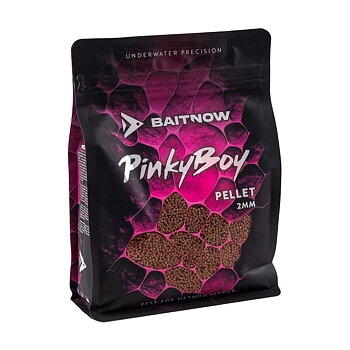
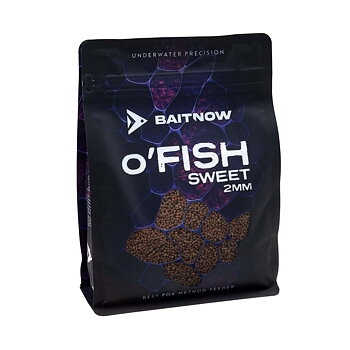
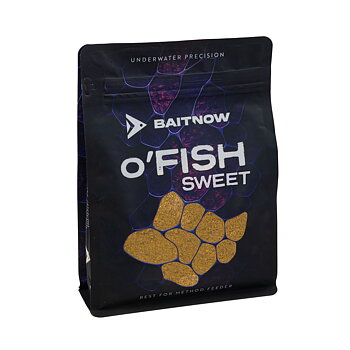
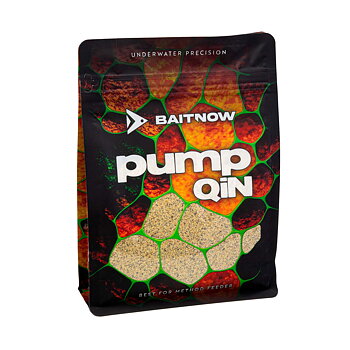
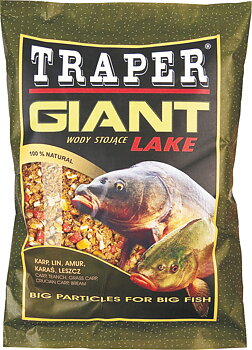
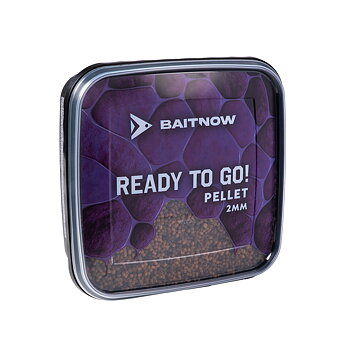
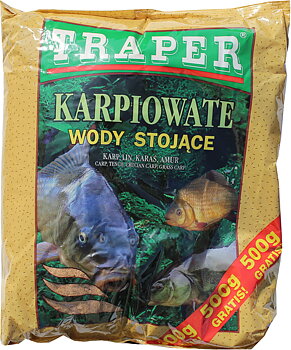

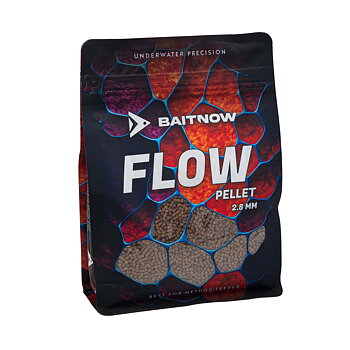
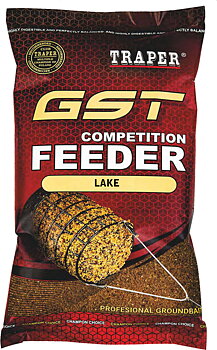
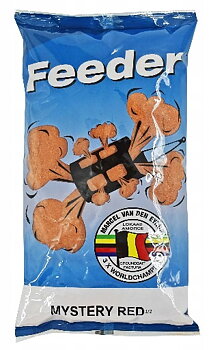
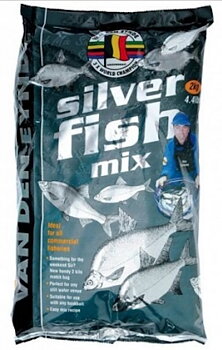
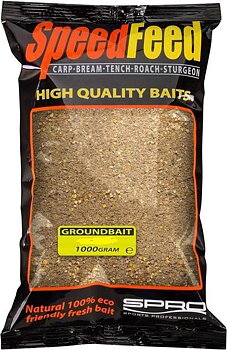
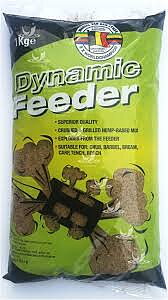
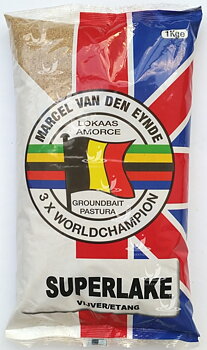
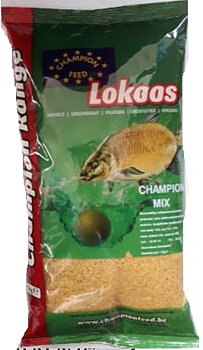
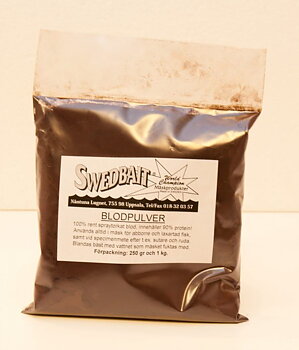

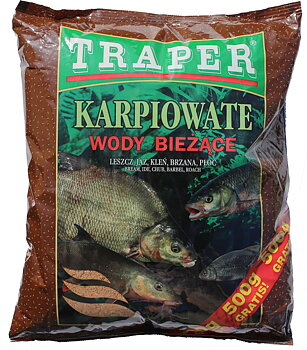
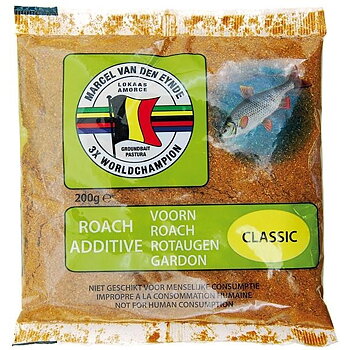
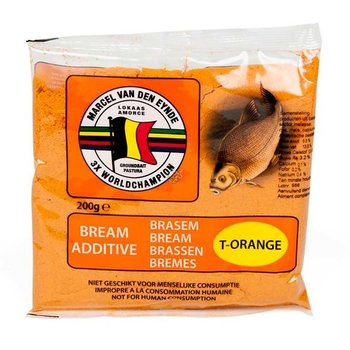
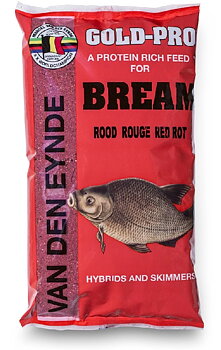
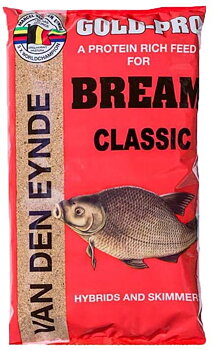
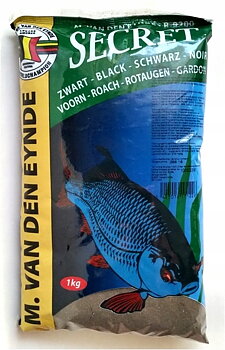
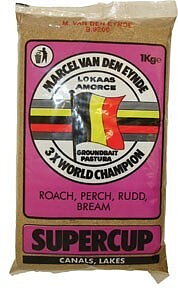
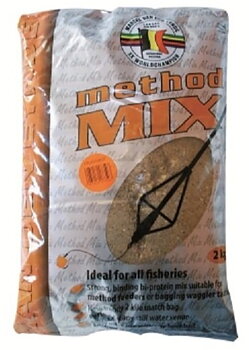
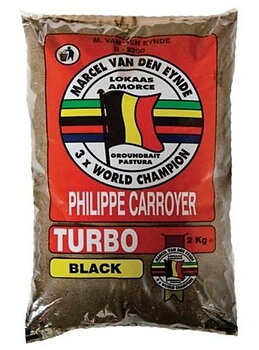
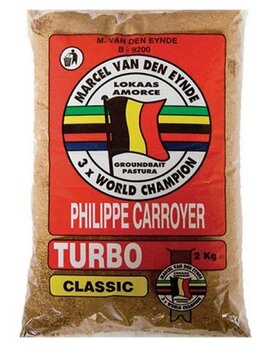
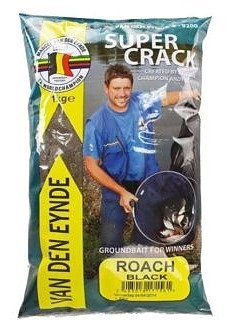
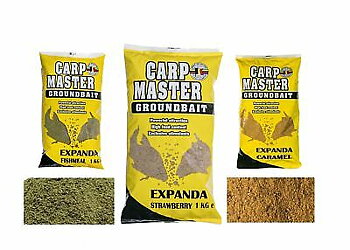
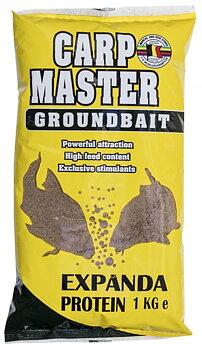
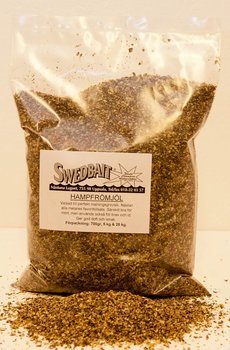
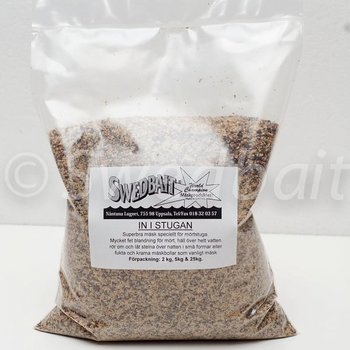
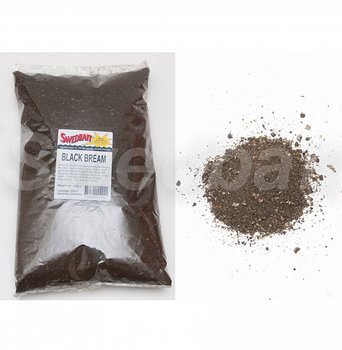
Groundbait – Find the Right Groundbait for All Types of Angling in Swedish Waters
Are you looking for the right groundbait for your coarse or specimen fishing? With the right groundbait, you can create an attractive feeding spot, lure fish to your hookbait, and tailor your fishing to different species and water conditions. Whether you’re fishing for carp, tench, roach, bream, rudd, or rudd, there are groundbait mixes and additives to help you refine your fishing technique.
Groundbait is used in many forms of angling—from traditional float fishing to feeder fishing, method feeder, and advanced specimen fishing. The composition, particle size, flavor, scent, and consistency of the mixes affect how they perform in the water. By choosing the right mix and adjusting your groundbaiting to the fish’s activity, you can create a well-thought-out strategy for both shorter fishing sessions and longer campaigns targeting large fish.
Groundbait Mixes – The Foundation of Effective Angling
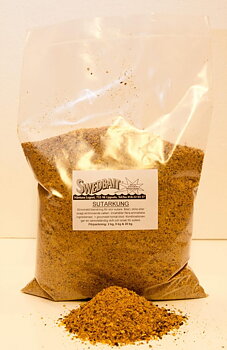
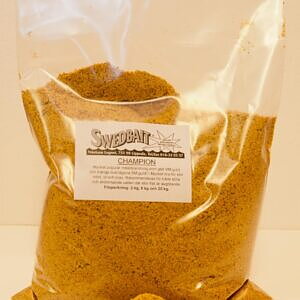
Ready-made groundbait mixes make it easy to tailor your fishing to the target species and method. They come in many varieties, from finely ground mixes for roach and other finfish to coarser and more nutrient-rich options for carp, tench, and bream.
A good groundbait mix helps you attract fish to a specific spot and complements your hookbait with flavor, scent, and small food particles. Some mixes are designed to quickly create activity in the water, while others are meant to linger longer and give the fish a reason to forage over the groundbait spot.
When choosing groundbait, you should consider what fish you want to catch, how deep you’re fishing, and whether the water is still or flowing. The right mix makes it easier to adapt your groundbaiting to the conditions at your fishing spot.
Groundbait for Carp—Target Larger Specimens
Carp fishing often places special demands on groundbaiting, especially when you want to attract fish to a spot over a longer period. Here, coarser groundbait mixes can be combined with pellets, boilies, particles, and other suitable baits to create a varied feeding area.
The choice of groundbait depends on your fishing method. With method feeders, a mixture is often used that can be packed around the feeder and stays in place during the cast, but then dissolves on the bottom. For more traditional carp fishing, coarser particles and other baits can be mixed in to complement the hookbait.
Flavor profiles featuring, for example, fish meal, spices, or sweeter notes allow you to experiment with different options. Adjust the amount based on water temperature, fish activity, and how long you plan to fish. The goal is to create an attractive spot without adding more feed than the situation requires.
Bait for tench—attract fish near vegetation and the bottom
The tench is a prized target species in Swedish angling and is often found in waters with vegetation, a soft bottom, and plenty of natural food. When targeting tench, baiting can help you gather fish in a specific spot and create an enticing presentation around the hook bait.
A coarser groundbait mixture can be combined with, for example, corn, pellets, or other suitable particles. Worms and other natural baits can also be used as hook bait, depending on the conditions.
Tench can be cautious when feeding, especially in waters with heavy fishing pressure. Therefore, it may be wise to start with a moderate amount of groundbait and then adjust the amount based on activity and bites. A well-balanced bait spot helps you fish methodically without overfeeding the fish.
Bait for roach—fine-tune your presentation
The roach is an exciting target fish for those who appreciate precise angling and specimen fishing. It is found, among other places, in lakes and ponds rich in vegetation, where it forages near the bottom and among plants.
When fishing for roach, it may be best to start with a smaller amount of groundbait and use a mixture that suits your fishing method and the natural food in the water. Smaller particles and a well-chosen hookbait can help you create a subtle presentation.
There is no single groundbait mixture that always works best for roach. Try different combinations and adjust both the amount and consistency based on the fish’s activity. If you notice that the fish are visiting the spot without taking the hookbait, you can also adjust the bait’s size or placement.
Groundbait for bream—attract the school with the right groundbait
Bream is a classic target fish in both feeder fishing and traditional angling. Since bream often forage near the bottom, a well-placed groundbait spot can be a key part of your fishing strategy.
Bream groundbait comes in many varieties and may contain ingredients such as breadcrumbs, grains, particles, and other enticing components. Depending on the mix, it can be fine and easily soluble or coarser and more cohesive.
When feeder fishing, it’s important that the groundbait has the right consistency to stay in the feeder during the cast but also release its contents properly when it reaches the bottom. For traditional bottom fishing, you can instead form groundbait balls that reach the fishing spot and break down there.
Adjust the amount and the mixture’s properties based on depth, current, and how actively the bream are feeding. Once the fish have found the feeding spot, smaller, regular top-offs can be a good alternative to putting out large amounts all at once.
Bait for roach and rudd—finer mixtures for active fishing
Roach and rudd are common target species in Swedish lakes and waterways. When fishing for these species, finer groundbait mixtures can be useful, especially when you want to create activity around the hookbait without adding too much coarse feed.
Roach groundbait comes in various colors, scents, and consistencies. Some mixtures work well for float fishing and create an enticing zone in the water column, while others are designed to reach the bottom and keep the fish gathered there.
Rudd are often fished in shallower, vegetation-rich environments. Here, you can adjust your groundbaiting depending on whether you want to present the bait near the bottom or higher up in the water.
Start with a small amount and add more as needed. By adjusting the groundbait’s texture, quantity, and placement, you can keep the fish active while maintaining control over the fishing spot.
Feeder groundbait – for basket feeders and method feeders
Feeder fishing is a popular method when you want to present groundbait and hookbait at a specific spot. Here, the groundbait’s consistency plays a crucial role, as the mixture must work in harmony with the feeder you’re using.
With a traditional basket feeder, the groundbait usually needs to hold together during the cast and as it travels through the water, but then be able to release when the basket reaches the bottom. How quickly it releases depends, among other things, on moisture content, particle size, and how tightly you pack the basket.
Method feeders often require a more malleable mix that can be pressed around the feeder and hold together during the cast. Once the rig is on the bottom, the groundbait should dissolve and expose the hookbait.
By choosing the right feeder groundbait and adjusting the amount of water, you can influence how the mixture behaves. Follow the product’s instructions and experiment until the consistency suits your method.
Groundbait for flowing water—adjust consistency and weight
Fishing in streams and rivers places different demands on the groundbait than fishing in still lakes. The current affects how groundbait balls and particles move, how quickly the mixture breaks down, and where the food particles end up.
For flowing water, a more cohesive mixture may be appropriate when you want the groundbait to reach the bottom before it starts to break down. In weaker currents, a lighter mixture may work better.
When fishing with a float or other methods in flowing water, it’s important to consider where the groundbait ends up in relation to the hook bait. The current can carry particles downstream, which means the placement of the groundbait spot needs to be adjusted according to the water’s speed.
Choose a groundbait that suits the current conditions and adjust the moisture content and consistency as needed. This makes it easier to create a groundbait spot where the fish are feeding without the mixture spreading too far from the intended position.
Groundbait, pellets, and particles—create variety at the feeding spot
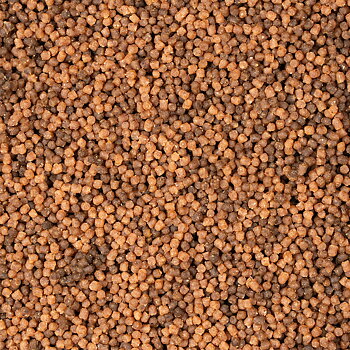
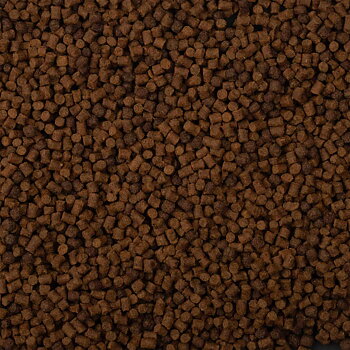
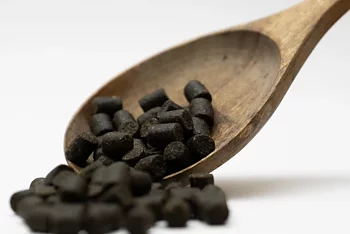
Groundbait can be used as is or combined with other feed products to tailor the feeding spot to the target species. Pellets, crushed boilies, corn, hemp seeds, and other suitable particles can provide variety in both size and nutritional content.
When fishing for carp, pellets and boilies can complement a coarser groundbait mix. When fishing for bream and tench, smaller particles can help create an attractive feeding area. For roach and other smaller whitefish, a finer mix with small particles may be more suitable.
It’s important to remember that more bait doesn’t automatically mean better fishing. Start with an amount appropriate for your fishing session and adjust based on how the fish respond. This way, you can avoid overfeeding the fish while keeping your baiting tailored to the conditions.
Bait color, flavor, and aroma—choose based on the water and fishing method
Bait comes in many colors and flavor profiles, ranging from subtle natural hues to brighter, more visible mixtures. The best option depends, among other things, on the water’s clarity, the color of the bottom, the target species, and how you want the baiting spot to look.
In clear water and on a light-colored bottom, a subtle color can sometimes be a good choice, while a different color can help the bait spot stand out from its surroundings. Flavor and aroma can also be varied, for example, between sweeter, spicy, and fish-based mixtures.
However, there are no universal rules for which color or flavor works best. Local conditions and fish activity play a major role. Feel free to try different options and evaluate the results rather than relying on a single mixture.
How to Mix Groundbait for the Best Results
The right mix starts with the right amount of water and enough time for the ingredients to absorb the moisture. A groundbait that’s too dry can fall apart too soon, while a mix that’s too wet can become compacted and have trouble releasing the particles.
Follow the product instructions and add water gradually. Let the mixture rest so the moisture distributes evenly, then adjust the consistency based on your fishing method.
Pay particular attention to the following:
- Moisture: Adjust the amount of water depending on whether you’re casting groundbait balls, using a basket feeder, or a method feeder.
- Particle size: Choose finer mixes for certain types of fine-tuning and coarser mixes when you want to introduce larger particles.
- Binding: The groundbait should hold together long enough to reach the intended spot.
- Dissolution: Adjust how quickly the mixture breaks down based on depth and current conditions.
- Amount: Start with a moderate amount and add more as needed, especially when fish activity is low.
- Storage: Mix only the amount you need and store the prepared groundbait according to the product instructions.
With the right consistency and a well-thought-out groundbait strategy, it becomes easier to adapt your fishing to different waters and species.
How to Choose the Right Groundbait for Your Angling
When choosing groundbait, you should consider the target species, fishing method, water conditions, and how long you plan to fish. A finer mix for roach fishing has different properties than a coarser mix for carp or a moldable mix for method feeders.
Keep the following in mind:
- Target species: Choose a mix suitable for carp, tench, roach, bream, or the species you’re targeting.
- Fishing Method: Check whether the groundbait is intended for float fishing, traditional bottom fishing, basket feeding, or method feeder fishing.
- Water conditions: Adjust the consistency and dissolution rate based on depth, bottom composition, and current.
- Flavor and color: Try different varieties based on the fish’s activity and local conditions.
- Additives: Supplement as needed with pellets, particles, or other products suitable for groundbaiting.
- Amount and Consistency: Adjust the mixture based on the length of your fishing session and how actively the fish are feeding.
Whether you’re looking for a simple base mix for traditional coarse fishing or specialized groundbait for feeder and specimen fishing, it’s important to choose products that fit your strategy.
Find the right groundbait for your next fishing trip
Bait and groundbait are essential tools for anyone looking to improve their coarse and specimen fishing. With the right mix, you can tailor your fishing to different species, create an attractive feeding spot, and present your hookbait in a strategic way.
Explore our selection of groundbait for coarse fishing in Swedish waters and find the mixes that suit your needs. Whether you’re fishing for large carp, tench along the reed beds, roach in a small lake, or bream with a feeder, there are options for both beginners and experienced specimen anglers. Find your favorite mix and get ready for your next fishing trip!