
AUTUMN FISHING
- SHOP WITH CONFIDENCE
- Delivery Immediate delivery
- CUSTOMER SERVICE by anglers
- EASY RETURNS 30-day return policy
- PAY SECURELY with Klarna
Jig Heads
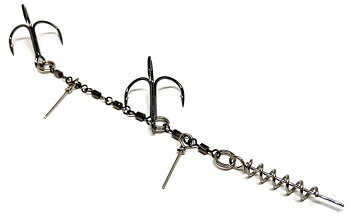
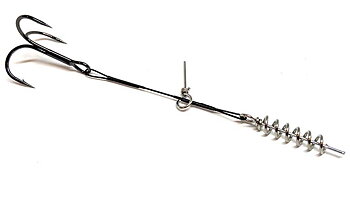
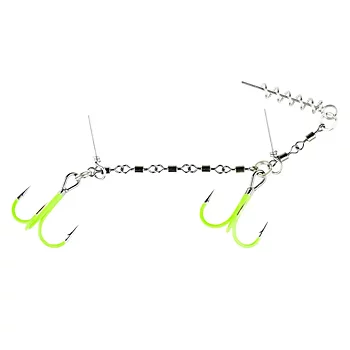
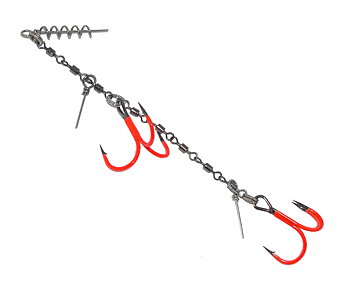
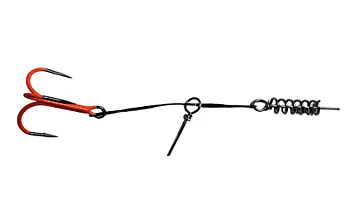
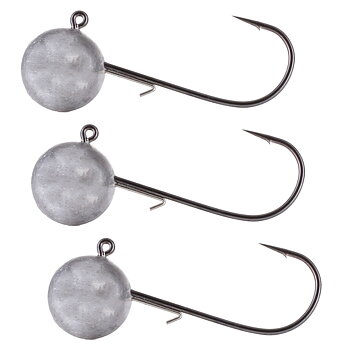
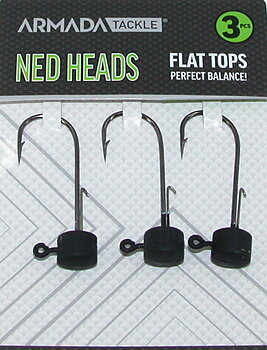
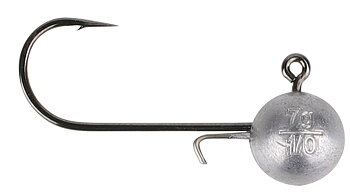
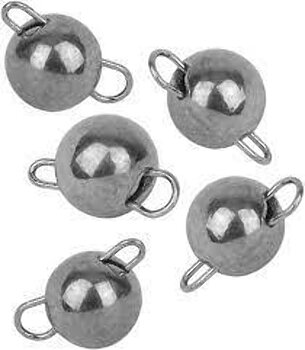


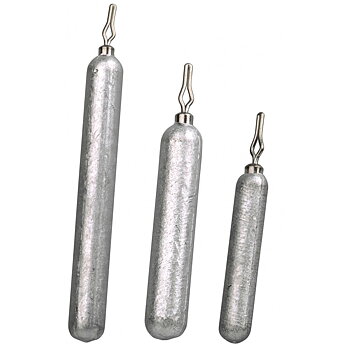
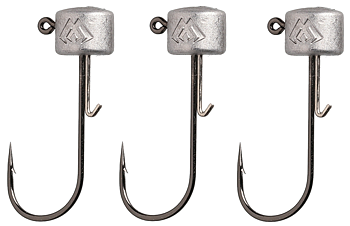


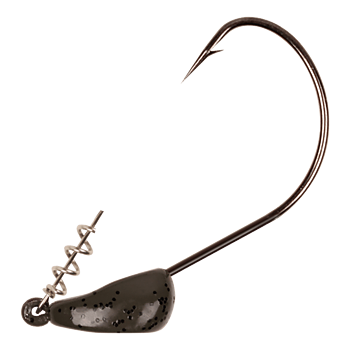
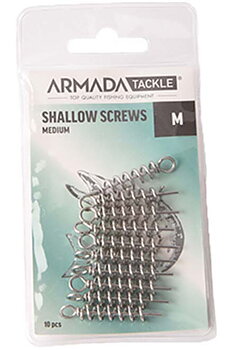


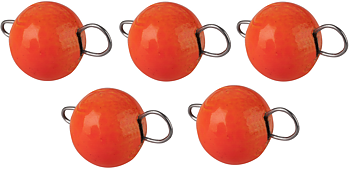
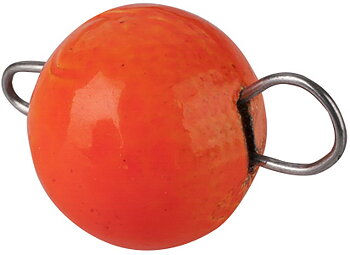

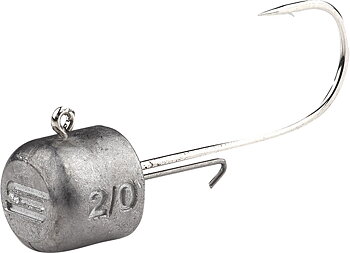
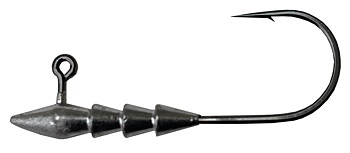
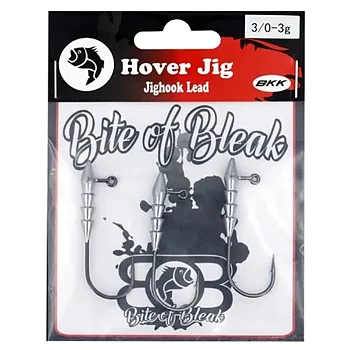
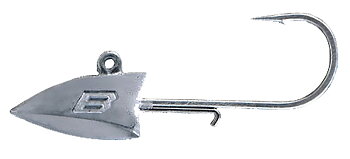
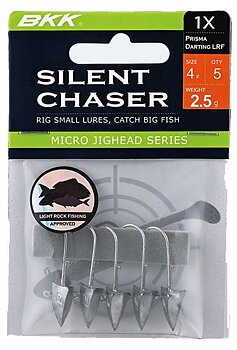
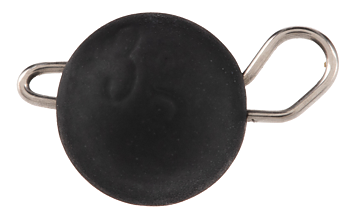
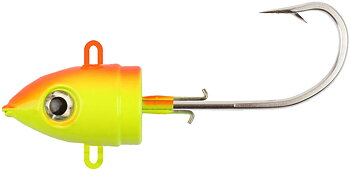
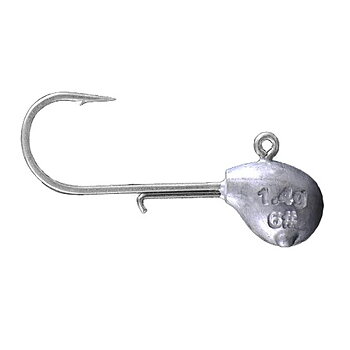
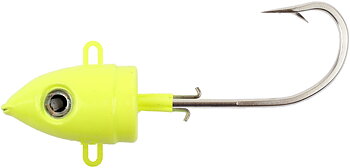
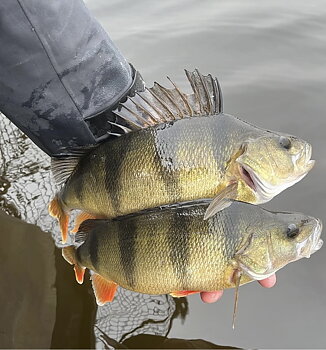

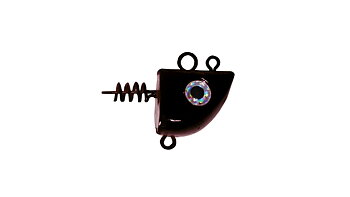
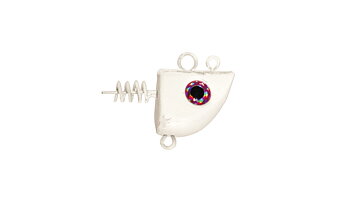
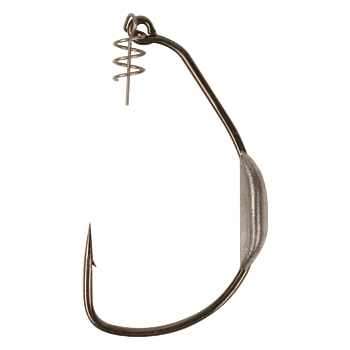


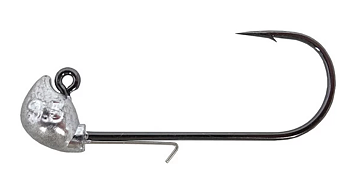
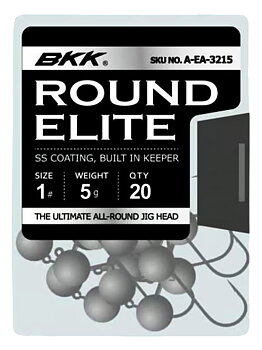
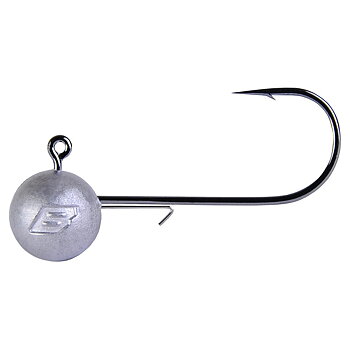
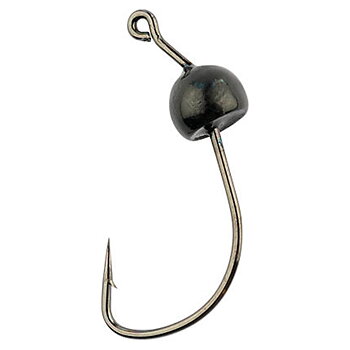

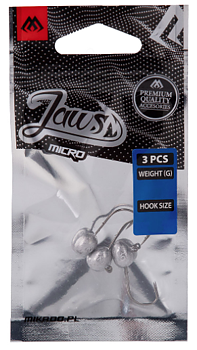
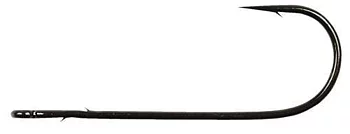
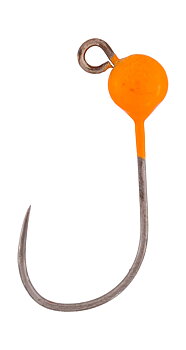
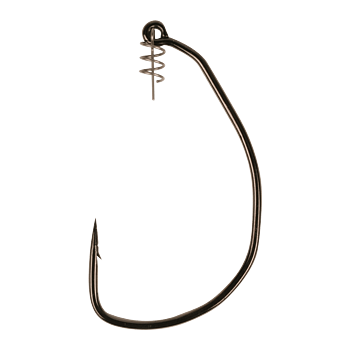
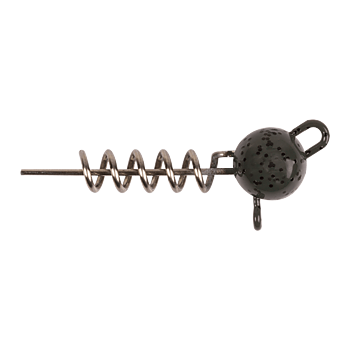
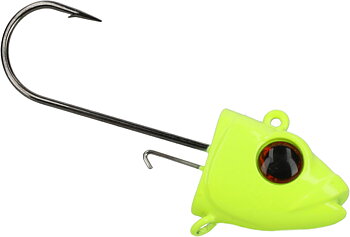
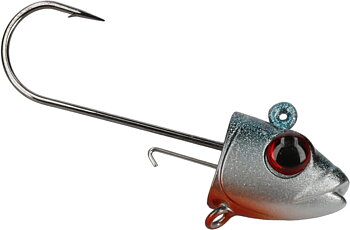
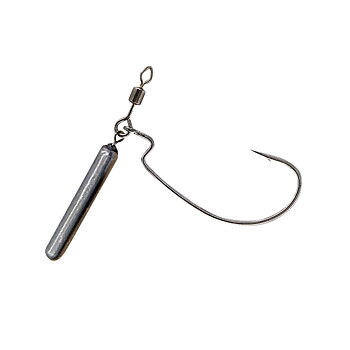
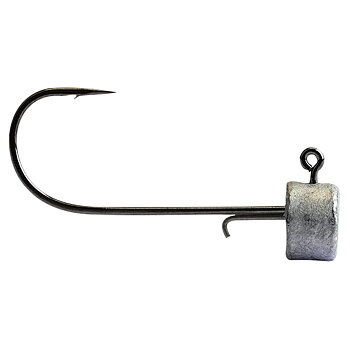
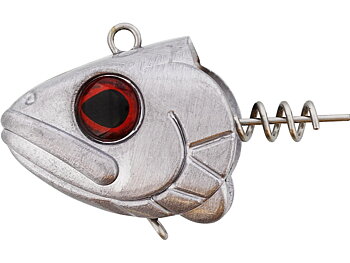

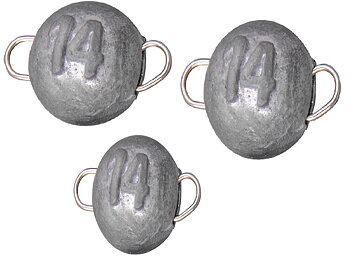

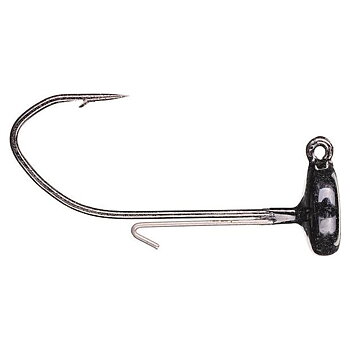
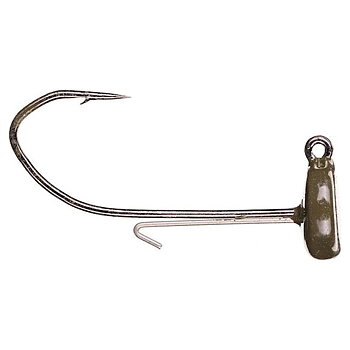
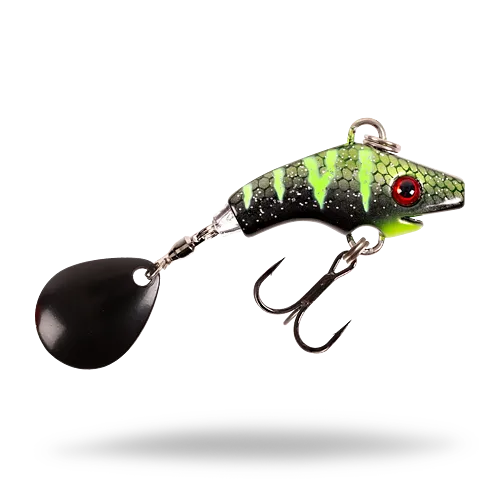
Jig heads come in many different sizes and models, ranging from lead versions to colorful stand-up jig heads and other types. We carry it all, including screw-on jig heads, offset jig heads, and many more. We sell both individual jig heads and jig heads in bulk packs.
A favorite that we use ourselves for most types of jig fishing is the Spro Jighead Long & Round Gamakatsu. A fantastic jig head without a “skirt” and featuring a sharp hook, available in several different weights and hook sizes. Order jig heads here today for fast delivery within 2–4 days. Free shipping on orders over 699 SEK.
Having trouble figuring out which jig head you need? Check out our jig head size guide here:
What hook size for a jig?
|
What weight for what depth?
|
Jig Heads – Find the Right Weight and Model for Your Jigging Style
Are you looking for jig heads that match your soft baits and your fishing style? The right jig head is an essential part of modern spin fishing gear and affects how the jig moves, how fast it sinks, and how you can control the bait while fishing. Whether you’re fishing for perch in shallow lakes, zander in deeper waters, or pike with larger soft lures, there are jig heads that help you tailor your presentation to the conditions.
Jig heads come in many different shapes, weights, and hook sizes. From small, lightweight models for ultralight fishing to sturdier options for large jigs and heavy predator fishing, there are solutions for most situations. Your choice depends on factors such as water depth, current, lure size, fishing method, and how quickly you want the jig to sink.
With the right combination of jig head and soft bait, you can fish along the bottom, keep the bait hovering over structures, or present the jig in different parts of the water column. Explore the different models and find the right jig head for your next fishing adventure.
Jig Heads for Traditional Jig Fishing
Traditional jig heads are a popular choice for spin fishing for perch, zander, and pike. They typically consist of a weight with an integrated single hook and are designed to be mounted directly onto a soft plastic lure.
They come in a variety of shapes and weights, allowing you to tailor your fishing to both the size of the lure and the conditions of the water. A light jig head can work well in shallow water or when you want to fish slowly, while a heavier model helps you reach deeper areas and maintain better contact with the bottom.
The hook’s length and gap need to match the jig’s body. A hook that’s too short can make hooking more difficult, while a hook that’s too long can affect the lure’s movement.
By having several weights and hook sizes available, you can quickly adapt your tackle to the depth, current, and the fish’s activity.
Jig Heads for Perch Fishing
Perch is one of the most common target species for jig fishing in Sweden, and the right jig head can make a big difference when fishing with small shads, worm jigs, and other soft baits.
For lighter perch fishing, small jig heads with relatively low weight are often used. They work well when fishing in shallow water, using small lures, or when you want the jig to sink slowly. In deeper water or when you need to maintain contact with the bottom, a heavier model may be more suitable.
The hook size should be adjusted according to the jig’s length and body thickness. Small jigs often work best with hooks that don’t overpower the lure, while larger shads may require longer shanks and a wider hook gap.
When fishing for cautious perch, a light jig head combined with thin line can provide a natural presentation. When fishing near the bottom or in a current, however, it’s important to choose sufficient weight to maintain control over the lure.
Jig Heads for Zander Fishing
When fishing for zander, jig heads are often used to allow for controlled fishing near the bottom or at the depth where the fish are located. Zander fishing is often done with shad lures and other soft baits presented with varying retrieve speeds and movement patterns.
The weight of the jig head needs to be adjusted according to depth, current, lure size, and line characteristics. A heavier jig head can make it easier to maintain bottom contact in deeper water, while a lighter model may be better suited for shallower fishing or when you want to give the jig a longer sink rate.
The strength and size of the hook are also important. It should match the lure and the tackle you’re using without making the jig unnecessarily heavy or restricting its movement.
When fishing for zander in open water, different weights and presentations may be more suitable than for traditional near-bottom jigging. Therefore, choose your jig head based on how you plan to fish and where in the water column the bait will be presented.
Jig heads for pike fishing and large soft plastics
When fishing for pike, larger shads, paddle tails, and other heavy soft baits are often used. These baits require jig heads that accommodate both the bait’s dimensions and the stress that can occur during casting and the fight.
Heavier-duty jig heads with larger hooks may be suitable for larger soft baits. Some models also feature a screw or other fastener that helps keep the bait in place.
When fishing with large jigs, it’s important that the hook’s length and placement do not restrict the lure’s movement. An improperly sized hook can affect the lure’s action or prevent the hook from being properly exposed during a strike.
For some larger soft baits, jig heads are used in combination with stingers or other supplementary hooks. Make sure the rig fits the bait and that all components are rated for the load the fishing conditions will impose.
Jig Heads for UL, XUL, and BFS
In ultralight (UL), XUL, and BFS fishing, the weight and size of the jig head are particularly important. Small differences in weight can affect how a light soft bait sinks, how it moves through the water, and how easily you can cast and control it.
For UL and XUL fishing, small jig heads with finer hooks are often used, which are suitable for micro jigs, small worm jigs, and other compact soft baits. When fishing with BFS, you can choose between different weights depending on the rod’s casting range, the line, and the bait’s design.
Light jig heads often work well in shallow water and with slow retrieves. If you’re fishing deeper or need better contact with the bottom, you may need to increase the weight.
It’s important that the hook isn’t too thick or too long in relation to the lure. A well-balanced combination allows the jig to move naturally and makes it easier to detect subtle strikes.
Jig heads with weed guards—for fishing near vegetation
Jig heads with weedguards are designed to reduce the risk of the hook getting snagged in vegetation and other obstacles. They’re used when you want to fish with soft baits near, for example, water lilies, grass beds, reeds, and other structures where predatory fish might be lurking.
A weedguard typically consists of a protective shield in front of the hook point. This design can help reduce the number of bottom bites and snags, but it also affects how easily the hook point is exposed when a fish strikes.
Therefore, it’s important to choose a model with the right balance between protection and hooking performance. For softer vegetation, a simpler design may work well, while more challenging environments may require different solutions.
Jig heads with weedguards are often used for bass fishing and other forms of predator fishing where the bait needs to be presented close to obstacles.
Football-style jig heads – for near-bottom fishing
Football jig heads have a wider, rounded shape that often provides a stable presentation when fishing near the bottom. The shape can help the jig move in a controlled manner when fishing over harder bottoms and other structures.
They’re used, for example, in bass and zander fishing with soft lures when you want to maintain contact with the bottom while giving the lure a natural movement.
The weight should be adjusted according to depth and conditions. A model that’s too light can make it difficult to feel the bottom, while one that’s too heavy can result in a faster sink rate than you’d like.
Football jig heads are an option for anglers who want to vary their presentation and test different shapes with the same soft bait.
Screw heads and jig heads for large soft baits
Screw-on jig heads are often used with larger soft baits, especially when fishing for pike. Instead of relying solely on a long hook through the body of the bait, many models feature a screw that secures into the nose of the bait.
This can provide a secure attachment and make it possible to combine the screw-on jig head with one or more additional hooks, depending on the model and lure type.
Screw heads come in various weights and designs. Some are used to adjust the lure’s sink rate, while others are designed to work with stingers and larger predator lures.
Make sure the screw head is compatible with the lure’s material and size. Attach it so that the lure retains its natural shape and action, and ensure that any additional hooks are securely fastened.
Jig heads for dropshot and finesse fishing
In dropshot fishing, a hook is typically attached separately to the line above a sinker. There are also specialized weights and accessories for this method, but a traditional jig head is not the same as a dropshot sinker.
When finesse fishing with small soft baits, it’s important to adjust the weight, hook, and presentation based on the fish’s activity. Light jig heads can help you fish slowly and give the bait a subtle movement, while other rigs allow you to present the bait in a more stationary manner.
If you switch between traditional jigging and drop-shot fishing, it’s therefore practical to have both jig heads and specialized drop-shot components in your tackle box.
Jig Heads for Different Depths and Conditions
One of the most important factors when choosing a jig head is its weight. It affects how fast the jig sinks, how much feel you have with the lure, and how easy it is to fish at the desired depth.
- Shallow water: Light jig heads can provide a slower sink rate and a more deliberate presentation.
- Deeper water: Heavier models can help you reach the bottom and maintain contact with the jig.
- Running water: A heavier weight may be needed to maintain control over the lure.
- Fishing over the bottom: Choose a weight that lets you feel the bottom without the jig getting snagged unnecessarily often.
- Pelagic fishing: Adjust the weight based on the depth where the fish are holding and the action you want to give the lure.
There is no single weight that works best in every situation. Try different options and adapt to the conditions of the water where you’re fishing.
Hook Size and Jig Head Design
In addition to the weight, you need to choose the right hook size. The hook shank length and gape should match the soft bait’s length and body thickness so that the bait can move as intended.
A hook that’s too long can restrict the movement of certain soft baits, while a hook that’s too short can result in a less-than-ideal hook placement. Therefore, check how the hook sits in the bait before you start fishing.
Jig heads also come in various designs and materials. Some have a round head for all-around fishing, while others have specialized shapes designed for bottom contact, vegetation, or large soft baits.
Also consider the quality and sharpness of the hook. Check the hook regularly and replace any damaged or dull ones.
How to Choose the Right Jig Head
When choosing a jig head, it’s best to start with the size of the lure, the target species, and how you plan to fish. The right combination makes it easier to present the jig effectively and maintain control while fishing.
- Lure size: Choose a hook that matches the length and thickness of the soft plastic lure.
- Weight: Adjust the sink rate according to depth, current, and fishing technique.
- Target species: Perch, zander, and pike fishing may require different sizes and strengths.
- Bottom conditions: Choose the jig head and rig based on whether you’re fishing over sand, rocks, vegetation, or other obstacles.
- Fishing technique: Traditional jigging, pelagic fishing, and UL fishing have different requirements.
- Hook quality: Check the sharpness, strength, and ensure the hook fits the lure.
With multiple jig heads in different weights and hook sizes, you can adapt the same soft bait to many different situations.
Find the right jig heads for your next fishing adventure
The right jig head helps you control the lure’s sink rate, presentation, and movement. Whether you’re fishing for perch with small finesse jigs, zander near the bottom, or pike with large soft lures, there are models that suit your gear and fishing method.
Explore our selection of traditional jig heads, lightweight models for UL and XUL, jig heads with weed guards, football-style jig heads, and screw-on jig heads for larger soft plastics. Find the right weight and hook size for your favorite lures and tailor your setup to the conditions of the day.
Choose the right jig head, rig your favorite lure, and get ready for the next bite!