
AUTUMN FISHING
- HANDLA TRYGGT
- FRAKT 79:- (Spårbart)
- Leverans 2-4 dagar
- KUNDSERVICE med fiskare
- ÖPPETKÖP returrätt 30 dagar
- BETALA SÄKERT med Klarna
Float-/Match Reels
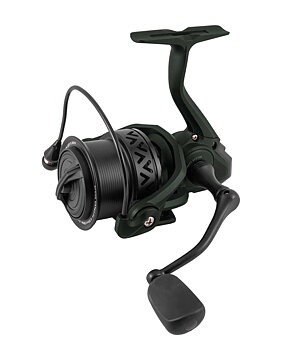
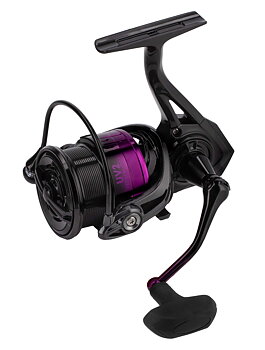

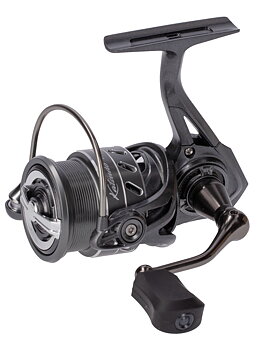
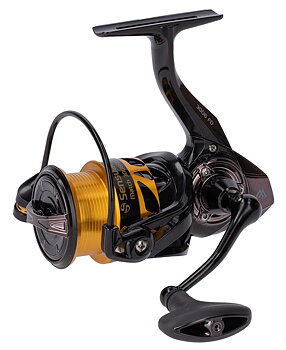
Float fishing is one of the most versatile and technically interesting methods in sport fishing . It involves presenting a bait below or at the water’s surface using a float that serves both as a bite indicator and helps the angler control the bait’s depth and movement. The method can be used for everything from gentle fishing for roach and bleak to targeted fishing for large tench, bream, rudd, and carp.
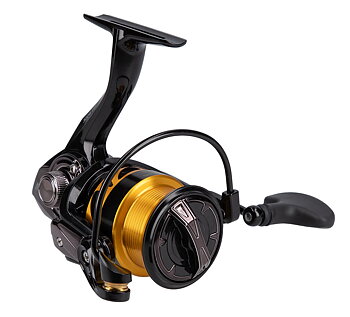
A central component of modern float fishing equipment is the match reel, a reel specifically designed for casting with relatively thin lines, light tackle, and floats. The match reel is primarily used with match rods, but it also works excellently with other rods designed for float fishing.
What is float fishing?
Float fishing is a fishing method in which a float supports or balances part of the rig’s weight while simultaneously indicating when a fish takes the bait. The float can be fished stationary, drifted with the current, or guided through a defined area with controlled movements.
Float fishing is used in many different environments:
-
Lakes and ponds.
-
Canals and slow-moving waters.
-
Streams and flowing rivers.
-
Commercial carp lakes and put-and-take waters.
-
Shallow coves, harbors, and other sheltered bodies of water.
This method is suitable for both beginners and advanced specimen anglers. A beginner can fish easily with a fixed float, while an experienced match angler can use very carefully balanced rigs and advanced line management to present the bait at exactly the right depth and location.
What is a match reel?
A match reel is a spinning reel designed or specifically suited for precision float fishing . It is primarily used in what is internationally known as match fishing or float fishing.
Match fishing has developed significantly within European competitive angling, particularly in the United Kingdom and on the continent. This has led to equipment that prioritizes controlled casts, fast line retrieval, good line handling , and the ability to fish effectively during long sessions.
There is no absolute standard ensuring that every reel sold as a match reel has exactly the same characteristics. Rather, the term describes a type of reel or a specific application.
A match reel is often characterized by:
-
A relatively shallow spool.
-
A gear ratio that provides fast line retrieval.
-
A spool designed for thin nylon line.
-
A smooth and controllable drag system.
-
A rotor and bail that perform well during repeated casts.
-
A design suitable for light to medium-weight tackle.
-
A size that balances a relatively light and long match rod.
Above all ,a good match reel should help the angler cast accurately, control the line , and handle the fish without unnecessary problems.
What kinds of fish can be caught with a match reel?
The match reel is primarily suited for fish that can be caught with a float and relatively light tackle.
Common species include:
-
Roach: Very well suited for light float fishing with thin line and small hooks.
-
Roach: Often requires small floats, small hooks, and quick handling.
-
Bream: Can be fished effectively with a waggler and slightly heavier tackle.
-
Tench: Requires greater consideration of vegetation and the fish’s strength.
-
Carp: A match reel can work excellently for lighter carp fishing, but the reel’s capacity and line size must be adjusted.
-
Grayling: Suitable for float fishing in running water with control over the tackle’s drift.
-
Perch: Can be caught on a float rig with worms, maggots, or small fish where such bait is permitted.
When specifically targeting very large carp or fish in dense vegetation, a heavier reel, thicker line, and a different type of rod may be more suitable.
Summary
Float fishing is a method where precision, feel , and control work together. The float regulates the depth and indicates a bite, while the rod and line help the angler present the bait correctly.
The match reel is specifically designed for this type of fishing. Its shallower spool, line management, gear ratio , and controllable drag can offer clear advantages when casting with light floats and fishing with thin line.
However, the best match reel isn’t necessarily the most expensive or the fastest. The most important thing is that the reel matches the rod, the line, the weight of the float, the size of the fish, and the waters where you’re fishing.
When all components are properly matched, float fishing becomes a highly effective method that can be used for both casual recreational fishing and advanced competitive fishing.