
AUTUMN FISHING
- SHOP WITH CONFIDENCE
- Delivery Immediate delivery
- CUSTOMER SERVICE by anglers
- EASY RETURNS 30-day return policy
- PAY SECURELY with Klarna
Other accessories

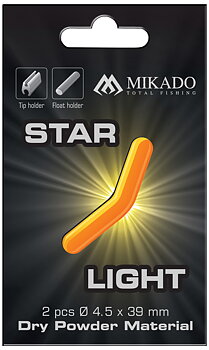
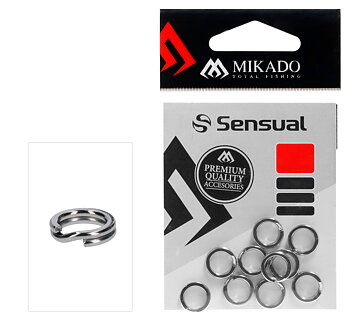



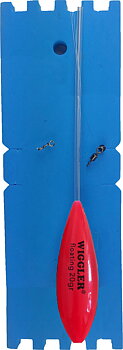
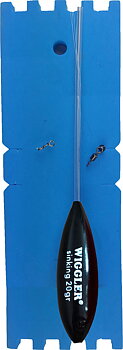
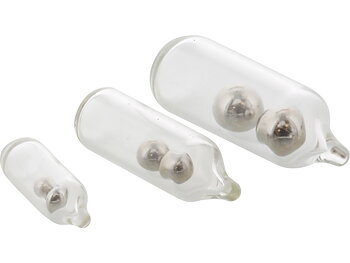

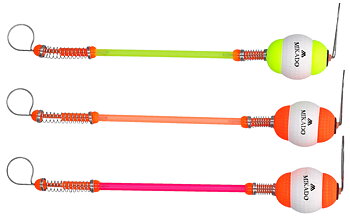


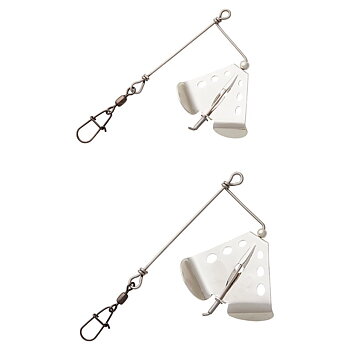
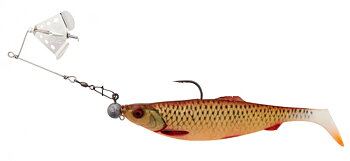
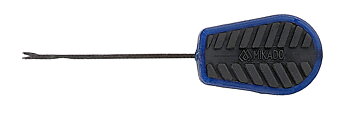





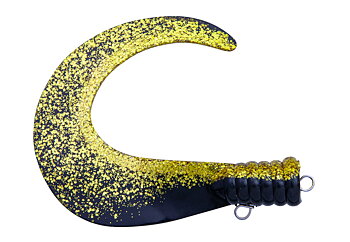






Small Accessories and Specialty Gear for Fishing – The Details That Make a Difference
Are you looking for small accessories that help you customize your fishing gear and get more out of every fishing trip? In sport fishing, it’s often the small details that allow you to fine-tune your tackle, alter the movement of your bait, or adapt your presentation to the fishing method and conditions. In the “Miscellaneous Small Accessories” category, you’ll find practical accessories for many different types of fishing in Swedish waters.
Here we’ve gathered products such as jingles, spinner blades, booms, line clips, vibration blades, rigging components, and other specialty accessories that don’t always fit into a single product category. They can be used for everything from traditional angling and specimen fishing for carp, tench, and bream to predator fishing for pike, zander, and perch, as well as trolling and saltwater fishing.
Whether you want to detect bites more easily, build your own rigs, create extra vibrations, or gain better control over your bait’s presentation, there are many small components to choose from. With the right accessories, it becomes easier to tailor your gear to your fishing style and the waters you fish in.
Fishing Bells—Detect Bites While Match Fishing and Bottom Fishing
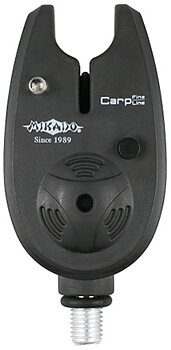
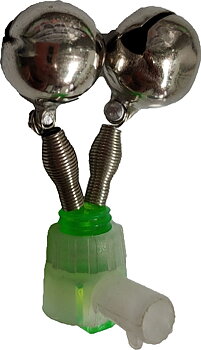
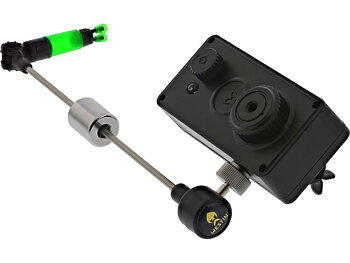
Bells are practical accessories for those who want an audible signal when a fish bites. They’re primarily used in float fishing and bottom fishing, where the rod is often placed in a holder while the bait is out in the water.
A fishing bell is usually mounted on the rod tip or another suitable part of the tackle. When a fish touches the line and the rod vibrates, the bell emits a clear sound that helps you detect a bite.
Bells can be useful when fishing for species such as carp, tench, bream, roach, and other species for which the angler’s rig is designed. They can also be used in certain types of bottom fishing for predatory fish.
There are various types of bells, ranging from simple models with one or more bells to versions with clips for quick attachment and removal. Choose a model that stays securely in place without damaging the rod or interfering with the line’s movement.
Spinner blades – create reflections and vibrations
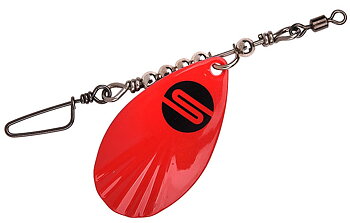
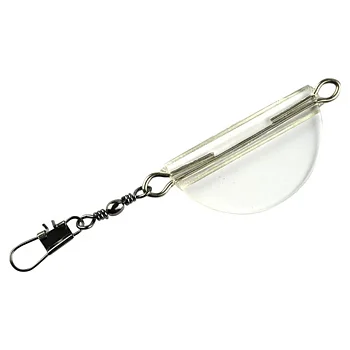
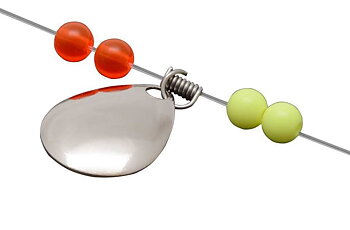
Spinner blades are used to create movement, reflections, and vibrations in the water. They are found in many types of artificial lures and can also be used when building or modifying your own lures and rigs.
Spinner blades come in several shapes and sizes, such as elongated willow blades and wider Colorado-style blades. The shape affects how the blade rotates or vibrates, how much water resistance it creates, and the type of signal it emits.
In predator fishing, spinner blades can be used to add extra attraction to lures targeting pike, perch, and zander. They are found, among other things, in spinnerbaits, certain spinners, and custom-built rigs.
You can choose from different colors and finishes depending on the desired presentation. Silver and other shiny finishes produce distinct reflections, while colored blades can provide contrast in the water.
When choosing a spinner blade, it’s important to consider the blade’s size, attachment method, and how it affects the lure’s balance and movement.
Splits for Fishing – Control the Presentation of Your Tackle
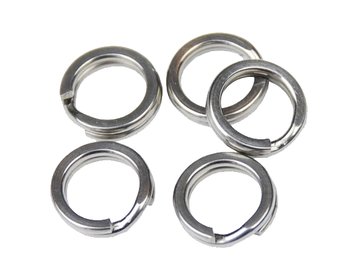
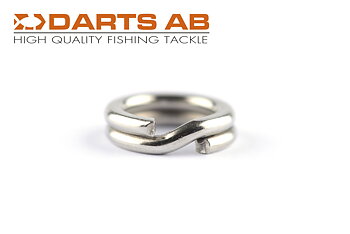
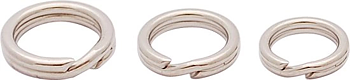
Split rings are used in several fishing methods to keep lines, leaders, and other parts of the tackle separate. They can help reduce tangles and make it easier to present the bait and hook as intended.
Different types of fishing swivels have different applications. Swivels for bottom fishing can help keep the leader away from the sinker, while other models are used for trolling, saltwater fishing, or specialized rigs.
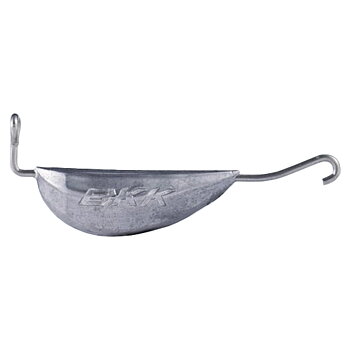
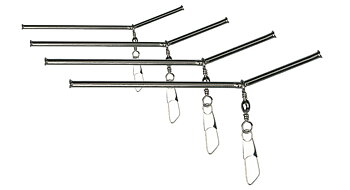
When bottom fishing, a suitable rod can be useful when you want to reduce the risk of the leader tangling around the main line during casting and letting the line out. In certain forms of predator and saltwater fishing, rods are used to separate different components and create a more controlled presentation.
Choose a boom that suits the tackle’s design, the line’s size, and the fishing method you’re using. Also keep in mind that the material, length, and stiffness can affect how the tackle performs in the water.
Line clips and line attachments—convenient solutions for various fishing methods
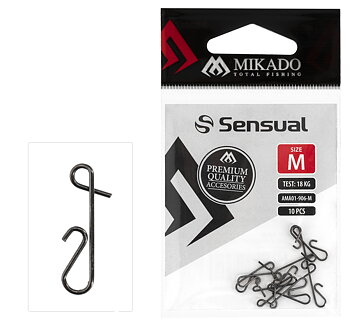
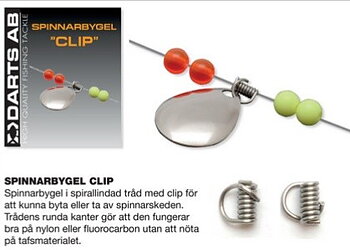
Line clips and other line attachments are used to hold or position the line in various types of fishing tackle. They are used in angling, trolling, and other methods where the line needs to be secured, released, or adjusted in a controlled manner.
In trolling, special line releases are used in certain systems to hold the fishing line in place until a bite or a specific load releases it. In other fishing methods, clips can be used to attach lines or components to the tackle.
It’s important to distinguish between different types of clips, as they aren’t always designed for the same load or function. Choose products that are suitable for the line material and intended use, and make sure they don’t damage the line.
With the right line attachments, it becomes easier to build your own setups and customize your gear to suit your fishing style.
Vibrating blades and additional attractors for predator fishing
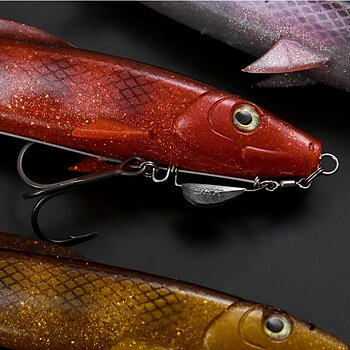
Vibrating blades and other moving metal components can be used to give lures and rigs extra movement and vibration. They are found in certain specialty lures, spinnerbaits, and homemade rigs for predator fishing.
When fishing for pike, perch, and zander, these components can be used to alter the lure’s characteristics and create a different presentation than with a standard lure.
Different shapes, sizes, and materials produce different movements in the water. A wider blade can create greater water resistance, while a narrower blade can produce a different type of vibration or rotation.
If you’re building your own lures, you can experiment with the placement and size of the blades to find a combination that works with the lure’s weight and design. Always check that the attachments, rings, and swivels can handle the load and that the blade can move freely.
Small Parts for Homemade Tackle and Lures
For those who want to build their own rigs and modify lures, small parts are an essential part of fishing gear. Small components can be used to customize everything from the placement of hooks to the lure’s action and how the line is attached to the rig.
Depending on the product range, this category may include, for example:
- Small clips and fasteners for various rigs.
- Metal blades and decorative components for lure making.
- Spacers and separators to keep rig components apart.
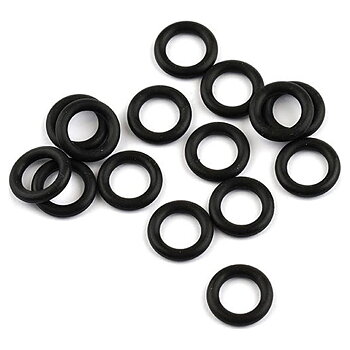
- Small rings and connecting parts for custom-made solutions.
- Sound components and bells for angling.
- Additional parts for modifying spinners, spinnerbaits, and other lures.
When combining small parts, it’s important to ensure they work together and don’t compromise the tackle’s strength or movement. Check dimensions and materials to make sure the components are compatible with both the main line and the rest of your gear.
Small Accessories for Angling and Specimen Fishing
In angling and specimen fishing, many different small accessories are used to adapt the rig to the fish species, bait, and bottom conditions. For carp, tench, roach, bream, and rudd, small details can contribute to a more thoughtful bait presentation and make the gear easier to handle.
Bells can be used as bite indicators in certain types of bottom fishing, while swivels and other rig components help you design your tackle. Small clips and fasteners can also be useful when you want to adjust or replace parts of your gear.
Which accessories work best depends on whether you’re fishing with a feeder, using traditional bottom fishing techniques, or employing specialized carp rigs, for example.
With a selection of small parts in various sizes, it becomes easier to repair your rig, replace worn components, and customize your gear for your next fishing trip.
Small Accessories for Spin Fishing and Predator Fishing
In spin fishing, small accessories can help you modify lures and create new presentations. Spinner blades, vibration components, and various attachments are used, for example, when building your own spinnerbaits, customizing spinners, or modifying existing lures.
For pike fishing, sturdier components may be needed when the lures are large and the load is heavy. For lighter perch fishing and UL, XUL, or BFS fishing, it’s often important to choose small, lightweight parts that don’t unnecessarily affect the lure’s balance.
Small components can also be used to replace worn-out parts or give a lure a different color or action.
When modifying a lure, you should check how the change affects its action. Even a small detail can affect the balance, sink rate, or how the lure works at different retrieve speeds.
Small Accessories for Trolling and Saltwater Fishing
In trolling and saltwater fishing, various types of small parts are used to assemble, customize, and maintain tackle. Clips, spacers, swivels, and other specialized components can help you keep lines organized and create an effective presentation.
When trolling, it’s important to use clips and fasteners designed for the correct load and function. In saltwater fishing, small parts may need to withstand saltwater and repeated stress from heavy lures and larger fish.
Always check that the materials and finishes are suitable for the intended use. After fishing in saltwater, it’s a good idea to rinse your gear with fresh water and inspect the components for corrosion and wear.
Having the right replacement parts on hand makes it easier to repair your gear and adjust your tackle as conditions change.
How to Choose the Right Small Accessories for Fishing
When choosing small accessories, it’s a good idea to start by considering how the product will be used and what function it will serve in your setup.
- Fishing method: Bells are suitable, for example, for indicating bites when bottom fishing, while spinner blades are used to alter the bait’s movement.
- Size and weight: Adapt the components to the bait, line, and tackle setup.
- Material: Choose materials suitable for freshwater or saltwater and the stress the product will be subjected to.
- Function: Determine whether the accessory is intended to produce sound, vibrations, create distance, or provide a secure attachment.
- Compatibility: Ensure that clips, swivels, and other components work with the rest of your gear.
- Durability: Inspect small parts regularly and replace damaged or worn components.
A well-stocked selection of small parts makes it easier to solve practical problems out on the water, build your own rigs, and adapt your gear to different fishing situations.
Find the right small parts and specialty accessories for your fishing adventure
It’s often the small details that allow you to fine-tune your fishing gear. Whether you need bells for coarse fishing, spinner blades for homemade lures, swivels to reduce tangles, or other specialty accessories, there are many products to help you customize your gear.
Explore our selection of jingles, spinner blades, line guides, line clips, vibration blades, and other small parts for angling, spin fishing, predator fishing, trolling, and saltwater fishing.
Find the right components for your needs, build your own solutions, and be prepared for your next fishing trip!