
AUTUMN FISHING
- SHOP WITH CONFIDENCE
- Delivery Immediate delivery
- CUSTOMER SERVICE by anglers
- EASY RETURNS 30-day return policy
- PAY SECURELY with Klarna
Floats and fishing accessories
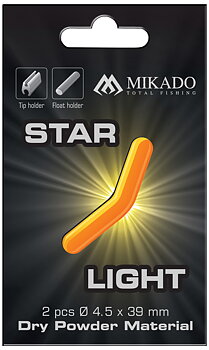
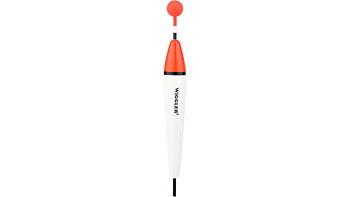
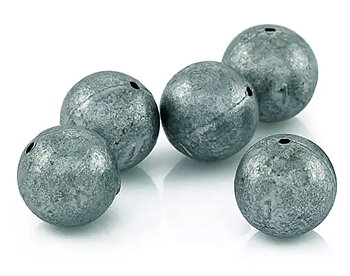

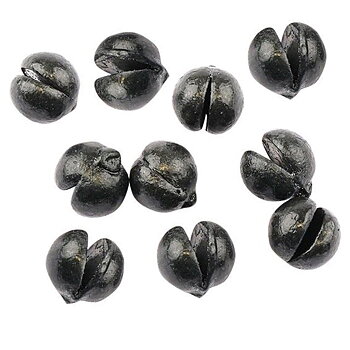
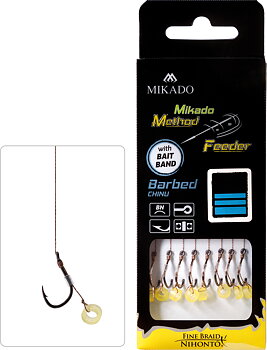
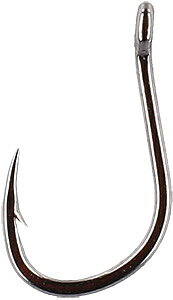
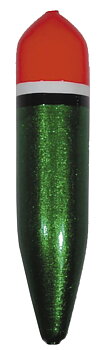

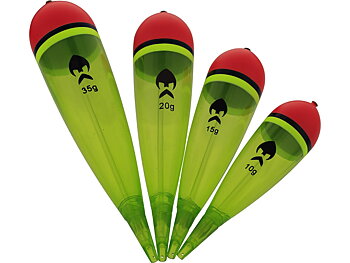
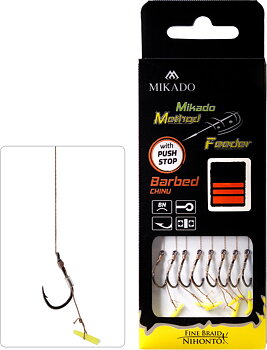
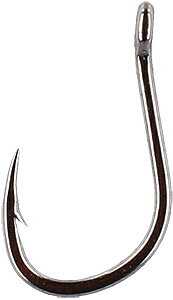
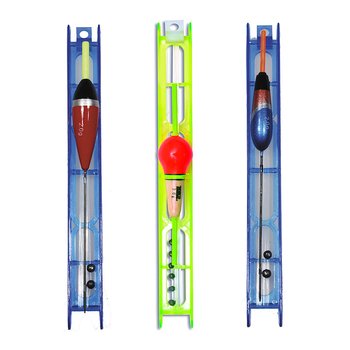

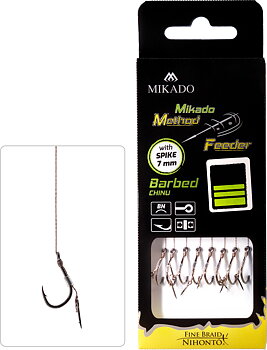
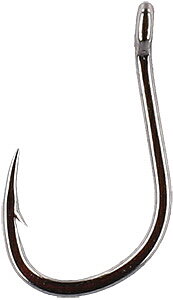
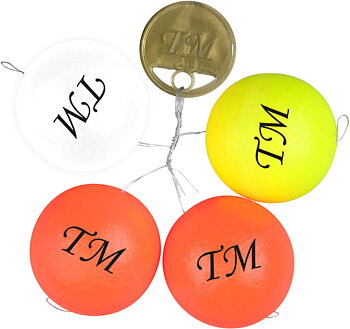
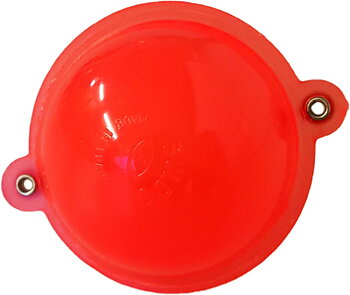
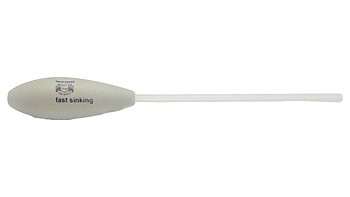


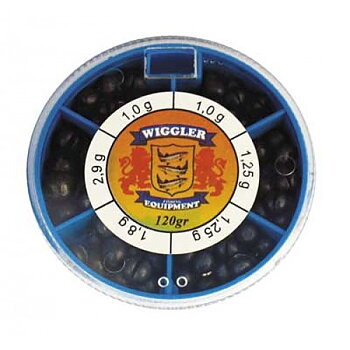

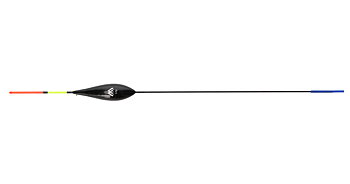
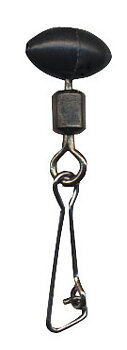
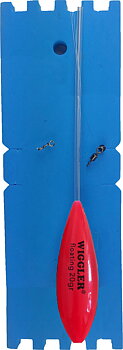
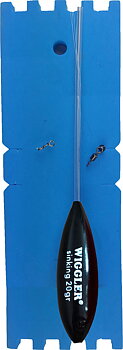
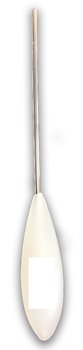

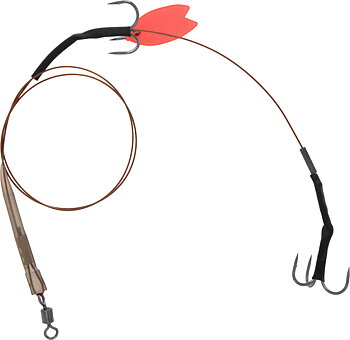
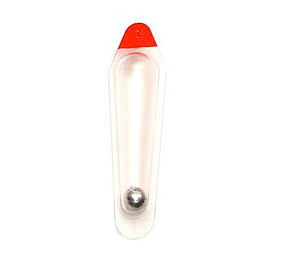
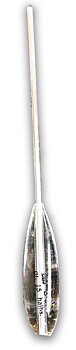
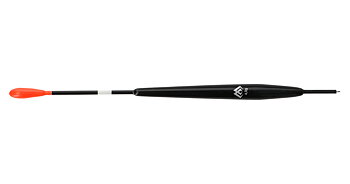
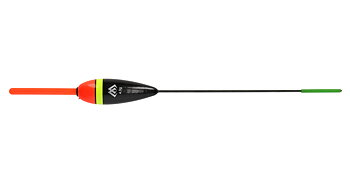

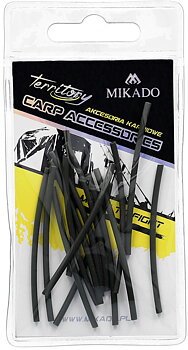
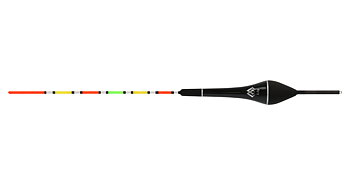

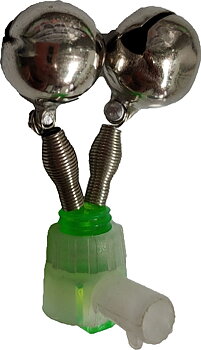



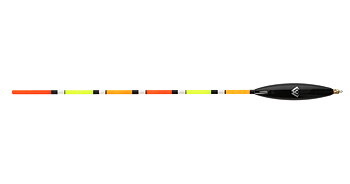
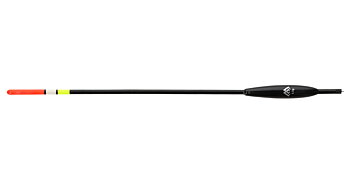
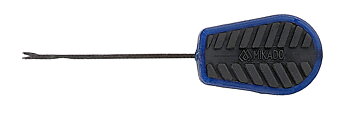
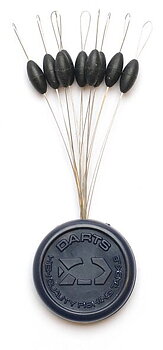
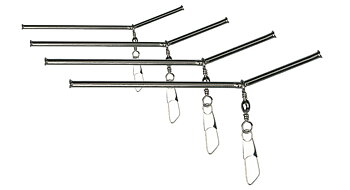
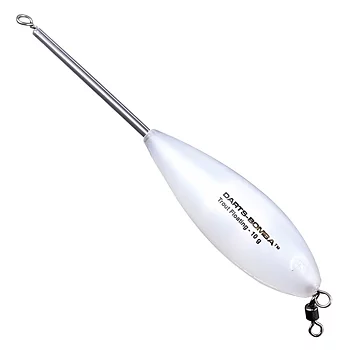
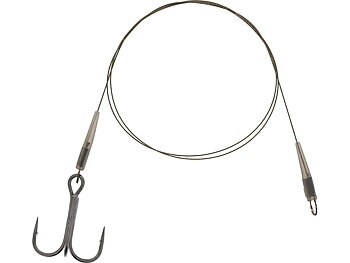


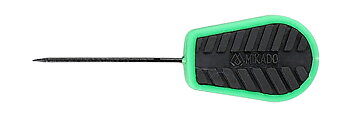
Here you’ll find floats, light sticks, float stops, ready-made fishing rigs, bombarda floats, eel bells, casting weights, float weights, float stops, feeder baskets, method feeders, poles, legers, and basically everything you could possibly need for your angling. Everything from simple traditional angling to specimen fishing. Affordable angling accessories are something everyone needs.
Floats & Fishing Accessories – Everything You Need for a Successful Fishing Trip
Are you looking for floats and angling accessories that suit your fishing style? The right equipment makes it easier to present the bait at the correct depth, detect subtle bites, and adapt your tackle to the conditions on the water. Whether you’re fishing from shore, using a long rod, a match rod, or targeting larger specimen fish, there are floats and accessories to help you get more out of every fishing trip.
Fishing with a float is a versatile method that works in lakes, streams, rivers, and other Swedish fishing waters. With the right float, sinker, float stop, leader, and other small components, you can rig tackle suitable for everything from light fishing for roach and bleak to more specialized angling for carp, tench, rudd, bream, and ide.
The float’s design, buoyancy, and sensitivity affect how the bait is presented and how clearly you can see when a fish bites. Combined with the right float fishing accessories, you’ll have greater opportunities to adapt your gear to depth, current, wind, and fish behavior.
Fishing Floats – Find the Right Model for Your Fishing
Fishing rods come in many shapes and sizes, ranging from small, sensitive models for subtle bites to sturdier rods that perform better for longer casts or fishing in flowing water. Which float you should choose depends on your fishing method, the weight of the bait, the depth, and the conditions at the fishing spot.
A light rod may be suitable for traditional angling for roach and other small whitefish in calm waters. Heavier, long-casting models may be better suited when fishing farther from shore or when you need to present the bait under more challenging conditions.
When fishing for trophy fish such as tench, bream, and carp, the float may need to carry a larger bait or work in conjunction with more specialized tackle.
With a variety of floats in different sizes and designs, you can adapt your fishing as weather, depth, and fish activity change.
Stick Floats and Pen Floats – Sensitive Traditional Angling
Stick floats and pen floats are popular choices for traditional angling, especially when you want good control over the bait and the ability to detect subtle bites.
Stick floats are often used when fishing in calmer waters or moderate currents, depending on the model. They can be well-suited for fishing for roach, bream, rudd, and other species where a clear and controlled bait presentation is important.
Pen floats have a slim and sensitive profile that can make even small movements noticeable. They are useful for various forms of lighter angling and can be adapted to different baits and fishing conditions.
When choosing a stick or pen float, consider buoyancy, visibility, and how much weight is needed to balance the rig. A properly balanced float helps you detect bites without overloading the bait.
Waggler floats—for match fishing and longer casts
Waggler floats are designed to be attached to the lower section of the line and are often used for match fishing and fishing at greater distances from shore. They are particularly useful when you want to cast relatively far while maintaining control over the bait’s presentation.
There are straight waggler floats, models with a weight in the lower section, and variants with interchangeable weights. Different designs suit different conditions and allow you to adapt your rig to wind, depth, and casting distance.
When fishing for roach, bream, tench, and other whitefish, a waggler float can be a good option when the fish are holding a bit out from shore. With the right balance, you can achieve a stable presentation and clear bite indications.
Choose the float’s buoyancy based on the weight of the bait, the depth, and the conditions at the fishing spot. Also keep in mind that wind and surface currents can affect how the rig behaves.
Floats for carp, tench, roach, and specimen fishing
When fishing for larger or more cautious fish, the float’s design can make a big difference. Carp, tench, roach, and bream can be fished with different types of float rigs depending on depth, vegetation, bottom conditions, and how the fish are feeding.
Narrow and sensitive floats can be useful when you want to detect subtle bites, while sturdier models may be better suited when you need more buoyancy or are fishing in more challenging conditions.
When fishing for carp, special floats can be used to present the bait near the bottom, among vegetation, or at other depths where the fish are foraging. When fishing for tench and roach, it’s often important to be able to balance the rig carefully and detect small movements.
Always match the float, hook, sinker, and line to each other. A well-thought-out rig provides better control and makes it easier to react when a fish takes the bait.
Floats for flowing water—fishing for dace and other stream fish
Fishing in streams and rivers places different demands on your gear than fishing in still water. The current affects how the float drifts, how the bait moves, and how easy it is to maintain contact with the rig.
When fishing for grayling and other species in flowing water, floats with the right shape and buoyancy can help you control the bait’s drift. Depending on the current’s strength and your fishing method, you may need a more stable model that can be balanced with the right amount of sinker.
The size of the float should be adjusted to the current and the weight of the lure. For light rigs in calmer currents, a smaller float can work well, while stronger currents often require a model that provides better control.
By adjusting the placement of the sinkers, you can also influence how quickly the lure sinks and how it is presented over the bottom.
Float Stops, Adapters, and Rubber Tubes
Float stops and other mounting components help you attach and adjust the float on the line. They can be used to set the fishing depth, create sliding rigs, or keep the float in place during casting and fishing.
Rubber stops are useful for many types of angling and come in various sizes to fit different lines. They should be secure enough to maintain the setting but also designed so they don’t damage the line.
Float adapters and rubber tubes can make it easier to attach or change a float without having to rebuild the entire rig. They’re useful when you want to be able to quickly adapt your gear to new conditions.
Choose mounting parts that fit both the float and the line’s diameter. It’s a good idea to keep extra stoppers and adapters in a small box so you can easily make adjustments while you’re out on the water.
Fishing sinkers and lead shot—balance the float properly
Sinkers are an important part of the float rig. They help you balance the float, get the bait down to the right depth, and control how the rig moves in the water.
Lead shot is often used in traditional float fishing because it allows you to distribute the weight along the line. Other options include clip-on sinkers, olive-shaped sinkers, and specialized weights for different float systems.
By placing the sinkers at different distances from the hook, you can influence how quickly the bait sinks and how naturally it’s presented. A concentrated weight can help the bait sink quickly, while a more spread-out distribution can result in a slower presentation.
Choose the sinkers based on the float’s buoyancy and the fishing method you’re using. Lead-free alternatives are also available for those who want to avoid lead in their gear. Be careful when rigging to avoid damaging the line, and follow the product’s instructions.
Fishing hooks, leaders, and swivels
The float is just one part of a functional float rig. The hook, leader, and any swivels also need to be adapted to the target species and the bait.
For light fishing for roach and other small fish, small hooks and thin leaders are often used. When fishing for carp, tench, rudd, bream, and dace, different hook sizes and leader materials may be appropriate depending on the bait and the size of the fish.
Swivels can be used to create a smooth connection between the main line and the leader. They are especially practical when you want to be able to change leaders quickly or build rigs with a specific design.
Keep in mind that components that are too coarse can affect the presentation when using a delicate fishing technique. At the same time, all parts need to be strong enough to withstand the strain during the fight.
Fishing Accessories for Baiting and Bait Presentation
In many forms of angling, baiting is an important part of the fishing process. By adding groundbait or particles, you can create a feeding area that helps attract fish to the spot where you’re presenting your bait.
Accessories such as groundbait cups, bait boxes, and other tools can make it easier to measure out and place the bait or groundbait in the right spot. The best equipment depends on whether you’re fishing close to shore, at a greater distance, or in flowing water.
When fishing for bream, roach, tench, and carp, it can be helpful to adjust the amount of groundbait based on the fish’s activity and local conditions. Too much feed can sometimes make it harder to get the fish to take the hookbait.
A well-thought-out combination of float, rig, hook bait, and groundbait gives you greater flexibility to adapt your fishing to the conditions of the day.
Accessories for match fishing and long-pole fishing
Match fishing and long-rod fishing are two methods where the right accessories help you control the bait and adjust the presentation.
In match fishing, waggler floats, sinkers, float adapters, and other components are often used to facilitate casting and depth adjustment. In long-pole fishing, lighter floats and carefully balanced rigs can be useful when fishing close to shore or along edges and vegetation.
In both cases, it’s important to choose components that match the line’s size and the float’s buoyancy. The right balance makes it easier to detect bites and control the bait’s movement.
With an organized tackle box, you can quickly change floats, adjust the depth, or alter the weight distribution when the fish’s behavior changes.
Lure boxes and storage for floats and fishing accessories
Floats and small fishing accessories are easier to handle when stored in an organized manner. A dedicated float box protects delicate floats during transport, while a tackle box makes it easier to keep track of sinkers, float stops, adapters, leaders, and hooks.
For those who fish using multiple methods, it can be practical to organize your gear by application. For example, have one set for light traditional angling, one for match fishing, and one for specimen fishing.
Good storage makes it easier to see what needs to be restocked and reduces the risk of losing small components at the water’s edge.
Choose boxes that fit the size of your floats and accessories. Floats with thin stems or delicate parts should be stored so they don’t bend or get damaged.
How to Choose the Right Float and Fishing Accessories
When choosing floats and fishing accessories, it’s important to consider your fishing method, water conditions, and the species you want to catch.
- Target Species: Adapt your float, hook, and leader to species such as roach, bream, tench, rudd, dace, or carp.
- Water conditions: Still water, wind, and current require different types of floats and weight distribution.
- Fishing depth: Choose a float rig that suits the depth and makes it easy to adjust the presentation.
- Buoyancy: The float must be balanced with the correct amount of sinker to function as intended.
- Sensitivity: For subtle bites, a well-balanced float makes it easier to detect small movements.
- Accessories: Float stops, adapters, leaders, and leaders should be compatible with the line and tackle setup.
- Storage: Protect your floats and organize the small parts so you can quickly find the right component.
By having a few different types of floats and a selection of fishing accessories, you can adapt your tackle to both the fish’s activity and the conditions at the water’s edge.
Find the right floats and fishing accessories for your fishing adventure
With the right floats and fishing accessories, it becomes easier to present the bait at the correct depth, detect subtle bites, and adapt your rig to different fishing methods. Whether you’re a beginner at angling or an experienced specimen angler, there’s gear to help you improve your fishing.
Explore our selection of float rods, stick floats, pen floats, waggler floats, float stops, adapters, sinkers, lead shot, bait holders, and other practical float fishing accessories. Find the right combination for your favorite waters and build a rig that suits your fishing style.
Stock up your tackle box, balance your float, and get ready for the next bite!