
AUTUMN FISHING
- SHOP WITH CONFIDENCE
- Delivery Immediate delivery
- CUSTOMER SERVICE by anglers
- EASY RETURNS 30-day return policy
- PAY SECURELY with Klarna
Natural material


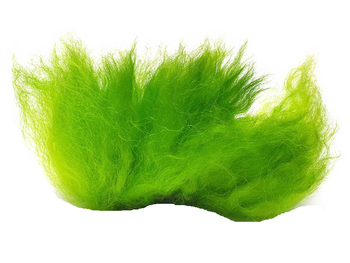
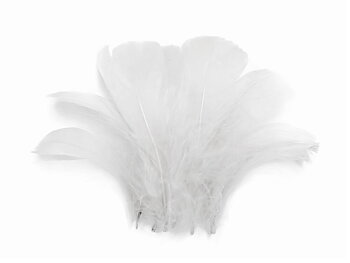
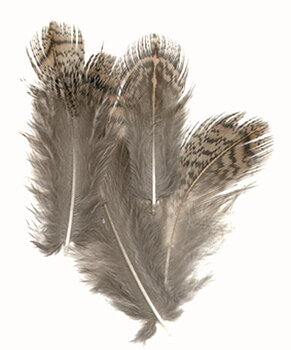
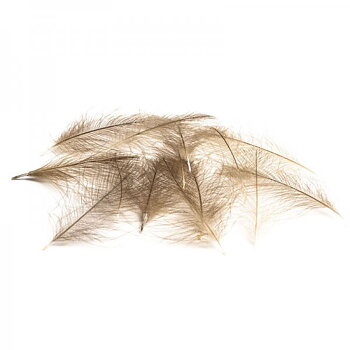
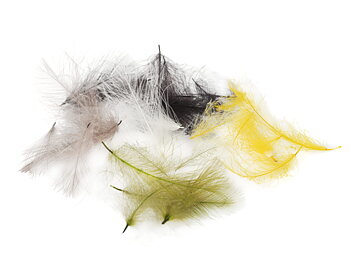
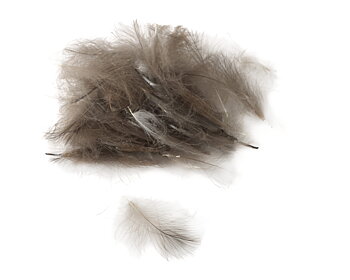
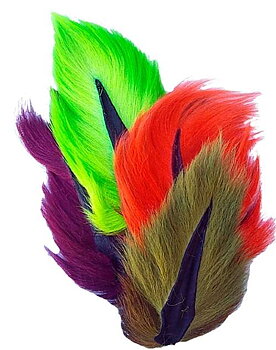
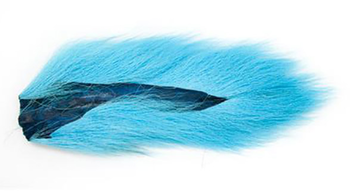
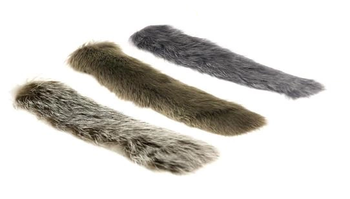
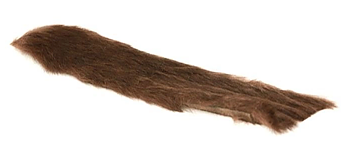


In this category, we’ve gathered natural materials intended for fly tying. Natural materials include, for example, bird feathers or deer hair, among others. Most of our fly-tying materials come from Fly Dressing, which we believe produces high-quality and affordable materials.
Natural Materials for Fly Tying – Feathers, Hair, and Natural Materials for Making Your Own Fishing Flies
Are you looking for natural materials for fly tying and want to create your own fishing flies with natural movement, fine details, and classic fly patterns? With the right feathers, hair, fur, and other natural materials, you can tie flies tailored to Swedish fish species, various aquatic environments, and your personal fishing techniques. Natural materials have long been an important part of fly tying and are valued for their varied textures, natural color tones, and behavior in the water. Whether you’re tying dry flies for trout and grayling, nymphs for rainbow trout and char, or streamers for pike, perch, and sea trout, there are natural materials that will help you create flies with a unique character.
Discover natural materials for fly tying, from hackle feathers and marabou to deer hair, roe deer hair, rabbit fur, squirrel hair, and other materials used in classic and modern fly patterns. With the right materials, you can vary the silhouette, floatation, volume, and action of your flies and develop your own variations on well-known fishing flies. Whether you’re a beginner or an experienced fly tier, you’ll find opportunities to create personalized fly patterns for your fishing.
Feathers for Fly Tying—Classic Natural Materials with Many Uses
Feathers are among the most prized natural materials in fly tying. They can be used to create wings, hackles, tails, bodies, and other details on many different fly patterns. Depending on the type of feather, fiber structure, and softness, you can influence how the fly looks and behaves in the water.
Feathers are used, among other things, for dry flies, nymphs, wet flies, salmon flies, and streamers. Different types are suited for different purposes, which makes it important to choose materials based on the fly you want to tie. With a good selection of feathers in various colors and sizes, you can create everything from subtle imitations to colorful attractor flies.
Hackle Feathers – for dry flies, wet flies, and nymphs
Hackle is an essential part of many classic fly patterns. The feathers are wound around the hook to create fibers that can mimic legs and other details or contribute to the fly’s floating properties. The right hackle can make a big difference in how the fly is presented on or below the water’s surface.
When tying dry flies, hackle is often used to help the fly lie stably on the surface. For wet flies and nymphs, softer feathers can provide a more supple appearance and lively movement. The choice of hackle depends on hook size, fly type, and desired function.
Marabou – Soft Feathers with Lively Movement
Marabou is a popular natural material used to create flies with soft, pulsating movements. The supple fibers move easily through the water and are therefore ideal for streamers, wet flies, and other patterns where movement is a key feature.
Marabou is used, among other things, in flies for rainbow trout, brown trout, perch, and pike. The material comes in many colors and can be used for both small and large flies. By combining marabou with, for example, flash material, dubbing, or other feathers, you can create flies with varying volume and appearance.
Deer Hair and Roe Deer Hair – for Floating Flies and Full-Bodied Profiles
Deer hair and roe deer hair are highly valued natural materials in fly tying, primarily because the hairs float well and can be used to create volume. They are found in many classic fly patterns, such as hair-wing flies, dry flies, and various types of attractor flies.
Roe deer hair is often used for flies where the hair is spun or packed tightly to create a full-bodied fly. Deer hair can be used for wings, bodies, and other details depending on the hair’s properties. These materials are particularly useful when tying flies that need to be highly visible or float high on the water’s surface.
For those who fish for trout, grayling, and rainbow trout, deer and roe deer hair can open up many possibilities for creating your own dry flies. The material is also used in certain streamer and predator flies.
Rabbit Fur – A Natural Material for Streamers and Larger Flies
Rabbit fur is a popular material for fly tiers who want to create soft, full-bodied, and mobile flies. The fur can be used in whole strips, as dubbing, or in other forms depending on how the fly is constructed.
Rabbit fur is particularly well-suited for streamers and other fly patterns designed to imitate small fish or other prey. The material can create a lifelike profile in the water and is therefore used for flies targeting, for example, trout, perch, pike, and sea trout. By choosing different colors and combining the fur with other materials, you can create flies for a wide variety of fishing situations.
Squirrel hair and other hair materials—details and wings for classic flies
Squirrel hair and other natural hair materials are used in many traditional fly patterns, including for wings, tails, and bodies. The hairs can provide a slender profile and specific color nuances that are well-suited for classic salmon flies, wet flies, and streamers.
Different hair materials vary in length, stiffness, softness, and color. Therefore, it’s best to choose materials based on the fly’s construction and how you want it to move. For fly tiers who want to experiment with traditional patterns or develop their own variations, natural hair can be a valuable addition to their material collection.
Natural Dubbing—Creating Textured Bodies
Natural dubbing is used to build bodies on dry flies, nymphs, wet flies, and other fly patterns. The material can consist of various types of fur or fibers that are twisted around the tying thread to create a body with the desired texture and color.
Dubbing can be fine and compact or coarser and more shaggy, depending on the material. This allows you to customize the fly’s appearance to match insects and other food sources found in your fishing waters. Natural color tones are popular for subtle imitations, while blends of different fibers can create more striking patterns.
Natural dubbing is particularly well-suited for fly tying for trout, grayling, char, and rainbow trout. By combining dubbing with hackle, ribbing, and other components, you can create detailed flies with varying characteristics.
Natural Materials for Dry Flies—Create Flies with Natural Floatation
Dry flies place special demands on the weight of the materials and their ability to keep the fly afloat. Certain natural materials can contribute to buoyancy and give the fly a natural silhouette on the water’s surface.
Feathers, suitable hackle, and selected hair materials are used in many classic dry fly patterns. By adjusting the amount of material and choosing the right hook size, you can create flies suitable for both small streams and larger flowing waters.
For those who fish for brown trout, grayling, or rainbow trout, natural materials are a great option when you want to tie your own dry flies with a classic look. Keep in mind that floatability depends on the fly’s overall construction and that certain natural materials need to be treated with a suitable fly impregnation.
Natural Materials for Nymphs and Wet Flies
Nymphs and wet flies are fished below the water’s surface and can be tied using a variety of natural materials. Softer feathers, natural dubbing, and hair materials can create details that mimic insects at various stages of development or other small prey.
When tying nymphs, you can vary the color and texture of the materials to mimic the natural food sources in your fishing waters. For wet flies, soft hackle feathers and pliable fibers can create a lifelike impression as the fly moves through the water.
These materials are particularly well-suited for fly fishing for brown trout, grayling, char, and rainbow trout. By tying several variations of the same pattern, you can adapt your fly selection to water conditions, the season, and fish activity.
Natural Materials for Streamers, Salmon Flies, and Predator Flies
Natural materials are also used in many larger fly patterns. With hair, fur, and feathers, you can create streamers with varying profiles, volume, and movement. For salmon flies, various feathers and hair materials are used in both classic and modern designs.
For pike flies, natural materials can be combined with synthetic fibers to create larger patterns, but synthetic materials are often practical when you need large flies with low water absorption. The choice depends on the profile, action, and weight you want to achieve.
Natural materials are also suitable for certain fly patterns targeting perch, sea trout, and other predatory fish. With the right combination of materials, you can develop flies that work for both traditional fly fishing and modern predator-focused techniques.
How to Choose the Right Natural Materials for Fly Tying
When buying natural materials for fly tying, it’s a good idea to start by considering which flies you want to tie and which fish species you primarily target. The properties of the materials affect both the tying process and how the finished fly performs in the water.
- For dry flies: choose suitable hackle feathers, fine fibers, and hair materials that help the fly float.
- For nymphs: opt for natural dubbing, soft feathers, and materials that provide the right texture.
- For wet flies: choose flexible feathers and hair that create movement beneath the surface.
- For streamers: use marabou, rabbit fur, and other materials that add volume and life.
- For salmon flies: choose hair and feathers that suit your desired patterns.
- For pike flies: combine natural materials with suitable synthetic fibers when you want to create larger profiles.
- For classic fly tying: build up a selection of traditional feathers, hair materials, and natural dubbing.
Always check the quality, length, and texture of the materials before selecting them for a specific fly pattern. Also keep in mind that natural materials can vary in color and characteristics between different batches, which is part of their charm.
Natural or synthetic materials—which should you choose?
Natural and synthetic fly-tying materials each have their own advantages. Natural materials are valued for their varied textures, natural color variations, and classic applications. Synthetic materials often offer greater uniformity among the fibers, a wide range of color options, and the ability to create large flies with relatively low water absorption.
For many fly tiers, a combination of both options is the best choice. Natural materials can give the fly character and life, while synthetic fibers can add shine, durability, or extra volume. By experimenting with different combinations, you can find materials that suit your tying style and your favorite fish.
Buy natural fly-tying materials online
Whether you’re looking for hackle feathers for dry flies, marabou for streamers, deer hair for classic patterns, rabbit fur for larger flies, or natural dubbing for nymphs, there are materials available for a variety of needs and skill levels. With the right natural materials, you’ll have greater freedom to develop your own patterns and tailor your fishing flies to Swedish waters and fish species.
Explore our selection of natural materials for fly tying and find feathers, hair, fur, and other natural components for your next fly-tying projects. Whether you’re tying your first flies or working on advanced patterns, the right materials can help you create personalized fishing flies with the right shape, color, and action.
Find your new natural materials for fly tying and create your own fishing flies with a natural look—ready for exciting fishing adventures targeting Sweden’s popular game fish!