
AUTUMN FISHING
- SHOP WITH CONFIDENCE
- Delivery Immediate delivery
- CUSTOMER SERVICE by anglers
- EASY RETURNS 30-day return policy
- PAY SECURELY with Klarna
Hook, Weighting and Pickling


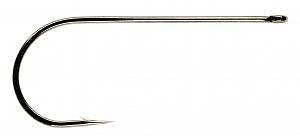


In this category, we’ve gathered hooks, weights, and small accessories intended for fly tying. Most of our fly-tying materials come from Fly Dressing, which we believe produces high-quality and affordable materials.
Hooks, weights, and small accessories for fly tying—everything you need for your own fishing flies
Are you looking for fly hooks, weighting materials, and small accessories to tie effective fishing flies? With the right components, you can create flies tailored to Swedish fish species, various aquatic environments, and your personal fishing techniques. Whether you’re tying dry flies for trout and grayling, nymphs for rainbow trout and char, streamers for perch and pike, or coastal flies for sea trout, the choice of hook, weight, and small details are crucial to the fly’s appearance and behavior in the water.
In our selection of hooks, weights, and small fly-tying supplies, you’ll find components for both beginners and experienced fly tiers. Discover fly hooks in various sizes and styles, brass beads, tungsten beads, lead-free weights, eyes, ribbing, tying thread, and other small accessories that help you create durable and well-balanced fly patterns. With the right fly-tying components, you’ll have greater freedom to tailor each fly to the fishing depth, current conditions, and target fish.
Fly Hooks—The Foundation of Every Fly
The fly hook is one of the most important components in fly tying. It affects the fly’s shape, size, balance, and ability to hook and hold the fish. There are fly hooks for a wide variety of fly patterns, from small dry flies to large streamers and heavy-duty pike flies.
When choosing a hook, it’s important to consider the type of fly you’re tying, the species of fish you’re targeting, and how the fly will be presented. A thinner hook may be suitable for light dry flies, while a sturdier hook may be needed for larger streamers and flies designed for stronger fish.
- Dry fly hooks: for light flies designed to float on the water’s surface.
- Nymph hooks: for flies that imitate insects below the water’s surface.
- Streamer hooks: for flies that mimic small fish and other prey.
- Pike fly hooks: sturdier models for larger flies and predator fishing.
- Coastal flyhooks: for coastal flies targeting sea trout and other suitable fishing methods.
- Salmon fly hooks: for various types of salmon flies and specialized fly fishing.
- Tube fly hooks and tube systems: for those who tie flies on tubes and tailor their hook selection to the fishing method.
With a varied selection of fly hooks, you can build up a complete supply of materials and be ready to tie flies for many different fishing situations.
Weights for fly tying—get the fly to the right depth
Weights are used when you want to control how quickly the fly sinks and at what depth it is fished. This is especially important when fishing with nymphs and streamers, where the fly sometimes needs to reach the fish’s feeding zone. With the right weight, you can adjust the fly’s presentation based on water depth, current strength, and fish activity.
There are several types of weights for fly tying, ranging from small beads to various forms of weight wire and custom-made weights. By combining different materials, you can control both the fly’s sink rate and balance.
- Tungsten beads: provide a lot of weight relative to their size and are ideal when the fly needs to sink quickly into deeper or fast-moving water.
- Brass beads: a popular choice for nymphs and other fly patterns where moderate weight is desired.
- Weighting thread: used to add weight along the hook shank and create the desired balance.
- Lead-free weighting materials: options for fly tiers who want to avoid lead.
- Conical heads and weighted components: can contribute both weight and a specific profile to the fly.
Choose the weight based on hook size and fly pattern. Too much weight can alter the fly’s action and presentation, while too little weight can make it difficult to reach the desired depth.
Tungsten beads and brass beads—small components with a big impact
Beads are among the most commonly used accessories in modern fly tying. They can add extra weight to the fly, create a distinct head shape, and provide color or reflections that make the pattern more prominent.
Tungsten beads are particularly useful when tying compact, fast-sinking nymphs. Brass beads offer a different weight profile and can be a good choice when you want a lighter weight. Both types come in various sizes and colors, allowing you to customize them to match the hook, fly pattern, and fishing method.
By choosing the right bead size, you can achieve a better fit on the hook and create a fly with balanced proportions. Beads in colors such as gold, silver, copper, and others also allow you to vary the appearance of your own nymphs and streamers.
Eyes for Fly Tying – Create Realistic Streamers and Predator Flies
Eyes are a popular component when tying flies designed to mimic small fish and other prey. They’re primarily used on streamers, pike flies, and coastal flies, where details and profile can be crucial aspects of the fly’s appearance.
There are several types of fly-tying eyes, including chain eyes, dumbbell eyes, realistic eyes, and various synthetic varieties. Heavier eyes can help give the fly a specific action or make it sink in a certain way, while lighter models are primarily used to create appearance and detail.
- Dumbbell eyes: provide both weight and a distinct profile, especially on streamers.
- Chain eyes: an option for lighter flies that offer extra movement and a distinct eye detail.
- Realistic eyes: for fly patterns where a lifelike appearance is desired.
- Self-adhesive eyes: practical for many types of streamers and predator flies.
Choose eyes based on the fly’s size, the hook’s design, and how you want the fly to move in the water.
Fly-tying accessories—the details that make a difference
Small accessories can make a big difference when you want to create flies with the right look, durability, and function. With the right small accessories, it becomes easier to build up the fly’s body, reinforce materials, and create details suited to different fly patterns.
Depending on the flies you’re tying, you may need ribbing, tying thread, dubbing material, glue, varnish, small rings, and other components. These accessories help you fine-tune the flies’ appearance and tailor them to your fishing techniques.
- Ribbing material: used to segment fly bodies and reinforce certain structures.
- Tying thread: holds the fly’s materials together and comes in various colors and sizes.
- Glue and fly-tying varnish: help secure ties and finishes.
- UV glue and UV resin: used to create durable surfaces, heads, and details on certain fly patterns.
- Small rings and connecting components: used in select fly constructions and rigs.
- Synthetic fibers and flash: add shine, movement, and visual details.
- Hooks and replacement parts: allow you to continue tying your favorite patterns without interruption.
By keeping a good selection of small accessories close at hand, you can work more efficiently at the fly-tying station and easily try out new variations of well-known fly patterns.
Hooks and weights for nymphs—when the fly needs to reach the fish
When nymph fishing, the right combination of hook and weight is especially important. Nymphs often need to be fished below the surface, sometimes near the bottom or in flowing water where the current affects how quickly the fly sinks. With the right hook size, bead, and weighting material, you can create nymphs suited for different depths and water speeds.
Weighted nymphs are used, among other things, when fishing for brown trout, grayling, char, and rainbow trout. Tungsten beads are a popular choice when you need a fast sink rate, while lighter constructions are better suited when a more subtle presentation is called for.
Adjust the weight to suit the fishing conditions and choose hooks that provide enough space for the fly’s materials. A well-balanced nymph is easier to adapt to the technique you’re using.
Hooks and Small Components for Streamers and Pike Flies
When tying streamers and pike flies, you often need stronger hooks and components that can handle larger fly patterns. Large flies can be built with synthetic fibers, hair materials, marabou, flash, and other materials that create volume and movement.
For these flies, it’s important to choose a hook based on the fly’s size and the fish you’re targeting. Eyes and weighted components can affect how the fly sinks and moves, while the right tying thread and reinforcement help hold the construction together.
Whether you’re tying smaller streamers for bass and trout or larger pike flies, the right hooks and small accessories can make it easier to create flies that are suited to your favorite waters.
Fly Tying for Swedish Fish Species—Choose the Right Components
With the right hooks, weights, and small accessories, you can tie flies for many of Sweden’s popular game fish.
- Perch: smaller streamers and other fly patterns with suitable hooks and moving materials.
- Pike: sturdier hooks, larger eyes, and materials for large predator flies.
- Brown trout: dry fly hooks, nymph hooks, and streamer components for varied fishing.
- Grayling: small hooks and lighter components for dry flies and nymphs.
- Rainbow trout: nymph hooks, beads, and materials for dry flies and streamers.
- Char: small and medium-sized hooks, as well as weights for nymphs and other flies.
- Sea trout: coastal fly hooks, eyes, and synthetic materials for flies that mimic prey fish.
- Salmon: hooks and tube fly accessories tailored to fly patterns and fishing methods.
Which components work best depends on the fly pattern, the aquatic environment, and how you want to present the fly.
How to Choose the Right Hooks, Weights, and Small Accessories
When buying fly-tying components, it’s a good idea to start by considering which flies you want to tie and which fish species you primarily target. That way, you can choose the right sizes, materials, and weights without having to buy unnecessary accessories.
- Choose the right hook size: match the hook to the proportions of the fly pattern and the target fish.
- Choose the right weight: select tungsten, brass, or lead-free alternatives based on your desired sink rate.
- Check the bead size: the bead should match the hook’s dimensions and the fly’s design.
- Choose eyes based on the fly type: use components that match the fly’s size, weight, and desired action.
- Opt for durable materials: choose tying thread, glue, and reinforcements that suit the construction.
- Build a basic collection: Start with common hook sizes, beads, and accessories for the flies you tie most often.
- Add to yourcollection as needed: include specialty components when you want to try new patterns or fishing techniques.
A well-thought-out selection of small components makes fly tying smoother and gives you greater freedom to develop your own flies.
Buy hooks, weights, and small fly-tying supplies online
Whether you’re looking for fly hooks for dry flies and nymphs, tungsten beads for effective weighting, eyes for predator flies, or small accessories to fine-tune your fly patterns, there are components for various needs and experience levels. With the right materials, you’ll have greater control over the design of your flies and can tailor them to your favorite fish and fishing conditions.
Explore our selection of hooks, weights, and small fly-tying accessories, and find everything you need to create your own dry flies, nymphs, streamers, coastal flies, and salmon flies. Whether you’re a beginner or an experienced fly tier, the right components will help you develop your technique and create more personalized fishing flies.
Find your new fly hooks, beads, weighting materials, and small accessories—and create fishing flies tailored to your target fish, your favorite waters, and your own tying style!