
AUTUMN FISHING
- SHOP WITH CONFIDENCE
- Delivery Immediate delivery
- CUSTOMER SERVICE by anglers
- EASY RETURNS 30-day return policy
- PAY SECURELY with Klarna
Sinkers & Weights




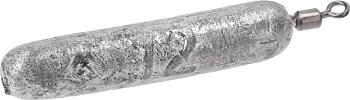
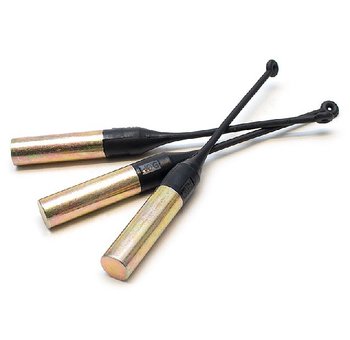
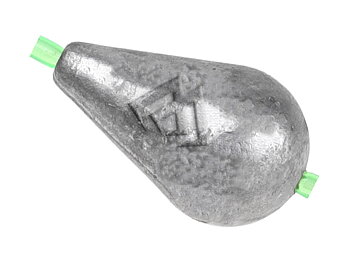

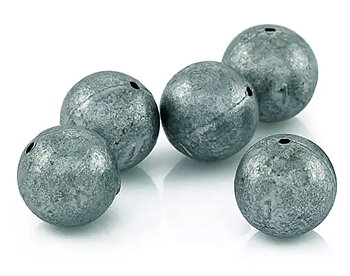







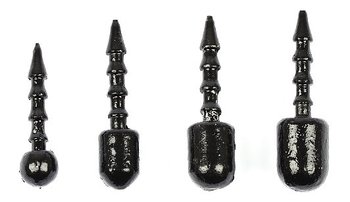
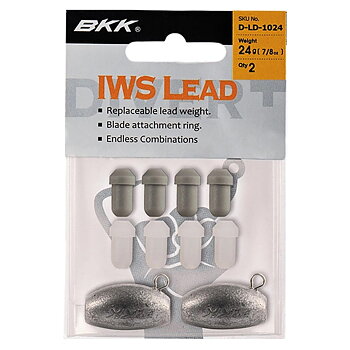
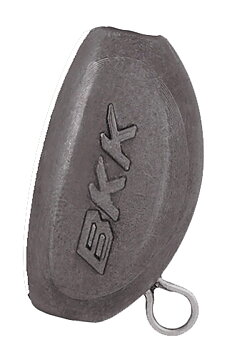
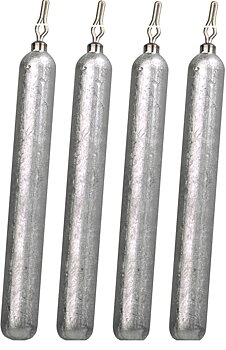


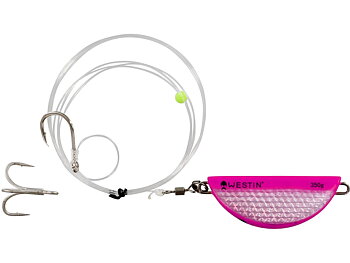
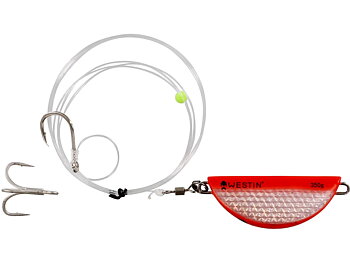
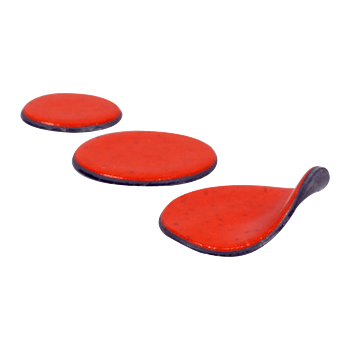



Fishing Sinkers – Find the Right Weight for Every Fishing Method
Are you looking for a sinker that suits your fishing method, your lures, and the waters you fish in? The right sinker helps you control the depth, keep the lure in the right spot, and adjust your presentation to account for current, wind, and bottom conditions. Whether you’re fishing for perch with a drop shot rig, bottom fishing for carp and bream, fishing for pike with various predator rigs, or heading out for saltwater fishing, there are sinkers to suit a wide range of needs.
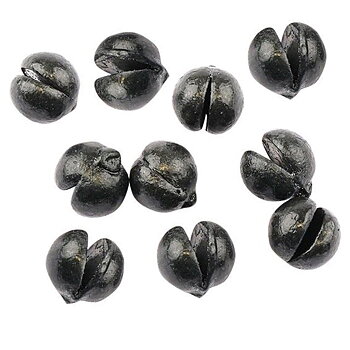
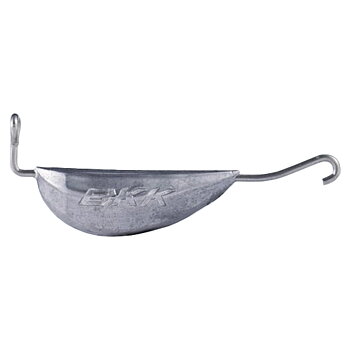
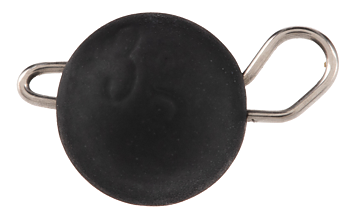
Sinkers come in a variety of shapes, weights, and materials. Pear-shaped sinkers, ball sinkers, sliding sinkers, drop-shot weights, feeder sinkers, and heavier saltwater sinkers all have their specific uses. Your choice affects, among other things, casting distance, bottom contact, presentation, and how easily you can keep your rig in place.
To choose the right sinker, you need to consider which species you’re targeting, how you fish, what bait you’re using, and the conditions at the water’s edge. With the right weight and shape, it becomes easier to adapt your gear to everything from delicate fishing in small lakes to heavy fishing in flowing water and out at sea.
Pear-shaped sinkers—a versatile choice for angling and bottom fishing
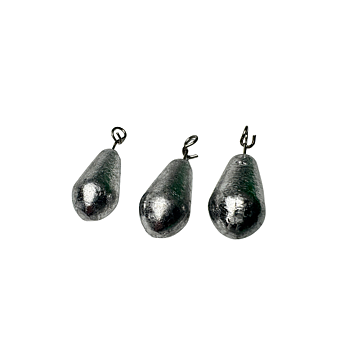
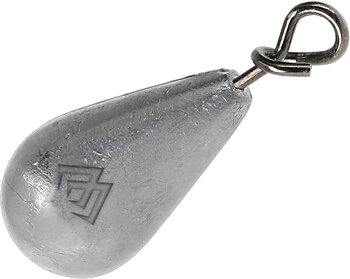
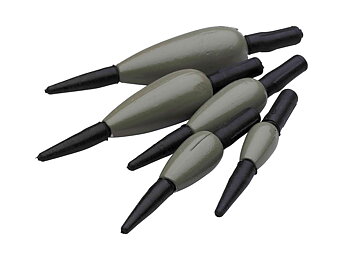
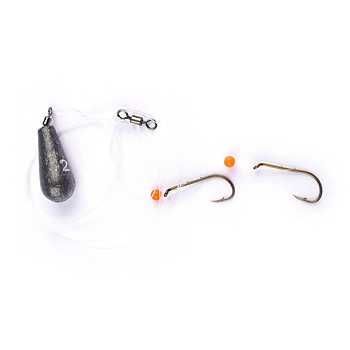
Pear-shaped sinkers are a common type of sinker used in many forms of float fishing and bottom fishing. Their shape provides a compact weight that suits various rig configurations and works well when you need to cast the bait and keep it close to the bottom.
When fishing for carp, tench, bream, and roach, the pear-shaped sinker can be used in various bottom-fishing rigs. They come in several weights and designs, making it possible to adapt the rig to casting distance, current, and bottom conditions.
Pear-shaped sinkers can also be used in predator fishing and other methods where you need a separate weight to get the bait to the right depth or position.
Choose a weight that’s sufficient to keep the rig in place without making it unnecessarily heavy. When fishing on soft bottoms, the shape of the sinker can also affect how far it sinks into the sediment.
Sliding sinkers – for sensitive angling and specimen fishing
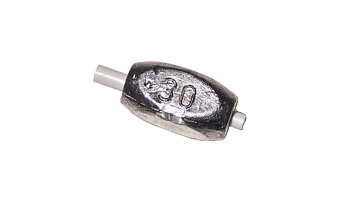
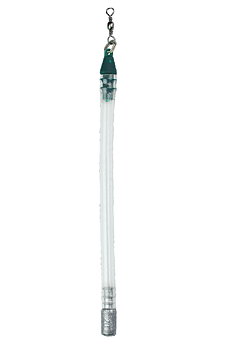
Sliding sinkers are used in rigs where the line can run through or along the sinker. This design allows the fish, in many rigs, to take the bait without immediately having to move the entire weight of the sinker, which can be an advantage in certain types of angling.
Sliding sinkers are used, for example, in bottom fishing for carp, tench, bream, and other species. They come in various shapes, such as spheres, pear-shaped, and more streamlined models.
Which variant works best depends on the tackle’s design, the casting distance, and how much resistance you want the fish to feel when it takes the bait.
When choosing a sliding sinker, you should also check that the line runs freely and that the hole or line guide doesn’t damage the line. A well-adjusted rig helps ensure an effective and reliable presentation.
Dropshot Weights – Precision for Perch Fishing and Finesse
Dropshot weights are used in dropshot fishing, a popular method for catching perch and zander, among other species. The weight is placed at the bottom of the rig, while the hook and bait are positioned above it. This allows you to present the bait just above the bottom and control its movement with small rod movements.
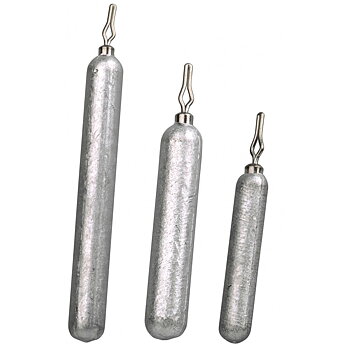
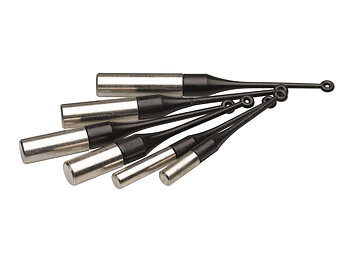
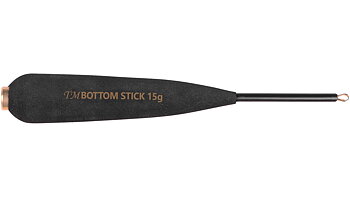
Dropshot weights come in several shapes, such as cylindrical, oblong, and pear-shaped models. Some feature a special line attachment that makes it easy to adjust the distance between the sinker and the hook.
Oblong weights can be useful when fishing near vegetation or among rocks, while other shapes are better suited for more open bottoms. Which weight to choose depends on depth, current, wind, and how much bottom contact you need.
When fishing with UL, XUL, and BFS setups, it’s important to choose weights that match the rod’s casting weight and the rest of your gear. Weights that are too heavy can affect bait presentation, while weights that are too light can make it difficult to feel the bottom.
Round sinkers and small sinkers – for traditional angling
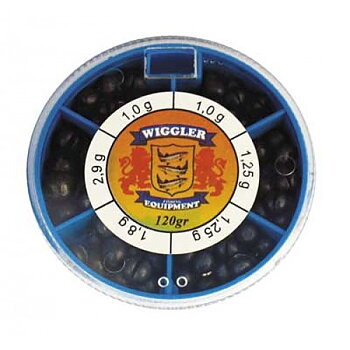
Round sinkers and other small sinkers are primarily used in traditional float fishing and float fishing. They help you balance the float, get the bait down to the right depth, and adjust how the rig behaves in the water.
When fishing for roach, bream, rudd, tench, and other species, it’s often important to balance the float carefully. Smaller sinkers can be distributed along the line to control how the bait sinks and how the float reacts to gentle bites.
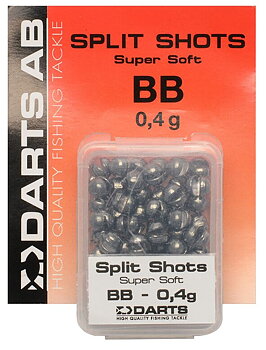
Different sizes make it easy to fine-tune the rig according to the float’s buoyancy and fishing conditions. For sensitive fishing, an even distribution of smaller weights may be more suitable than a single large sinker.
Use sinkers that match the line’s diameter and attach them carefully so as not to damage the line. Also check the materials used in the products and opt for lead-free alternatives whenever possible.
Feeder and method feeder sinkers – for effective bottom fishing
Feeder weights and method feeders are used in fishing where you want to present bait along with groundbait, pellets, or other feed. Their design allows you to place a small amount of feed near the hook and fish in a specific spot.
When feeder fishing for bream, roach, tench, and rudd, different types of feeders can be used depending on the current, casting distance, and feed mixture. Open feeders, for example, are suitable for many groundbait mixtures, while models with different designs may be tailored for pellets or other baits.
Method feeders are particularly associated with carp fishing and other bottom fishing techniques where the bait is placed near a compact amount of bait. They come in various weights and shapes to suit different casting distances and bottom conditions.
Choose a weight that provides sufficient casting distance and keeps the rig in place. At the same time, make sure the total casting weight is within the rod’s recommended range.
Bomb Sinkers – for casting and near-bottom presentation
Bomb sinkers are often compact and aerodynamic, making them useful when you want to cast far and achieve a stable presentation. They are used in several types of angling, especially when casting distance and a controlled bottom presentation are important.
When fishing for carp, bream, and other whitefish, bomb sinkers can be used in various bottom fishing rigs. They come in a range of weights and can be designed to work with different rigs.
Their compact shape can contribute to good casting performance, but how well the sinker holds on the bottom also depends on its weight, the bottom structure, and current conditions.
Choose a model that suits both your casting distance and the rig’s design. If you’re fishing on a soft bottom, it may be worth trying different shapes to find a solution that works with your bait.
Sinkers for Carp Fishing – Control and Stability
In carp fishing, sinkers are used that are adapted for different rigs, casting distances, and bottom conditions. The right weight can help you place the rig exactly where you want it and keep it stable as the carp moves around the area.
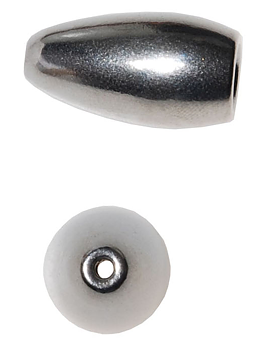
Common shapes include pear-shaped sinkers, inline sinkers, and models with a more aerodynamic design. Inline sinkers have the line running through the sinker itself and are used in certain carp rigs where the design is adapted for this type of setup.
For long casts, a streamlined model can be a good choice, while other shapes may be better suited when fishing at shorter distances or when you need stability on the bottom.
Bottom conditions play a major role. On a hard bottom, a compact weight may work well, while a soft, deep bottom may require a different shape and weight to present the rig as desired.
Sinkers for Predator Fishing—Pike, Zander, and Perch
In predator fishing, sinkers are used to control the depth of the bait, maintain contact with the bottom, or adapt different rigs to the fishing method.
When fishing for perch, drop-shot weights, sinkers, and other small weights can be used to present the bait close to the bottom. When jigging for zander, different weights can help you control the bait’s sink rate and maintain contact with the bottom in deeper water.
When fishing for pike, sinkers are used in certain bottom-fishing rigs and specialized tackle. In these cases, the weight must be adjusted according to the size of the bait, the rig’s design, and the fishing depth.
For UL, XUL, and BFS fishing, it’s especially important to choose weights that match the casting weight of your gear and the technique you’re using. Small differences in weight can affect both casting distance and how the lure moves through the water.
Sinkers for flowing water—fish effectively in streams and rivers
When fishing in flowing water, the sinker often needs to be heavy enough to keep the bait in the right spot. The current’s speed, depth, and bottom structure influence which shape and weight work best.
When fishing for roach, bream, and other species in streams and rivers, different sinkers are used depending on whether you want to fish in a stationary position, let the rig drift, or keep the bait close to the bottom.
Some shapes rest more steadily on the bottom, while others roll more easily or are carried along by the current. This can be an advantage or a disadvantage depending on how you want to present the bait.
Start with a weight that provides sufficient control and adjust as needed. If the sinker drifts too much, you may need a heavier model or a shape that holds better on the specific bottom.
Sinkers for saltwater fishing—when depth and current pose challenges
In saltwater fishing, heavier sinkers are often used to get the rig down to the right depth and maintain control despite currents and wave action. The weights can vary significantly depending on the fishing depth, the boat’s drift, and the species you’re targeting.
When bottom fishing for cod and pollock, for example, sinkers of various shapes are used to suit the tackle’s design and the conditions at sea. Some models are designed to provide good bottom contact, while others prioritize a stable presentation or easy handling.
It’s important to choose a sinker that matches the capacity of your rod and line. Equipment that’s too heavy can make fishing unnecessarily strenuous, while sinkers that are too light can drift away and compromise contact with the bottom.
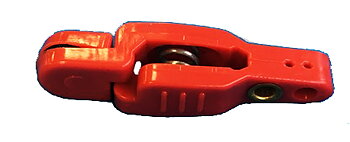
Also check that the swivel, bait clip, and other components can withstand the load of the complete rig.
Ice Fishing Sinkers and Jig Weights—For Winter Fishing
In ice fishing and other forms of winter fishing, smaller weights are used to control the bait’s depth and movement under the ice. The choice of weight depends on whether you’re fishing with a mormyska, a balanced jig, natural bait, or other lures.
When fishing for perch, char, and trout, small weights can help you control the presentation and maintain contact with the bait. In lighter ice fishing, the feel of the rod and the ability to detect subtle bites are often crucial.
Choose a weight that suits the bait and the depth at which you’re fishing. If you’re using a mormyska or another bait where the weight of the bait itself is crucial, an additional sinker can alter the presentation more than you might expect.
Lead-free sinkers—an option for more sustainable fishing
Sinkers are made from a variety of materials, including lead, tungsten, steel, and other metals. Lead-free alternatives can be a good choice for those who want to reduce the use of lead in their fishing gear.
Tungsten has a high density, making it possible to produce compact weights. This can be an advantage in, for example, drop-shot fishing and other methods where you want a small profile relative to the weight.
Steel and other lead-free materials can also be found in various types of sinkers. The density and design of the materials affect the size, feel, and how the product behaves on the bottom.
When choosing lead-free sinkers, you should compare weight, size, and intended use to find a model that suits your fishing method.
How to Choose the Right Sinker for Your Fishing
When choosing a sinker, it’s important to consider your fishing method, the bait, and the conditions at the water’s edge.
- Weight: Choose a weight that provides the right casting distance and control without exceeding the rod’s recommended casting weight.
- Shape: Different shapes affect casting performance, bottom contact, and how easily the sinker moves.
- Fishing Method: Drop shot weights are suitable for drop shot fishing, feeder weights are used for feeder fishing, and other shapes are suitable for bottom fishing or saltwater fishing, for example.
- Bottom Conditions: Adapt the sinker to sand, gravel, rocks, vegetation, or a soft bottom.
- Current and Depth: Strong currents and greater depths may require more weight to maintain control.
- Material: Compare lead, tungsten, steel, and other options based on size and intended use.
- Tackle: Make sure the sinker works well with the line, leader, and other components.
By keeping a variety of weights and shapes in your fishing bag, you can adapt your rig to changing conditions and gain better control over your presentation.
Find the right sinkers for your next fishing adventure
The right sinker can make a big difference in how you present your bait and control your tackle. Whether you’re fishing for perch with a drop shot, angling for carp and bream, fishing for grayling in flowing water, or heading out for saltwater fishing, there are sinkers to suit your needs.
Explore our selection of pear-shaped sinkers, sliding sinkers, ball sinkers, drop-shot weights, bomb sinkers, feeder sinkers, carp sinkers, and saltwater sinkers. Choose the right weight, shape, and material for your fishing method and get ready for your next fishing trip.
With the right sinkers in your gear, it’s easier to adjust your tackle, maintain contact with the bait, and fish effectively in a wider range of conditions.