
AUTUMN FISHING
- SHOP WITH CONFIDENCE
- Delivery Immediate delivery
- CUSTOMER SERVICE by anglers
- EASY RETURNS 30-day return policy
- PAY SECURELY with Klarna
Storage of bait fish

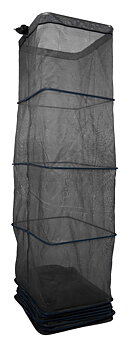
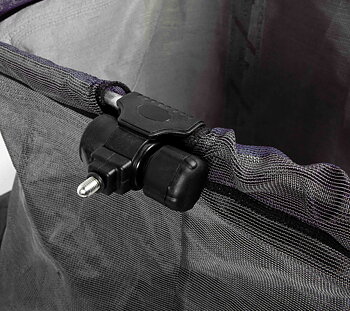
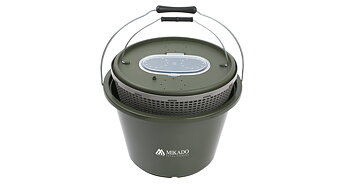
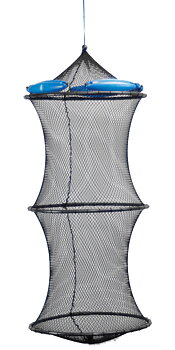
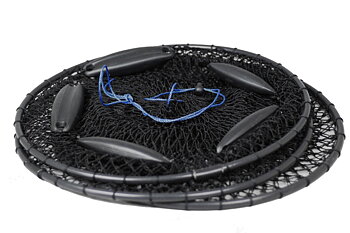
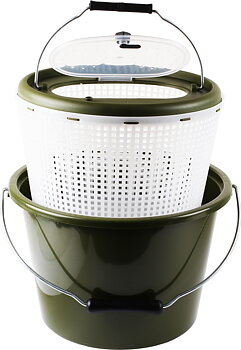
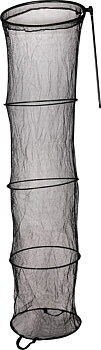
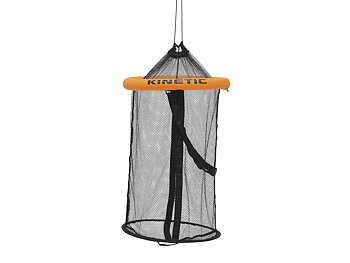
Storing Bait Fish – The Right Equipment for Successful Predator Fishing
Are you looking for practical storage solutions for live bait when predator fishing? With the right equipment, it becomes easier to transport, store, and handle live bait during your fishing trip. Whether you’re fishing for pike, zander, perch, catfish, or eel, it’s important to choose solutions that suit your fishing method and provide the best conditions for keeping your live bait in good condition.
Storing live bait involves several different types of equipment, from bait buckets and containers to landing nets, storage nets, and accessories for water circulation and aeration. The best solution depends, among other things, on how long the fish need to be stored, how they are transported, and whether you’re fishing from shore or a boat.
When fishing with live bait, it is important to consider water temperature, oxygen levels, space, and water quality. The right equipment can make handling easier, but it is also important to follow applicable regulations regarding fishing, transport, and the use of live bait in Swedish waters.
Bait buckets—practical storage while fishing
Bait buckets are a common option for collecting and transporting small quantities of live bait. They come in various sizes and designs and can be used, for example, in angling and predator fishing where the live bait needs to be kept together for a short period.
A suitable bucket should be easy to carry, fill, and clean. A lid can reduce the risk of fish jumping out of the container, while a handle makes it easier to transport the bucket between the storage area and the fishing spot.
When storing live baitfish, you also need to consider the water temperature, oxygen levels, and the number of fish in relation to the water volume. A standard bucket without aeration is not automatically suitable for long-term storage of live fish.
Therefore, check whether the bucket is designed for live baitfish and whether it can be used with an aeration pump or another solution that suits your needs.
Bait Fish Containers – for Organized Transport and Storage
Specialized bait fish containers can be a practical option when you need to transport bait fish to the fishing spot or keep them together during your fishing trip. They come in various shapes and sizes depending on their intended use.
Some models are compact and suitable for shorter trips, while larger containers can provide more space for water and fish. A sturdy construction and a secure lid make handling easier, especially when moving the container between a car, boat, and the shore.
When choosing a container, consider water volume, cleaning, ventilation, and the ability to control water temperature and oxygen levels. For longer-term storage of live fish, active aeration or water circulation may be necessary depending on the conditions.
Choose a container that is designed for this purpose and that allows you to handle the baitfish gently.
Aeration Pumps—Better Oxygen Supply for Bait Fish
Aeration pumps are used to introduce air into water and can be a useful accessory when storing live baitfish. They come in various sizes, ranging from battery-powered models for transport to more powerful options for larger containers.
A battery-powered aeration pump can be handy when fishing from shore or transporting baitfish to a lake or stream. It can help maintain oxygen levels, but its effectiveness depends on the pump’s capacity, the volume of water, the temperature, and the number of fish.
In warmer weather, it’s especially important to pay attention to water conditions, since warm water contains less dissolved oxygen than cold water. Aeration does not replace the need for an adequate water volume, good water quality, and regular monitoring.
Check the battery life, air hose, and air stone before use. Also, make sure the pump is designed for the intended application and is protected from water as recommended by the manufacturer.
Bait Fish Landing Nets – Gentle Handling of Bait Fish
A bait fish landing net can be helpful when you need to transfer fish between containers or handle smaller bait fish at the fishing site. A net with an appropriate mesh size makes it easier to catch the fish without unnecessary handling.
For smaller baitfish, it’s important that the mesh isn’t so large that the fish get caught or injured. A soft net and an appropriately sized landing net can help ensure gentler handling.
After use, the landing net should be cleaned and dried thoroughly. This helps keep the equipment in good condition and reduces the risk of unwanted material or organisms being carried between different bodies of water.
Also keep in mind that handling must comply with applicable regulations for baitfish and the fishing method you use.
Bait Fish Tanks and Storage Nets
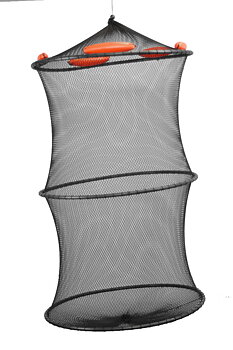
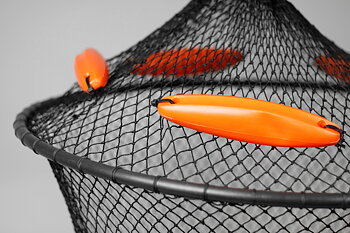
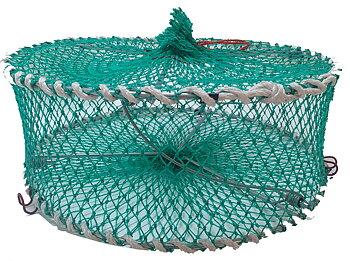
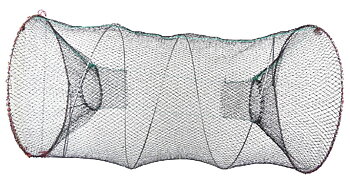
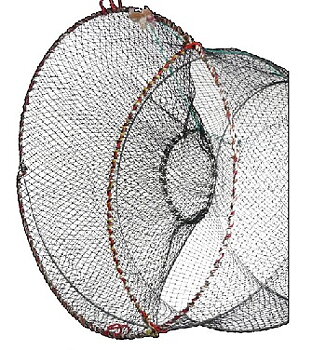
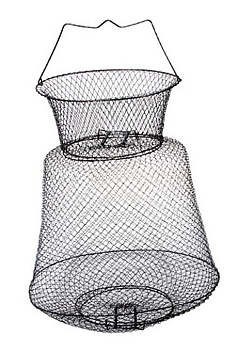
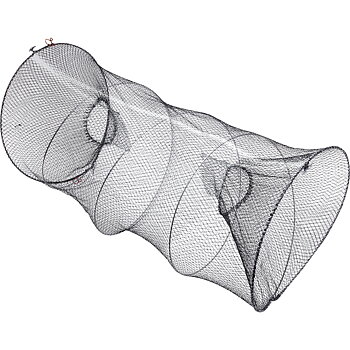
Livewells and storage nets are used in certain types of angling to keep fish in water for a limited time. The suitability of the equipment depends on the type of fish being stored, how long it is kept, and the regulations in effect at the location.
When fishing, it is important to distinguish between equipment used to temporarily hold caught fish and equipment intended for storing bait fish. Not all nets and holding tanks are suitable for every purpose.
If you use a livewell or a storage net, the design should provide sufficient space and allow for good water circulation. Also check the net’s material, mesh size, and how easy it is to clean.
Before using a livewell or net for live fish, you should verify that the method is permitted under the regulations governing the body of water and fishing.
Storing Bait Fish for Pike Fishing
When fishing for pike, live baitfish are used in certain methods, such as traditional angling with natural bait where permitted. Storage must be adapted to the size of the baitfish, the duration of the fishing trip, and whether you’re fishing from shore or a boat.
A container with sufficient water volume and the ability to aerate the water can be useful when live baitfish may be legally stored and used. For shorter transport distances, a smaller container may be easier to handle, while longer storage places greater demands on water quality and oxygen supply.
Plan your storage in advance and avoid packing too many fish into a small container. Monitor the temperature and ensure that your equipment is functioning properly throughout the entire transport.
Remember that the rules for live baitfish and the use of fish as bait may vary depending on the body of water and fishing method.
Storing Bait Fish for Zander and Perch Fishing
When fishing for zander and bass, smaller baitfish may be used as natural bait where permitted. Storage must then be adapted to the size of the fish and how they will be transported or used.
A compact live bait container with a secure closure can be practical for short-distance transport. If the fish are to be kept alive, you must also ensure suitable conditions for water quality, temperature, and oxygen supply.
If you’re fishing from a boat, it’s best to choose a container that stands securely and won’t tip over during transport. For shore fishing, a lighter model with carrying handles may be more practical.
Regardless of the species, you should check local fishing regulations and any restrictions on bait fish before you start fishing.
Storing Live Bait for Catfish and Eel Fishing
When fishing specifically for catfish or eel, the choice of bait and storage method may vary depending on the fishing technique and local regulations. If live bait is used, storage must be adapted to the bait’s size, transport time, and prevailing conditions.
Sturdy containers with secure lids can facilitate transport and handling. For live bait fish, it is important to monitor water quality, temperature, and oxygen levels and to avoid unnecessarily long storage periods.
Always check the regulations that apply to the species, the water, and the use of bait fish. Especially when fishing for species subject to specific conservation or fishing regulations, it’s important to find out what’s permitted before planning your fishing trip.
How to Choose the Right Storage for Bait Fish
When choosing equipment for storing bait fish, it’s a good idea to consider your fishing style and how long the fish need to be stored.
- Type of storage: Choose between a bait bucket, a specialized live bait container, an aeration system, or other equipment suitable for the purpose.
- Water volume: The container needs to have an appropriate volume relative to the size and number of fish.
- Oxygenation: When storing live fish, an aeration pump may be necessary, especially during longer transports or at higher water temperatures.
- Temperature: Avoid rapid temperature changes and monitor the conditions inside the container.
- Transport: Choose a stable and portable solution suitable for car, boat, or shore fishing.
- Cleaning: The equipment should be easy to clean and dry between uses.
- Handling: Choose solutions that minimize stress and the risk of injury to the fish.
- Regulations: Always check the regulations governing the transport, storage, and use of bait fish in the specific body of water.
Proper storage makes handling easier, but it’s always important to adapt your equipment to the fish’s needs and the regulations governing fishing.
Find the right equipment for storing bait fish
Whether you’re looking for a bait bucket for short-distance transport, a specialized container for bait fish, a battery-powered aeration pump, or practical handling accessories, there are several solutions to choose from.
Explore our selection of equipment for storing and handling bait fish, and compare size, design, and features to find what works best for your fishing needs.
With the right equipment, you can plan your transport more effectively, keep your gear organized, and create better conditions for the responsible handling of bait fish during your next fishing adventure!