
AUTUMN FISHING
- SHOP WITH CONFIDENCE
- Delivery Immediate delivery
- CUSTOMER SERVICE by anglers
- EASY RETURNS 30-day return policy
- PAY SECURELY with Klarna
Storage of small items


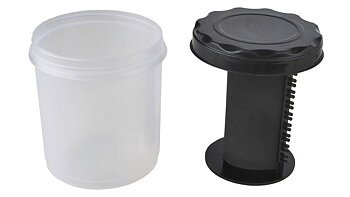

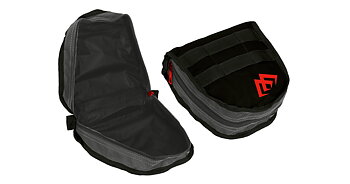
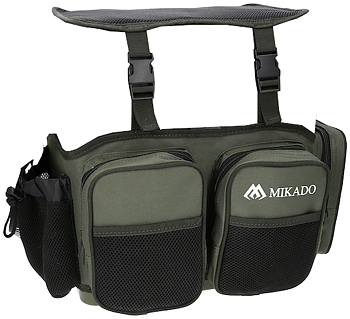
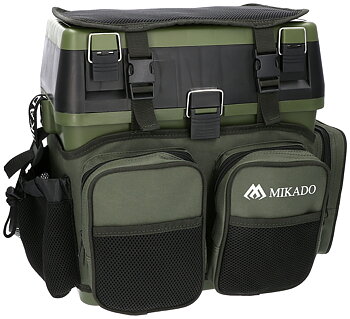


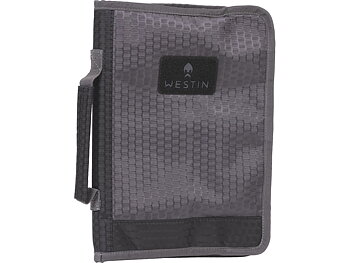
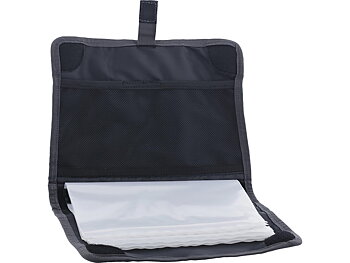
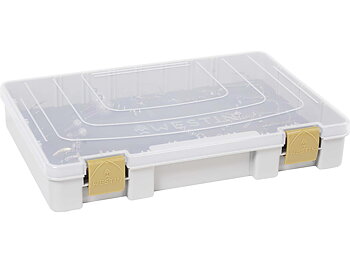
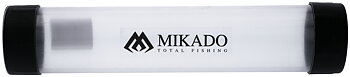
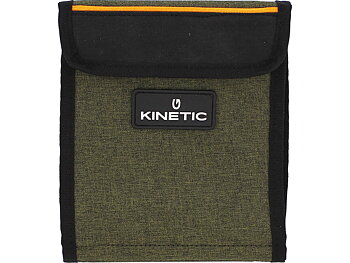
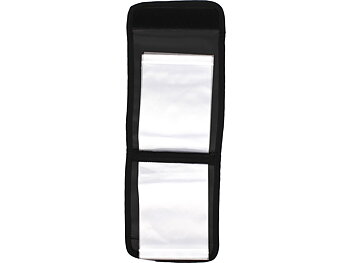
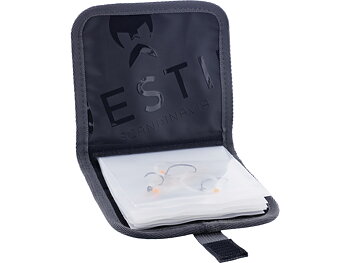
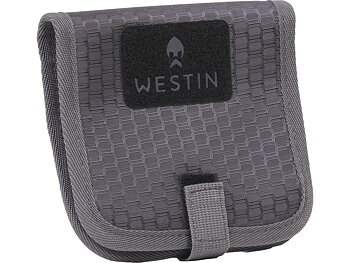


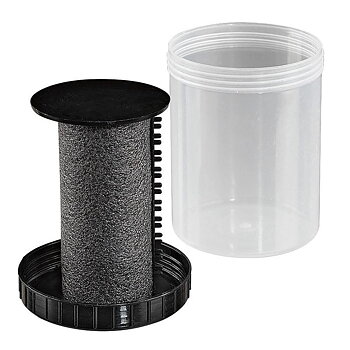
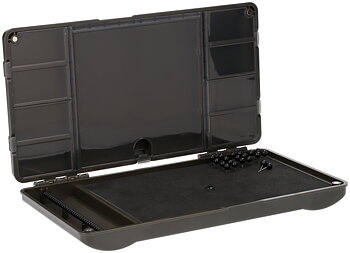
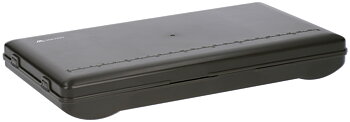


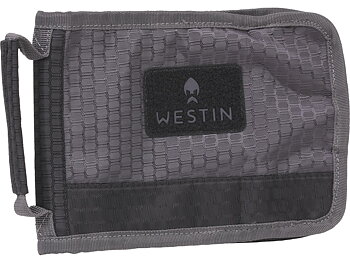
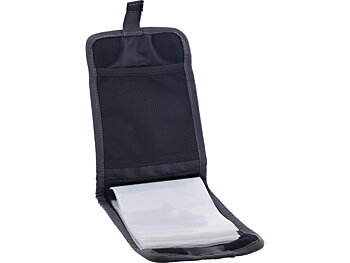

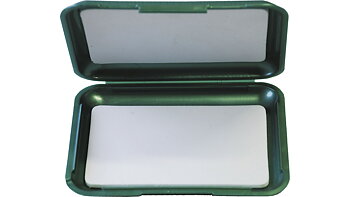


Storage for Small Fishing Gear – Keep Your Tackle and Accessories Organized
Are you looking for smart storage for small fishing gear? With the right storage solutions, it’s easier to organize hooks, bait clips, lures, sinkers, beads, tubing, leader material, wire clips, and other small accessories you’ll need during your fishing trip. When each component has its own place, it’s faster to find the right size and model, while also reducing the risk of tangles, spills, and lost parts.
Small fishing accessories are used in nearly all forms of sport fishing. For spin fishing, you might need to store jig heads, bait clips, and leader components, while coarse fishing and specimen fishing require organized storage of hooks, spawning tubes, rig components, and bait stops. Even in carp fishing, fly fishing, saltwater fishing, and UL, XUL, and BFS fishing, it’s practical to have a well-thought-out solution for all small parts.
There are many types of storage options to choose from, ranging from small boxes and compartmentalized accessory boxes to rig wallets, tackle bags, and smaller storage pouches. By combining different solutions, you can tailor your gear to your fishing method and easily keep things organized both at home and at the water’s edge.
Accessory Boxes – Organized Storage for Small Fishing Parts
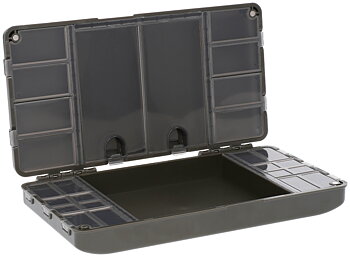
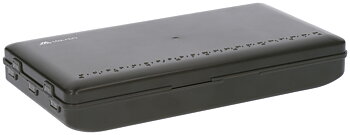
Accessory boxes are one of the most practical options for those who want to keep small fishing components organized. They come in many sizes and with different compartment layouts, making it easy to sort your gear by size, purpose, or fishing method.
A smaller box can be used for bait clips, spinners, beads, and small sinkers, while a larger model provides space for a wider range of hooks, leader components, and rigging accessories.
Fixed compartments are ideal when you want a specific spot for each component. Adjustable dividers offer greater flexibility when storing parts of different sizes. Lids that close securely help keep small parts in place during transport.
When choosing an accessory box, it’s a good idea to check the size of the compartments, the locking mechanism, and how easy it is to access the contents. For very small components, compartments with closely spaced dividers can be particularly useful.
Small Storage for Hooks, Bait Clips, and Leads
Hooks, bait clips, and sinkers are small but essential parts of many fishing rigs. Since they often come in various sizes and shapes, it can be difficult to keep them organized without a clear storage solution.
Small boxes with multiple compartments make it easier to separate single hooks, treble hooks, bait clips, sinkers, and other components. For example, you can sort them by hook size, the breaking strength of the bait clip, or the sinker’s intended use.
For predator fishing, it’s practical to distinguish between sturdier components for pike fishing and smaller accessories for perch and zander. When bottom fishing, you can instead organize hooks and sinkers by rig type and size.
By labeling the compartments or using boxes with clear divisions, you’ll avoid having to search through your entire tackle box when you need to replace a small part. It also makes taking inventory easier when you’re restocking for your next fishing trip.
Rig Wallets and Rig Storage – Protect Pre-Tied Rigs
Rig wallets and specialized rig storage solutions are designed to keep pre-tied rigs organized and reduce the risk of tangles. They’re particularly popular in angling, specimen fishing, and carp fishing, where many anglers prepare multiple rigs in advance.
With a rig wallet, you can separate leaders and pre-tied rigs by length, hook size, or fishing method. This makes it easy to choose the right rig when you’re at the water’s edge and need to adapt your fishing.
For carp fishing, rig storage can be used for hair rigs, pre-tied leaders, and other tackle components. For feeder fishing and traditional angling, it can help you keep track of different leader lengths and hook sizes.
Choose a model that fits the length of your rigs and keeps them secure during transport. If the rigs contain sharp hooks, it’s important that the storage solution protects both the hooks and the rest of your gear.
Storage Bags for Small Fishing Accessories
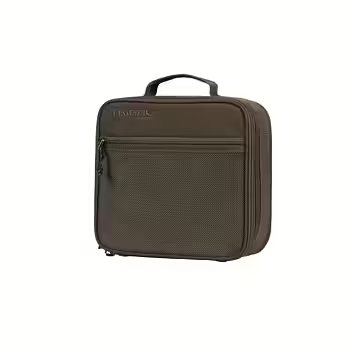
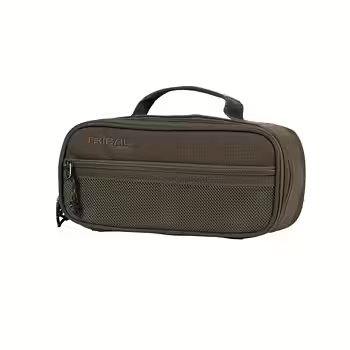
Small storage bags are a flexible option when you want to organize smaller accessories into separate groups. They can be used, for example, for leader material, wire locks, bait needles, tubing, spare parts, and other components that don’t always need to be stored in a compartmentalized box.
Transparent bags make it easy to see the contents, while labeled or color-coded bags help you distinguish between different components. They can also be used in conjunction with larger fishing bags and tackle boxes to create a more organized storage system.
For small metal parts, it can be practical to use separate bags for each size or type. This reduces the risk of components getting mixed up when you repack your gear.
Choose bags with a secure closure and a material suitable for the contents. Make sure damp gear is allowed to dry before storing it for extended periods, especially when the bags contain hooks or other metal parts.
Storing Leader Material, Wire, and Lines
Leader material and shorter pieces of line can easily become tangled if stored together with other accessories. Therefore, it’s a good idea to use special storage solutions for fluorocarbon, nylon, wire, and pre-cut leaders.
Small spools, reels, holders, and special leader organizers can help you keep your gear organized. If you use multiple sizes, it’s easier to label each spool and quickly find the right material for the fishing situation.
When fishing for pike, you may need to store wire materials, leader components, and wire locks separately from lighter leader materials used for perch and zander. When bottom fishing, on the other hand, it can be practical to keep pre-tied leaders and materials for different rigs all in one place.
Protect your leader materials from unnecessary creases, tangles, and direct sunlight. Also, check the condition of the materials regularly and replace any parts that show signs of wear.
Small Storage for Angling and Specimen Fishing
In match fishing and specimen fishing, many small components are used that need to be easily accessible. Hooks, swivels, sinkers, bait stops, beads, tubing, and feeder-related accessories come in various sizes and designs.
A combination of small tackle boxes and rig wallets makes it easy to separate loose components from pre-tied rigs. For example, you can have one box for hooks and leaders, another for bait stops and beads, and a rig wallet for pre-tied leaders.
When fishing for carp, it’s especially practical to organize rig components by function and size. When fishing for tench, roach, bream, and rudd, a smaller tackle box may be sufficient for the most common parts.
For longer fishing trips, it’s helpful to consolidate these small storage containers into a larger fishing bag or tackle bag. This way, every component has its place, and you won’t have to search for small parts when you need to make quick adjustments to your tackle.
Storing Small Gear for UL, XUL, and BFS
When fishing with UL, XUL, and BFS setups, you often use small hooks, lightweight jig heads, small bait clips, spoons, and other miniature components. Here, it’s important to have a compact storage solution where the smallest parts don’t get mixed up or end up in the wrong compartment.
Small boxes with tightly spaced compartments are well-suited for micro jigs, small hooks, and lightweight rigging components. A small accessory bag or tackle case makes it easy to carry a selection of small parts without carrying unnecessary gear.
Since small components can be difficult to tell apart, clear labeling is especially useful. You can sort them by hook size, the dimensions of the bait clip, or the type of bait the accessories are intended for.
Choose a compact solution that closes securely and is easy to open even when you’re standing by the water. Small compartments and a secure closure make it easier to keep your gear organized during active fishing sessions.
Storing Small Accessories for Predator Fishing
When predator fishing for perch, zander, and pike, you often need many different small components to customize your lures and rigs. Jig heads, screw eyes, lure clips, swivels, rings, and leader components are examples of parts that are good to keep organized.
A compartmentalized box helps you distinguish between smaller accessories for perch fishing and sturdier components for pike fishing. This makes it easier to find the right size and reduces the risk of using the wrong component for a particular lure or rig.
If you fish with many different types of lures, you can organize your storage by application. One box can hold jig-related accessories, another can hold components for hard lures, and a third can hold materials for leaders.
For those who frequently change lures and rigs during a fishing trip, an easily accessible small parts box is a practical addition to your tackle box.
Small-Item Storage for Saltwater Fishing and Trolling
Saltwater fishing and trolling often require a mix of smaller accessories, ranging from swivels and lure locks to beads, tubing, wire components, and spare parts for various rigs.
When sea fishing, it’s practical to sort small parts by size and purpose. Heavier-duty components for sturdier rigs should be stored separately from smaller accessories so it’s easy to find the right parts when you’re reconfiguring your gear.
When trolling, an accessory box can be used for bait clips, swivels, spring rings, and other components needed to customize lures and rigs.
If the storage container is used in a saltwater environment, you should check the materials and latches regularly. Allow damp metal parts to dry and follow the manufacturer’s recommendations for cleaning and storage to reduce the risk of corrosion.
Organizing Your Fishing Gear – Keep All Your Fishing Accessories Tidy
If you have a lot of small items, an assortment system can be an effective way to organize your gear. It can consist of several small boxes, labeled bags, tackle wallets, and a larger storage bag where everything is kept together.
By sorting by fishing method, you can easily pack the right gear for every fishing trip. A storage system for angling might contain hooks, sinkers, bait stops, and rig components, while one for predator fishing might hold bait clips, leader material, and jig accessories.
Clear labeling is especially useful if you have many similar components in different sizes. For example, you can label the boxes with hook size, leader material diameter, or intended use.
A well-thought-out organization system makes it easier to restock used accessories, keep track of what you have at home, and avoid buying duplicates of items you already own.
How to Choose the Right Storage for Small Fishing Gear
When choosing storage for fishing accessories, it’s a good idea to consider which components you use most often and how you want to organize them.
- Size of small parts: Very small components require tightly fitting compartments and a secure closure.
- Type of accessories: Hooks, rigs, leader material, and loose metal parts may require different storage solutions.
- Compartment layout: Fixed compartments are suitable for a sorted assortment, while adjustable dividers offer greater flexibility.
- Transport: Choose compact boxes and bags that easily fit in your fishing bag.
- Labeling: Labels or clear markings help you quickly find the right size.
- Moisture protection: Choose appropriate protection for the environment where you fish, and dry your gear before long-term storage.
- Material compatibility: Make sure the storage solution is suitable for the contents, especially when it comes to certain soft baits and delicate materials.
- Secure closure: Small hooks and components should remain in their compartments even when the bag is moved.
By choosing the right combination of boxes, bags, and rig storage, you can create a system that suits both your gear and your fishing style.
Find the Right Storage for Your Fishing Gear
Whether you need a small box for bait locks and lures, a rig wallet for pre-tied leaders, a storage solution for leader materials, or a complete organization system, there are many options to choose from.
Explore our selection of accessory boxes, small storage containers, rig wallets, storage bags, and other smart solutions for all your fishing odds and ends.
With the right storage, you can keep your hooks, leaders, rig components, and small accessories organized, simplify your preparations, and have more time for the actual fishing!