
AUTUMN FISHING
- SHOP WITH CONFIDENCE
- Delivery Immediate delivery
- CUSTOMER SERVICE by anglers
- EASY RETURNS 30-day return policy
- PAY SECURELY with Klarna
Jig accessories
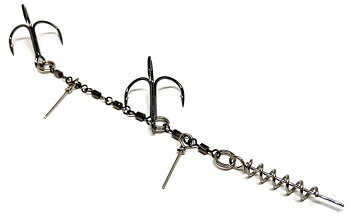
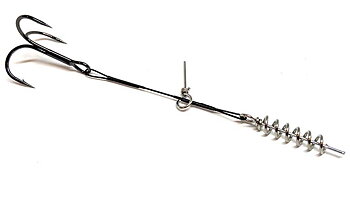
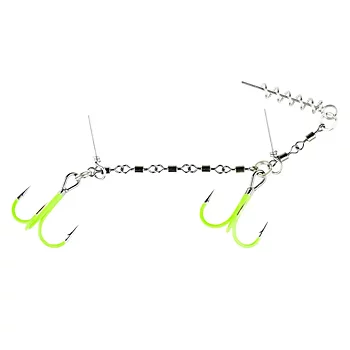
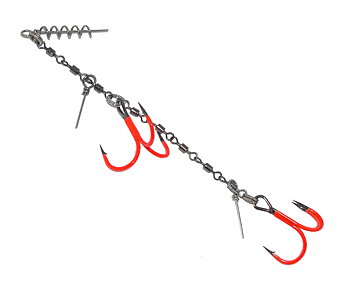
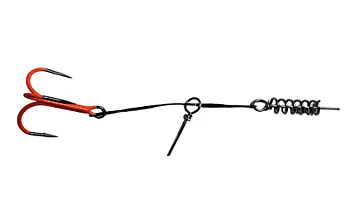
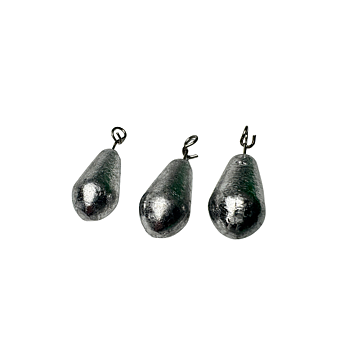


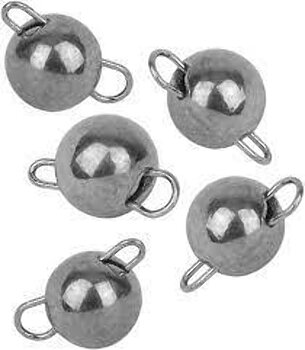
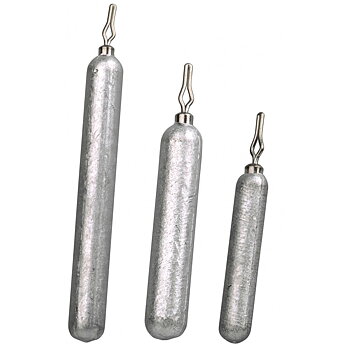


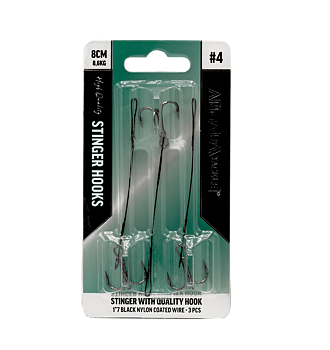

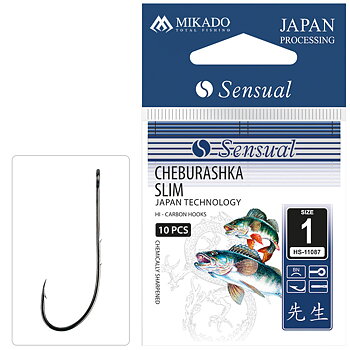
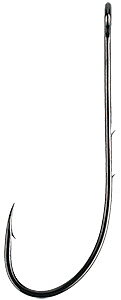
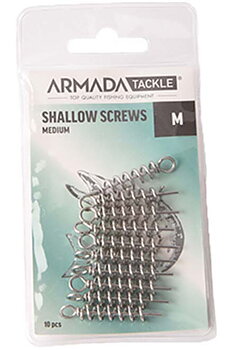


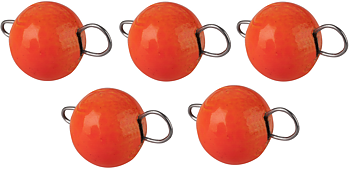
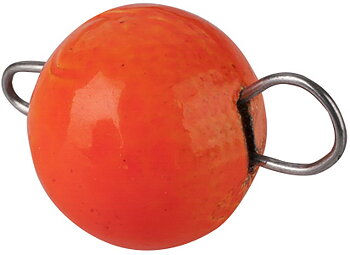

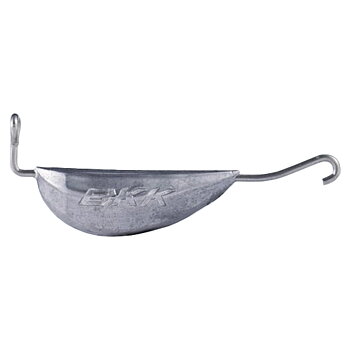
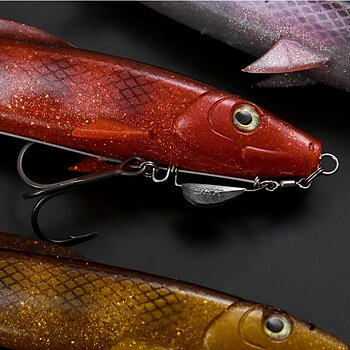
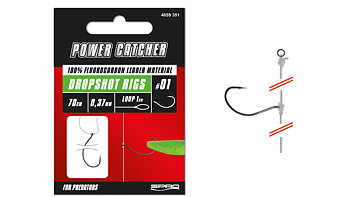
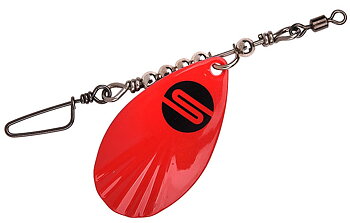

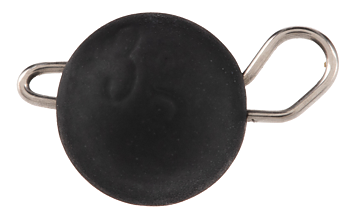

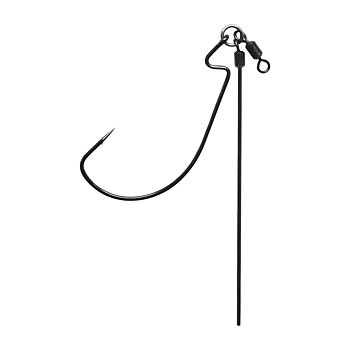
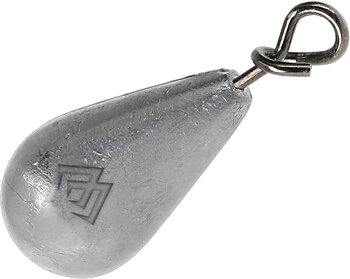
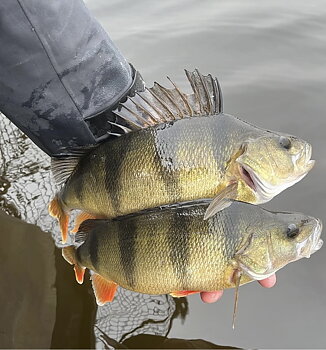
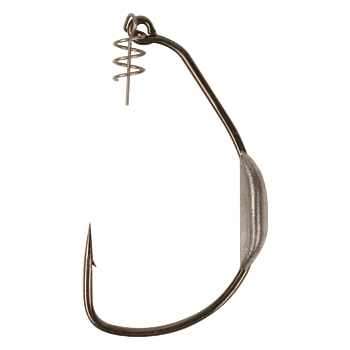
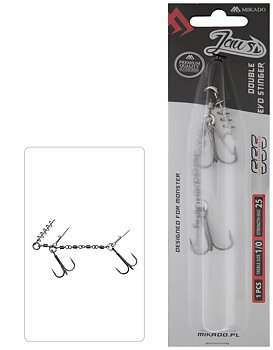



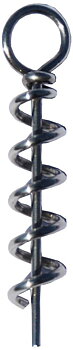
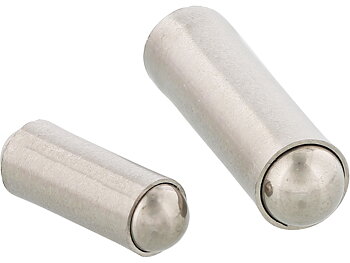
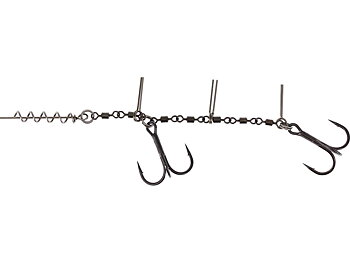
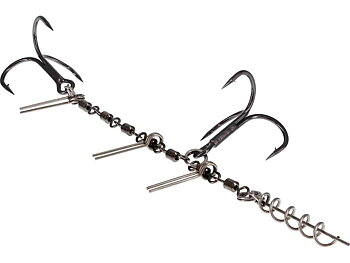
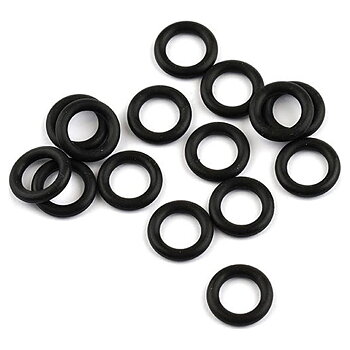
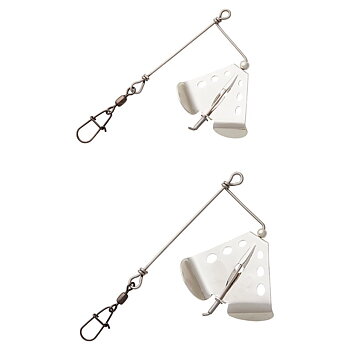
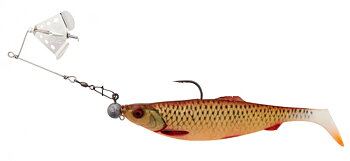

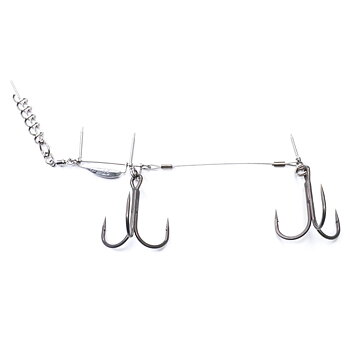
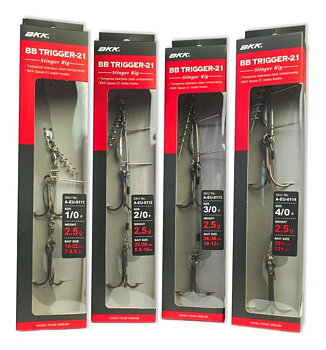

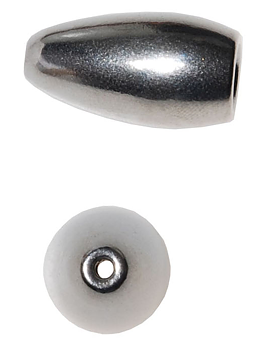
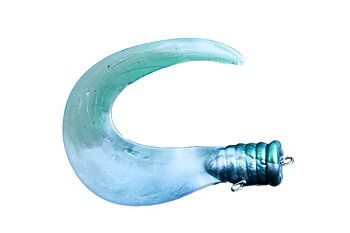
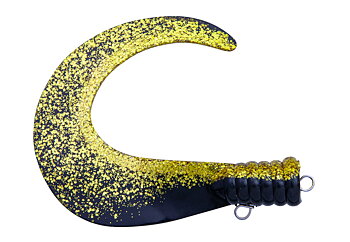
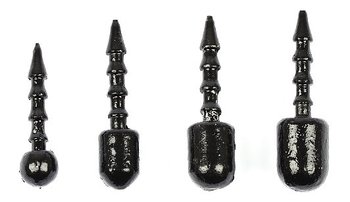


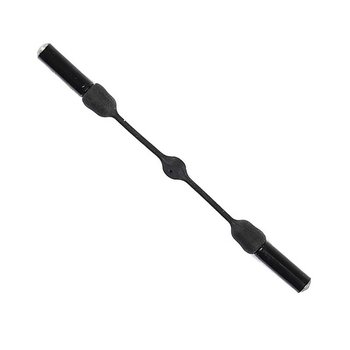


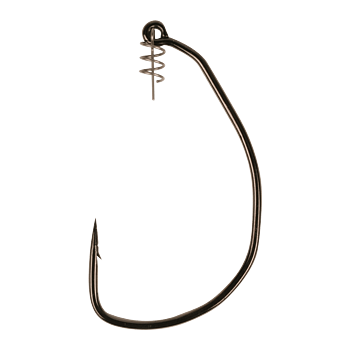
Here you'll find everything you could possibly need for jigging. We sell clip weights, link heads, stingers, dropshot rigs, dropshot sinkers, weights, beads, spinnerbaits, attractants, rattle chambers, spikes, jig hooks, glue, Fix-It, and all kinds of ready-made rigs for jig fishing. Need help figuring out what you need, or just wondering what all these “weird” things are? Don’t hesitate to reach out via chat. There are so many jig fishing accessories out there, and we understand if it feels like a jungle.
Jig Fishing Accessories – Everything You Need to Rig and Customize Your Jigs
Are you looking for jig fishing accessories to help you get more out of your soft lures? The right accessories make it easier to rig jigs, adjust the lure’s action and weight, and create a presentation that suits your fishing method and the conditions in the water. Whether you’re fishing for perch with small finesse jigs, zander near the bottom, or pike with large shads, there are accessories to help you tailor your gear to your needs.
Jig fishing accessories include a wide variety of products, from stingers and shallow-run screws to lure screws, rattle chambers, weights, and components for custom-made rigs. They’re used to improve the attachment of soft baits, adjust the sink rate, and add features to the bait that suit a specific fishing technique.
Whether you’re into traditional jig fishing, modern pike fishing, finesse fishing, or bait finesse, there are many ways to customize your lures. With the right accessories, you can gain better control over your presentation and easily adjust your rig as conditions change.
Stingers – Additional Hooks for Larger Soft Baits
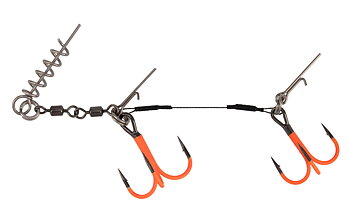
Stingers are supplementary hook leaders often used with larger soft baits in predator fishing. They’re particularly common in pike fishing with shads, paddletails, and other larger jigs where an extra hook can be placed further back on the bait.
A stinger typically consists of one or more hooks mounted on a leader or wire, with an attachment that connects to the lure or jig head. This design allows you to adjust the hook placement according to the lure’s length and shape.
Stingers come in various lengths and designs. Your choice should be based on the size of the lure, how it moves, and where the hooks need to be placed so as not to interfere with its action. A stinger that is too long or too heavy can affect the lure’s movement, while incorrect placement can compromise the presentation.
For those who fish with large soft baits, stingers are a useful accessory when you want to adjust the hook setup to match the bait’s design.
Shallow Screws – for shallow and slow pike fishing
Shallow screws are primarily used for pike fishing with larger soft baits. They are screwed into the nose of the bait, allowing you to attach a leader or a stinger system without having to thread a traditional jig hook through the entire body of the bait.
They’re often used in shallow-water fishing where you want to present a soft plastic lure with a different weight distribution than in traditional jigging. Depending on the design, shallow-water screws can be combined with various types of stingers and additional weights.
A secure attachment is important to ensure the lure stays in place during casting and the fight. Choose a screw that matches the lure’s size and material, and mount it so that the lure’s nose isn’t unnecessarily deformed.
Shallow-running lures are particularly useful for anglers who actively target pike with large shads and want to be able to adjust hook placement and weighting.
Lure Screws and Jig Screws – for Secure Attachment of Soft Lures
Lure screws and jig screws are used to attach various types of soft baits and create flexible rigging solutions. They are commonly used in pike fishing, where larger soft baits are often rigged with a screw in the nose and additional hooks.
Models come in various sizes and designs, ranging from small screws for smaller soft baits to heavier-duty options for large predator baits. Some models feature loops or other attachment points that make it easy to combine the screw with stingers, leaders, and other components.
The right size is important to ensure the attachment holds without damaging the lure. A screw that’s too large can ruin the lure’s nose, while a model that’s too small can result in a less stable attachment.
With a selection of lure screws in various sizes, you can easily adapt your favorite lures to different rigs and fishing methods.
Stinger spikes – for smooth attachment of stingers
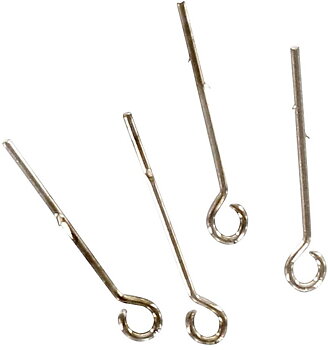
Stinger spikes are used to hold a stinger or its hook in place in a soft plastic lure. They’re often used when rigging larger shads and other soft plastic lures for pike fishing.
By attaching the stinger hook in the right spot, you can keep the hook leader in a more controlled position and reduce the risk of it getting caught in the wrong place during a cast or retrieve. Different models are designed for different types of lures and rig configurations.
Choose the size based on the lure’s material and dimensions. The attachment should hold the stinger in place without tearing the soft plastic lure or affecting its movement.
Stinger spikes are a practical accessory for anglers who want to be able to change hook placement or build their own rigs for different sizes of soft baits.
Rattle Chambers – Sound and Vibrations in Soft Baits
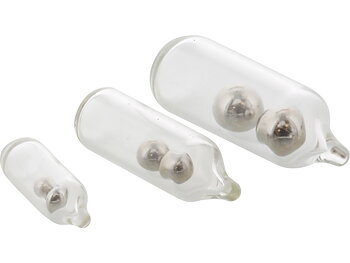
Rattle chambers are small components that can be mounted inside or on certain soft baits to create sound as the bait moves. They typically contain small beads or other parts that produce a rattling sound when in motion.
They are primarily used when you want to experiment with the lure’s sound profile while fishing for predators. When fishing for perch, zander, and pike, sound can be one of several factors that influence how the fish reacts to the lure, although the effect varies depending on the situation.
Rattle chambers come in various sizes and designs. Some can be placed inside soft baits, while others are designed for specific rigs or bait types.
Keep in mind that the size and weight of the accessory can affect the lure’s balance and movement. Feel free to test the same lure both with and without a rattle chamber to see which presentation works best under your conditions.
Extra weights – adjust sink rate and presentation
Weights for jig fishing are used to adjust how fast a soft plastic lure sinks and at what depth it can be fished. They can be attached in various ways depending on the lure type, rig, and desired presentation.
When fishing for pike with large soft baits, additional weights can help you adjust the bait’s action. When fishing for perch, smaller weights can be useful when you want to fine-tune the sink rate or keep the bait at the right depth.
There are various weighting solutions, such as weights attached to the rig or models that can be mounted inside the soft bait. Which option works best depends on the bait’s design and how you want it to move.
A small change in weight can make a difference in the lure’s sink rate and balance. Therefore, adjust the weight gradually and check how the lure moves before you start fishing.
Weights for shallow rigs and large predator lures
When fishing for pike in shallow water, rigs are often used that allow the lure to move relatively close to the surface. With specialized weights, you can adjust the presentation without necessarily switching to a traditional heavy jig head.
The weights can be placed on different parts of the rig depending on the action you want to achieve. A weight further forward can affect the lure’s nose and sink rate, while other placements can provide a different balance.
It’s important to adjust the weighting according to the lure’s size, buoyancy, and retrieve speed. Too much weight can alter the lure’s natural movement, while too little weight can make it difficult to maintain the desired depth.
With a selection of different weights, you can fine-tune your shallow-water rigs and use the same lure in a variety of conditions.
Jigging Accessories for Perch and Zander
When jig fishing for perch and zander, smaller and more compact soft baits are often used than in traditional pike fishing. The accessories therefore need to suit both the bait’s dimensions and the hooking action required by the fishing method.
For perch, small accessories, light weights, and discreet components can be useful when fishing with finesse jigs. For zander, heavier rig components and additional hooks may be appropriate depending on the size of the lure and your fishing technique.
It’s important that the accessories aren’t so large or heavy that they affect the lure’s movement in an undesirable way. Therefore, choose components that are proportional to the lure.
By having a variety of accessories on hand, you can quickly adapt your jig when switching from shallow perch fishing to deeper zander fishing.
Accessories for UL, XUL, and BFS
When fishing with ultralight (UL), XUL, and BFS setups, it’s especially important to use small and lightweight components. Small soft baits are easily affected by extra weight, large attachment points, and other parts that alter the lure’s balance.
Accessories for these fishing methods may include small lure screws, lightweight sinkers, small connecting components, and specially adapted parts for finesse rigs.
In UL and XUL fishing, a natural presentation is often crucial, especially when targeting perch, trout, or other species with small lures. In BFS fishing, the components must also be suited to the lure’s weight and the tackle’s casting range.
Choose small parts carefully and check how the lure moves after assembly. Even small changes in weight or attachment can affect the characteristics of a light soft plastic lure.
Accessories for Building Your Own Jig and Stinger Rigs
For those who want to build their own rigs, there are many accessories that make it easier to adapt the equipment to the lure’s shape and fishing method. These include screws, rings, hooks, wire, leader material, crimps, and other components needed to create a complete rig.
By making your own rigs, you can choose the length, hook size, attachment method, and weighting yourself. This is especially useful when fishing with large soft baits, where ready-made solutions don’t always fit perfectly.
Use components that are rated for the load they’ll be subjected to, and check all connections before use. A well-built rig should hold the lure securely in place without unnecessarily restricting its movement.
It’s a good idea to keep the parts organized in a tackle box so you can quickly swap out components while out on the water.
How to Choose the Right Jigging Accessories
When choosing accessories, it’s important to consider the lure’s size, your fishing method, and how you want the jig to move.
- Lure size: Adjust screws, stingers, and attachments to match the dimensions of the soft lure.
- Target Species: Pike fishing with large lures has different requirements than finesse fishing for bass.
- Weighting: Choose accessories that help you maintain the desired depth and achieve the correct sink rate.
- Hook placement: Make sure stingers and additional hooks are suited to the lure’s length and design.
- Lure Action: Avoid unnecessary weight and large components that restrict the lure’s movement.
- Durability: Check screws, hooks, wire, and connectors regularly.
- Fishing technique: Adapt your rig depending on whether you’re fishing in shallow water, near the bottom, pelagically, or with ultralight lures.
With a well-thought-out selection of jigging accessories, you can adapt your favorite lures to different situations and improve your fishing without having to replace your entire lure arsenal.
Find the right jigging accessories for your next fishing adventure
The right jigging accessories make it easier to rig soft baits, adjust weight and hook placement, and create a presentation that suits your favorite waters. Whether you’re fishing for perch with small finesse jigs, zander with traditional shads, or pike with large predator lures, there are plenty of ways to fine-tune your gear.
Explore our selection of stingers, shallow-runners, bait screws, stinger spikes, rattle chambers, weights, and other jig fishing accessories. Find the right components for your lures and build rigs that suit your fishing style.
Customize your jigs, try out new rigs, and be ready for the next bite!