
AUTUMN FISHING
- SHOP WITH CONFIDENCE
- Delivery Immediate delivery
- CUSTOMER SERVICE by anglers
- EASY RETURNS 30-day return policy
- PAY SECURELY with Klarna
Tools, Chemicals and Kits

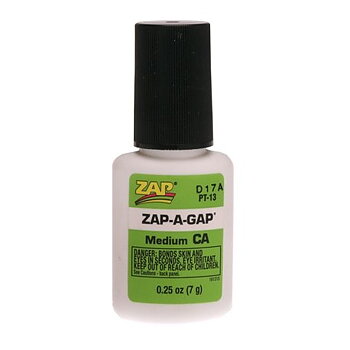
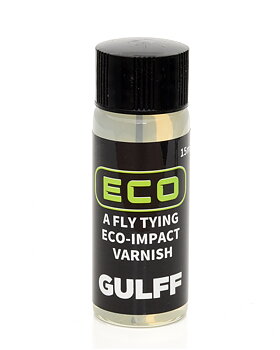
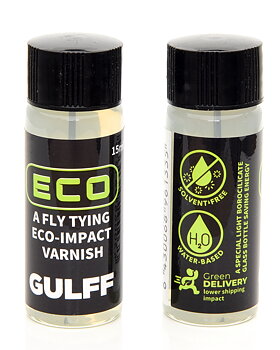
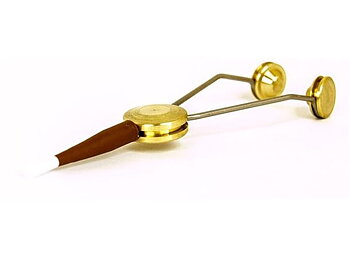
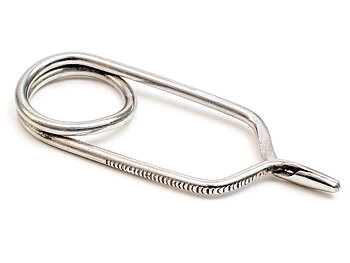
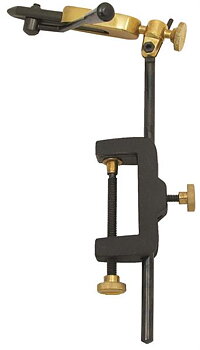
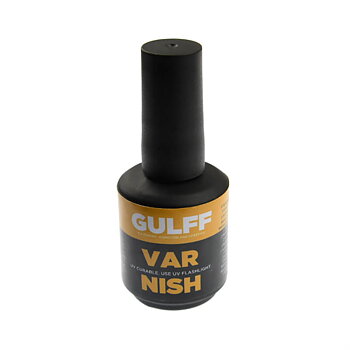

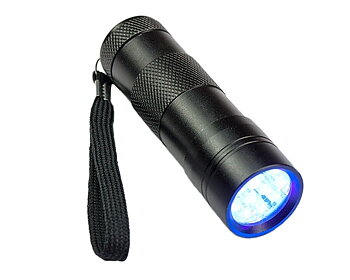
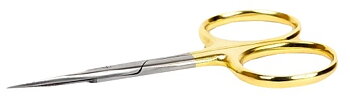


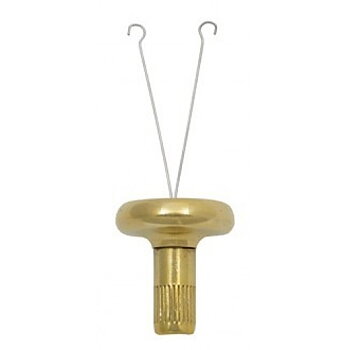

In this category, we’ve gathered the tools used for fly tying. Most of our fly-tying materials come from Fly Dressing, which we believe produces high-quality, affordable materials.
Tools, materials, and fly-tying kits—everything you need to tie your own fishing flies
Are you looking for tools, chemicals, and complete fly-tying kits to get started with fly tying or to improve your technique? With the right equipment, it’s easier to tie durable, well-shaped, and effective fishing flies for Swedish anglers. Whether you want to create small dry flies for trout and grayling, nymphs for rainbow trout and char, streamers for perch and pike, or coastal flies for sea trout, there are fly-tying tools and accessories to help you achieve better results at the fly-tying station.
Discover everything from fly-tying stands, scissors, and thread holders to hackle pliers, dubbing tools, whip finish tools, fly-tying varnish, glue, UV resin, and complete fly-tying kits. With the right tools, suitable finishing products, and a well-curated fly-tying kit, you can work more efficiently, gain better control over your materials, and create your own fly patterns for different fish species and aquatic environments. Here, both beginners and experienced fly tiers will find equipment to make fly tying easier, more fun, and more creative.
Fly-Tying Tools—The Foundation for Success
Good tools make a big difference when tying your own fishing flies. They help you handle small materials, hold the hook steady, and work with precision as you shape the fly’s body, wings, and other details. With the right tools, it’s easier to create even bindings and a neat finish.
There are fly-tying tools for both basic and advanced fly tying. If you’re a beginner, a simple tool set can be a good place to start, while those who tie many different fly patterns may benefit from specialized tools for techniques such as dubbing, hackle, and rotary tying.
- Fly-tying vise: holds the hook securely in place while you work.
- Tyingthread holder: provides control over the tying thread and facilitates even wraps.
- Fly-tying scissors: help you cut thread and materials with precision.
- Hackle pliers: make it easier to wrap feathers around the hook.
- Dubbing tool: makes working with dubbing and dubbing loops easier.
- Whip finish tool: used to finish the fly with a secure knot.
- Material clamps and needle tools: help you handle materials and apply small amounts of varnish or glue.
With a well-thought-out set of tools, you’ll enjoy a better workflow and greater freedom to experiment with new fly patterns.
Fly-tying vise—stability and precision at the vise
A good fly-tying vise is one of the most important tools for anyone who wants to tie their own flies. The vise’s job is to hold the hook securely in place while you attach tying thread, feathers, hair, dubbing, and synthetic materials.
There are simpler models for beginners and more advanced vices with adjustable jaws and a rotating function. A rotating fly-tying vise can make it easier to inspect the fly from different angles and ensure even distribution of materials around the hook.
When choosing a vise, you should check which hook sizes it accommodates, how stable it is, and whether the design suits your most common fly patterns. For those who tie both small dry flies and larger streamers, a flexible vise can be a good investment.
Scissors, Pliers, and Precision Tools for Fly Tying
When fly tying, you often work with small details that require precision. A good pair of scissors makes it easier to cut tying thread and shape materials without damaging the rest of the fly. Different scissors may be designed for finer work, coarser materials, or specific types of fibers.
Hackle pliers help you wrap hackle feathers neatly around the hook, while material clamps can hold feathers and fibers in place while you work. A dubbing needle or other precision tool is useful when you want to separate fibers, apply small amounts of material, or adjust details on the finished fly.
By choosing tools that suit your needs, you can work more smoothly and gain better control over every step of the fly-tying process.
Dubbing Tools and Whip Finish—For Neat and Durable Flies
Dubbing tools are used to create bodies from dubbing and other fibers. With a dubbing twister, for example, you can create a dubbing loop that holds the material in place and makes it easier to wrap around the hook. This is useful when tying nymphs, wet flies, and streamers.
A whip finish tool is used to make a finishing knot that secures the tying thread. A well-executed finish helps keep the fly intact during use and ensures a neat final result.
For those who want to improve their fly-tying skills, these tools are valuable aids, especially when you start working on more detailed patterns and want to achieve a smoother finish.
Fly-tying supplies—varnish, glue, and UV resin
Fly-tying products are used to secure ties, reinforce vulnerable parts, and create a neat finish. The right product can help keep the fly’s materials in place and improve the durability of the construction.
Which product you need depends on the fly pattern and the result you want to achieve. Some products are primarily used to secure the tying thread, while others help you build up heads, create glossy surfaces, or reinforce materials subject to wear and tear.
- Fly-tying varnish: used to secure thread ends and provide a protective finish.
- Fly-tying glue: helps attach selected materials and reinforce certain structures.
- UV resin and UV glue: cure with a suitable UV light and are used, among other things, for heads, bodies, and glossy details.
- Epoxy for fly tying: can be used for certain constructions where a hard and durable surface is desired.
- Varnish and surface treatments for fly bodies: help you create different finishes depending on the product’s properties.
Always follow the product’s instructions and safety guidelines. Ensure adequate ventilation and protect your skin and eyes as needed. UV products must be handled according to the manufacturer’s recommendations, and UV light must never be directed at the eyes or skin.
UV Resin and UV Lamp – Create Details with a Professional Finish
UV resin has become popular in modern fly tying because it can be used to create smooth, glossy, and dimensionally stable surfaces. It is suitable, for example, for nymphs, shrimp imitations, coastal flies, and other patterns where you want to build up a distinct body or a protective layer.
With a compatible UV lamp, you can cure the product according to the manufacturer’s instructions. There are different types of UV resin with varying viscosities and properties, ranging from thinner varieties for smaller details to thicker products for added volume.
Choose a resin based on the fly’s construction and ensure that the lamp’s wavelength and power are suitable for the product. The right combination provides better control over the application and helps you create a sleek finish on your own flies.
Fly-Tying Glue and Varnish—Securing Materials and Finishing Touches
Glue and varnish are often used to secure the fly’s tying thread, reinforce knots, and hold certain components in place. They can also be used to create a smooth surface on heads and bodies.
For small dry flies and nymphs, a small amount of product applied in the right place is often sufficient. For larger streamers and predator flies, it may be necessary to reinforce certain areas where the material is subjected to greater stress.
Choose products intended for the specific application and follow the instructions for application and drying. For best results, it’s often better to apply thin, controlled layers rather than using unnecessarily large amounts.
Fly-Tying Kits—An Easy Start for Beginners
Want to start tying your own fishing flies? A complete fly-tying kit can be a convenient way to get started without having to buy each tool separately. Depending on the kit’s contents, you’ll get a work mat, scissors, a thread holder, hackle pliers, and other basic tools.
There are also kits that include materials for tying specific fly patterns. These can be especially handy if you want to learn the basics and follow clear instructions while you develop your technique.
- Beginner kits: for those who want to try fly tying and learn the basics.
- Tool kits: combine several common fly-tying tools in one package.
- Material kits: contain materials for selected fly patterns or fly types.
- Fly-tying kits for specific fish species: can be tailored for trout, rainbow trout, or pike, for example.
- Supplemental kits: for those who already have basic equipment and want to add tools or materials.
Always check what’s included in the kit. Some kits contain a complete setup and tools, while others consist mainly of consumables or components for a number of flies.
Tools and fly-tying supplies for dry flies, nymphs, and streamers
Different fly patterns place different demands on your equipment. With the right combination of tools and fly-tying supplies, it becomes easier to adapt your tying technique to the fly’s size and construction.
- Dry flies: Use precision scissors, appropriate tools for hackle preparation, and, if needed, products that help secure the finishes.
- Nymphs: dubbing tools, thread holders, and varnish or UV resin can help you create compact bodies and durable heads.
- Streamers: Heavier-duty tools and suitable adhesives can be useful when working with larger amounts of material.
- Pike flies: Choose tools suitable for large hooks and substantial materials, as well as products designed to reinforce the construction.
- Coastal flies: Precision tools and UV resin can be useful for creating distinct profiles and glossy details.
- Salmon flies: hackle pliers, whip-finish tools, and suitable varnish products will help you work with classic tying techniques.
The tools and products you need depend on your favorite patterns and how advanced your fly-tying skills are.
How to Choose the Right Tools, Chemicals, and Kits for Fly Tying
When buying fly-tying equipment, it’s a good idea to consider what flies you want to tie, how often you tie, and what tools you already have. That way, you can choose equipment that suits your needs and expand your collection step by step.
- For beginners: Start with a basic tool set and a kit of materials for a few simple fly patterns.
- For regular fly tying: invest in a sturdy vise, good scissors, and tools you use frequently.
- For detailed flies: supplement your kit with dubbing tools, precision tools, and a good whip finish tool.
- For UV tying: choose a compatible UV resin and a suitable UV lamp.
- For large streamers and pike flies: make sure your tools can handle larger hooks and more substantial materials.
- For better durability: choose varnish, glue, and other products designed for the various stages of fly tying.
- For a complete workspace: supplement your setup with storage solutions, material holders, and other accessories that help keep your tying organized.
It’s often wise to start with tools used in many different fly patterns and then add specialized tools when you want to try new techniques.
Buy fly-tying tools, chemicals, and kits online
Whether you’re looking for your first fly-tying kit, a new fly-tying mat, precision scissors, dubbing tools, UV resin, or varnish and glue for durable flies, there’s equipment available for a variety of needs and experience levels. With the right tools and products, it’s easier to develop your technique and create fishing flies with meticulously crafted details.
Explore our selection of fly-tying tools, materials, and kits, and find what you need to tie dry flies, nymphs, streamers, coastal flies, and salmon flies. Whether you’re a beginner or an experienced fly tier, the right equipment can make the process smoother and give you greater freedom to develop your own patterns.
Find your new tools, fly-tying supplies, and fly-tying kits—and create your own fishing flies with precision, durability, and a sleek finish for your next fishing trip!