
AUTUMN FISHING
- SHOP WITH CONFIDENCE
- Delivery Immediate delivery
- CUSTOMER SERVICE by anglers
- EASY RETURNS 30-day return policy
- PAY SECURELY with Klarna
predator specimen















Predator Fishing – Find the Right Gear for Pike, Zander, Perch, Catfish, and Eel
Want to improve your predator fishing skills and target some of Sweden’s most exciting predatory fish? With the right gear, you can tailor your fishing to everything from large pike and zander to perch, catfish, and eel. Predator fishing is an effective fishing method where you present a lure in a way that entices the predator to strike. Depending on the species, water body, and season, you can fish with a float, bottom fishing, or other specialized methods.
Swedish lakes, streams, and rivers offer many opportunities for exciting predator fishing. Each species has its own habits and places different demands on the rod, reel, line, tackle, and bait. Whether you’re a beginner or an experienced angler, the right equipment will help you fish more strategically and gain better control over both the presentation and the fight.
Pike Fishing—Powerful Gear for Large Predatory Fish
The pike is one of our most popular game fish and a prized target for many who enjoy predator fishing. With its strength, fast strikes, and often explosive runs, it demands gear that can withstand heavy strain. Pike fishing can be done in lakes, archipelago coves, and calmer sections of streams and rivers.
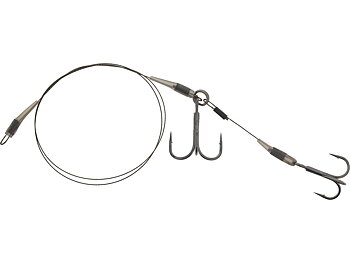
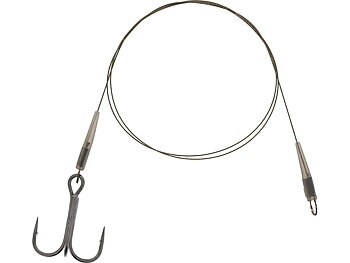
When fishing for pike, larger baitfish are often used where permitted and appropriate, along with float rigs or bottom fishing rigs depending on the conditions. A sturdy fishing rod, a reliable reel, and a line with sufficient strength give you control when a larger pike takes the bait. A durable leader that protects against the pike’s sharp teeth is especially important.
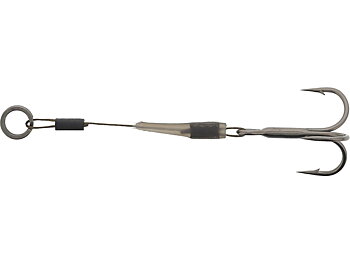
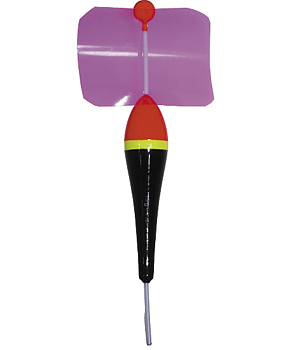
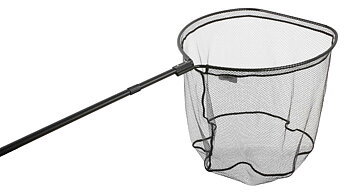
With the right floats, sinkers, hooks, and rigs, you can adapt your fishing to the depth, current, and how the pike is hunting. A spacious landing net, long-handled tongs, and appropriate unhooking equipment will also help you handle the fish safely and gently.
Zander Fishing—Presentation and Precision for Shy Predators
Zander is a sought-after predatory fish often associated with deeper lakes, larger water systems, and flowing water. It prefers to hunt at dusk and during the hours of darkness, although fishing can be good at other times of the day depending on the water and the season. When fishing for zander, it’s important to present the bait at the correct depth and adapt your tackle to the fish’s behavior.
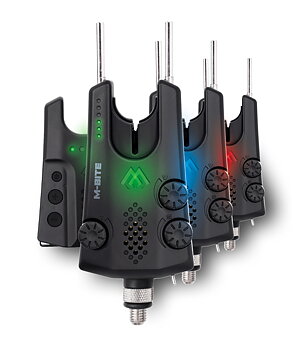
Bottom fishing and float fishing are two methods that can work well for zander. The gear should provide good bite indication while also offering sufficient strength to handle a larger fish. A balanced rod, a reel with a smooth drag, and line suited to the fishing conditions provide good control both when a fish strikes and during the fight.
Live bait is often used for targeted zander fishing where regulations permit it. The choice of tackle, hook size, and bait size should be adapted to the fishing method and the expected size of the fish. By varying depth, presentation, and fishing spot, you can find the areas where zander are foraging.
Perch – Finer Tackle and Sensitive Bite Indication
Perch is a common and popular predatory fish in Swedish waters. It can be caught with a float rig in everything from small forest lakes to large inland lakes and archipelago environments. Although perch are often smaller than pike and zander, larger specimens can be both cautious and powerful, making well-suited tackle essential.
When fishing for perch, for example, worms, maggots, and small baitfish are used where permitted. Float fishing works well when you want visual confirmation of a bite, while bottom fishing can be a good option when the fish are foraging closer to the bottom.
A lighter fishing rod, a smooth reel, and a thinner line can provide a natural presentation and help you detect subtle bites. At the same time, hooks, leaders, and other components need to be tailored to the bait and the size of the fish you hope to catch. With the right gear, perch fishing becomes a flexible method that works for much of the year.
Catfish Fishing – Specialized Gear for One of Europe’s Largest Freshwater Fish
The catfish is an impressive predatory fish found in certain Swedish waters and can grow to be very large. Targeted catfish fishing therefore places high demands on equipment, planning, and knowledge of local conditions. Before planning your fishing trip, it’s important to check where the species is found and what rules apply to fishing and any catch-and-release requirements.
When fishing for catfish, you’ll need heavy-duty rods, sturdy reels, and high-strength line. The tackle must be able to withstand heavy loads and be adapted to the bottom structure, depth, and any current. Bait can include worms or other suitable options, depending on the method and applicable regulations.
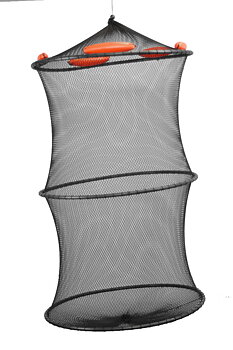
Well-planned equipment for landing and handling is particularly important when fishing for large catfish. A sturdy landing net or other suitable landing equipment, reliable unhooking tools, and a plan for gentle handling should be part of your preparations. In this type of fishing, safety for both the angler and the fish is a central consideration in choosing your gear.
Eel Fishing—Traditional Angling with Special Considerations
Eels have a long tradition in Swedish fishing and can be found in both coastal waters and inland waters connected to the sea. Eel fishing differs from many other forms of predator angling because the species is often active during the darker hours and tends to forage near the bottom.
In traditional eel fishing, bottom fishing has been a common method, using equipment adapted to bottom conditions and the fish’s behavior. A sturdy rod, a reliable reel, and well-suited tackle are essential components of the equipment.
Important Information About Eel Fishing: Eels are a critically endangered species and are subject to strict fishing regulations. Recreational eel fishing is prohibited in Sweden, with very limited exceptions under current regulations. Always check the latest information from the Swedish Agency for Marine and Water Management before fishing or planning a fishing trip for eel. Gear for bottom fishing can also be used for other permitted species.
Float fishing for predatory fish—keep an eye on the bait
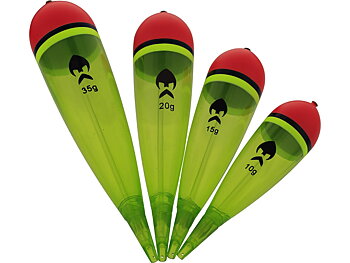
Float fishing is a popular method when you want to present a bait at a specific depth while maintaining clear visual control over the bite. This method can be used when fishing for species such as pike, zander, and perch, with floats and rigs adapted to the fish species, bait size, and water conditions.
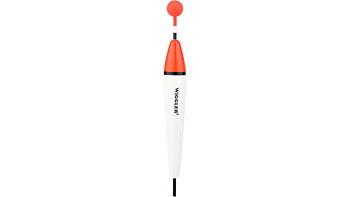
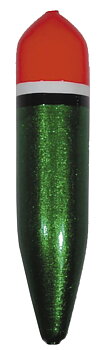
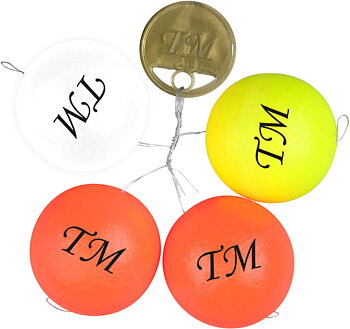
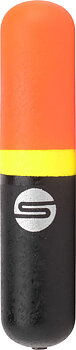
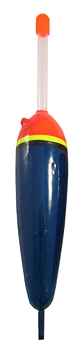
A well-chosen float helps you keep the bait at the right depth and detect when a fish takes it. Larger baits and deeper fishing often require heavier floats and a different rig setup than lighter angling for perch. Wind, waves, and current also affect which float works best.
With the right combination of float, sinker, hook, leader, and line, you can adapt your fishing to both shallower coves and deeper areas. Be sure to use tackle that’s suited to the target species and that allows for a secure hookset and gentle handling.
Bottom fishing for predatory fish—fish where the fish are feeding
Bottom fishing is an option when predatory fish are hunting near the bottom or when you want to present the bait in a specific spot. This method is used, for example, when targeting zander and pike, and the gear can be adapted to different aquatic environments.
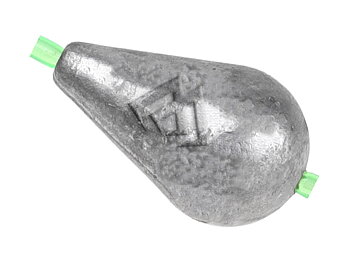
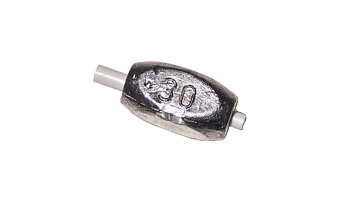
Sinkers hold the bait in place, while different rig configurations help you present it as desired. In still water, a lighter setup may suffice, while flowing water may require heavier sinkers and sturdier gear. When fishing over rocky or difficult bottoms, it’s also important to choose line and leader materials that can withstand abrasion.
A rod with an appropriate casting weight, a reel with a reliable drag, and a line suited to the size of the fish provide better control when a fish strikes and during the fight. The right equipment makes it easier to adapt your fishing to both the bottom structure and the target species.
Baits, Hooks, and Tackle for Predator Fishing
The bait is a central part of predator fishing. Depending on the fish species and fishing method, you can use worms, larger earthworms, or live bait where permitted. Presentation also plays a major role: the bait’s size, placement, and movement can influence how the predatory fish reacts.
To build an effective rig, you need to choose hooks, leader material, sinkers, and floats that suit both the bait and the target species. When fishing for pike, protection against sharp teeth is important, while zander fishing often requires a carefully tailored presentation. When fishing for perch, smaller hooks and more delicate components may be appropriate.
Don’t forget the accessories. Pliers, a de-hooking tool, a landing net, and a good tackle organizer make fishing both smoother and safer. Always check which lures and tackle are permitted in the body of water where you plan to fish.
How to Choose the Right Gear for Predator Fishing
When choosing gear for predator fishing, you should base your decision on the species you want to catch, the size of fish you expect, and where you’ll be fishing. Pike and catfish fishing generally require heavier tackle than perch fishing, while zander fishing often demands good bite detection and a well-balanced presentation.
Keep the following in mind:
- Rod and reel: Adjust the strength, length, and casting weight according to the target species and method.
- Main line and leader: Choose the right size and material for the load and the fish’s teeth.
- Hooks and rigs: Adjust the design based on the bait size, fish species, and desired presentation.
- Floats and sinkers: Choose components that work with the depth, current, wind, and waves.
- Baits: Base your choice on the fish’s natural diet and verify that the bait is permitted.
- Landing and unhooking: Have the right tools for safe handling and gentle release.
Whether you’re fishing for pike in a shallow cove, searching for zander over deeper bottoms, or fishing for perch with lighter tackle, it’s important that your gear works as a cohesive whole.
Find the right gear for your next predator fishing trip
Predator fishing gives you the opportunity to explore different fishing methods and target several exciting species in Swedish waters. With the right rod, reel, line, rig, and bait, you can tailor your gear to both the fishing spot and the target species.
Explore our selection for predator fishing and find the gear for your next fishing adventure—from delicate perch fishing to powerful fishing for pike and zander. Choose the right products for your technique, prepare well, and get more out of every fishing trip!