
AUTUMN FISHING
- SHOP WITH CONFIDENCE
- Delivery Immediate delivery
- CUSTOMER SERVICE by anglers
- EASY RETURNS 30-day return policy
- PAY SECURELY with Klarna
Hose, balls and beads
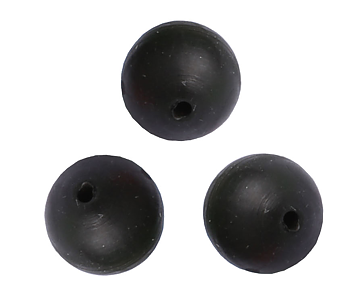


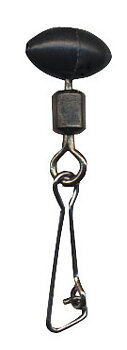
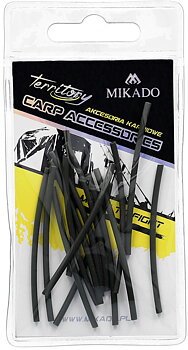
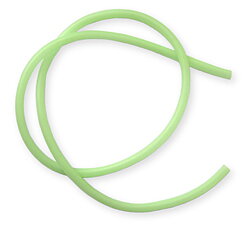

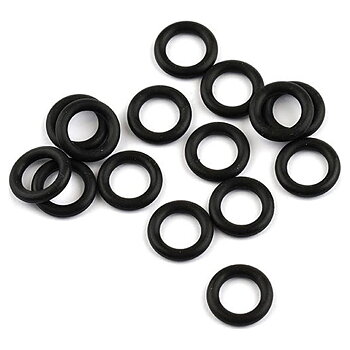
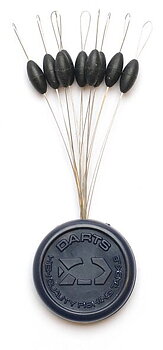
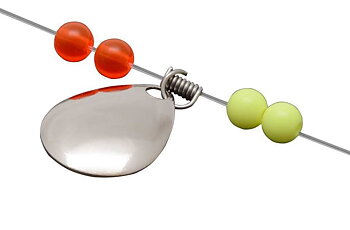
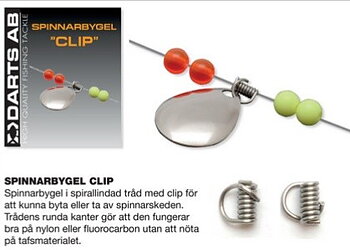

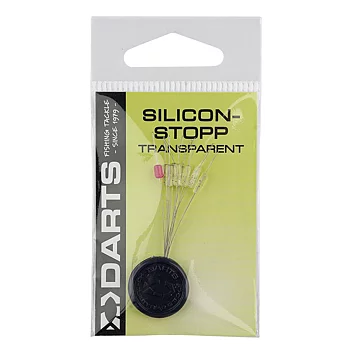
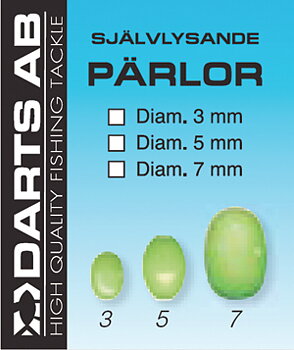
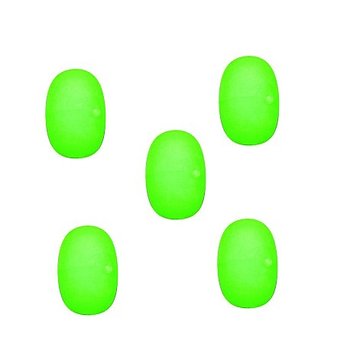
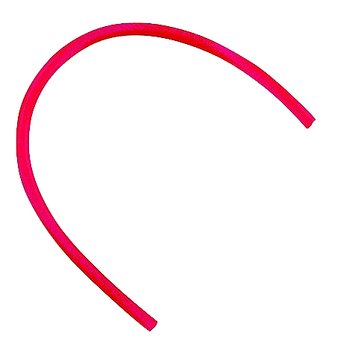
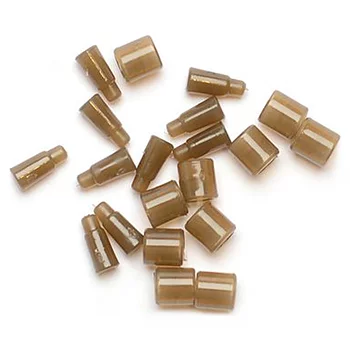
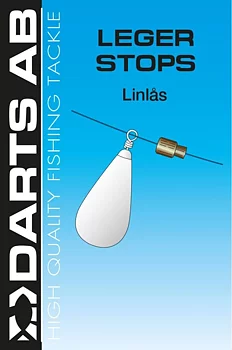
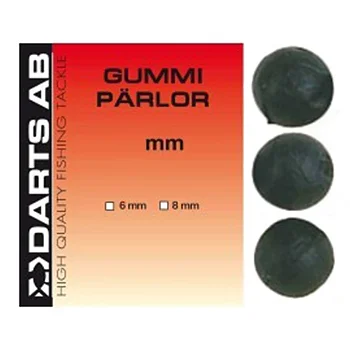
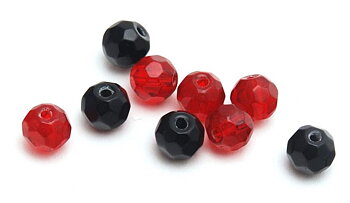
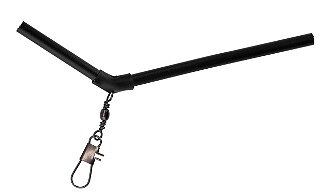

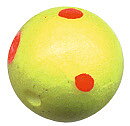
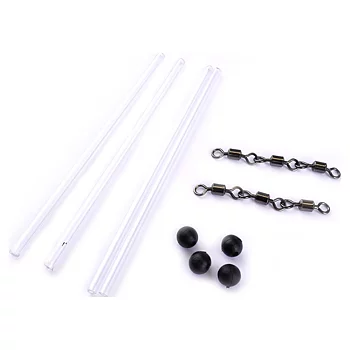
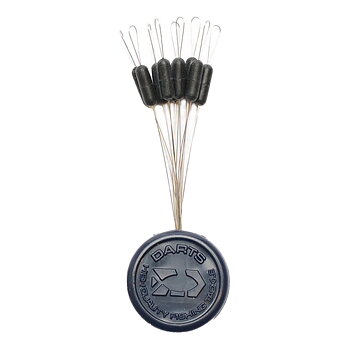
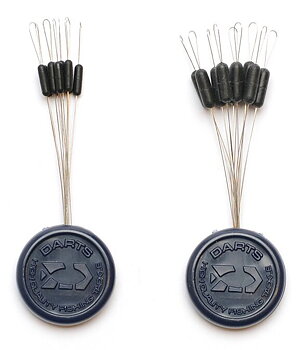

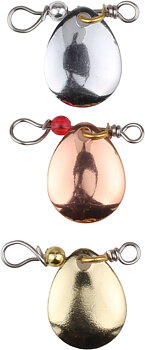
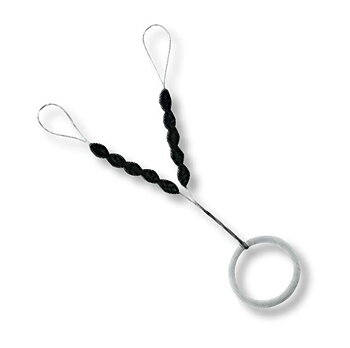
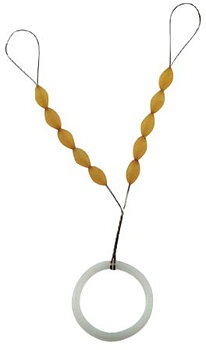
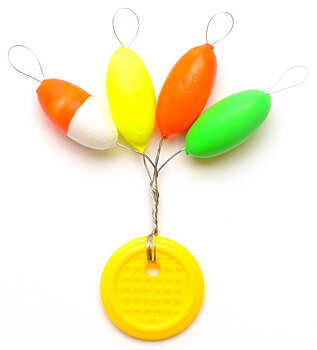
For all kinds of recreational fishing situations, you’ll need items such as tubing, beads, and spools. Here, we’ve gathered everything you could possibly need for various recreational fishing purposes. If you’re fly fishing, you’ll usually need different types of float stops. If you’re making light tackle rigs or hot ice fishing/float trolling rigs, you’ll need colorful tubing and beads. Or if you just need a bead to protect your tip loop from the leader, there are both rubber beads and glow-in-the-dark beads. Glow-in-the-dark beads can also add a little extra attraction when placed in front of the leader while spin fishing.
Tubing, Beads & Spools for Fishing—Small Accessories with Big Impact
Are you looking for tubing, beads, and spools to build, customize, and improve your fishing rigs? Small accessories often play a crucial role in sport fishing and are used to protect knots, adjust the rig’s construction, hold components in place, and create a well-thought-out bait presentation. Whether you’re into traditional angling, carp and specimen fishing, predator fishing, or saltwater fishing, there are many uses for tubing, beads, and spools.
The selection includes, among other items, rubber tubing, rig tubing, float adapters, rig beads, stop beads, bait beads, and glass beads. Different materials, shapes, and sizes serve different functions depending on how the rig is constructed and which fishing method you use.
When fishing for carp, tench, roach, bream, and rudd, these small components can help you create well-balanced rigs. In predator fishing and saltwater fishing, they’re used, among other things, to protect knots, separate parts of the rig, or complement different types of rigs. With the right small parts, it becomes easier to customize your gear to your needs.
Rubber Tubing – Protection and Smart Solutions for Fishing Tackle
Rubber tubing is used in many forms of sport fishing to protect, secure, or separate different parts of a rig. It comes in various sizes and materials, making it possible to find options for everything from light angling to heavier predator and saltwater fishing.
In traditional angling, short pieces of tubing can be used to attach floats, hold components in place, or protect parts of the rig. In carp and specimen fishing, tubing is used in various rig setups to help control the position of components or protect sensitive parts.
In spin fishing and predator fishing, tubing can be used in certain homemade rigs and as protection over selected connectors. It’s important to choose a size that fits the components and doesn’t restrict the bait’s movement.
Rubber tubing is a simple and versatile accessory that can be useful both when building new rigs and when repairing or customizing existing equipment.
Rig Tubing – for coarse, specimen, and carp fishing
Rig tubing is used to customize and protect various parts of fishing tackle. In match and specimen fishing, it can be used to create spacing between components, secure parts, or help ensure the rig functions as intended.
In carp fishing, tubing and other rigging materials are used in certain specialized rigs where the placement of the hook, leader, and other components affects bait presentation. In feeder fishing and traditional coarse fishing, tubing can also be used in setups where you want to keep the rig’s various parts organized.
Rig tubing comes in various diameters and lengths. Choose a model that fits the line, wire, or component you’ll be using with it. Tubing that’s too thick can become bulky, while tubing that’s too thin can be difficult to assemble or may not fit properly.
With the right rig tubing, it becomes easier to create practical solutions for different fishing methods and adapt your tackle to the fishing conditions.
Lure Beads – Protection and Spacing Between Components
Lure beads are used as small stoppers, protectors, or spacers in various types of fishing tackle. They can be placed on the line to separate components, protect knots, or limit how far another part of the rig can move.
In float fishing and specimen fishing, beads can be used in conjunction with float lines, sliding sinkers, and other rig components. They help create a clear structure for the rig and, in certain setups, can reduce direct contact between moving parts.
In predator fishing and saltwater fishing, beads are also found in certain rigs where they act as stops or protection between, for example, the sinker and the leader.
Lure beads come in various sizes, shapes, and materials. Choose a bead with a hole that fits the line and an outer diameter that works well with the other components.
Rig beads and stop beads—keep the rig in place
Rig beads and stop beads are used to limit the movement of various components and help keep the rig in the correct position. They can be made of rubber, plastic, or other materials depending on the intended use.
In sliding rigs, stop beads can be used to limit how far a sinker or other component can move. In various types of angling, beads can also serve as spacers or stops in custom-designed setups.
In carp fishing and specimen fishing, small stopper components can be used in conjunction with rigging materials to hold certain parts in place. The exact function depends on the rig’s design and the type of stopper you choose.
Size matters. A stop bead should fit the line and hold securely without damaging it. Make sure the component doesn’t slip unintentionally when you’re casting or playing a fish.
Glass Beads – for Specialized Tackle and Lure Presentations
Glass beads are used in certain fishing rigs where the material’s hardness, shape, or acoustic properties are integral to the design. They are used, for example, in certain forms of predator fishing, saltwater fishing, and specialized angling.
When a glass bead is placed between two components, it can create a hard contact surface. In some rigs, beads are also used as part of a sound-producing design, where the movement between the components produces a clicking sound.
Glass beads come in various sizes and designs. The choice depends on whether you need a spacer, a protective component, or a bead that is part of a specific rig.
Keep in mind that glass beads can be harder and less flexible than rubber or plastic beads. Therefore, make sure the bead fits the specific setup and does not rub against the line or other sensitive parts.
Beads and Spacers for Carp and Specimen Fishing
In carp and specimen fishing, many small components are used to build rigs suited to different baits and presentations. Beads and balls can help secure parts, create spacing between components, and protect knots or other connections.
When fishing for carp, different rig designs may require specific stoppers and spacers. When fishing for tench, roach, and bream, smaller beads can be used in rigs where sliding components need to be restricted or kept apart.
When fishing for dace in flowing water, small components may also be included in rigs designed to handle current and bottom contact.
It is important not to use larger or heavier components than necessary. In sensitive angling, unnecessarily large parts can affect bait presentation and make the rig more cumbersome.
Tubes, beads, and spools for predator fishing
In predator fishing for pike, zander, and perch, tubing, beads, and spools are primarily used as functional components of various rigs and setups.
When fishing for pike, tubing and other protective components can be used in certain leader and wire constructions. Beads and balls may also be found in specialized rigs where components need to be separated or held in place.
When fishing for zander and perch, smaller beads and tubing can be used in select rigs, depending on the bait and presentation. For lighter fishing, it is often advantageous to choose small components that do not unnecessarily restrict the bait’s movement.
Choose materials and sizes based on the load, and make sure no sharp edges or holes damage the line. Even small components need to be compatible with the specific rig to function reliably.
Tubing and Beads for Saltwater and Bottom Fishing
In saltwater and bottom fishing, tubing, beads, and balls can be used in rigs to separate components, protect knots, and create spacing between sinkers, leaders, and hooks.
When fishing for cod and pollock, for example, different types of rigs are used depending on depth, current, and bait presentation. In some setups, beads can serve as stops or spacers, while tubing can protect specific parts of the rig.
When fishing with heavier rigs, it is especially important that the components are rated for the load. The material should be compatible with the line and other parts of the rig and withstand the stresses that occur during casting, sinking, and the fight.
By having different sizes available, you can build and repair rigs to suit the conditions without having to replace the entire setup.
Small Accessories for Float Fishing and Traditional Angling
In traditional float fishing, small tubes, stopper beads, and beads are used to mount floats and adjust the rig’s performance. They can help keep the float in place, adjust the depth, or create a smooth transition between different components.
When fishing for roach, bream, tench, rudd, and other species, it’s often important that the rig is well-balanced and doesn’t include unnecessarily large parts. Small and lightweight components may therefore be suitable for sensitive fishing.
Choose tubing and stoppers that match the line’s diameter and the type of float or rig you’re using. Make sure the float is securely attached and that the line isn’t damaged when you adjust the setup.
With a small selection of tubing, beads, and sinkers, you can quickly adapt your rig when changing fishing methods or conditions.
Materials and Sizes—How to Choose the Right Small Parts
Tubes, beads, and spools come in many different sizes and materials. To find the right product, it’s important to consider how the component will be used and which other parts it will work with.
- Diameter: The hole and outer diameter should fit the line and other components.
- Material: Rubber is often suitable when flexibility is needed, while harder plastics and glass may be appropriate for other designs.
- Function: Determine whether you need protection, a stopper, a spacer, or a component for a specific rig.
- Fishing Method: Light tackle fishing often requires smaller components than heavier bottom fishing and deep-sea fishing.
- Load: Choose components that match the dimensions of your tackle and the fishing method you use.
- Durability: Check regularly for cracks in tubing, damage to beads, or worn-through holes.
If you fish using several different methods, it’s handy to have a selection of lines, weights, and beads in various sizes. That way, you can quickly make adjustments at the water’s edge and build rigs that suit the situation.
Storing Tubing, Balls, and Beads
Since many of these items are small, it’s easy to lose them or mix up different sizes. A storage box with separate compartments makes it easier to keep track of materials, sizes, and uses.
For example, you can organize the accessories by function: stop beads and rig beads in one compartment, lure beads and glass beads in another, and tubing sorted by diameter.
An organized tackle box or rig box makes it easier to find the right part when you need to build a new rig or repair an existing one. It saves time at the water’s edge and helps you keep your gear ready for your next fishing trip.
How to Choose the Right Line, Swivels, and Beads for Fishing
When choosing these small accessories, it’s important to consider the rig’s design, the line’s size, and the function the component is intended to serve.
- For angling: Choose small, well-suited stops, tubing, and beads for float rigs and specimen rigs.
- For carp fishing: Adapt the components to the rig material, hook set, and bait presentation.
- For predator fishing: Choose sizes that work well with leaders, wire, and other rig components.
- For saltwater fishing: Prioritize materials and sizes that can handle the higher loads.
- For specialty rigs: Check that the beads and spools fit the line and function properly.
- Storage: Sort accessories by size and intended use to find the right ones quickly.
With the right small parts, it’s easier to customize your tackle, swap out components, and create effective solutions for different fishing methods.
Find the right tubing, swivels, and beads for your fishing adventure
Tubing, beads, and spools may be small details, but they serve many practical functions in sport fishing. They help you protect knots, secure components, create spacing, and customize rigs for different fishing methods.
Whether you’re building rigs for carp and specimen fishing, using floats for traditional angling, or crafting your own rigs for predator and saltwater fishing, there are many uses for these accessories.
Explore our selection of rubber tubing, rig tubing, stop beads, rig beads, bait beads, glass beads, and other small parts. Find the right size and material for your gear and make it easier to build well-tailored rigs for your next fishing trip!