
AUTUMN FISHING
- SHOP WITH CONFIDENCE
- Delivery Immediate delivery
- CUSTOMER SERVICE by anglers
- EASY RETURNS 30-day return policy
- PAY SECURELY with Klarna
Fishinghook
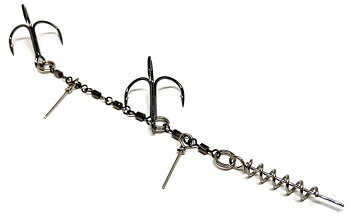
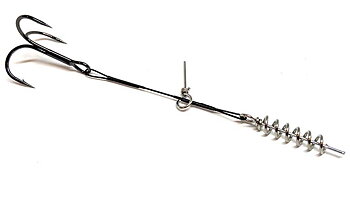
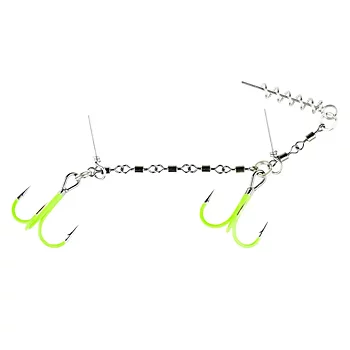
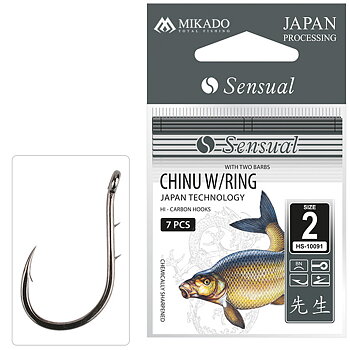
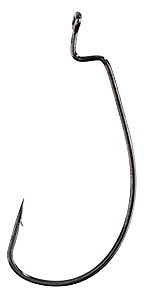
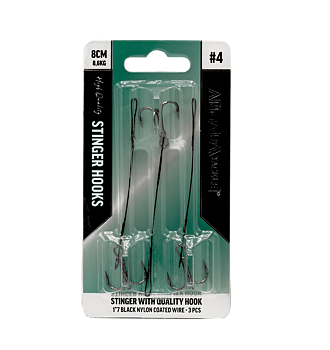
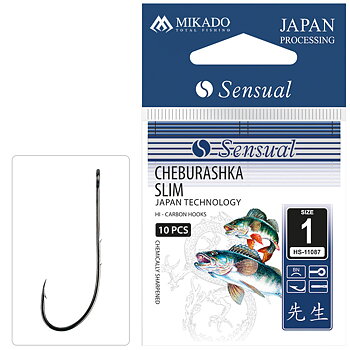
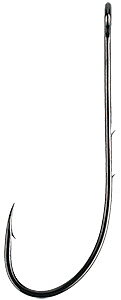
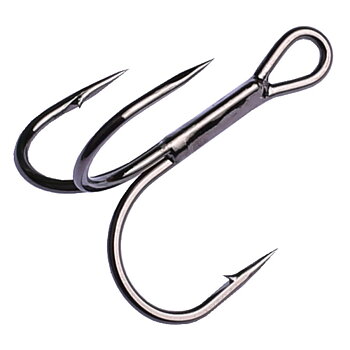

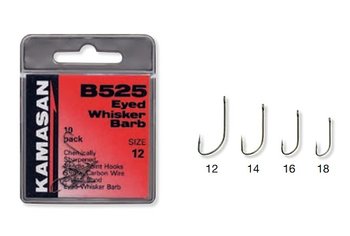
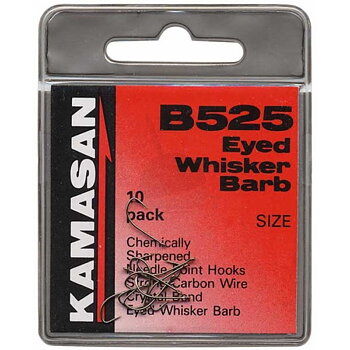
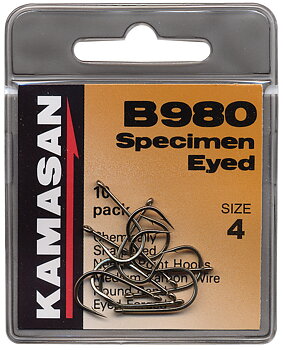
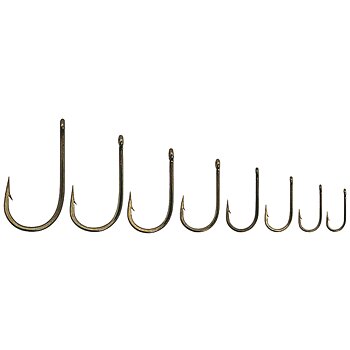
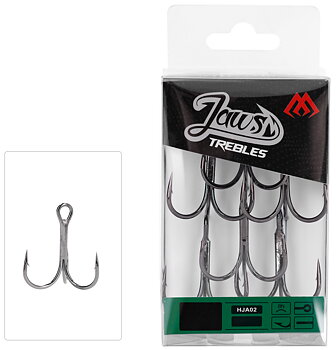
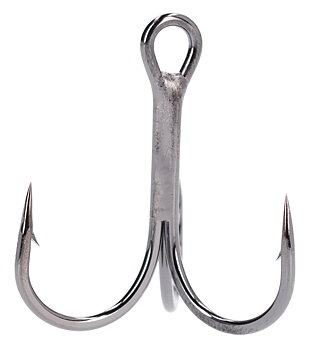
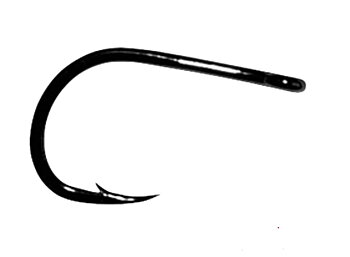
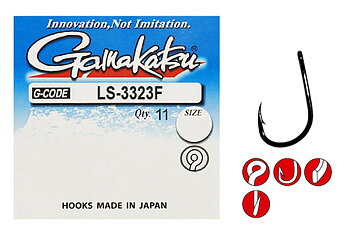


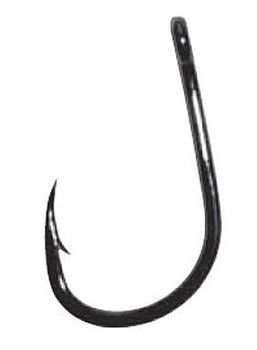
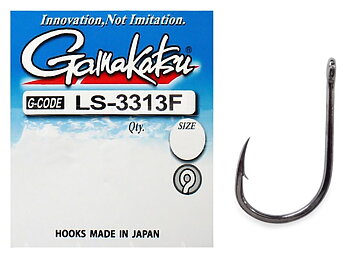
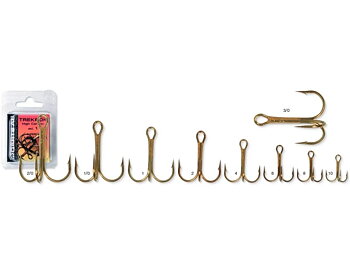
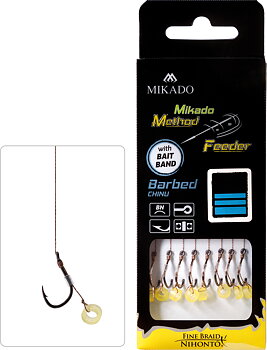
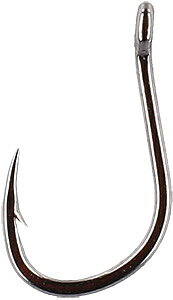
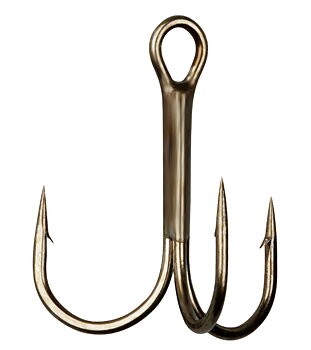
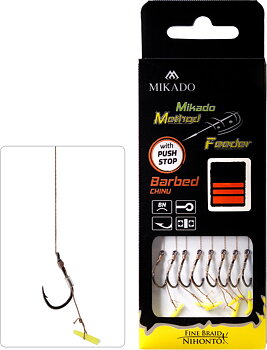
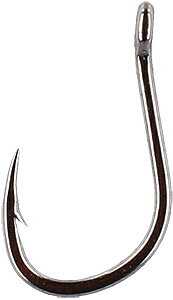

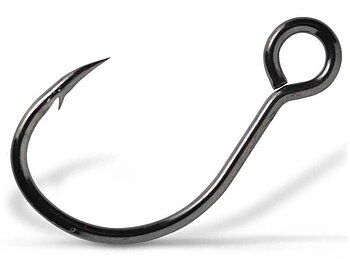
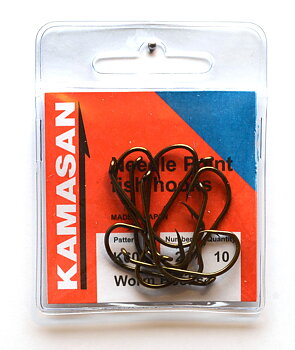
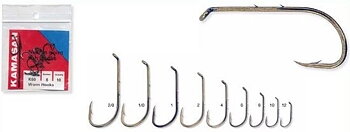

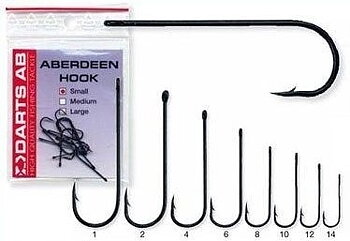
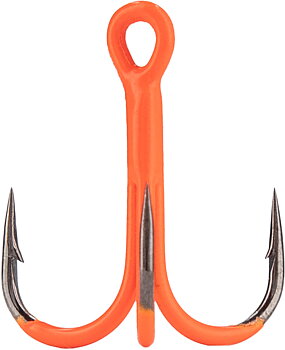
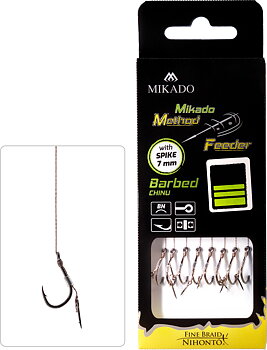
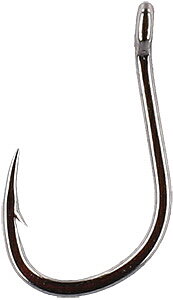
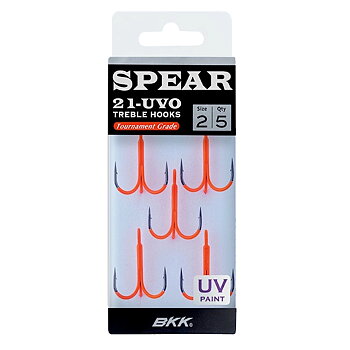
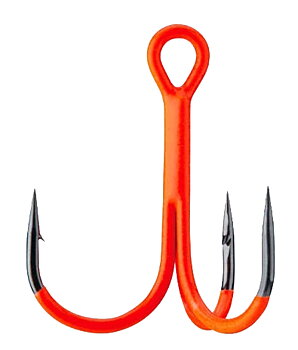
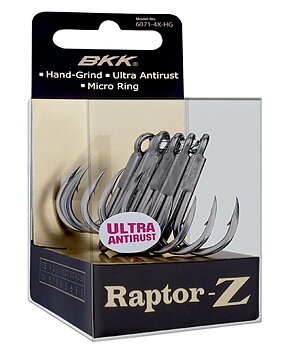
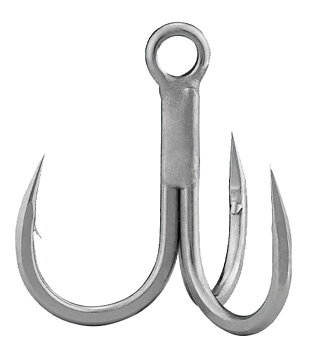
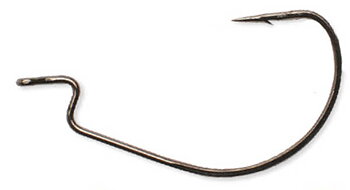
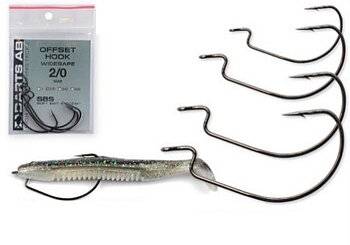

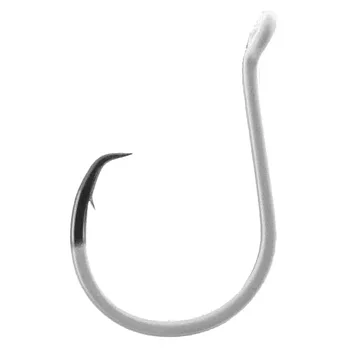
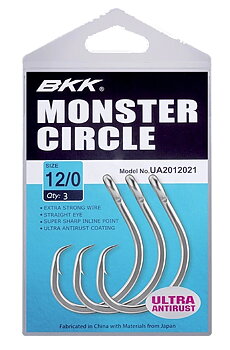
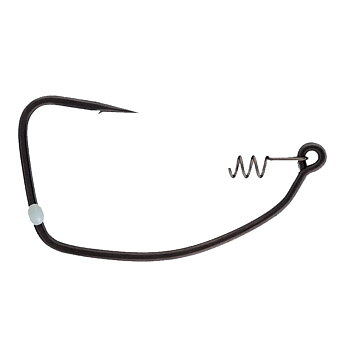
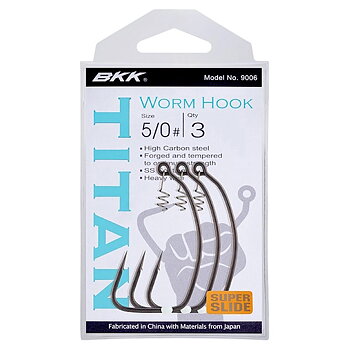
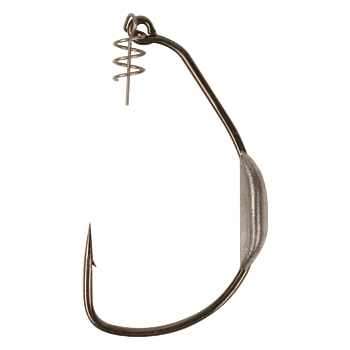


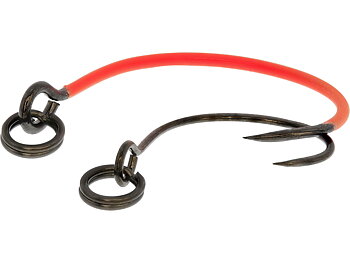
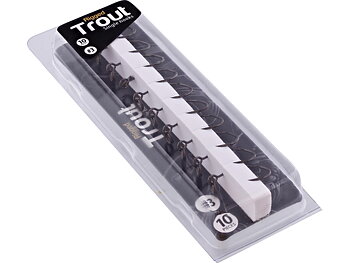


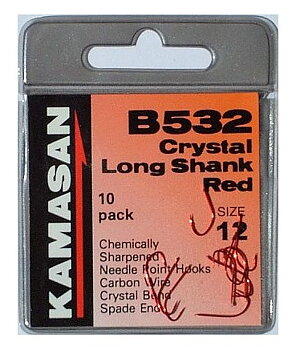
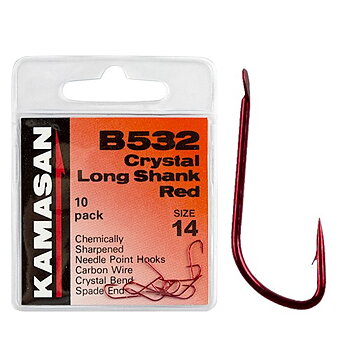
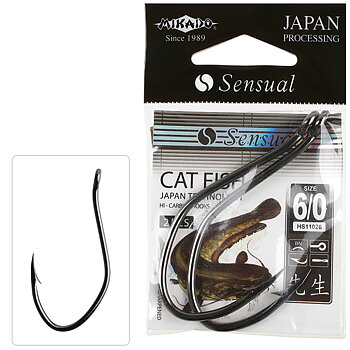
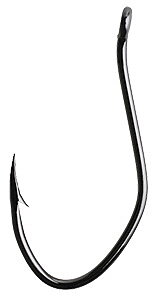
Here you’ll find our selection of fishing hooks—from classic bait hooks to hooks for saltwater fishing in Norway. Whether you’re looking for a classic single hook, double hook, or treble hook, we have the right option for you. We offer professional fishing hooks, with or without barbs, for catching pike, salmon, and other large saltwater fish. Not sure which hook you need for your fishing trip? Contact us! We’re fishing experts and will help you find the right hook and the right size. Explore all our fishing hooks below and find the right hook for your fishing needs. Free shipping on orders over 699 SEK and delivery within 2–4 days.
Fishing Hooks – Find the Right Hook for Every Fishing Method
Are you looking for the right fishing hook for your fishing style? The hook is one of the most important parts of your fishing gear and plays a major role in how the bait is presented, how effectively you hook the fish, and how safely you can land it. Whether you’re fishing with natural baits using traditional angling techniques, using jigs and wobblers for spin fishing, or building custom rigs for carp and specimen fishing, there are fishing hooks to suit your needs.
There are many different types of fishing hooks, ranging from small, thin match hooks to heavy-duty hooks for pike fishing, saltwater fishing, and larger fish. The hook’s shape, size, wire thickness, point, and material all affect how it works in conjunction with the bait and the rest of the tackle.
In Swedish waters, fishing ranges from light perch fishing in smaller lakes to specimen fishing for carp, tench, roach, bream, and rudd, as well as predator fishing for pike and zander. With the right hook for your fishing method, you’ll be better equipped to present the bait properly and handle the fish responsibly.
Single hooks—versatile hooks for sport fishing
Single hooks are used in many different fishing methods and come in a variety of sizes, shapes, and wire gauges. They are used in angling, spin fishing, fly fishing, and soft-bait fishing.
In traditional bottom fishing, single hooks are used to present natural baits such as worms, corn, maggots, and other baits. In spin fishing, they are used on jigs and certain hard lures, while specially designed single hooks can be suited for various types of soft lures and rigs.
A thinner hook may be appropriate when fishing with small baits and you want to keep the presentation light. A thicker hook may be needed when the load is heavier or when using larger baits.
When choosing a single hook, you should base your decision on the size of the lure, the species of fish, and the fishing method. The hook should fit the lure without affecting its movement or presentation more than necessary.
Treble Hooks – for wobblers, spoons, and predator lures
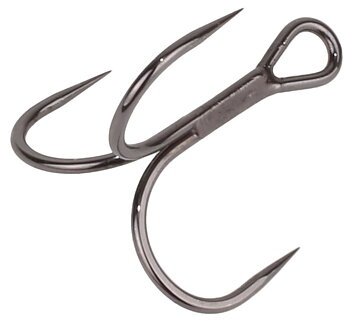
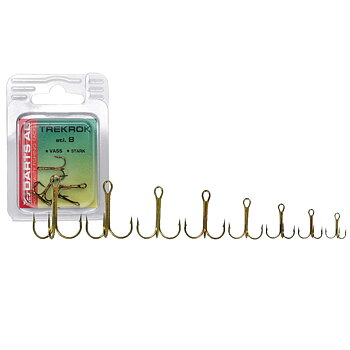
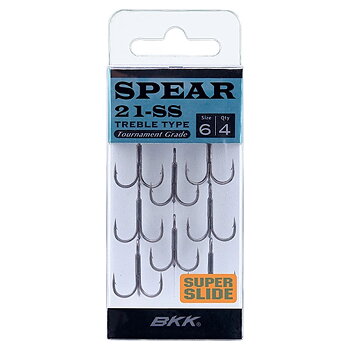
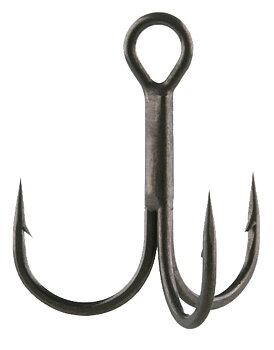
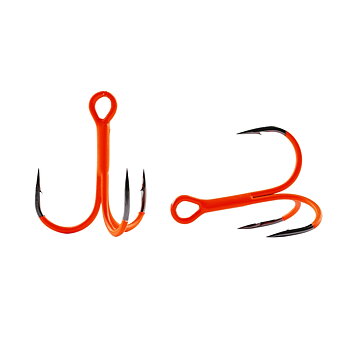
Treble hooks are primarily used on many types of hard lures, such as wobblers, jerkbaits, spoons, and certain spinners. They have three hook points and can therefore provide multiple potential points of contact when a fish strikes the lure.
Treble hooks come in various sizes and strengths, ranging from small models for lighter perch fishing to heavier options for larger predator lures. The right size is important because the hook must fit the lure’s design and not interfere with its action.
When replacing treble hooks, you should consider both weight and size. A larger or heavier hook can alter how a lure floats, sinks, or moves through the water. For certain lures, a single hook may be an alternative when you want to change the hook setup.
Check the hook points regularly and replace any hooks that are dull, rusty, or damaged. Sharp hooks and properly sized spring rings contribute to a well-functioning lure rig.
Fishing Hooks – for roach, bream, tench, rudd, and dace
Fishing hooks come in many designs for different baits and fish species. They’re used for everything from simple summer fishing for roach to more advanced specimen fishing for large bream, tench, rudd, and dace.
The hook’s size and shape should be adapted to the bait. Small hooks may be suitable for maggots, small worms, and other smaller baits, while larger hooks may be appropriate for worm bundles, corn, and other larger bait presentations.
It’s also important to consider the hook’s wire thickness. A thin hook may be suitable for smaller fish and delicate bait presentations, while a sturdier hook may be needed when fishing near vegetation or other obstacles.
When angling, it’s often an advantage to have several hook sizes available. That way, you can adjust your tackle when changing bait, fishing depth, or target species.
Carp Hooks – Specialized Hooks for Modern Carp Fishing
Carp hooks are designed for use with various carp rigs and baits, such as boilies, pop-ups, pellets, and particles. They come in several shapes with varying eye sizes, shanks, gapes, and point angles.
Different models suit different rig designs. A hook with a straight shank may work well in certain rigs, while other shapes are used with, for example, D-rigs, blowback rigs, or other specialized presentations.
The hook size must be adjusted to the bait’s dimensions and the rig’s design. A hook that is too large or too small can affect how the bait is presented and how the rig functions.
When fishing for carp, it’s important to check the hook point regularly. Even seemingly minor damage can impair the hook’s function. Replace the hook as needed and ensure that the entire rig is properly assembled.
Offset hooks—for soft baits and fishing near obstacles
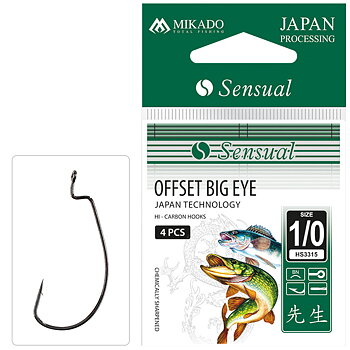
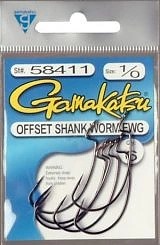
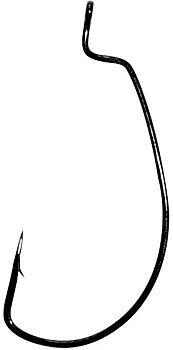
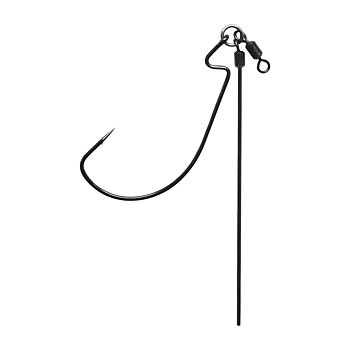
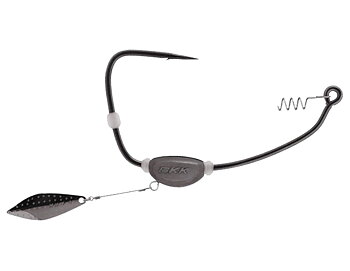
Offset hooks are often used with soft baits when fishing for predators. The hook’s design allows you to rig the bait so that the hook point is close to or partially inside the soft bait.
This can be useful when fishing among vegetation, water lilies, branches, or other obstacles where a traditional hook setup risks getting snagged. Offset hooks are commonly used, for example, when fishing for perch and pike with various types of soft baits.
There are both classic offset hooks and models with wider gaps, often called “wide gap” hooks. The choice depends on the soft bait’s profile and how much space is needed for the hook to function as intended.
Choose a hook that matches the lure’s length and thickness. If the hook is the wrong size, it can affect the lure’s movement or make the hookset less effective.
Jig hooks – for modern spin fishing
Jig hooks are used with soft baits and are available both as standalone hooks and as part of pre-made jig heads. They come in many sizes and shapes for different bait types and fishing methods.
When fishing for perch, smaller jig hooks are often used with small shads, worm jigs, and other soft baits. For zander fishing, longer jigs and stronger hooks may be appropriate, while pike fishing often requires larger sizes and adaptation to heavier lures.
The length and gap of the jig hook must match the lure. The hook should provide enough room to function when a fish strikes without interfering with the lure’s movement.
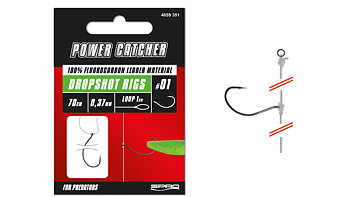
There are also specialized hooks for techniques such as drop-shot, offset rigs, and other finesse methods. By choosing the right model, you can tailor your presentation to the depth, bottom conditions, and the fish’s activity.
Circle Hooks – for Specialized Lure Presentations
Circle hooks have a distinctive curved shape where the hook point curves inward toward the shank. They are used, among other things, in certain types of saltwater fishing, angling, and fishing with natural baits.
The hook’s design allows it, under the right conditions, to catch in the fish’s mouth when the line is pulled tight and the fish turns. This technique differs from traditional hooks, where the angler often sets the hook actively.
When fishing with a circle hook, it is important to follow the recommendations for the specific model and fishing method. A forceful strike may be inappropriate for many circle hooks, as the hook needs to be allowed to slide into the correct position.
Choose the size based on the bait and target species. Circle hooks come in various sizes for everything from smaller baits to larger fish and heavier fishing.
Single hooks for hard lures—an alternative to treble hooks
Single hooks can be used as a replacement for treble hooks on certain wobblers, spoons, and other hard lures, provided the lure’s design allows for it.
Some anglers choose single hooks to simplify handling the fish, reduce the number of exposed hook points, or adapt their gear to the regulations of a particular body of water. The right single hook can also work well on many lures when the size and weight are properly balanced.
When switching from a treble hook to a single hook, it’s important to check the hook’s orientation, gape, and weight. The lure’s balance and action may change, especially on smaller wobblers and light spoons.
Also check local fishing regulations and any requirements regarding hook type before you go fishing.
Fly hooks – for dry flies, nymphs, and streamers
Fly hooks are designed for fly fishing and are used to tie or mount artificial flies. They come in many shapes and sizes, tailored to different fly patterns and fish species.
Dry fly hooks are used when fishing with flies that are meant to float on the water’s surface. Nymph hooks are designed for various types of imitations fished below the surface, while streamer hooks are used for larger flies that mimic, for example, small fish or other prey.
When fly fishing for brown trout, grayling, char, and rainbow trout, the hook’s size and shape are crucial for the fly to have the right profile and action. For larger fish and other fishing methods, stronger hooks may be needed.
Choose a fly hook based on the fly pattern, hook size, and the fish you’re targeting. A suitable hook makes it easier to tie flies that perform as intended.
Hooks for UL, XUL, and BFS—for light and precise fishing
In ultralight (UL), XUL, and BFS fishing, smaller hooks are often used that are suitable for small jigs, spinners, spoons, and wobblers. Here, the balance between the hook’s size, weight, and strength is particularly important.
A hook that’s too large can affect the action of a small lure, while a hook that’s too weak may be unsuitable if you hook a larger fish. Therefore, the choice of hook must be tailored to both the lure and the fish that may be present in the water.
When fishing for perch, brown trout, and rainbow trout, small single hooks, jig hooks, and treble hooks may be appropriate depending on the type of lure and fishing method.
Make sure the hook’s gape and wire thickness match the bait. With the right hook, you’ll achieve a better balance between presentation, durability, and function.
Hooks for Pike and Zander—The Right Strength for Predator Fishing
When fishing for predators like pike and zander, the strength and design of the hook are crucial. This type of fishing often involves jigs, wobblers, jerkbaits, swimbaits, and other artificial lures, where the hook must be suited to both the lure and the strain during the fight.
Pike fishing with larger lures often requires stronger hooks than light perch fishing. When fishing for zander, the hook’s gape and point can be particularly important when using soft plastics or other lures where the hook sets through the body of the lure.
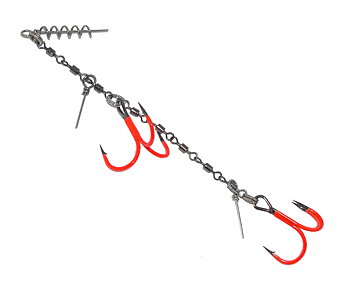
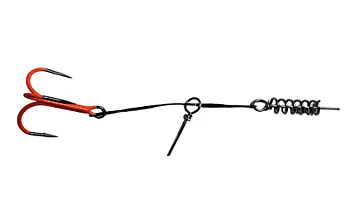
Stingers and additional hooks are also used in certain predator rigs to adjust the hook placement according to the lure’s size and shape. Make sure the rig is secure and that the hooks do not unnecessarily restrict the lure’s movement.
Check the condition of the hooks regularly and choose sizes that are appropriate for the lure, line, and equipment you’re using.
Hook Sizes—How to Choose the Right One
Hook sizes can be confusing because the numbering system varies between different hook types and manufacturers. For many traditional hooks, a higher size number indicates a smaller hook, while sizes designated as 1/0, 2/0, and 3/0, for example, get larger as the number increases.
That’s why it’s important not to rely solely on the number on the package. Also compare the hook’s actual length, gap, and wire thickness when choosing between different models.
Keep the following in mind:
- Bait size: The hook should match the bait and not overpower the presentation.
- Target species: Adjust the strength according to the fish you expect to catch.
- Hook shape: Different shapes are designed for different baits and rigs.
- Wire thickness: Thinner hooks may be suitable for lighter fishing, while thicker models may be needed for heavier loads.
- Hook point: A sharp, undamaged point is essential for the hook to function properly.
If you’re unsure, it can be helpful to have several similar sizes on hand and test which one works best with your bait.
Barbed or barbless hooks—which should you choose?
Fishing hooks are available with and without barbs. The barb’s purpose is to make it harder for the hook to slip out once it has set, while barbless hooks are often easier to remove.
Barbless hooks are used in various forms of angling, including carp fishing and fly fishing. They can be a suitable choice when you want to make unhooking easier and reduce the time spent handling the fish.
The choice of hook should be tailored to the fishing method, the size of the fish, and how you plan to handle your catch. A properly adjusted drag, good line tension, and the right technique during the fight are also important factors.
Always check local fishing regulations, as some bodies of water may have specific requirements regarding barbless hooks or other hook types.
Sharp hooks and maintenance—check your gear regularly
Even a high-quality hook needs to be checked regularly. Contact with rocks, the bottom, vegetation, or hard objects can wear down the point or damage the hook’s surface.
Pay particular attention to the hook point, the hook bend, and any signs of rust or deformation. Replace hooks that are damaged or no longer have a sharp point.
When fishing with hard lures, spring rings and hook attachments may also need to be inspected. A strong hook is not enough if the connection between the hook and the lure is weakened.
Store your hooks in a dry, organized manner in suitable boxes. It’s a good idea to separate different hook types and sizes so you can quickly find the right model when you need to replace one.
How to Choose the Right Fishing Hook
When choosing a fishing hook, it’s important to consider your fishing method, the type of bait, and the fish you’re targeting. The right hook should suit the presentation while also being strong enough to handle the load.
- Angling: Choose hooks based on natural bait, target species, and leader size.
- Carp and specimen fishing: Adapt the hook shape and size to the rig, bait, and fishing conditions.
- Spin fishing: Choose single hooks or treble hooks that suit the bait’s design and weight.
- Predator fishing: Make sure the hook has sufficient strength for the lure and the fish you might catch.
- UL, XUL, and BFS: Prioritize a good balance between low weight, the right hook size, and sufficient strength.
- Fly fishing: Choose a hook based on the fly pattern, size, and fish species.
- Maintenance: Check the points, for rust, and for deformation regularly.
With a well-organized selection of fishing hooks in various sizes and styles, it becomes easier to adapt your tackle to the day’s conditions and your favorite techniques.
Find the right fishing hooks for your next fishing adventure
The right fishing hook helps you present the bait effectively and gives you a better chance of hooking and landing the fish. Whether you’re looking for small match hooks for whitefish, specialty hooks for carp, offset hooks for soft baits, treble hooks for predator lures, or fly hooks for trout and grayling, there are models for many different fishing methods.
Explore our selection of fishing hooks for coarse fishing, specimen fishing, carp fishing, spin fishing, predator fishing, ultralight fishing, and fly fishing. Find the right size, shape, and strength for your gear and stock up your tackle box for your next fishing trip.
Choose the right hook for your fishing style and be ready when the next bite comes!