
AUTUMN FISHING
- SHOP WITH CONFIDENCE
- Delivery Immediate delivery
- CUSTOMER SERVICE by anglers
- EASY RETURNS 30-day return policy
- PAY SECURELY with Klarna
Sea Trout & Salmon
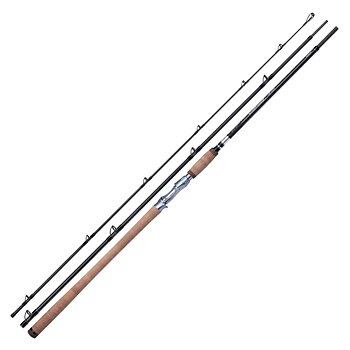
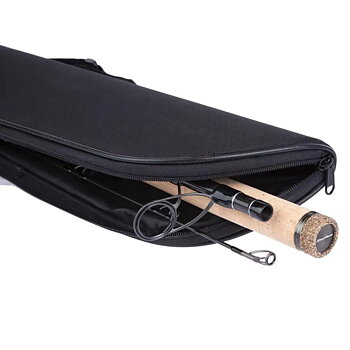
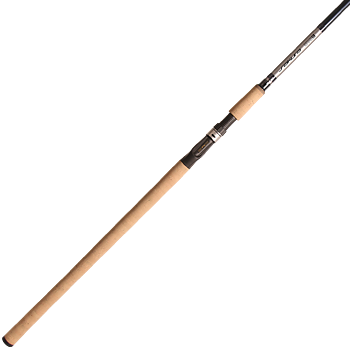
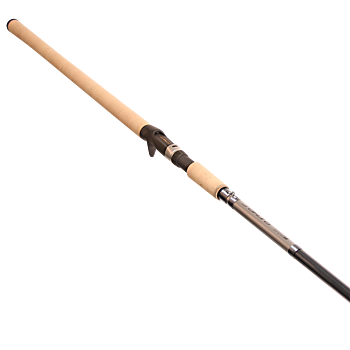
Fishing Rods for Sea Trout and Salmon – Multi, Casting, and Spinning Rods for River Fishing
Are you looking for the right fishing rod for sea trout and salmon in flowing water? River fishing places high demands on your gear. You need a rod that can handle heavy lures, provide good casting distance, and allow you to control both the line and the lure in varying current conditions. Whether you’re fishing the Dalälven River near Älvkarleby, the Indalsälven River near Bergeforsen, or other salmon and sea trout waters, choosing the right rod is key to getting the most out of your fishing experience.
Here you’ll find rods for multi-purpose, casting, and reel fishing, tailored to different fishing methods and lure weights. Choose from powerful rods for traditional spin fishing, models for spin fly fishing with a sinker, and rods that are ideal when you need long casts and good control in flowing water. With the right length, casting weight, and action, you’ll be better equipped to fish effectively and handle strong fish.
Salmon Rods for Multi and Casting—Power for the River’s Challenges
Are you looking for a casting or multi-purpose rod for salmon? When fishing for salmon in larger rivers, the rod needs to withstand heavy loads, strong currents, and lures that sometimes weigh significantly more than those used in regular spin fishing. A sturdy rod with sufficient backbone gives you better control during the cast and helps you handle the fish when it makes long runs.
Casting and multi-purpose rods are used with a multi-reel and are ideal for anglers who prefer direct control over the line and gear designed for active spin fishing. When fishing in rivers, a longer rod can be advantageous when you need to guide the line over currents and cover larger areas from shore. The correct casting weight depends on whether you’re using spoons, heavier wobblers, or spinnerbaits with a sinker.
When fishing with heavier lures, it’s important that the rod is designed to handle the load you’re putting on it. Therefore, choose the casting weight based on the weight of the complete rig and take into account how much resistance the lure creates in the current. A powerful salmon rod should combine strength with sufficient flexibility to help you maintain control during the fight.
If you fish regularly in larger rivers, a specialized salmon rod for a multi-reel setup can be a good choice. Pair it with a sturdy multi-reel, a suitable line, and a setup that matches your fishing method and local conditions.
Salmon Rods for Reel and Spin Fishing – Casting Distance and Control
A salmon rod for a spinning reel is a popular choice for those who want to combine casting distance with simple and smooth handling. In traditional spin fishing for salmon, lures such as spoons and wobblers are used, while other methods rely on spin flies and sinkers. Your gear needs to be adapted to the weight of the lures, the strength of the current, and how you’re fishing the river.
A longer spinning rod can help you cast farther and maintain better control over the line when fishing from shore. It can also be an advantage when you need to guide the lure through different current channels or fish a wider section of the river. A model with sufficient casting weight allows you to cast heavier lures without overloading the rod.
When fishing for salmon and sea trout in flowing water, it’s important that the rod has enough power to handle the fish’s strength. At the same time, a flexible action can help even out the strain during the fight. The best combination depends on your fishing method and how much weight you need to cast.
For those who want easy-to-use gear for river fishing, a spinning rod and spinning reel are a good option. Choose a model designed for your most common lure weight and pair it with a reel and line that can withstand the stresses of fishing for large salmon and sea trout.
Sea Trout Rods for River Fishing – Sensitivity and Flexibility
Sea trout fishing in flowing water requires a rod that combines casting distance, lure control, and flexibility. Unlike many forms of coastal fishing, in rivers you may need to adjust your presentation based on the current’s direction and speed. The rod’s length and action affect how you can control the line and how effectively you fish through different current zones.
For traditional spin fishing, rods with a casting weight suitable for spoons, wobblers, and other lures that work in rivers are ideal. A longer rod can make it easier when you need to keep the line above the current or guide the lure through a specific part of the water. At the same time, the rod needs to be flexible enough to handle fast runs and sudden movements during the fight.
When fishing for sea trout, both spinning rods and casting rods can work well. The choice depends, among other things, on the lures you use, how you want to cast, and the type of reel you prefer. If you’re fishing with heavier lures in a strong current, a sturdier rod is recommended, while a lighter option may be better suited when your fishing method allows for smaller lures.
A well-balanced sea trout rod makes fishing more comfortable during long sessions and gives you better control over the entire presentation. Choose your gear based on the water you’re fishing in and prioritize a combination that suits both the casting weight and the expected load.
Spinner fly and sinker—choose the right rod for river fishing
Spin fly fishing with a sinker is a well-established method for salmon and sea trout fishing in certain flowing waters. This method allows you to fish with a fly on a rig that can be cast using spin tackle. The rod must therefore be able to handle the weight of the sinker while providing sufficient length and control to allow you to present the rig effectively.
For example, when fishing in the rivers of Älvkarleby, you may encounter waters with varying depths and current speeds. Therefore, it’s important to choose a casting weight based on the rig you’re using and the conditions you encounter. Heavier sinkers may be needed in certain situations, but the assembled rig must always fall within the rod’s recommended casting range.
A longer and sturdier spinning rod may be suitable when you want to cast the rig and guide the line through the current. Both reel rods and casting rods can be used, provided the model is designed for the load and suits your fishing technique.
Always check which tackle, lines, and methods are permitted at the specific fishing location. The rules may vary between different rivers, sections, and seasons, which is particularly important when fishing for salmon and sea trout.
Rods for Älvkarleby—tailored for fishing in the Dalälven River
Älvkarleby is known for its salmon and sea trout fishing in the Dalälven River, particularly downstream from the Älvkarleby Falls. Here, fishing conditions vary between fast-flowing sections and calmer waters further downstream. This places different demands on the rod’s length, casting weight, and ability to handle the lure in the current. <Cite refs={["turn317805search0","turn317805search1"]}/>
For those fishing from shore in faster-flowing sections, a longer and more powerful salmon rod can be a good choice. It allows you to cast heavier lures and helps you maintain control over the line. A rod with the right casting weight is especially important when using spoons or spin flies with a sinker.
When fishing in calmer sections, a slightly different setup may be appropriate depending on the type of lure and fishing method. Therefore, it’s wise to choose a rod based on the part of the river where you fish most often, rather than relying on a single model for all situations.
Whether you prefer a spinning reel or a multi-reel, you should prioritize sturdy and well-balanced gear that can handle both the weight of the lures and the strain from the current.
Rods for Bergeforsen—Control in Running Water
Bergeforsen on the Indalsälven is another well-known area for salmon fishing. When fishing in flowing water, it’s important to choose a rod based on the specific fishing section, the type of lure, and the strain placed on the rig as it’s worked through the current. <Cite refs={["turn317805search7"]}/>
A powerful spinning rod for a spinning reel may be right for you if you want easy-to-use gear for traditional spin fishing. If you prefer a multi-reel, a casting rod can be a good option, especially if you’re used to casting heavier lures and want direct control over the line.
The rod’s length can play a major role when fishing from shore and you need to guide the line across the current. At the same time, the casting weight must be suitable for the lures and tackle you’re using. A rod that’s too light for your rig can become overloaded, while a well-matched rod provides better control and more comfortable casting.
Before you go fishing, it’s important to check the current fishing regulations for the zone and period you plan to visit. The rules regarding permitted methods and lures may vary between sections of Bergeforsen. <Cite refs={["turn317805search7"]}/>
The Difference Between Multi-Purpose, Casting, and Spinning Rods for Salmon and Sea Trout
When choosing a rod for river fishing, it’s helpful to understand the differences between the most common options. Casting and multi-reel rods are designed for multi-reels, while spin rods in this category typically refer to models for spinning reels.
- Multi- and casting rods for salmon: are ideal for anglers who prefer multi-reels and need power for heavier lures and challenging river fishing.
- Spinning rods for spinning reels: offer smooth handling and work well for many types of spin fishing for salmon and sea trout.
- Longer river rods: can improve casting distance and line control when fishing from shore in flowing water.
- Heavy-duty rods: are ideal when using heavier lures or rigs and needing sufficient backbone.
- Flexible rods: can help even out the load during the fight and provide better control over the fish.
The choice isn’t just about the reel type. The rod’s casting weight, length, and action also need to match your fishing technique. A good combination of rod, reel, and line provides better control during the cast and makes it easier to fish effectively during longer sessions.
How to Choose the Right Rod for Salmon and Sea Trout Fishing
When buying a new rod for river fishing, there are several characteristics to compare.
Casting weight: Choose based on the weight of the lure or the complete rig. Spinnerbaits with sinkers and heavier spoons often require heavier tackle than lighter lures.
Rod Length: A longer rod can provide better casting distance and help you guide the line through the current. Shorter models may be more maneuverable in areas where space is limited.
Action: A faster action can provide a clear response and control, while a more flexible action can help handle sudden runs.
Power and backbone: Important when fishing for large salmon and sea trout or using lures that offer significant resistance in the current.
Reel Type: Choose between a spinning reel and a multi-reel depending on your experience, fishing technique, and the lures you use.
Line and other equipment: Choose your line, leader, and other components based on the size of the fish, current conditions, and the fishing method you’re using.
Also keep in mind that the rod’s recommended casting weight is not the same as the fish’s potential weight. A rod should be chosen based on casting load and fishing technique, while the reel, line, and other equipment must be sized to handle the fish’s strength.
Find your new multi-, casting, or spinning rod for salmon and sea trout
Whether you’re looking for a powerful salmon rod for Älvkarleby, a well-balanced spinning rod for Bergeforsen, or a versatile casting rod for fishing in other flowing waters, there are models available for various fishing methods and skill levels.
Explore our selection of multi-, casting, and spinning rods for salmon and sea trout. Find a model that suits your lures, your reel type, and the conditions you’re fishing in. With the right gear, you’ll enjoy better casting control, more effective lure presentation, and the right tools to handle strong fish in flowing waters.
Find your new river rod and get ready for exciting salmon and sea trout fishing in Älvkarleby, Bergeforsen, and other classic fishing spots!