
AUTUMN FISHING
- SHOP WITH CONFIDENCE
- Delivery Immediate delivery
- CUSTOMER SERVICE by anglers
- EASY RETURNS 30-day return policy
- PAY SECURELY with Klarna
Leaders
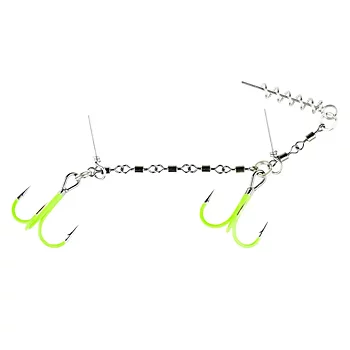
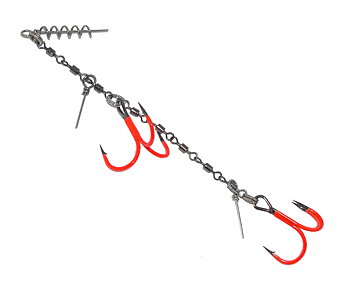
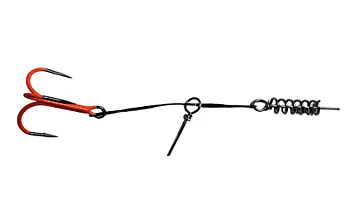
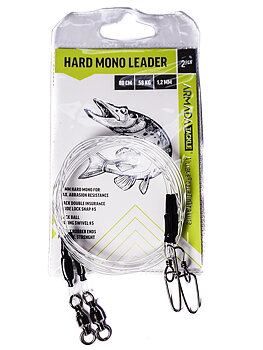
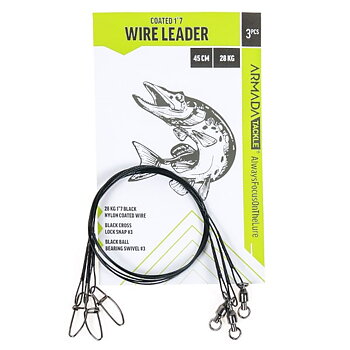
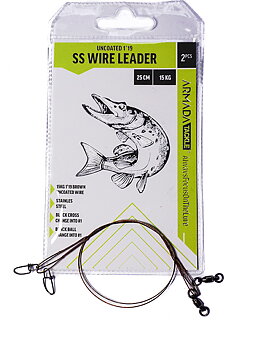
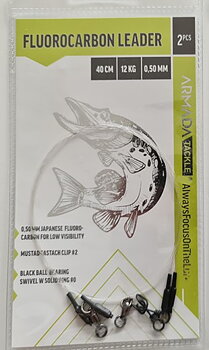
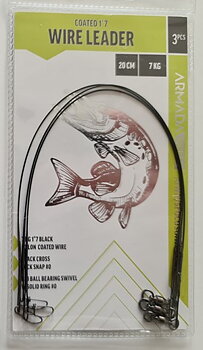
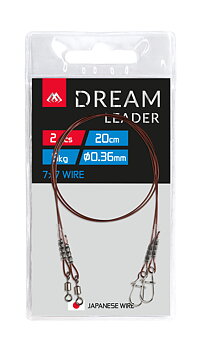
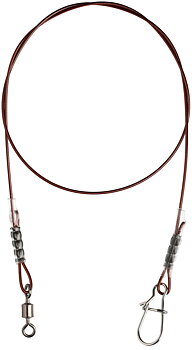
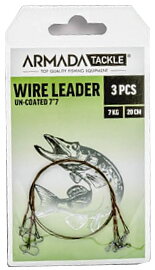
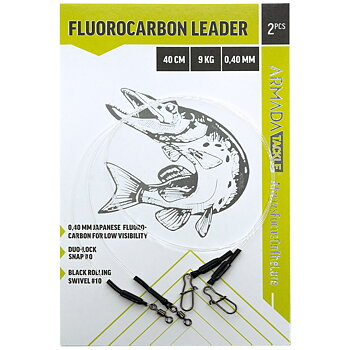

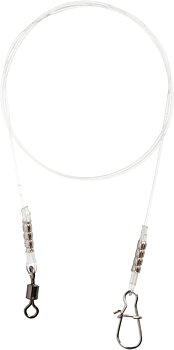
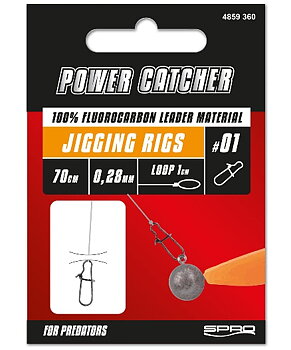
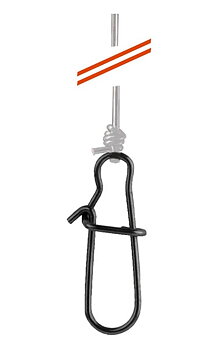
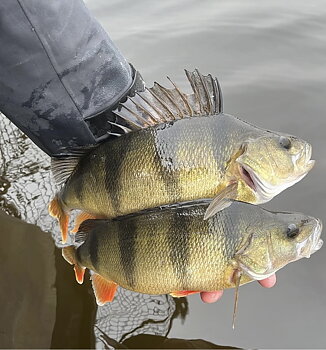


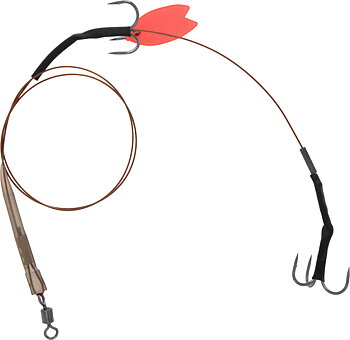
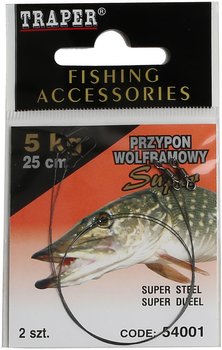

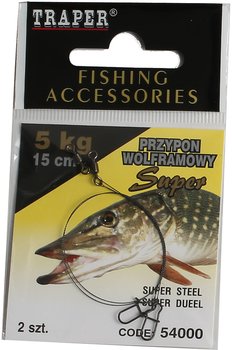
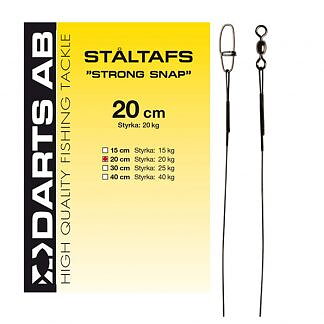
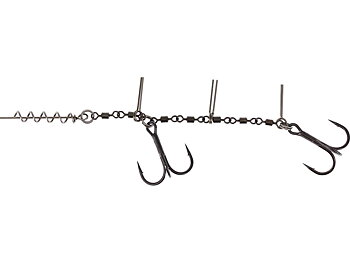
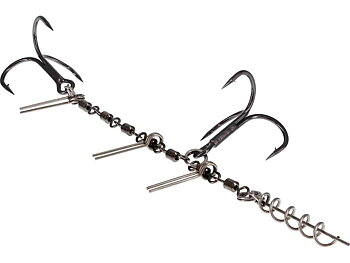


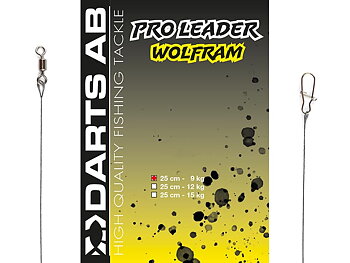
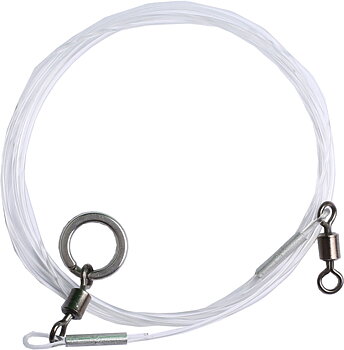
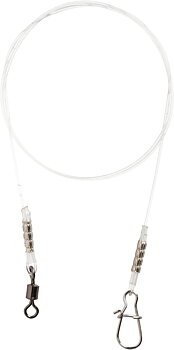

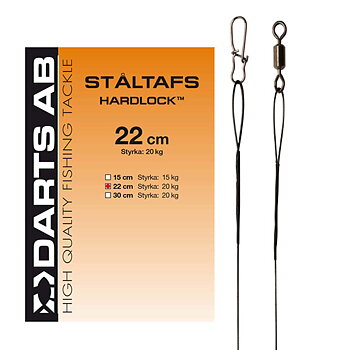
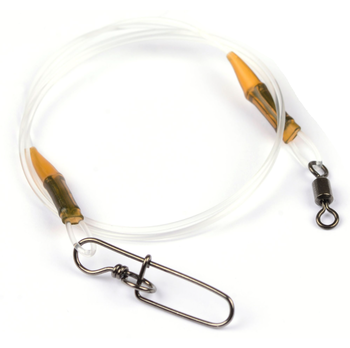
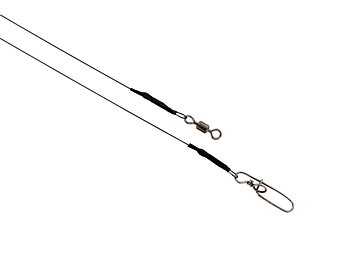

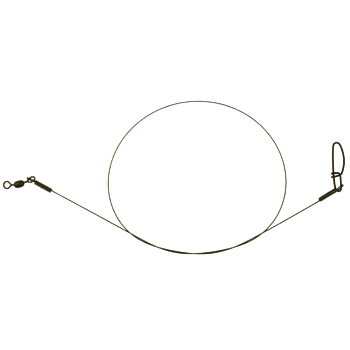
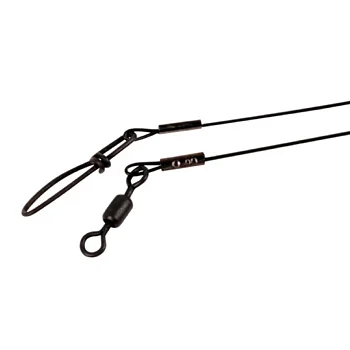
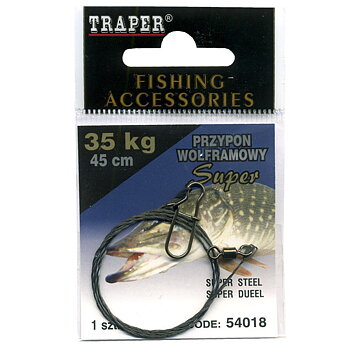
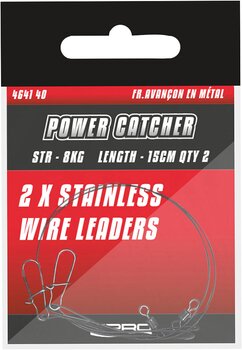
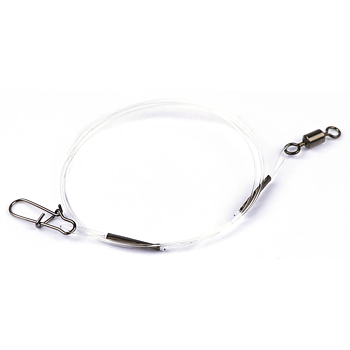
Prevent fish from biting through your fishing line with a leader. Here you’ll find our wide selection of leaders made from various materials for all types of fishing. We carry steel leaders, fluorocarbon leaders, and nylon leaders for both saltwater and pike fishing. Choose from different lengths and models, with or without a hook. We offer professional leaders of the highest quality to make your fishing easier. Order today for delivery within 2–4 days.
Fishing Leaders – Find the Right Leader for Perch, Pike, Zander, and Sea Trout
Are you looking for leaders that suit your fishing style and the species you want to catch? A good leader is an essential part of your fishing gear and can affect the presentation of the bait, durability, and safety during the fight. Whether you’re fishing for perch in a lake, pike among the reeds, zander in deeper water, or sea trout along the coast, there are leaders suited to various fishing methods and conditions.
Leaders come in a variety of materials and designs, including fluorocarbon, nylon, steel wire, and titanium. They are used to create a durable connection between the main line and the lure, reduce the risk of line breakage, and adapt the tackle to the fish’s teeth, bottom conditions, and the lure’s characteristics.
The choice of leader depends on the species of fish you’re targeting, the line you’re using, the size of the lures you’re fishing with, and how you want the lure to move. With the right leader, you’ll have gear that’s better suited for everything from light finesse fishing to heavy predator fishing and demanding saltwater fishing.
Fluorocarbon leaders—discreet and durable
Fluorocarbon is a popular leader material in many forms of sport fishing. The material is relatively durable, has properties that make it useful near rocky bottoms, and is less visible underwater than many other line materials under certain conditions.
Fluorocarbon leaders are used, among other things, when fishing for perch, zander, sea trout, and rainbow trout. They are suitable for both spin fishing with hard and soft lures and for various forms of finesse fishing where you want a discreet connection between the main line and the lure.
When fishing for perch, a thinner fluorocarbon leader can be a good option when using small jigs, wobblers, and other smaller lures. For zander fishing, thicker leaders are often used when durability and contact with the bottom are important.
Keep in mind that fluorocarbon is not a guaranteed protection against pike teeth. If pike is a likely bycatch, you should choose a leader that is designed to withstand contact with teeth, such as steel wire or titanium.
Steel leaders—protection against pike’s sharp teeth
Steel leaders are a common choice for pike fishing because pike teeth can easily damage standard nylon line and fluorocarbon. A steel leader provides mechanical protection between the main line and the lure, reducing the risk of the fish biting through the line.
Steel leaders come in various lengths, sizes, and designs. Some are soft and flexible, while others are stiffer and designed to withstand the strain from larger lures and powerful strikes.
When fishing with smaller lures, a supple steel leader may be appropriate, while larger jerkbaits, swimbaits, and heavy pike lures often require sturdier components. The length of the leader also needs to be adjusted according to the size of the lure and how the pike is expected to attack it.
Choose a steel leader with an appropriate breaking strength and regularly check the wire, crimps, swivels, and lure clips. Replace the leader if it has been damaged, has severe kinks, or shows signs of wear.
Titanium Leaders—Flexible Options for Predator Fishing
Titanium leaders are a popular choice for anglers seeking a durable leader material for pike fishing and other predator fishing. Titanium comes in various constructions and can offer good resistance to kinks and deformation, depending on the material and design.
A titanium leader can be particularly useful when you fish extensively with hard lures, jerkbaits, or other lures where the leader’s flexibility and shape affect the presentation. The material is also used by anglers who want a durable leader for repeated fishing with larger predator lures.
Titanium leaders come in various sizes and breaking strengths. Your choice should be based on the weight of the lure, your fishing method, and the size of the fish you expect to catch.
Always check the ends of the leader, the connections, and any crimps. Even a durable material needs to be inspected regularly to ensure that the entire leader is functioning properly.
Nylon and monofilament leaders—versatile for various fishing methods
Nylon and other monofilament materials are used in many types of fishing tackle. They are flexible and can be useful when you want a leader with some stretch and a natural presentation of the bait.
Monofilament leaders are used in traditional angling, fly fishing, and various forms of spin fishing, among other techniques. They can be used for species such as perch, zander, rainbow trout, and brown trout, depending on the line size, fishing method, and conditions.
When fishing with small lures, a thin nylon or monofilament leader can help ensure a natural presentation. In bottom fishing, this material is often used to create a separate leader between the main line and the hook, making it easy to change hooks or adjust the rig.
Nylon has different properties than fluorocarbon, particularly in terms of stretch and how the material behaves in water. Choose your material based on your fishing method, and keep in mind that standard monofilament does not provide reliable protection against pike teeth.
Leaders for Perch Fishing—From Light Spin Fishing to BFS
When fishing for perch, relatively thin leaders are often used that are suitable for small jigs, spinners, wobblers, and other lures. The leader’s size and material should be adapted to the size of the lure, the main line, and the risk of fishing near sharp rocks, mussels, or other abrasive structures.
For traditional jig fishing, fluorocarbon can be a good choice thanks to its durability and discreet presentation. When fishing with UL, XUL, and BFS setups, it’s especially important not to choose a leader that’s unnecessarily thick or stiff, as this can affect the movement of small lures.
However, if you’re fishing in waters where pike are present, you need to consider the risk of the line being bitten through. A thin fluorocarbon or nylon leader is not equivalent to a pike-proof leader.
For anglers who switch between small finesse lures and larger perch lures, it’s practical to have several leader sizes on hand. That way, you can adapt your gear to the lure, the water, and the day’s fishing conditions.
Leaders for Zander Fishing – Durability and Control
Zander fishing is often done with jigs and other lures near the bottom, where the leader can be exposed to abrasion from rocks, gravel, and other structures. That’s why many anglers choose fluorocarbon or other suitable leader materials that offer a good combination of durability and flexibility.
When jigging, the leader’s size can be adjusted based on the lure’s size, the main line’s strength, and your fishing style. A thicker leader may be warranted when fishing near a hard bottom or using larger lures, while lighter fishing may require a more flexible solution.
Zander do not have the same type of sharp teeth as pike, but the leader still needs to withstand wear and stress. If pike are present in the same waters, it’s wise to adjust the leader to account for that risk.
Choose a leader that provides good contact with the lure without making the presentation unnecessarily stiff.
Leaders for pike fishing—the right material for a safe fight
When targeting pike, the leader is one of the most important pieces of equipment. A pike’s sharp teeth can cut through standard line materials, and a suitable leader reduces the risk of losing both the fish and the lure.
Steel wire and titanium are common options for pike fishing. Specialized leader materials designed for toothed predatory fish may also be suitable, provided they meet the correct specifications for the type of fishing.
For lighter pike fishing with smaller lures, a thinner and more flexible leader can work well. When fishing with large shads, jerkbaits, and heavy swimbaits, you need to choose leader sizes and swivels that can withstand both casting loads and powerful strikes.
The leader should be long enough to reduce the risk of the pike reaching the main line with its teeth. Also check the strength and function of the bait clip and swivel.
Inspect the leader after each fish and replace it if you notice any damage, deformation, or worn swivels. A good leader is an essential part of safe and reliable gear.
Leaders for sea trout—designed for coastal fishing
Sea trout fishing along the Swedish coast places special demands on your gear. You’ll often fish with spoons, coastal wobblers, and other lures that need to move naturally during the cast and retrieve.
Fluorocarbon and nylon are common materials for leaders in sea trout fishing. The choice depends on factors such as the size of the lure, the main line’s diameter, water conditions, and how much abrasion resistance you need.
A suitable leader can contribute to a smooth presentation and provide extra protection against abrasion from rocks and other structures. It’s important to choose a size that fits the lure and doesn’t unnecessarily restrict its action.
When fishing from the shore, it’s also wise to check your leader and knots regularly. Saltwater, repeated stress, and contact with the bottom can wear down your gear over time.
Leaders for Rainbow Trout and Brown Trout
When fishing for rainbow trout and brown trout, thin and supple leaders are often used, especially when the fish are wary or when fishing with small lures. Fluorocarbon and nylon can both be suitable options depending on the fishing method.
When spin fishing with small spinners, spoons, and wobblers, it’s important that the leader matches the size and action of the lure. In fly fishing, leaders are chosen to match the fly line, the fly, and the conditions at the water’s edge.
In put-and-take waters for rainbow trout, a thinner leader can be a good choice when fishing with small lures or flies. In running water for brown trout, durability and control may be more important, especially if you’re fishing near rocks and other obstacles.
Always match the line size to the size of the fish, the strength of your tackle, and the risk of wear and tear.
Leaders for saltwater fishing
In saltwater fishing, leaders made of various materials are used depending on the fish species, depth, and fishing method. This type of fishing often involves heavier lures, greater stress, and contact with the bottom, which places demands on both the material and the connections.
Fluorocarbon and monofilament are used in certain rigs, while steel wire may be appropriate when the fish species has sharp teeth. For heavier fishing, it is important to choose the correct breaking strength and ensure that swivels, bait locks, and other components can withstand the load.
Saltwater can corrode metal parts and connectors over time. Therefore, rinse your gear according to the manufacturer’s recommendations and inspect the ends of your leaders after fishing.
The right leader helps you tailor your tackle to the target fish and the prevailing conditions at sea.
Leaders for Match, Feeder, and Specimen Fishing
In traditional match fishing, feeder fishing, and specimen fishing, leaders are often used as a separate component between the main line and the hook. This makes it easy to adjust hook size, line material, and leader length to suit the bait and fishing method.
When fishing for carp, tench, roach, bream, and rudd, the leader can be adjusted based on bottom conditions, bait size, and how cautiously the fish take the bait. Nylon and fluorocarbon are used in various rigs, while specialized leader materials are used, for example, in carp fishing with hair rigs.
A thinner leader may be appropriate when a discreet presentation is needed, while thicker materials may be necessary when fishing near vegetation or other obstacles.
By preparing leaders in various lengths and sizes, you can quickly change your rig at the water’s edge and adapt your fishing to the conditions.
Leader Material on a Spool—Build Your Own Leaders
Leader material on a spool is a great option for those who want to make their own leaders and customize the length, size, and construction to suit their fishing method. Options include fluorocarbon, nylon, and various types of wire and specialty materials.
With spooled material, you can make leaders for everything from light perch fishing to pike fishing and various forms of angling. You choose the length yourself and can combine the material with swivels, bait clips, rings, or other components that suit your rig.
When making leaders, it’s important to use knots, crimps, and connectors designed for the material. Incorrect knots or poorly crimped connectors can significantly weaken the leader.
Always check the finished leader before you start fishing. Make sure the connectors are secure and that the material hasn’t been damaged during assembly.
How to Choose the Right Leader for Your Fishing
When choosing a leader, it’s important to consider the target species, fishing method, and the amount of stress the tackle needs to withstand.
- Target Species: Pike typically require a tooth-resistant material, while perch, zander, brown trout, and rainbow trout can often be fished with fluorocarbon or nylon.
- Material: Choose from fluorocarbon, nylon, steel wire, titanium, and other specialized leader materials.
- Gauge: Match the leader’s thickness and breaking strength to the main line, the bait, and the fish.
- Length: The leader length affects presentation and protection against abrasion or tooth contact.
- Fishing method: UL, XUL, and BFS fishing often require flexible components, while heavy predator and saltwater fishing place higher demands on strength.
- Connections: Check knots, crimps, swivels, and lure locks to ensure the entire rig works together.
- Maintenance: Inspect the leader regularly and replace it if damaged or worn.
There is no single leader that works for every fishing situation. By choosing the right material and size, you can tailor your gear to both the fish species and the conditions in the water.
Find the right leaders for your next fishing adventure
The right leader provides a better connection between the main line and the lure and can contribute to both durability and control during the fight. Whether you’re fishing for perch with small jigs, pike with large predator lures, zander in deeper water, or sea trout along the coast, there are leaders to suit your needs.
Explore our selection of fluorocarbon leaders, steel leaders, titanium leaders, nylon and monofilament leaders, as well as spooled leader material for those who want to build their own setups. Find the right length, size, and material for your fishing method and tailor your gear to your favorite waters.
Choose the right leader, check your connections, and get ready for the next bite!