
AUTUMN FISHING
- SHOP WITH CONFIDENCE
- Delivery Immediate delivery
- CUSTOMER SERVICE by anglers
- EASY RETURNS 30-day return policy
- PAY SECURELY with Klarna


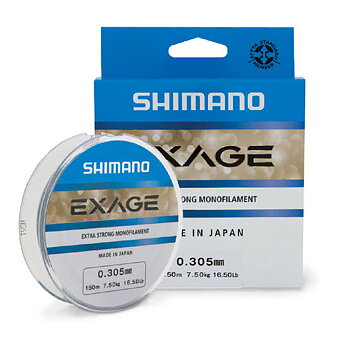
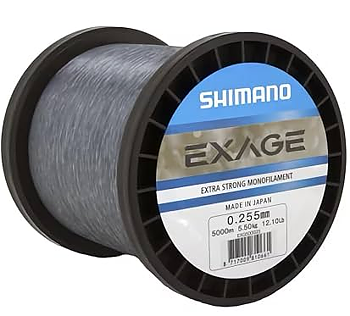

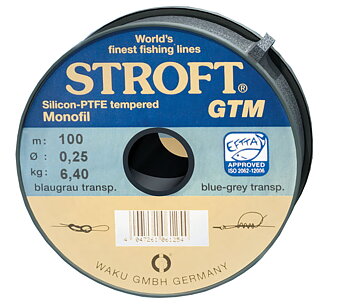






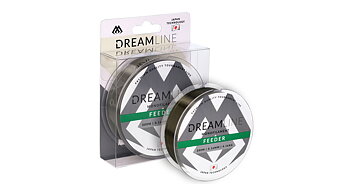


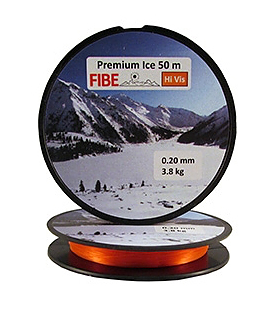
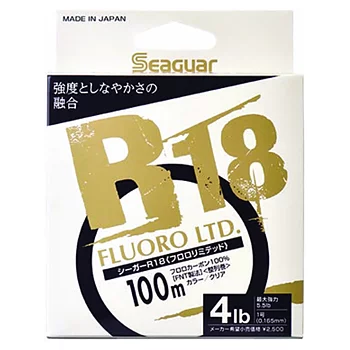

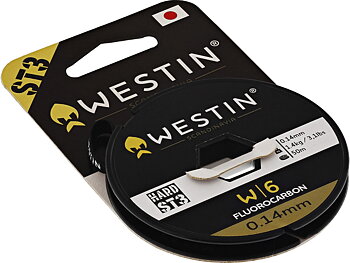








Fishing Lines – Find the Right Line for All Types of Sport Fishing
Are you looking for a fishing line that suits your fishing style, your gear, and the species you want to catch? The right fishing line is an essential part of any fishing setup and affects casting distance, lure contact, sensitivity, knot strength, and control during the fight. The Swedish market offers many different types of fishing lines, from thin braided lines for light perch fishing to heavy-duty lines for pike fishing, saltwater fishing, and trolling.
Whether you’re fishing with a spinning reel, a multi-reel, BFS gear, a baitcasting rod, or a fly rod, it’s important to choose a line that works well with the rest of your gear. The line’s material, diameter, breaking strength, stretch, and abrasion resistance all affect how it performs in practice.
Here you’ll find an introduction to the most common types of fishing lines and what you should consider when choosing a line for different fishing methods in Swedish waters.
Braided Lines – Sensitivity and Direct Contact with the Bait
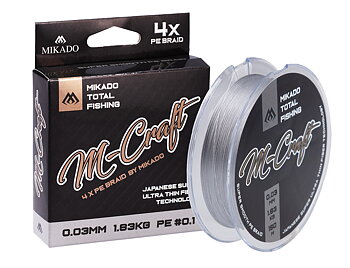
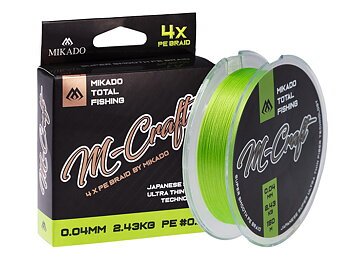
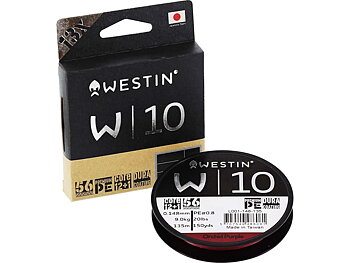
Braided lines are popular in modern sport fishing because they have low stretch and provide good contact with the bait. They’re usually made of synthetic fibers and come in various sizes, colors, and constructions.
The low stretch makes it easier to feel small tugs, bottom contact, and gentle strikes. Braided lines are therefore often used for spin fishing for perch, zander, and pike, as well as for saltwater fishing, trolling, and other methods where direct contact with the bait is important.
Braided lines are available in four-strand and eight-strand models, among others. Four-strand lines can be a practical option for fishing where durability and price are important factors, while eight-strand variants often have a rounder and smoother profile that can provide a smoother run through the guides.
When choosing a braided line, consider its actual diameter, breaking strength, abrasion resistance, and how it works with your reel. When fishing for pike, you’ll also need a suitable leader to protect against the pike’s sharp teeth.
Nylon Lines and Monofilament—Versatile Lines for Many Fishing Methods
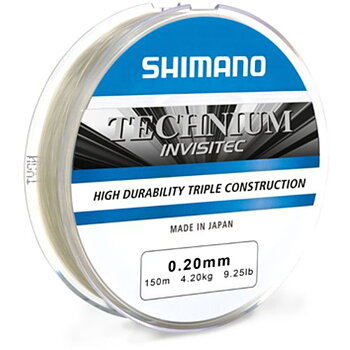
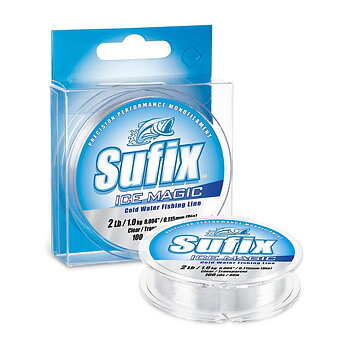
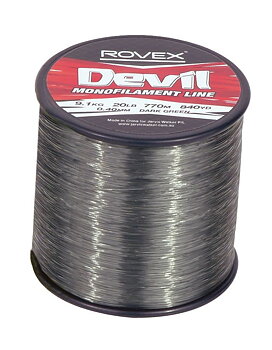
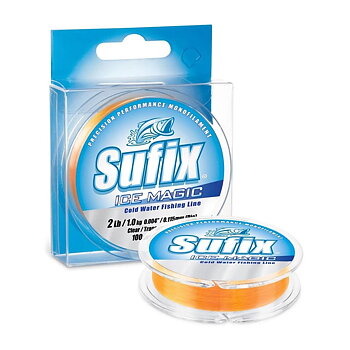
Nylon line, often called monofilament or nylon mono, is a classic fishing line still used in many areas of sport fishing. It typically has some stretch, which can help absorb sudden runs and reduce the strain on knots and hooks.
Monofilament is suitable for, among other things, traditional angling, bottom fishing, certain forms of specimen fishing, and various types of spin fishing. It’s also commonly used as the main line on simpler fishing rigs and can be a good option for beginners.
One of the advantages of nylon line is that it’s often easy to handle and tie. It comes in many sizes and breaking strengths, making it easy to find a line for everything from lighter fishing for roach and perch to heavier tackle for larger fish.
Keep in mind that nylon can be affected by age, sunlight, heat, and storage conditions. Therefore, check the line regularly and replace it when it shows signs of wear or has lost its properties.
Fluorocarbon – for leaders and discreet presentation
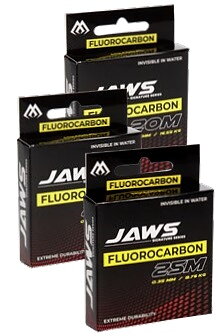
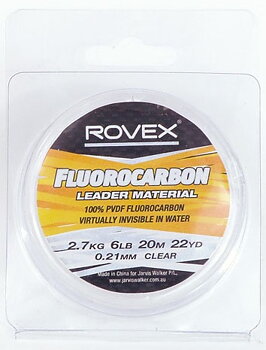
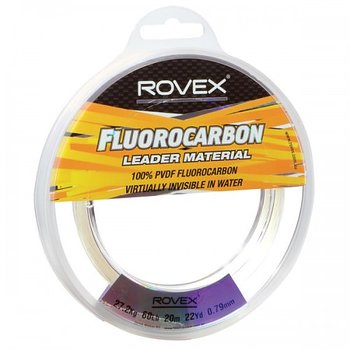
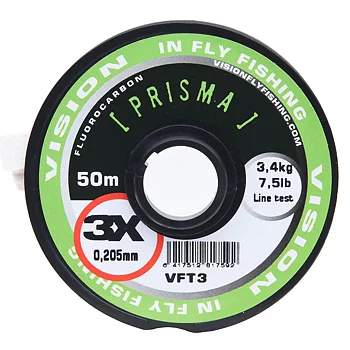
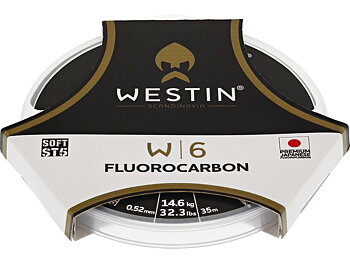
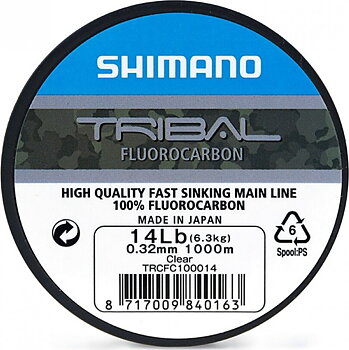
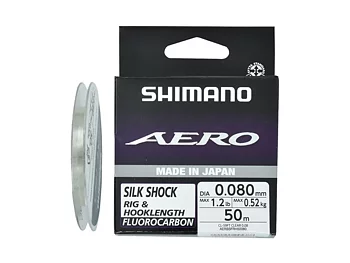
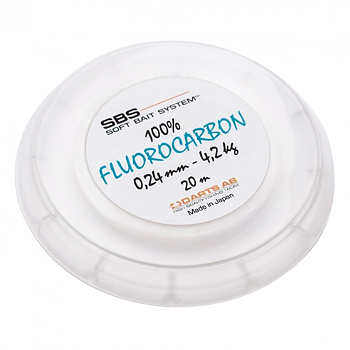
Fluorocarbon is often used as leader material and, in some cases, as the main line. The material has properties that make it useful when you want a line that is relatively discreet underwater and has good resistance to abrasion.
Fluorocarbon is common in perch fishing, zander fishing, and other forms of spin fishing where a leader can provide a suitable transition between the braided line and the lure. It is also used in fly fishing and various techniques where the leader’s properties affect lure presentation.
A fluorocarbon leader can be particularly useful when fishing near rocks, gravel, vegetation, or other structures where the line is at risk of abrasion. When fishing for pike, however, it’s important to remember that standard fluorocarbon doesn’t always provide reliable protection against pike teeth. In such cases, a specially sized pike leader made of, for example, steel or titanium may be a better choice.
Fluorocarbon is available in many sizes and stiffness levels. Choose a model that suits the size of the lure, the fishing method, and the stress that may occur during the fight.
Leader Material – Customize the Outermost Section of the Line
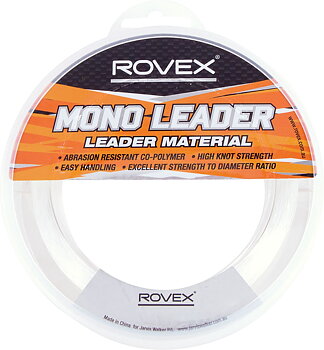
Leader material is used between the main line and the lure or hook. The leader can serve several functions, such as providing better abrasion resistance, reducing the risk of line breakage, or protecting the main line from the fish’s teeth.
There are several types of leader material to choose from:
- Fluorocarbon: Common in spin fishing, bass fishing, zander fishing, and other methods where abrasion resistance and a discreet presentation are important.
- Nylon and monofilament: used, among other things, in bottom fishing, fly fishing, and homemade rigs.
- Steel wire: a common choice for pike fishing when you need protection against sharp teeth.
- Titanium: used in certain types of predator fishing and can be an option when you want a durable leader that recovers better after being under load than many simpler wire materials.
- Braided leader material: used in specialized rigs and techniques where flexibility and strength are required.
When choosing leader material, you should consider the fish species, the weight of the bait, abrasion, knots, and connectors. The leader needs to be matched to the rest of the tackle so that it doesn’t become the weakest link in the rig.
Fishing Lines for UL, XUL, and BFS—When Every Detail Counts
In ultralight, XUL, and BFS fishing, line selection is particularly important because the gear is often used with small lures and light rods. The line’s diameter, weight, flexibility, and properties affect both casting distance and how the lure is presented.
Thin braided lines are often used in UL fishing with a spinning reel because they provide good sensitivity and work well with small jigs, spinners, and other light lures. A short fluorocarbon or nylon leader can be used depending on the fishing method and environment.
When BFS fishing with a small multi-reel, it’s important to choose a line that works with the reel’s spool, drag system, and the weight of the lures. Braided line can provide direct contact with the lure, while nylon and fluorocarbon may be better suited when you want different characteristics for casting and presentation.
When fishing with XUL (Extreme Light) setups using very small lures, the entire combination of rod, reel, line, and leader must be well-balanced. A line that is too thick or stiff can impair casting performance, while a line that is too thin can increase the risk of line breakage.
Therefore, choose your line based on the weight of the lure, the fish you’re targeting, and any obstacles in the water.
Fishing Lines for Pike Fishing – Strength and Safety
Braided lines are often used for pike fishing because they provide good contact with large lures and make it easier to sense changes in the lure’s movement. The line’s diameter and breaking strength need to be adjusted according to the lure’s weight, the rod’s casting weight, and your fishing style.
When fishing with large jerkbaits, swimbaits, and soft plastic lures, it’s important that the line can withstand the strain from both casting and powerful strikes. A suitable leader made of steel, titanium, or another material specifically designed for pike is also important to reduce the risk of the fish biting through the line.
Nylon can be an option in certain situations where stretch is desirable, while fluorocarbon is used in some pike rigs when the size and construction are tailored for that purpose. The choice of material must always take the pike’s teeth into account.
Check the line regularly, especially after contact with vegetation, rocks, bait clips, and other parts of the tackle. Replace any damaged sections before your next fishing trip.
Fishing Lines for Perch and Zander – Sensitivity and Control
When fishing for perch, thin braided lines are often used to maintain good contact with small jigs, spinners, and other light lures. A thin line can help achieve good casting distance, especially when fishing with light lures and wanting to maintain good control over the presentation.
When fishing for zander, for example with a jig near the bottom, direct contact with the lure is often an advantage. A braided line combined with a suitable leader can provide clear feedback on bottom contact and subtle strikes.
Fluorocarbon is often used as leader material when you want a durable connection between the main line and the lure. The leader’s size should be adjusted according to the size of the fish, the weight of the lure, and the risk of abrasion against the bottom or other obstacles.
If you’re fishing in waters with a lot of vegetation, rocks, or mussel beds, a more abrasion-resistant solution may be appropriate. Base your choice on the conditions in your waters rather than simply choosing the thinnest line.
Fishing Lines for Match and Specimen Fishing
In coarse fishing and specimen fishing, nylon lines, monofilament, and braided lines are often used, depending on the fishing method. The line needs to work in harmony with the tackle and provide the right balance between casting distance, stretch, strength, and control.
For traditional coarse fishing for roach, rudd, and bream, for example, nylon can be a good choice thanks to its flexibility and stretch. In feeder fishing, both nylon and braided line can be used, depending on casting distance, current, and how direct a connection you want with your tackle.
In carp fishing, nylon is often used as the main line, but braided lines are also used for specific methods and conditions. The leader material is chosen based on the rig, hook, and bait presentation. Fluorocarbon and other specialized materials can be used in certain carp rigs.
When fishing for roach in flowing water, the line’s abrasion resistance and ability to handle the current can be particularly important characteristics.
Always select the line size and breaking strength based on the fishing method, bottom conditions, and the stress that may occur during casting and fighting the fish.
Fishing Lines for Saltwater Fishing and Trolling
Saltwater fishing and trolling place different demands on the line than many forms of lighter spin fishing. Here, depth, current, heavy lures, and larger fish may make it necessary to choose lines with appropriate strength, capacity, and abrasion resistance.
Braided lines are often used in saltwater fishing because their low stretch can provide better contact with the lure at depth. Nylon is also used, including in certain trolling setups and as leader material.
When trolling for fish such as salmon, trout, and pike, the line must work in conjunction with the reel’s capacity, the rod’s characteristics, and the accessories used. When saltwater fishing for larger species, it is important that the entire system—including leaders, swivels, and connectors—is rated for the load.
When fishing in saltwater, you should also check the line and its attachments regularly. Salt, abrasion, and use can affect both the line and the knots over time.
Fishing Lines for Fly Fishing—Fly Line, Backing, and Leader
Fly fishing uses a different line system than conventional spin fishing. The fly line plays a crucial role during the cast, as its weight and taper help propel the lightweight fly through the air.
Fly lines are available for different rod classes and fishing methods, such as floating lines, sinking lines, and intermediate lines. The choice depends on whether you’re fishing on the surface, just below the surface, or deeper in the water column.
Backing is usually spooled beneath the fly line on the reel and serves as extra line reserve when the fish makes long runs. The leader connects the fly line to the fly and can be made of nylon or fluorocarbon, depending on the fishing method and presentation.
When fly fishing for trout, grayling, char, rainbow trout, and salmon, the fly line’s class and characteristics must match the rod and the conditions in which you’re fishing. A well-matched combination of fly line, backing, and leader makes the tackle more balanced and easier to use.
Fishing Line Color—Visibility and Practical Benefits
Fishing lines come in several colors, such as green, yellow, orange, pink, white, and various dark shades. The choice of color can affect how easily you see the line above the water’s surface and how easily you can follow its movements while fishing.
When spin fishing, a distinct color can make it easier to spot slack line and changes in the line’s direction. When bottom fishing, visibility can be practical when handling multiple rods or fishing at longer distances.
A leader made of fluorocarbon or nylon in a different color can be used to customize the final section of your rig. However, it’s important to remember that fish reactions to line color vary depending on conditions, and that the color itself does not guarantee better catches.
Choose a color that helps you maintain control of the line and that works for the environment and fishing method you’re using.
How to Choose the Right Fishing Line
When choosing a fishing line, it’s important to consider how you fish and the stress your equipment is subjected to.
- Fishing Method: Spin fishing, angling, trolling, saltwater fishing, and fly fishing all place different demands on the line.
- Fish species: Adjust the line’s diameter and strength based on the fish’s size, behavior, and any sharp teeth.
- Lure weight: The line should be suitable for the lure’s weight and the rod’s recommended casting weight.
- Diameter and breaking strength: Check both specifications and keep in mind that the stated values may vary between manufacturers.
- Stretch: Braided line typically provides direct contact, while nylon has more stretch, which can absorb sudden loads.
- Abrasion resistance: Choose a line and leader that are suitable for the bottom, vegetation, and other obstacles.
- Reel and rod: Ensure that the line is compatible with the reel’s spool, line guide, and the rod’s characteristics.
- Maintenance: Inspect the line regularly and replace any damaged or worn sections.
There is no single fishing line that works for every situation. By choosing the material, size, and construction based on your fishing method, you’ll have gear that works better for your specific fishing needs.
Find the right fishing line for your next fishing adventure
Whether you’re looking for a thin braided line for UL fishing, a durable nylon line for angling, fluorocarbon for leaders, or a heavier-duty line for pike fishing and saltwater fishing, it’s important to choose the right characteristics for your gear.
Explore our selection of braided lines, nylon lines, monofilament, fluorocarbon, leader materials, and specialty lines for various types of sport fishing.
Find the right combination of strength, sensitivity, durability, and control—and get more out of every cast, every strike, and every fishing trip!