
AUTUMN FISHING
- SHOP WITH CONFIDENCE
- Delivery Immediate delivery
- CUSTOMER SERVICE by anglers
- EASY RETURNS 30-day return policy
- PAY SECURELY with Klarna
Boxes


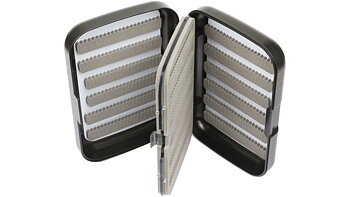
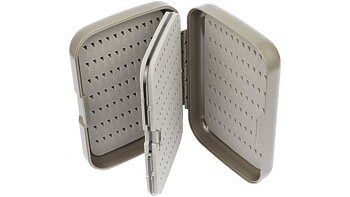


Fishing Boxes – Find the Right Box for Lures, Tackle, and Fishing Accessories
Are you looking for a practical fishing box to help you keep your lures, hooks, jigs, and other fishing gear organized? With the right box, it’s easier to organize your gear, protect your lures, and quickly find what you need when you’re out on the water. Whether you need a small bait box for light perch fishing or a larger storage box for pike lures and complete rigs, there are many options to choose from.
Fishing boxes come in various sizes, materials, and designs, ranging from compact models with fixed compartments to larger boxes with adjustable dividers. They’re used in most forms of sport fishing and are just as suitable for spin fishing and predator fishing as they are for coarse fishing, specimen fishing, saltwater fishing, and fly fishing.
Well-organized storage makes it easier to sort your gear by fishing method, lure type, size, or color. This reduces the risk of tangles and lost small parts and makes it easier to adapt your gear to the conditions during your fishing trip.
Lure Boxes – Practical Storage for Fishing Lures
Lure boxes are among the most common types of fishing boxes and are used to store and organize various types of artificial lures. They are suitable, for example, for wobblers, spinners, spoons, jigs, spinnerbaits, and other fishing lures.
Many lure boxes have multiple compartments that allow you to separate the lures and keep different models and sizes organized. Some have fixed compartments, while others have removable dividers that let you customize the space to suit your needs.
When fishing for perch, a smaller tackle box can be perfect for spinners, small wobblers, and jigs. When fishing for pike, you often need larger compartments that can hold big rubber lures, jerkbaits, and swimbaits.
When choosing a tackle box, it’s a good idea to check the box’s internal dimensions, the design of the compartments, and how securely the lid closes. That way, you can find a model that fits both your lures and the bag or backpack where you store your gear.
Lure Boxes for Jigs and Soft Lures
Jigs and soft baits often require well-thought-out storage since they come in many sizes, shapes, and materials. A suitable tackle box makes it easier to organize your baits and quickly find the right color or model.
For smaller jigs used in bass fishing and UL fishing, boxes with many small compartments can be practical. For pike fishing with large soft plastics, you’ll often need boxes with larger compartments where the lures can lie flat without bending or being squashed together.
Keep in mind that some soft baits may react with certain plastic materials or with other baits during storage. Therefore, make sure the box is compatible with the baits and follow the manufacturer’s recommendations. Store baits separately if materials, colors, or additives risk affecting one another.
With the right box, you can keep your entire selection organized and make changing lures easier while fishing.
Fishing Boxes for UL, XUL, and BFS
In ultralight (UL), XUL, and BFS fishing, small lures are often used, requiring compact and organized storage. Small tackle boxes with thin compartments are well-suited for micro jigs, small spinners, small wobblers, and other lightweight lures.
When UL fishing from shore, a small box is easy to carry in a pocket, waist bag, or small tackle bag. When BFS fishing with a multi-reel, a box with clear compartments can help you organize your lures by weight, size, and intended use.
When choosing a box for small lures, it’s important that the compartments are small enough to keep the lures in place and that the lid closes securely. Otherwise, small hooks can get caught on other lures or end up in the wrong compartment when the box is being transported.
A lightweight and compact box makes it easier to carry a varied selection without making your gear unnecessarily heavy.
Large tackle boxes for pike and predator fishing
Pike fishing often has specific storage requirements because many lures are large, heavy, and equipped with strong hooks. Larger tackle boxes provide space for rubber lures, jerkbaits, swimbaits, spinnerbaits, and other predator lures.
A spacious box with large compartments can help you keep your lures separated and reduce the risk of hooks getting tangled. This is especially useful when you’re using many different types of lures during the same fishing trip.
Choose a model with a sturdy construction and locks that can support the weight of the contents. Also check the box’s dimensions to ensure it fits in your tackle bag, boat storage, or other gear.
If you’re storing lures with large treble hooks, it can be handy to use special hook holders or other solutions that reduce the risk of hooks getting caught in the box’s compartments.
Tackle Boxes – Keeping Hooks and Small Accessories Organized
Tackle boxes are designed for smaller fishing accessories that need to be kept organized and easily accessible. They’re used, for example, for fishing hooks, lure clips, swivels, sinkers, beads, tubing, wire clips, and other rigging components.
A box with many small compartments makes it easier to sort accessories by size, dimension, and intended use. This is especially valuable if you build your own rigs or frequently need to swap out components while fishing.
For predator fishing, tackle boxes can be used for jig heads, bait clips, and leader accessories. For coarse fishing and specimen fishing, they’re ideal for hooks, stoppers, feeder components, and small parts for various rigs.
Choose a box with dividers that stay securely in place and a lid that keeps small parts from falling out. If you have many different sizes, it can be handy to label the compartments so you can quickly find the right accessory.
Fishing Boxes for Match and Specimen Fishing
In match and specimen fishing, many small components are used that need to be stored in an organized manner. Fishing boxes can help you keep track of hooks, sinkers, leaders, bait needles, stoppers, and other accessories.
For carp fishing, smaller boxes can be used for rig components and small tackle, while specialized rig boxes are suitable for pre-tied leaders and carp rigs. When feeder fishing, boxes with multiple compartments can help you separate different sinkers, rigs, and other accessories.
If you’re fishing for tench, roach, bream, rudd, or other species, a compact tackle box can be a practical addition to the rest of your fishing gear.
For longer fishing trips, it can be advantageous to combine several smaller boxes into a larger storage bag. This allows you to organize your gear by fishing method and quickly grab the right box when you need it.
Tackle Boxes for Saltwater Fishing and Trolling
For saltwater fishing and trolling, tackle boxes often need to accommodate larger lures, heavier accessories, and more demanding transport conditions. Here, sturdy models with spacious compartments can be particularly useful.
For saltwater fishing, boxes can be used for jigs, lures, hooks, leader material, and other accessories. When trolling, they can help you organize wobblers, spoons, lure clips, and smaller components for various rigs.
If the boxes are used in a saltwater environment, it’s a good idea to check the materials and latches regularly. If necessary, rinse off salt and let the equipment dry before storing it for extended periods.
Also consider the weight when choosing a large box. A fully packed box with heavy saltwater lures can become cumbersome to carry and should therefore be suited to both your transportation method and the amount of gear you need.
Fly boxes and tackle boxes for fly fishing
Fly fishing uses special boxes to store flies and protect their delicate materials. Fly boxes often feature foam inserts, slots, or other holders that keep the flies in place and allow them to be organized by pattern, size, or intended use.
There are small fly boxes that fit in a jacket pocket and larger models for those who want to bring an extensive selection of dry flies, nymphs, streamers, and other fly patterns.
When choosing a fly box, it’s a good idea to consider how the flies will be held in place and how easily you can access them while fishing. A secure closure reduces the risk of the flies coming loose during transport.
Be sure to store wet flies so they can dry when needed, and check the hooks regularly to reduce the risk of corrosion.
Transparent fly boxes—see the contents at a glance
Transparent fly boxes make it easy to see which flies and accessories are inside without opening the box. This can save time when you need to find the right fly or component during an active fishing session.
They’re especially useful if you have many tackle boxes and want to keep different sets of gear separate. For example, you can use one box for perch lures, one for pike lures, and another for small parts and rigging accessories.
Some boxes have transparent lids but colored bottoms or dividers. Others are completely transparent, providing a clear view of the contents.
Keep in mind that transparent materials do not automatically mean the box is waterproof or UV-protected. Check the product’s specifications and store sensitive lures according to the manufacturer’s recommendations.
Waterproof Fishing Boxes – Extra Protection by the Water
Waterproof or water-repellent tackle boxes can be useful when fishing from a boat, in the rain, or in other environments where your gear is exposed to moisture.
Boxes with seals and special locking systems can provide extra protection for hooks, rig components, and other accessories that need to stay dry. However, it’s important to check what level of protection the product actually offers, since splash protection isn’t the same as being completely waterproof.
Do not store damp equipment sealed away for long periods without checking it and drying it as needed. This helps reduce the risk of corrosion on hooks and other metal parts.
A well-chosen fishing box can help keep things organized and protected, but it should always be used according to the manufacturer’s instructions.
How to Choose the Right Fish Box
When choosing a tackle box, it’s a good idea to consider what gear you want to store and how you’ll transport it.
- Size: Choose a box that can hold your lures and accessories without having to cram the contents in.
- Compartment layout: Fixed compartments are good for sorting, while adjustable dividers offer greater flexibility.
- Lure type: Small jigs, large soft plastic lures, hard lures, and rigging components may require different storage solutions.
- Material: Check for durability and compatibility with soft lures, for example.
- Lids and Locks: A secure closure helps keep lures and small parts in place during transport.
- Water protection: Choose the right level of protection depending on whether you’re fishing from shore, a boat, or in humid environments.
- Transport: Make sure the box fits in your fishing bag, backpack, or boat storage.
- Organization: Sort the boxes by fish species, lure type, or fishing method to quickly find the right gear.
By choosing the right combination of size, compartments, and materials, you can create a storage solution that works both at home and out on the water.
Find the right tackle box for your next fishing adventure
Whether you need a small bait box for UL and BFS fishing, a large box for pike bait, a tackle box for angling, or a specialized fly box, there are many solutions for organizing your fishing gear.
Explore our selection of fishing boxes, bait boxes, tackle boxes, jig boxes, and fly boxes in various sizes and designs.
With the right fishing box, you can keep your lures, hooks, and accessories organized, protect your gear, and free up more time for what matters most—the fishing itself!