
AUTUMN FISHING
- SHOP WITH CONFIDENCE
- Delivery Immediate delivery
- CUSTOMER SERVICE by anglers
- EASY RETURNS 30-day return policy
- PAY SECURELY with Klarna
Waders and shoes
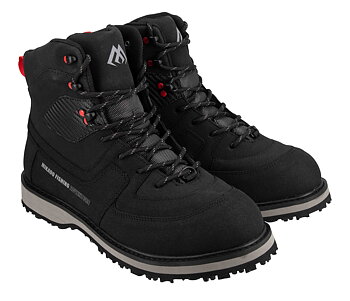
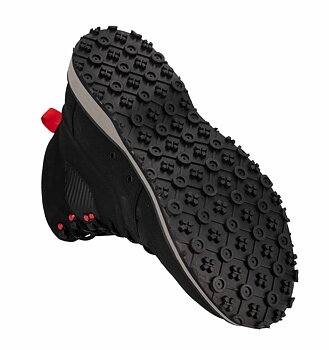
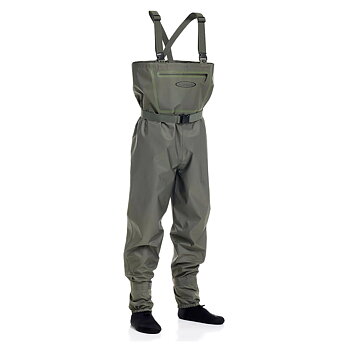
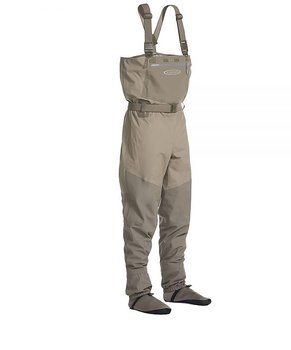
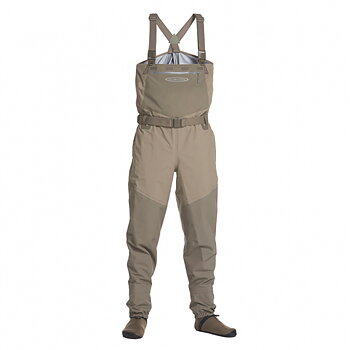
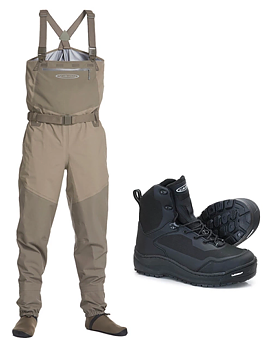
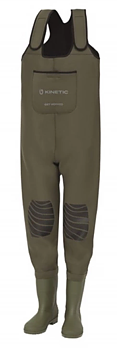
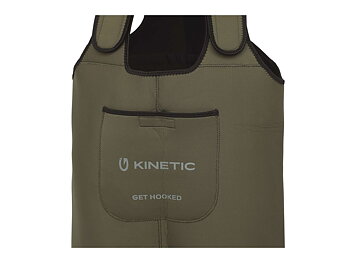
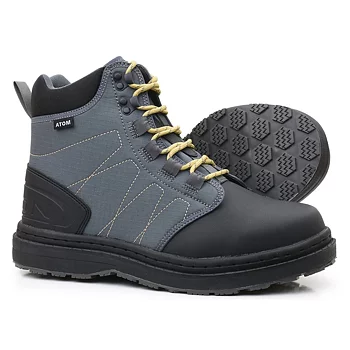
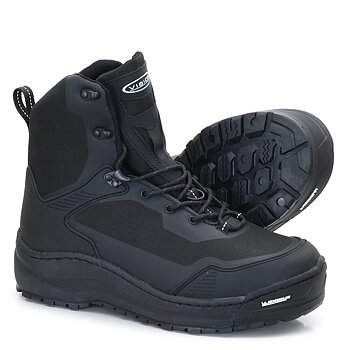
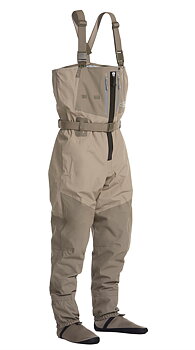
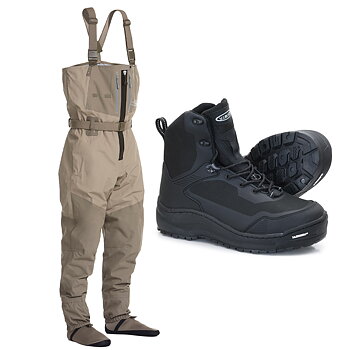
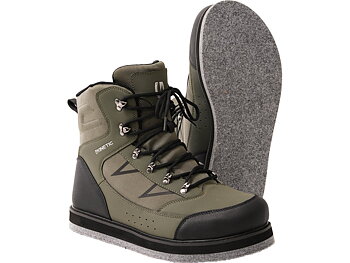
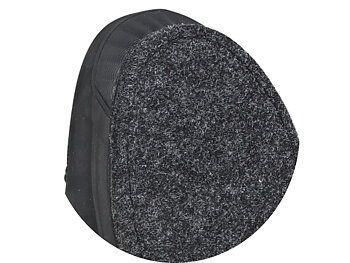
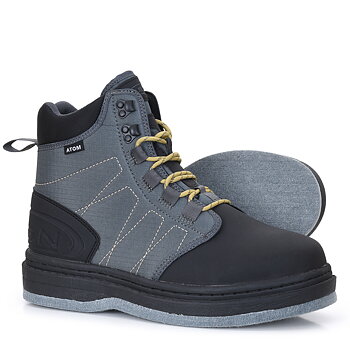
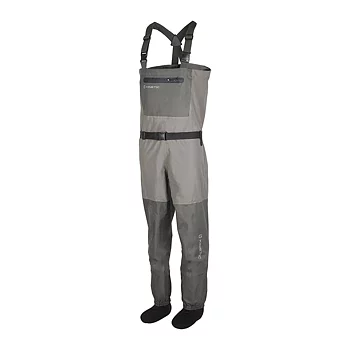
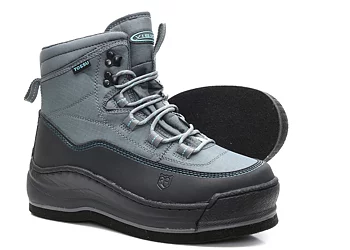
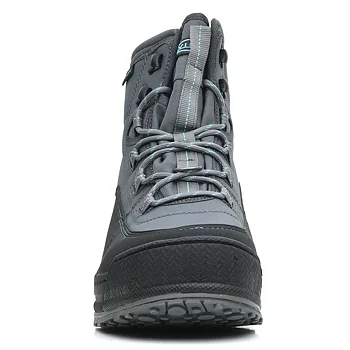
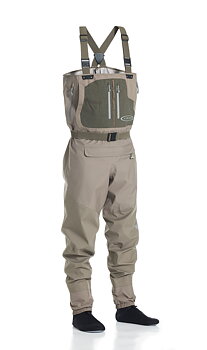
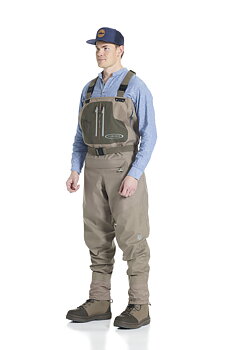
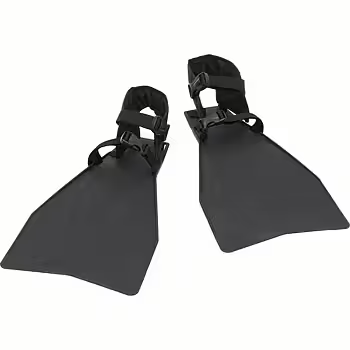
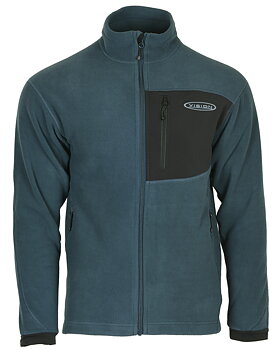
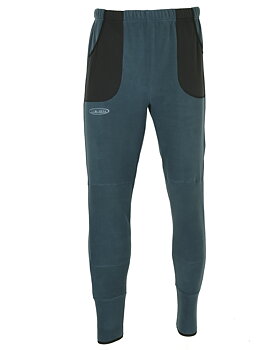
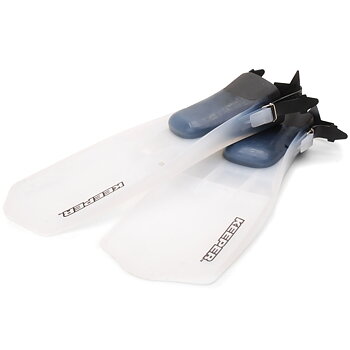
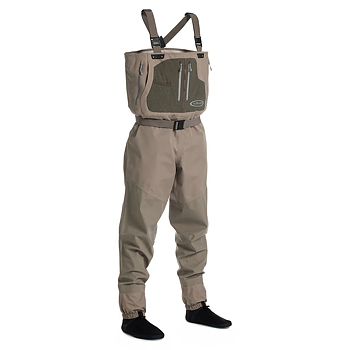
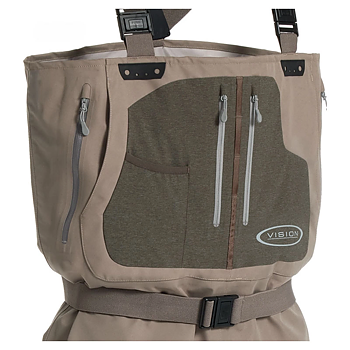
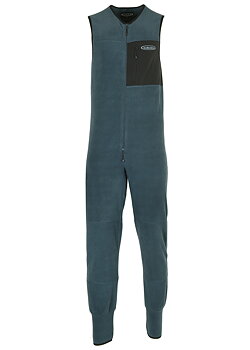
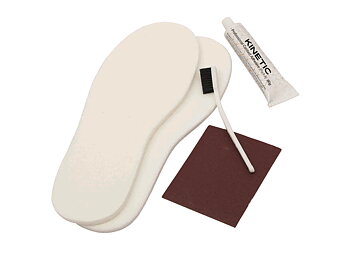
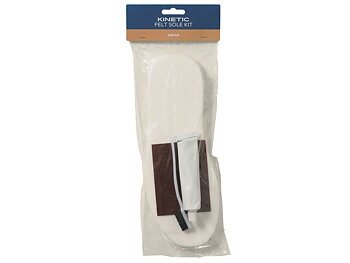
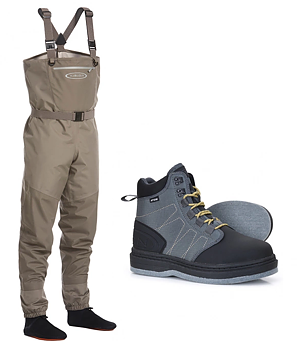
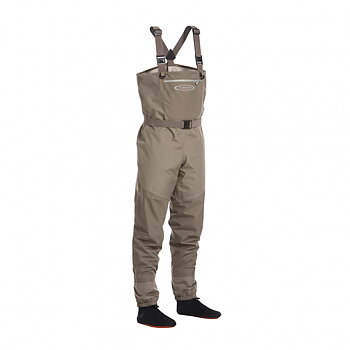
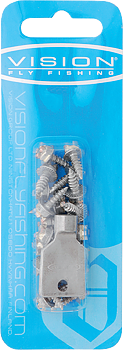
Invest in a pair of waders and wading boots—an incredibly practical piece of gear for fly fishermen and all types of shore anglers. We offer a variety of waders, with or without boots. Waders with boots are practical because you get an all-in-one wading set with both pants and boots attached, made of neoprene—perfect for anyone looking for an affordable pair of waders that can withstand cold water. Separate waders and boots are perfect for those who want more freedom of movement and the ability to choose a pair of boots that fit perfectly. We offer wading boots in various styles and sizes, with rubber or felt soles depending on the terrain. Find a pair of waders here or buy waders and boots separately for the best fit. Order today! Free shipping on orders over 499 kr and delivery within 1–3 days.
Waders and wading boots—the right gear for fly fishing and sport fishing in Swedish waters
Are you looking for waders and wading shoes for fly fishing, coastal fishing, or other types of sport fishing? With the right wading gear, you can get out on the water in a more comfortable and controlled way, reach new fishing spots, and improve your chances of presenting the fly or bait right where the fish are. Whether you’re fishing for trout and grayling in flowing rivers, rainbow trout in lakes, sea trout along the coast, or pike in shallow coves, there are waders and wading boots suited to different fishing methods, aquatic environments, and seasons.
Discover waders in a variety of fits, materials, and designs, along with wading boots that provide support and traction on varying surfaces. Choose from, for example, breathable waders, neoprene waders, wading boots with felt soles, and models with rubber soles. With the right combination of waders, wading shoes, and appropriate layers underneath, you’ll have functional gear for both short fishing trips and long days by the water. Whether you’re a beginner or an experienced angler, good wading gear is an essential part of a well-thought-out fishing setup.
Waders for Fly Fishing and Sport Fishing
Waders allow you to wade into water where regular boots or wading boots aren’t sufficient. They’re used by fly fishermen, shore anglers, and other anglers who want to get closer to fishing spots, cross shallow areas, or secure a better position for casting and presenting the fly.
There are several types of waders with different features. Breathable waders are often a good choice when you’re active during longer fishing sessions and want to be able to adjust your layers based on the weather and temperature. Neoprene waders can be an alternative in colder conditions when insulation is a priority.
When choosing waders, it’s important to consider fit, freedom of movement, waterproofing, durability, and how often you fish. The right model should work well with your wading boots and provide sufficient comfort for the type of fishing you do.
Breathable waders—comfort during long days of fishing
Breathable waders are a popular choice for anglers who want to move comfortably in varying conditions. The material is designed to keep water out while allowing moisture from the body to escape through the fabric, within the limits permitted by the material’s construction.
This type of wader is particularly well-suited for fly fishing in rivers and streams, coastal fishing for sea trout, and other fishing methods where you do a lot of walking during your fishing trip. They can be used for much of the year by adjusting your base layer and mid-layer according to temperature and activity level.
Many models feature adjustable shoulder straps, a waist belt, pockets, and reinforcements in high-wear areas. These features can contribute to a better fit, practical storage, and increased durability.
Neoprene waders – for fishing in colder waters
Neoprene waders are made from an insulating material that helps retain body heat. They can be a good option for fishing in cold conditions, such as early spring, late fall, or during other fishing trips when the water is cold.
The insulating design can make neoprene waders warmer than thinner, non-insulated alternatives, but they can also feel heavier and less breathable when you’re moving around a lot. The choice therefore depends on how actively you fish and what temperatures you typically encounter.
For those who prioritize warmth during more sedentary fishing or in cold environments, neoprene waders may be worth comparing to breathable waders in combination with appropriate base layers.
Waist-high and chest-high waders—choose the right height
Waders come in different heights to suit various aquatic environments and wading needs.
- Waist waders: often suitable for shallow water and situations where you want greater freedom of movement around the upper body.
- Chest waders: extend up to the chest and provide greater coverage when wading in deeper water, within safe limits.
- Waders with integrated socks: used with separate wading boots, they offer a flexible combination of pants and boots.
- Waders with integrated boots: combine pants and boots in one product and can be practical for certain types of fishing.
Consider where you fish most often and how deep you typically need to wade. Don’t use taller waders as an excuse to venture into deeper water than is safe. Currents, bottom conditions, waves, and water temperature can quickly make wading hazardous.
Wading shoes – traction and stability on slippery surfaces
Wading shoes are designed to provide support and traction when moving on wet rocks, gravel, sand, and other surfaces near the water. They’re often used with wading pants that have integrated wading socks and are an essential part of the gear for both fly fishing and shore fishing.
A good wading shoe should fit securely, provide adequate support, and work well with the waders’ socks. Construction, drainage, lacing, and sole material all affect how the shoe performs while fishing.
It is especially important to choose a sole based on the aquatic environments where you fish. Different soles have different properties, and no single type provides optimal traction on all surfaces. Also check local regulations regarding the use of felt soles and disinfect your gear when necessary to reduce the risk of spreading invasive species and pathogens between bodies of water.
Waders with felt soles—for rocky and slippery riverbeds
Felt soles are traditionally used when wading on rocky bottoms, especially in flowing water where rocks can be slippery due to algae and biofouling. The felt can provide good traction on certain types of wet rocks, making these boots ideal for fly fishing in rivers and streams.
However, felt soles do not perform equally well on all surfaces. They may be less suitable on soft mud and other surfaces where the felt cannot get a proper grip. They can also trap organic material and organisms, which means that cleaning and drying are especially important.
Before purchasing waders with felt soles, you should check the regulations for the location where you plan to fish. In some areas, felt soles are prohibited or restricted to reduce the risk of spreading aquatic organisms.
Waders with rubber soles—a versatile option
Waders with rubber soles are a common choice for anglers who want a versatile shoe for various types of fishing. The soles can perform well on gravel, sand, soil, and many other surfaces, but traction on slippery, algae-covered rocks varies by model.
Some rubber-soled wading shoes feature patterned soles designed to provide better traction, and certain models can be equipped with approved spikes or other accessories. Always check that the accessories are compatible with the shoes and suitable for the environment where you’ll be wading.
For coastal sea trout fishing, lake fishing, and a variety of fishing trips, rubber soles can be a practical choice. The most important thing is to choose a model that suits your terrain and provides sufficient stability.
Waders and wading boots for fly fishing for trout and grayling
When fly fishing for trout and grayling in flowing water, you often need to move between different fishing spots and stand steadily while casting. Waders that allow for good freedom of movement and wading shoes with traction suited to the riverbed conditions can therefore be valuable pieces of gear.
Breathable waders suit many active fly fishermen, while the choice of wading shoes depends on whether you’re fishing on rocky riverbeds, gravelly streams, or other surfaces. Also, adjust the layers of clothing under your waders according to the season and water temperature.
With the right wading gear, you can move more comfortably between fishing spots and focus on casting technique, fly selection, and presentation.
Wading Gear for Rainbow Trout and Lake Fishing
When fishing for rainbow trout in lakes and put-and-take waters, waders can be practical when you want to reach fishing spots from the shore or gain more room to cast. They can also help you stand more comfortably when fishing near the shore, provided the bottom and water depth allow for safe wading.
Breathable waders are often a good choice when you’re moving around a lot along the shore, while warmer models may be preferable during colder fishing trips. Choose wading boots with soles suited to the shore’s surface, such as gravel, rocks, or sand.
Even if the water looks calm, the bottom may be uneven or soft. Therefore, check the depth and surface before wading out.
Waders and Wading Boots for Sea Trout Along the Coast
Coastal sea trout fishing often involves long walks along beaches, coves, and rocky shorelines. Waders and wading shoes can help you reach suitable casting positions and fish from spots where you would otherwise have limited reach.
Breathable waders are a popular choice for active coastal anglers, while fit and freedom of movement are important when walking long distances. Wading boots should be suited to the coast’s mix of rocks, gravel, and sand.
Keep in mind that waves, wind, and sudden changes in depth can make coastal wading dangerous. Use a wading belt, check weather and water conditions, and never wade farther out than you can safely handle. A wading pole and a life jacket may be appropriate additional safety measures depending on the conditions.
How to Choose the Right Size for Waders and Wading Boots
The right fit is crucial for comfort, freedom of movement, and safety. Waders that are too small can restrict your stride and put strain on the seams, while waders that are too large can create excess fabric that gets in the way when you walk.
When choosing waders, check the size chart and consider your height, shoe size, inseam, and what clothing you plan to wear under the waders. If you’re fishing in cold weather, you may need extra room for base layers and insulating mid-layers.
Wading boots should provide stable support without feeling too tight. Remember that they’re designed to be worn with the waders’ neoprene or other integrated sock material, which affects your size selection.
- Check the manufacturer’s size chart before ordering.
- Test your range of motion by bending your knees and taking big steps.
- Adjust the size to accommodate layered clothing if you’re fishing during cold weather.
- Choose wading boots based on the waders’ socks and the fit recommended by the manufacturer.
- Check the lacing and support to ensure the shoe fits securely without restricting circulation.
Caring for Waders and Wading Boots—For a Longer Lifespan
Regular care can help you keep your wading gear in good condition. Rinse off sand, mud, and dirt after fishing and let the gear dry thoroughly according to the manufacturer’s instructions.
Avoid storing waders while they’re damp for extended periods, and regularly check the seams, fabric, and connections. Small leaks can sometimes be detected through careful inspection and repaired with products designed specifically for your wader material.
Wading boots also need to be cleaned and dried between fishing trips. If you’re switching to a different body of water, you should clean and dry your gear thoroughly according to local recommendations to reduce the risk of spreading invasive species and other unwanted organisms.
Safety When Wading—Be Mindful of Water, Currents, and Weather
Waders and wading boots are not flotation devices and do not make wading risk-free. Moving water, slippery rocks, soft bottoms, waves, and sudden changes in depth can pose significant risks even for experienced anglers.
Use a wading belt along with chest waders, wade carefully, and always check the conditions before entering the water. A wading stick can provide extra support on uneven bottoms, and a suitable life jacket is especially important when fishing along the coast or in other exposed water environments.
Ideally, wade with someone else when conditions are challenging, and avoid entering water where currents, depth, or waves make it difficult to maintain your balance. Always adapt your wading to your experience and the prevailing conditions.
Buy waders and wading boots online
Whether you’re looking for breathable waders for long fly-fishing sessions, neoprene waders for colder conditions, wading shoes with felt soles for certain rocky riverbeds, or wading shoes with rubber soles for varied terrain, there’s wading gear for different needs and fishing methods.
Explore our selection of waders and wading boots and find gear that suits your fishing for brown trout, grayling, rainbow trout, sea trout, and other Swedish game fish. Choose the right material, fit, and sole for your fishing environments, and complement your gear with suitable accessories for a more functional and safe fishing trip.
Find your new waders and wading boots and get ready for your next fishing trip—from flowing rivers and calm lakes to exciting coastal fishing for sea trout!