
AUTUMN FISHING
- SHOP WITH CONFIDENCE
- Delivery Immediate delivery
- CUSTOMER SERVICE by anglers
- EASY RETURNS 30-day return policy
- PAY SECURELY with Klarna
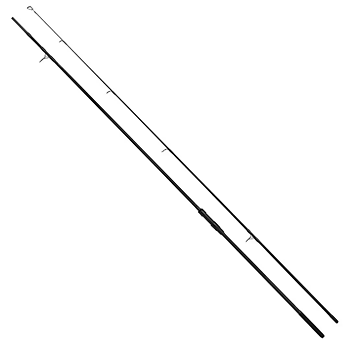
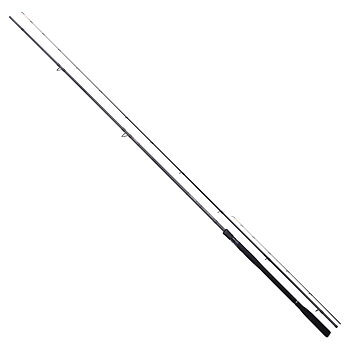

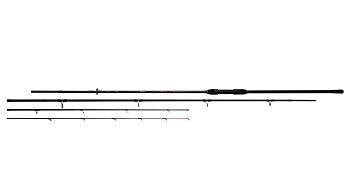
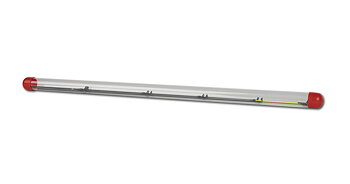








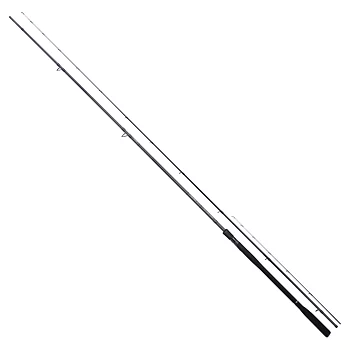

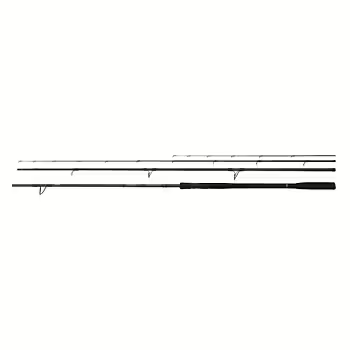
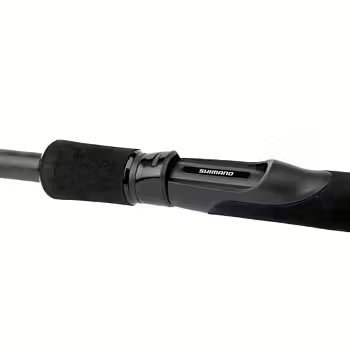

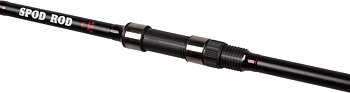
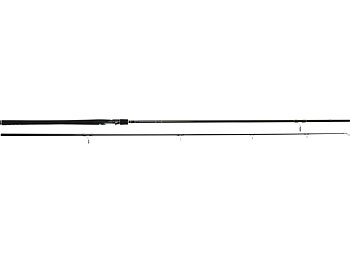
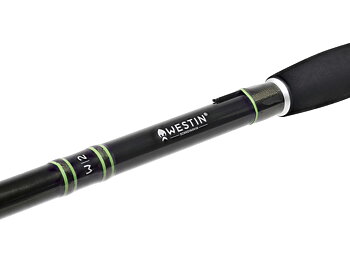


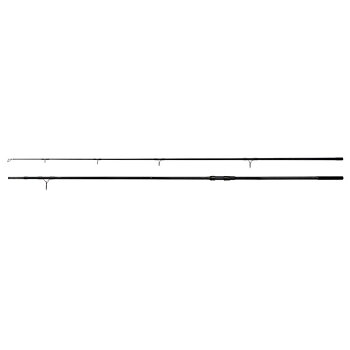
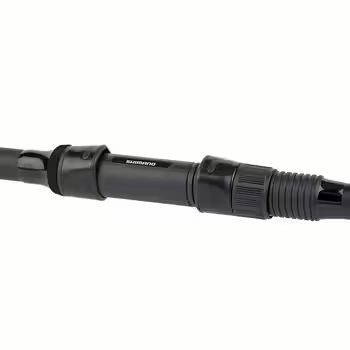


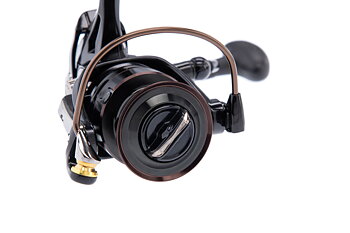
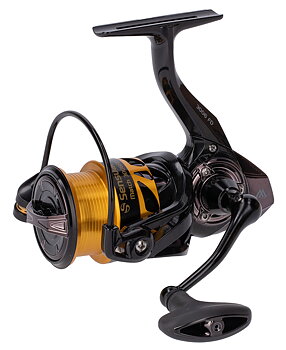
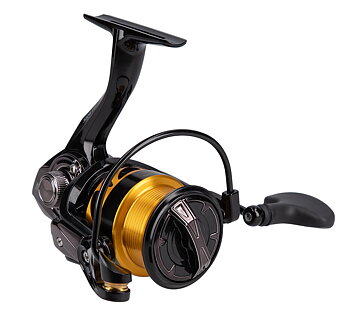
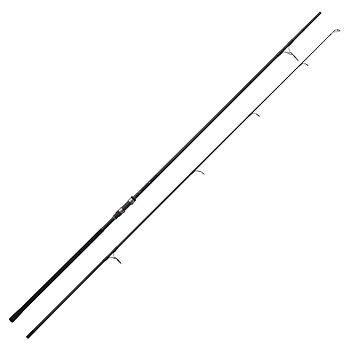


Rods & Reels for Angling and Specimen Fishing – Find the Right Gear for Your Fishing
Are you looking for the right rod and reel to take your coarse and specimen fishing to the next level? With the right combination of rod and reel, you’ll get better casting control, clearer bite indication, and the right tools to handle both smaller whitefish and large, powerful specimen fish. Whether you’re fishing for carp, tench, roach, bream, rudd, roach, or rudd, there’s gear that suits your method and your favorite waters.
Angling in Swedish waters ranges from traditional float fishing from the dock to advanced feeder fishing, method feeder fishing, and specialized carp fishing. Different methods place different demands on the rod’s length, action, and casting weight, as well as the reel’s size, drag, and line capacity. With the right gear, you can adapt your fishing to everything from subtle bites in calm waters to powerful runs from larger fish.
Feeder Rods – Sensitive Rods for Bottom Fishing
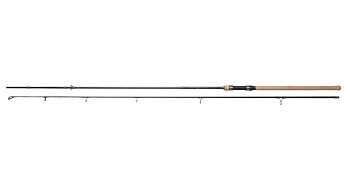
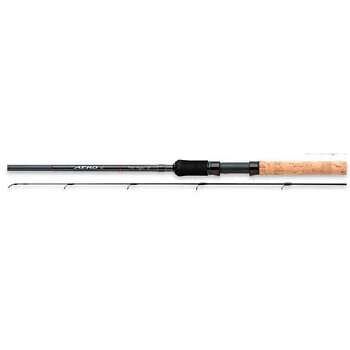
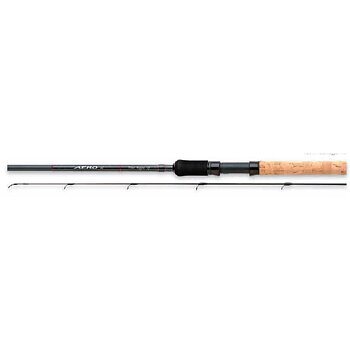
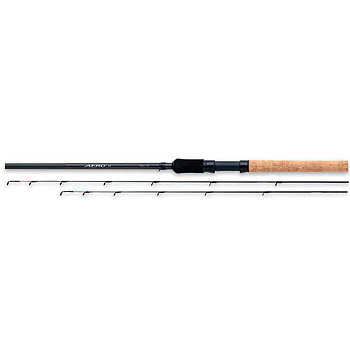
Feeder rods are designed for bottom fishing, where the bait is presented near the bottom and fish are attracted to the spot using groundbait or feed. One of the most important features is the sensitive rod tip, which helps you detect even the most subtle bites.
When feeder fishing for bream, roach, tench, and rudd, it’s important to choose a rod that suits both the casting distance and the weight of the feeder basket. Lighter feeder rods work well for shorter casts and more delicate fishing, while sturdier models are better suited for larger bodies of water, longer casts, and flowing conditions.
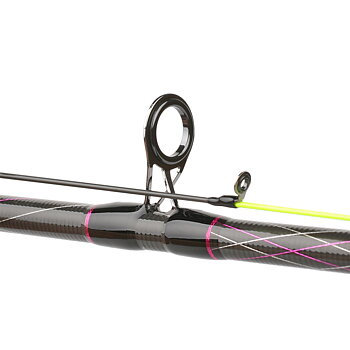
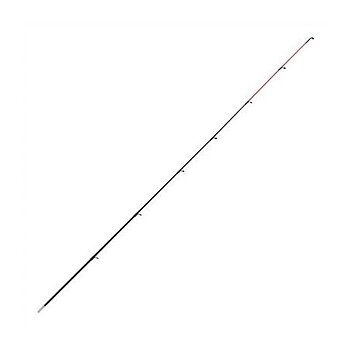
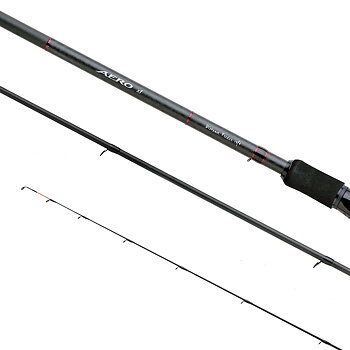
Many feeder rods come with interchangeable tips of varying stiffness. This allows you to adjust the bite indication based on wind, current, and fish activity. For those looking for a versatile rod for Swedish lakes and rivers, feeder fishing is an excellent option.
Method feeder rods – for carp, tench, and active feeder fishing
Method feeder rods are designed for fishing with a method feeder, where groundbait or pellets are placed around a special feeder and the hookbait is presented in or next to the feed. This method is often used when fishing for carp and other cyprinids in lakes and ponds.
These rods typically have sufficient strength to cast a loaded feeder and handle powerful runs, while also providing good control during the fight. The right length and casting weight help you place your rig at the desired distance and maintain an even load while fishing.
When choosing a method feeder rod, you should consider how heavy your feeders are, how far you need to cast, and how large the fish you’re expecting to catch are. A well-matched rod makes it easier to fish consistently and present the bait in the same spot with repeated casts.
Carp Rods – Power and Precision for Larger Fish
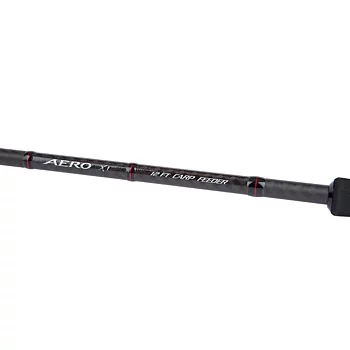
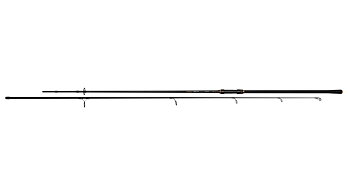
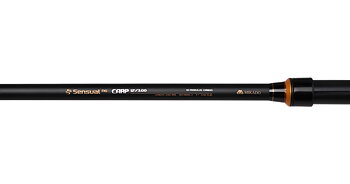
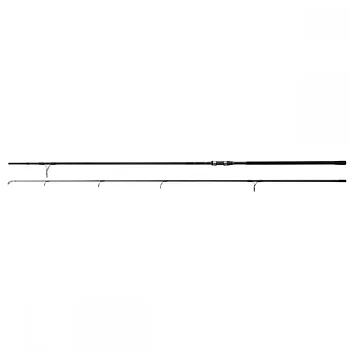
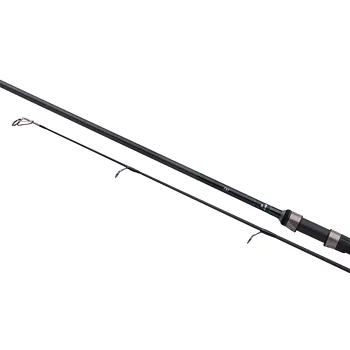
Carp rods are designed for targeted fishing for carp and other larger fish. They are often longer and sturdier than traditional match rods and engineered to handle heavier casts, longer distances, and the strain from powerful fish.
When fishing for carp, carp rods are used in combination with, for example, boilies, pellets, pop-ups, and various types of bottom fishing rigs. The rod’s length and action affect, among other things, casting ability, strength, and how the rod performs during the fight.
For fishing at shorter distances, a compact carp rod can be convenient, while longer models can offer advantages when fishing at a distance from larger lakes. The most important thing is to choose a model that suits the fishing spot, the weight of the sinker, and the size of the fish you’re targeting.
Specimen Rods – Versatile Rods for Tench, Bream, Roach, and Rudd
Specimen rods are designed for anglers who want to target larger specimens of various species. They are used, among other things, for fishing for tench, bream, rudd, roach, and rudd.
Many specimen rods combine a supple action with sufficient backbone to handle larger fish. Depending on the model, they can be used for both bottom fishing and float fishing. Some specialty rods also come with interchangeable tips or different tip sections to accommodate multiple fishing methods.
A specimen rod is a good choice for anglers who want more specialized gear than a standard all-around rod, but who also want to be able to fish for multiple species. By tailoring the rod to the fishing method, you gain better control over casting, bite detection, and the fight.
Match rods and waggler rods—for precision fishing with a float
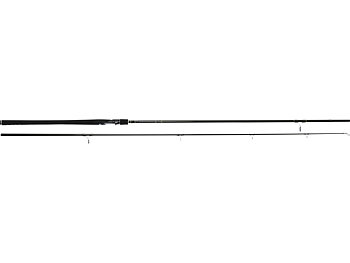
Match rods are primarily used for float fishing, where casting accuracy and line control are crucial. They are typically long, relatively light, and have an action that helps you cast even light floats and handle fish with finer lines.
Waggler fishing is popular for roach, rudd, bream, and tench in lakes and calmer waters. With a match rod, you can present the bait at a specific depth and detect bites by watching the float.
Choose the rod length and casting weight based on how far you need to cast and how heavy the floats you’re using are. A lighter match rod is better suited for finer float fishing, while sturdier models may be more suitable for larger floats and longer casts.
For those who enjoy active float fishing and want good control over bait presentation, match rods are an excellent complement to a feeder rod.
Fishing Reels for Float Fishing—The Right Balance Between Sensitivity and Strength
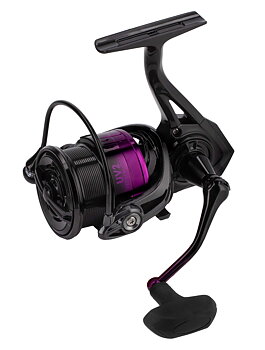
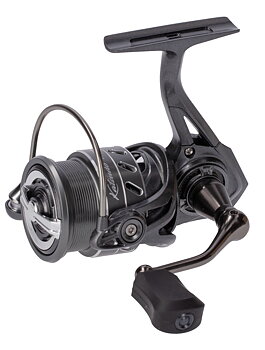
A good fishing reel should work in harmony with the rod and give you control over both casting and the fight. In float fishing, baitcasting reels are often used because they’re easy to use and suit many different techniques.
For lighter match and float fishing, a smaller reel may be suitable. In feeder fishing, medium-sized models with sufficient line capacity for the casting distance are often used, while carp fishing usually requires larger and more robust reels.
When choosing a reel, you should primarily consider the drag system, line capacity, gear ratio, and how well the reel balances the rod. A smooth drag is especially important when fishing for strong fish such as carp and tench.
A well-balanced combination of rod and reel also provides a more comfortable fishing experience during long fishing sessions.
Feeder and Match Reels—For Controlled Casts and Clear Bites
In feeder fishing, the reel’s performance is crucial both when casting the feeder basket and when playing the fish. A suitable reel should be able to handle the line and load required by this fishing method.
For lighter feeder fishing for roach and bream, a small or medium-sized reel may be sufficient. For longer casts or when fishing with heavier feeder baskets, a larger model with more line capacity may be a better option.
For match fishing, a lightweight reel that balances the rod well is often preferable. It should operate smoothly during repeated casts and provide good control over the line when fishing with a waggler float.
Regardless of the method, you should choose a reel that suits the rod’s recommended application and the loads encountered while fishing.
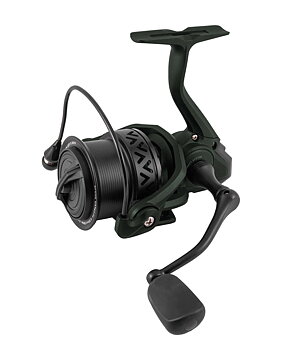
Carp Reels – Sturdy Construction and Reliable Drag
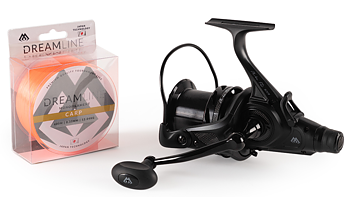
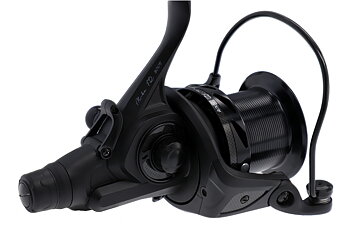
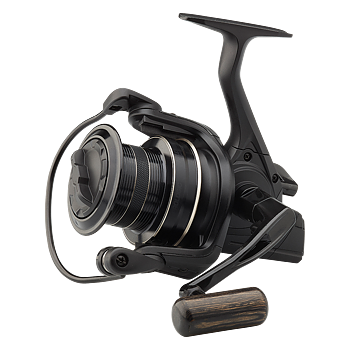
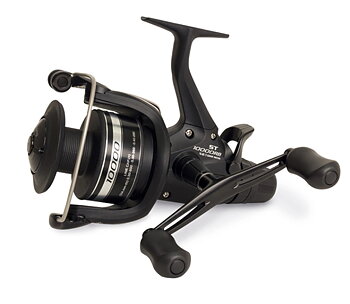
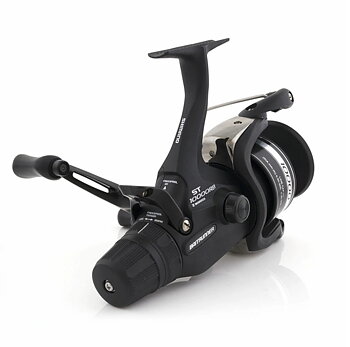
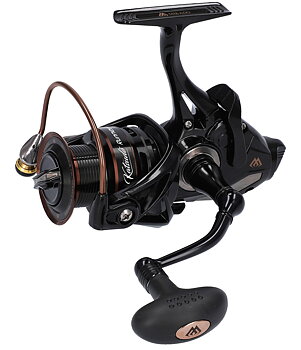
Carp fishing reels are built to handle larger fish and often longer fishing sessions. They typically have a greater line capacity than simpler met and match reels and may be equipped with features that help you control the line when carp make long runs.
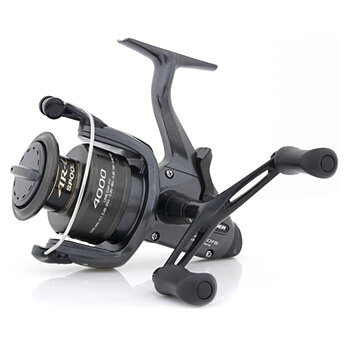
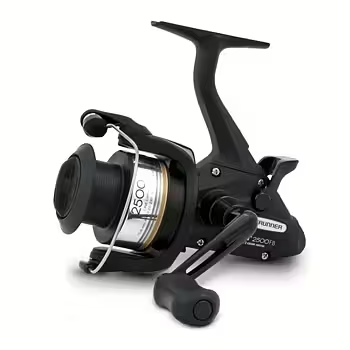
Some models feature a baitrunner or a free-spool function that allows the fish to pull out line with limited resistance before you take control of the reel. This feature can be useful for stationary carp fishing, but isn’t necessary for all fishing methods.
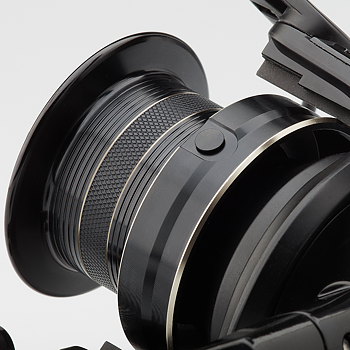
Choose the reel size based on your rod, casting distance, and the amount of line you need. For long-distance fishing, a larger spool can be useful, while a compact reel may be better suited for fishing at shorter distances.
A sturdy construction and a smooth, reliable drag are important features when fishing for larger carp and other powerful specimen fish.
Rods and Reels for Tench, Roach, and Bream
Tench, roach, and bream are popular target species in Swedish angling. They can be fished using both float and bottom fishing techniques, which allows you to vary your gear depending on the water, depth, and the fish’s behavior.
When float fishing for roach and smaller bream, a flexible match rod paired with a light reel provides a sensitive and well-balanced combination. For tench and larger bream, a sturdier specimen rod or feeder rod may be more suitable, especially when fishing near vegetation or using heavier tackle.
The right combination should provide sufficient strength to handle the fish, while also having an action that suits the line’s diameter and the hook’s size. Adapt your gear to the fishing spot rather than simply choosing the heaviest model.
Rods and Reels for Fly Fishing and Angling in Running Water
Feeder fishing in Swedish streams and rivers places special demands on your gear. The current affects both how you present the bait and the amount of strain placed on the line, rod, and reel.
A feeder rod or a specialized specimen rod may be appropriate, depending on whether you’re fishing with a feeder, a sinker, or a float. In stronger currents, you may need a model with enough backbone to handle heavier tackle and maintain control of the fish near obstacles.
The reel should have a smooth drag and sufficient line capacity for your fishing method. Also choose your line and leader based on the bottom conditions and the expected size of the fish.
With the right equipment, you can adapt your fishing to calmer stretches of the river and faster-flowing water without compromising control during the fight.
How to Choose the Right Rod and Reel for Angling and Specimen Fishing
When choosing a rod and reel, it’s important to base your decision on the fishing method, target species, and conditions at your fishing spot. There’s no single combination that works for all types of angling, but a few basic factors make the choice easier.
- Rod length: Adjust the length based on casting distance, the shoreline environment, and how you want to control the line.
- Action and strength: Choose a flexible model for delicate angling or a sturdier rod for larger fish and heavier tackle.
- Casting weight: Make sure the rod can handle the combined weight of the sinker, feeder, and bait.
- Reel size: Match the reel to the rod, the line, and the amount of line required.
- Brake system: A smooth brake provides better control when the fish makes a run.
- Fishing method: Choose between feeder, method feeder, match, specialist, and carp rods depending on how you prefer to fish.
For those who want to get started with match fishing, an all-around combination of a feeder rod and a suitable reel can be a good starting point. If, on the other hand, you primarily fish for large carp, a specialized carp rod and a carp fishing reel may be a better choice.
Find the right rods and reels for your next angling session
The right equipment makes it easier to develop your float fishing and specimen fishing skills, whether you prefer sensitive float fishing, methodical feeder fishing, or targeted carp fishing. With a rod that suits your method and a reel with the right features, you’ll have better control over casting, bites, and the fight.
Explore our selection of rods and reels for coarse and specimen fishing and find the gear that suits your goals. From lighter fishing for roach and rudd to targeted fishing for large tench, bream, and carp, there are options for both beginners and experienced specimen anglers.
Find your next rod and reel combination and get ready for more exciting fishing trips in Swedish waters!