
AUTUMN FISHING
- SHOP WITH CONFIDENCE
- Delivery Immediate delivery
- CUSTOMER SERVICE by anglers
- EASY RETURNS 30-day return policy
- PAY SECURELY with Klarna


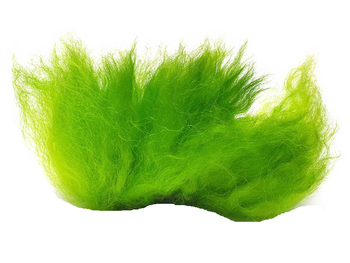
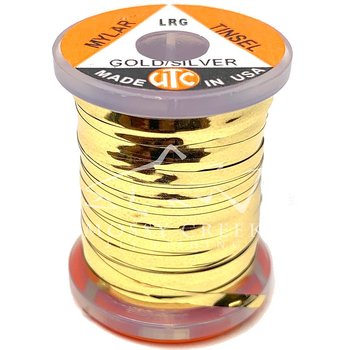

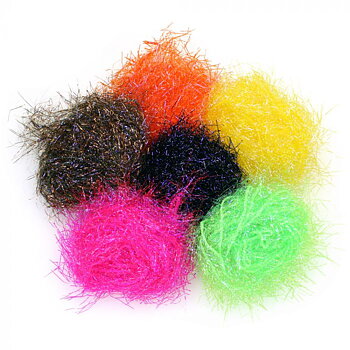
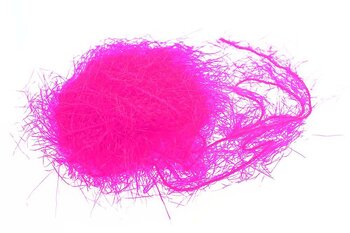
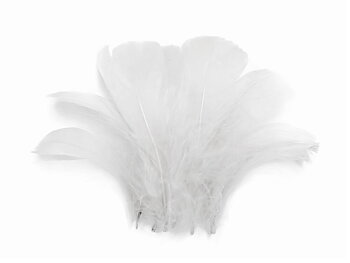

Fly tying is a very broad category that encompasses all kinds of materials and tools. That’s why we’ve broken it down a bit more for you, to make it easier to find what you’re looking for. Fly-tying materials are really only intended for those who want to tie their own flies.
Fly Tying – Everything You Need to Tie Your Own Flies for Swedish Sport Fishing
Are you looking for materials, tools, and accessories for fly tying? With the right equipment, you can create your own fishing flies tailored to Swedish fish species, different aquatic environments, and your personal fishing techniques. Fly tying is a creative and rewarding part of fly fishing where you decide the size, color, shape, and materials of your flies. Whether you want to tie dry flies for trout and grayling, nymphs for rainbow trout and char, streamers for pike and perch, or coastal flies for sea trout, there are fly-tying materials and tools for both beginners and experienced fly tiers.
Discover everything you need for fly tying, from fly-tying stands, tying thread, and hooks to feathers, hair, dubbing, chenille, flash material, ribbing, and ready-to-use fly-tying kits. With the right fly-tying supplies, it’s easier to develop your technique, experiment with new patterns, and create durable fishing flies tailored to your specific fishing needs.
Fly-tying materials—create your own fishing flies from scratch
The right materials are the foundation of successful fly tying. By combining different materials, you can create flies that mimic insects, small fish, crustaceans, and other prey that fish eat. The color, texture, movement, and buoyancy of the materials affect how the fly behaves in the water.
In the fly-tying assortment, you can look for materials such as natural hair, synthetic fibers, hackle feathers, dubbing, chenille, marabou, and flash material. Different materials are suitable for different fly types, ranging from small, discreet dry flies to large, active pike flies. By choosing the right combination, you can tailor your flies to the fish species, season, and water conditions.
Fly-tying tools—the right equipment for precision work
Good fly-tying tools make the process easier, more precise, and more comfortable. With the right tools, you’ll have better control over the materials and can create flies with a uniform shape and durable construction.
- Fly-tying vise: holds the hook steady while you tie.
- Tying thread holder: helps you guide the tying thread and maintain even pressure.
- Fly-tying scissors: for precise cuts of thread, feathers, and fibers.
- Hackle pliers: make it easier to wrap hackle feathers around the hook.
- Dubbing twister: helps you create dubbing loops with fibers and other materials.
- Whip finish tool: used to finish the fly with a secure knot.
- Material clamps and needle tools: make it easier to handle materials, apply varnish, and fine-tune details.
Whether you’re tying your first flies or working on advanced patterns, well-designed tools can help you work more efficiently and achieve more consistent results.
Fly-tying vise—the foundation of your fly-tying
A sturdy fly-tying vise is one of the most important tools when tying your own fishing flies. The vise’s job is to hold the hook securely in place so you can work with the tying thread and materials using both hands. There are models for various needs, ranging from simpler stands for beginners to more advanced versions with adjustable jaws and a rotating function.
When choosing a fly-tying vise, you should check which hook sizes it accommodates, how stable it is, and whether it fits your workspace. A rotating vise can be especially handy when you want to examine the fly from different angles or ensure even material distribution.
Fly Hooks—The Right Hook for Every Fly Pattern
The fly hook is the foundation of every fishing fly and influences both the fly’s construction and how it performs while fishing. Hooks come in many sizes and shapes, tailored for different fly types and fish species.
- Dry fly hooks: for light flies designed to float on the water’s surface.
- Nymph hooks: for imitations of insects below the water’s surface.
- Streamer and pike fly hooks: for larger flies that imitate small fish and other prey.
- Coastal fly hooks: for flies used for sea trout and other coastal fishing.
- Salmon fly hooks: for various types of salmon flies and specialized stream fishing.
- Tube flies and tube fly accessories: for fly patterns tied onto a tube instead of directly onto a traditional hook.
Choose a hook based on the fly pattern, materials, target fish, and fishing method. A well-matched hook helps you create a fly with the right proportions and function.
Dry flies—fly patterns that fish on the surface
Dry flies are a classic part of fly fishing and are used when fish are feeding on insects at or near the water’s surface. By tying your own dry flies, you can customize the size, color, and silhouette to match the insect life in your fishing waters.
Materials such as hackle feathers, floating synthetic fibers, dubbing, and fine tying threads are often used to create dry flies with suitable flotation properties. Homemade dry flies are particularly well-suited for fishing for brown trout, grayling, and rainbow trout. Having a variety of patterns in your fly box makes it easier to adapt when the fish become selective and prefer a certain type of insect.
Nymphs – Tie Effective Flies for Fishing Below the Surface
Nymphs mimic insects in their underwater stages and are an essential part of many fly fishermen’s fly boxes. With the right fly-tying materials, you can create nymphs in various sizes, colors, and weight classes to suit different depths and current conditions.
Dubbing, ribbing, beads, feathers, and synthetic fibers are commonly used in nymph tying. By varying the materials and construction, you can tie everything from small, discreet imitations to heavier nymphs that quickly sink down to the fish. Nymphs are particularly useful when fly fishing for trout, grayling, char, and rainbow trout.
Streamers – Tie Flies for Perch, Pike, and Other Predatory Fish
Streamers are flies that often mimic small fish and other prey. They can be tied in many sizes and styles, from smaller patterns for perch and trout to large pike flies with a bold profile and lively action.
Using materials such as marabou, rabbit hair, synthetic fibers, flash, and chenille, you can create streamers with different colors, volume, and action. Fly tying allows you to customize the length and profile of the flies to match the forage fish found in your fishing waters. For pike flies, it’s especially important to choose hooks, materials, and leaders that are suitable for the larger fly and the fish’s sharp teeth.
Fly Tying for Sea Trout—Coastal Flies with Life and Movement
Coastal flies for sea trout are often tied to mimic small fish, shrimp, and other prey found along the Swedish coast. They need to be presented effectively in waters where wind, waves, and light conditions vary.
Using synthetic fibers, flash material, marabou, and other movable materials, you can create coastal flies in various colors and sizes. By tying your own patterns, you can adapt the flies to the season, water color, and local prey. Choose hooks and materials suitable for coastal fishing, and rinse your gear according to the manufacturer’s recommendations after fishing in saltwater.
Fly Tying for Salmon, Char, and Rainbow Trout
Fly tying opens up many possibilities for anglers targeting different species in Swedish waters. For salmon, you can tie classic hair-wing flies, feather flies, and tube flies in patterns adapted to water flow and fishing conditions. For char and rainbow trout, smaller nymphs, dry flies, and streamers may be appropriate depending on what the fish are feeding on.
With the right fly-tying materials, you can vary the size, weight, color, and action of your flies. This makes it easier to build a personalized fly box with patterns for different seasons and fishing spots.
Dubbing, chenille, feathers, and hair—materials for creative fly patterns
Fly-tying materials come in many forms and are used to create different parts of the fly. By combining materials with different properties, you can influence both the fly’s appearance and its movement in the water.
- Dubbing: used to build bodies on nymphs and dry flies.
- Chenille: suitable for voluminous bodies on, for example, streamers and certain attraction flies.
- Hackle feathers: used for legs, collars, and buoyancy in various fly patterns.
- Marabou: provides soft, lively movement in the water.
- Hair materials: used, among other things, for wings and profiles on streamers and pike flies.
- Flash material: adds reflections that can mimic the glint of prey fish.
- Tying thread: holds the fly’s materials together and comes in various sizes and colors.
- Beads and weighting material: help you control the fly’s weight and how it sinks.
By experimenting with different combinations, you can develop your own fly patterns and find materials that suit your specific tying technique.