
AUTUMN FISHING
- SHOP WITH CONFIDENCE
- Delivery Immediate delivery
- CUSTOMER SERVICE by anglers
- EASY RETURNS 30-day return policy
- PAY SECURELY with Klarna
Thread/Tinsel


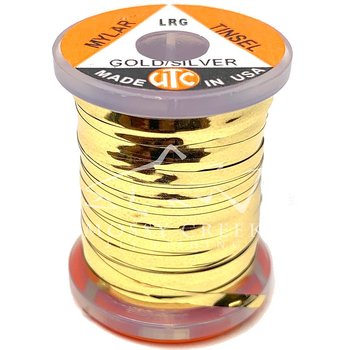
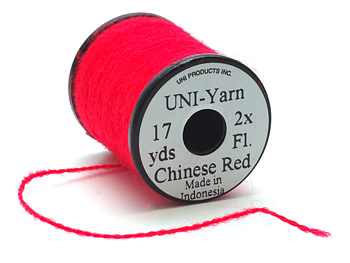
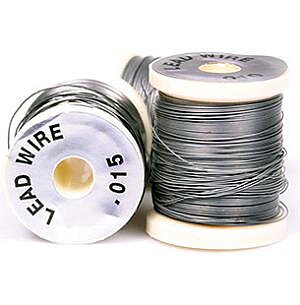
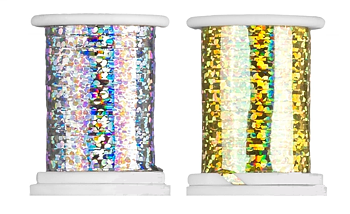


In this category, we’ve gathered the thread and tinsel intended for fly tying. They come in all sorts of colors and thicknesses. Most of our fly-tying materials are from Fly Dressing, which we believe produces high-quality and affordable materials.
Thread and Tinsel for Fly Tying – Tie Durable Fishing Flies with Stylish Details and the Right Finish
Are you looking for fly-tying thread and tinsel? The right thread and shimmering tinsel are essential components when you want to create durable, well-shaped, and attractive fishing flies. Whether you’re tying small dry flies for trout and grayling, nymphs for rainbow trout and char, streamers for perch and pike, or classic salmon flies, there are threads and tinsel materials that will help you achieve the right construction, color, and finish. With the right fly-tying thread, you’ll have better control over the materials, while tinsel gives the fly extra luster, contrast, and clear details.
In our selection of fly-tying thread and tinsel, you’ll find materials for both beginners and experienced fly tiers. Discover tying thread in various sizes and colors, flat and oval tinsel, metallic threads, ribbing materials, and other accessories for building fly bodies, reinforcing structures, and creating custom fly patterns. Whether you prefer subtle, lifelike imitations or colorful attractor flies, the right thread and tinsel can make a big difference in the final result.
Fly-Tying Thread—The Foundation of Every Fly
Tying thread is one of the most important materials in fly tying. It’s used to attach feathers, hair, dubbing, synthetic fibers, and other components to the hook. Good tying thread gives you control over material placement and helps you build flies that hold together during both tying and fishing.
Tying thread comes in many different gauges, colors, and materials. Thin thread is often well-suited for small flies where you want to avoid unnecessary bulk, while thicker thread may be appropriate for larger streamers and pike flies that require sturdier constructions.
When choosing tying thread, it’s important to consider hook size, fly type, and the materials you’ll be attaching. With the right thread, it’s easier to create even fly bodies, neat finishes, and durable ties.
Thin and Heavy-Duty Binding Thread—Choose the Right Gauge
The size of the tying thread affects how much material you can attach and how much volume the thread adds to the hook. That’s why it’s a good idea to have several sizes on hand if you tie different types of flies.
- Thin tying thread: suitable for small dry flies, smaller nymphs, and patterns where a slender body is important.
- Medium-weight tying thread: a versatile option for many common nymphs, wet flies, and smaller streamers.
- Heavy-duty tying thread: suitable for larger streamers, predator flies, and patterns where materials need to be securely attached.
- Extra-strong tying thread for large flies: may be suitable for pike flies and other larger patterns with extensive materials.
Keep in mind that the actual strength of the thread varies depending on the material and manufacturer. Therefore, don’t choose based solely on the label on the spool, but also on how the thread works with your materials and hook sizes.
Tying thread in different colors—create the right look for your flies
The color of the tying thread can affect the fly’s appearance, especially when the thread is visible or used as part of the fly’s body. With multiple colors in your tackle box, you can easily customize your flies for different patterns and fishing situations.
Black, brown, olive, and gray are useful colors for many classic fly patterns, while red, orange, yellow, and other vivid shades can be used to create contrasts and colorful details. White tying thread can be practical when you want to dye or tint the thread in certain constructions, depending on the materials you’re using.
By matching the tying thread with dubbing, feathers, hair, or synthetic fibers, you can create a uniform finish. You can also use a contrasting color to highlight a specific part of the fly.
Tinsel for Fly Tying – Luster and Reflection in Every Fly
Tinsel is a popular material among fly tiers who want to add extra shine to fly bodies and other details. The material comes in various widths, shapes, and colors and is used, among other things, to create bodies, ribbing, segmentation, and reflective accents.
Silver and gold are classic colors, but there are also copper, mother-of-pearl, holographic variants, and other shades for modern fly patterns. Tinsel can be used subtly to enhance a body or more prominently to create a distinctly shiny fly.
It works particularly well with nymphs, wet flies, streamers, coastal flies, and salmon flies. By combining tinsel with natural materials or synthetic fibers, you can create flies with varying textures and visual effects.
Flat tinsel—for shiny fly bodies
Flat tinsel is often used to build shiny bodies on fishing flies. It is wrapped around the hook shank, creating a smooth, reflective surface that can give the fly a distinct metallic or pearlescent sheen.
Flat tinsel comes in various widths, allowing you to adapt the material to the hook size and desired result. Narrower varieties are often suitable for smaller flies and details, while wider tinsel can be used for larger bodies.
This material is a popular choice for tying nymphs, wet flies, streamers, and classic salmon flies. It can also be combined with ribbing or dubbing to create a more detailed fly body.
Oval tinsel and ribbing—reinforce the fly body with distinct segments
Oval tinsel is often used as ribbing to create segmentation and reinforce fly bodies. When the material is wound around the body, it forms a distinct spiral that can give the fly a classic look and help hold certain body materials in place.
Oval tinsel comes in various colors and sizes, including silver and gold. It’s often used for nymphs, wet flies, and salmon flies, but can also be found in other patterns where you want to create distinct segments.
Ribbing can also be made with other materials, such as metal wire or synthetic fibers. The choice depends on how you want the fly to look, the durability you need, and how much volume you want to build on the hook.
Metallic thread and colored thread—details for modern fly patterns
In addition to traditional tying thread, metallic and colored threads are available that can be used to create details, bodies, and ribbing on fishing flies. They can add both color and sheen and offer more opportunities to vary the appearance of your own patterns.
Metallic thread can be used as an alternative to tinsel in certain designs, while colored thread can help you create distinct segments or decorative elements. Choose materials based on hook size and fly type, as some threads add more volume than others.
With a good selection of threads and metallic materials, you can develop both classic and modern fly patterns for many Swedish fish species.
Thread and Tinsel for Dry Flies and Nymphs
When tying dry flies, it’s often important to keep the weight down and avoid unnecessary bulk. A thin tying thread helps you secure materials without creating a body that’s too bulky. Tinsel can be used sparingly for small details or to add a certain sheen to the fly.
Nymphs offer greater opportunities to experiment with bodies, segmentation, and weighting. Here, tying thread and tinsel can be combined with dubbing, beads, and other components to create flies with the right proportions and appearance.
These materials are ideal for fly tying for trout, grayling, rainbow trout, and char. By adjusting the color, size, and quantity, you can tie both subtle imitations and more conspicuous patterns.
Thread and Tinsel for Streamers, Pike Flies, and Coastal Flies
When tying streamers and larger predator flies, it’s important that the tying thread can hold the materials in place. Heavier thread may be appropriate when working with large amounts of fibers, hair, and other volume-building materials.
Tinsel and metallic threads can be used to create reflective sides, bodies, and details that enhance the fly’s appearance. For pike flies, these materials can be combined with long synthetic fibers, flash, and other components to create large flies with a distinct profile.
For coastal sea trout flies, silver-colored, pearlescent, or other reflective details are often used. Tinsel can also be used for smaller streamers for perch and for certain fly patterns targeting other predatory fish.
Thread and tinsel for salmon flies—classic materials for traditional patterns
Thread and tinsel have a long tradition in salmon fly tying. They are used to create bodies, ribbing, color transitions, and decorative details on both classic and modern salmon flies.
Silver and gold are common choices for tinsel, while tying thread in various colors helps secure wings, hackles, and other materials. The combination of thread, tinsel, and feathers or hair materials makes it possible to create many different patterns.
Whether you’re tying traditional salmon flies or modern variations, it’s important to choose materials that suit the hook size and the construction you’re working with.
How to Choose the Right Thread and Tinsel for Fly Tying
When buying tying thread and tinsel, it’s best to start by considering which flies you want to tie and what materials you usually use. The right combination makes tying easier and helps you create flies with the desired durability and finish.
- Choose the thread size based on hook size: thinner thread for small flies and thicker thread for larger patterns.
- Match the color to the fly pattern: choose natural tones for subtle imitations or bolder colors for distinct details.
- Choose the right type of tinsel: flat tinsel is often suitable for bodies, while oval tinsel is useful for ribbing.
- Adjust the width: narrow tinsel works well for small flies and details, while wider varieties can be used for larger bodies.
- Consider durability: choose materials that work well with the other components and can withstand the stress the fly will be subjected to.
- Build a basic selection: Start with common thread colors as well as silver and gold tinsel before adding more varieties.
- Experiment with combinations: try thread and tinsel together with dubbing, feathers, hair, and synthetic fibers.
With a well-thought-out selection of tying thread and tinsel, it becomes easier to tie everything from small dry flies to larger streamers and detailed salmon flies.
Buy fly-tying thread and tinsel online
Whether you’re looking for thin tying thread for small dry flies, stronger thread for large predator flies, flat tinsel for shiny bodies, or oval tinsel for classic ribbing, there are materials to suit various needs and skill levels. With the right components, you’ll have better control over the construction of your flies and can create a stylish and durable finish.
Explore our selection of thread and tinsel for fly tying and find materials for your own dry flies, nymphs, streamers, coastal flies, and salmon flies. Combine different sizes, colors, and finishes to develop your tying technique and create fishing flies that are suited to your favorite waters and target fish.
Find your new fly-tying thread and tinsel and create fishing flies with durable construction, stylish details, and just the right sheen for your next fishing trip!