
AUTUMN FISHING
- SHOP WITH CONFIDENCE
- Delivery Immediate delivery
- CUSTOMER SERVICE by anglers
- EASY RETURNS 30-day return policy
- PAY SECURELY with Klarna
Rod Cases


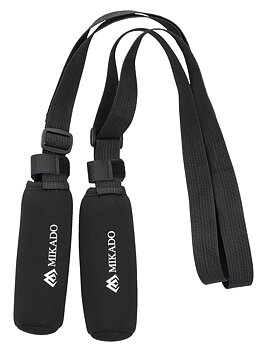
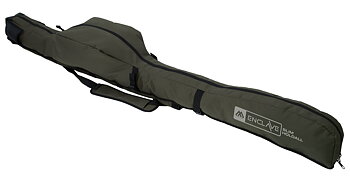
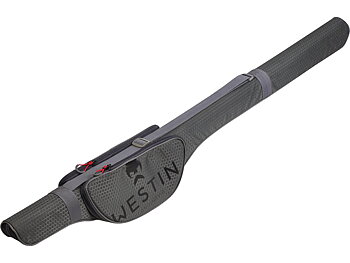
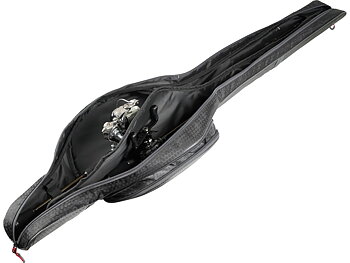
Rod Storage – Protect and Transport Your Fishing Rods
Are you looking for practical rod storage that protects your fishing rods at home, during transport, and on the way to the fishing spot? With the right rod case, rod bag, or rod holder, you can store your gear more securely, reduce the risk of damage, and keep your rods organized between fishing trips.
Fishing rods are often sensitive to impacts, pressure, and improper handling. Rod guides, tips, reel seats, and handles can be damaged if the rods are transported loose alongside other gear. A well-designed storage solution helps you protect your rods and makes it easier to transport multiple rods at once.
There are many types of rod storage to choose from. Compact rod cases are suitable for single rods, while larger rod bags can hold multiple rods and sometimes even mounted reels. Hard transport tubes provide extra protection when traveling, and special rod holders can be used for organized storage at home or on a boat.
Whether you’re fishing with ultralight rods for perch, heavy-duty pike rods, carp rods for longer specimen sessions, or fly rods for fishing in flowing water, it’s important to choose a solution that suits the rod’s length, construction, and intended use.
Rod Cases – Convenient Protection for Your Fishing Rods
Rod cases are a common solution for those who want to protect one or more fishing rods during transport and storage. They come in various lengths and materials and can be designed for both one-piece and multi-piece rods.
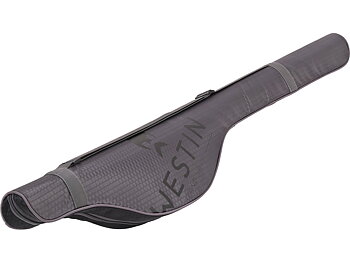
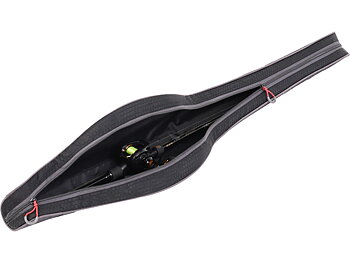
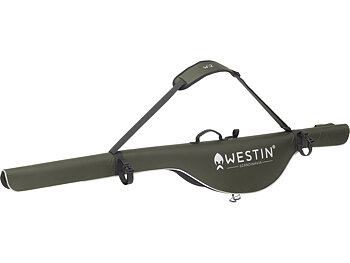
A soft rod case primarily protects against scratches, dirt, and minor impacts. It’s ideal for transporting rods in the car, carrying them to the fishing spot, or storing them at home between fishing trips.
Some cases have separate compartments that keep the rods apart, reducing the risk of guides and tips bumping into each other. Others are simpler models that primarily protect against dirt and superficial damage.
When choosing a rod case, you should check the rod’s transport length and the case’s internal dimensions. Also consider whether the rod will be stored with the reel attached or if the reel needs to be packed separately.
Rod Bags – for Transporting Multiple Rods
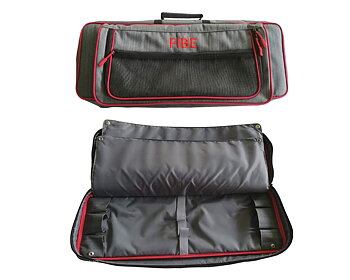
A rod bag is ideal for those who want to transport multiple fishing rods in an organized and convenient way. Many models feature separate compartments for the rods and extra space for items such as reels, rod sections, and smaller accessories.
Rod bags are useful for anglers who switch between different fishing methods and want to bring multiple setups to the water. For example, you can carry a lightweight perch rod, a sturdier pike rod, and an extra spare rod in the same bag, provided the length and capacity are suitable.
Longer rod bags are particularly practical for two-piece rods, while compact models may be suitable for shorter travel rods. Some bags are padded for extra protection and feature adjustable shoulder straps to make carrying easier.
Always check how many rods the bag can hold and whether the compartments are designed to accommodate rods with reels attached. A good rod bag should protect your gear without forcing the rods together.
Hard rod tubes—extra protection during transport and travel
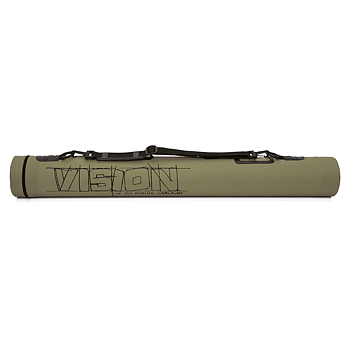
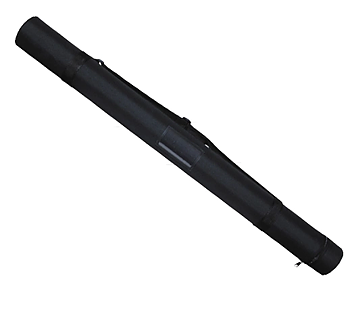
Hard rod tubes are a great option when you need more robust protection for your fishing rods. They have a rigid construction that helps protect the contents from pressure and impact during transport.
They’re particularly well-suited for longer car trips, air travel, and other situations where the rods are at risk of being handled roughly. Rod tubes are used, among other things, for fly rods, travel rods, and other multi-piece rods that can be packed into a compact format.
Some models have adjustable lengths, while others are designed for a specific transport length. Internal padding or separate protectors for the rod sections can provide additional protection against movement and contact between the parts.
Keep in mind that a hard tube must have sufficient internal length and diameter to accommodate your rod sections. If you’re flying, you should also check the airline’s rules regarding sports equipment and permitted dimensions.
Rod Storage for UL, XUL, and BFS
Ultralight rods, XUL rods, and BFS rods are often used when fishing with small lures and light lines. Although these rods can be compact, they are often sensitive to impacts and pressure, especially when transported alongside other gear.
A lightweight rod case or a padded rod bag can be a practical choice for protecting the blank, guides, and tip. For two-piece rods, it’s important to keep the rod sections separate so they don’t knock against each other during transport.
If you use multiple specialized rods, a rod bag with separate compartments can help you keep your gear organized. This makes it easier to bring the right rod for different lure weights and fishing situations.
Choose a storage solution that suits the rod’s transport length and construction. For extra-sensitive rods, an individual case combined with a sturdier outer bag can provide better protection than a thin fabric case alone.
Rod Storage for Pike Rods and Predator Fishing
Pike rods and other heavier predator rods can be long and bulky, especially when used with larger multi-reels or spinning reels. A spacious rod bag or a longer rod case makes transport easier and helps protect the rods from damage.
If you’re transporting multiple rods at once, separate compartments are especially useful. They reduce the risk of guides, guides, and reel seats coming into contact with one another.
For boat fishing, it can be practical to choose a solution that’s easy to carry and store without taking up too much space. When fishing from shore, a bag with a shoulder strap can be a good option when you need to walk a longer distance.
Make sure the rod case can accommodate the length of your rods and that any mounted reels fit inside. If the reels need to be removed, it’s a good idea to have separate compartments or extra protection for them.
Rod Storage for Coarse and Specimen Fishing
In match and specimen fishing, several types of rods are used, ranging from lightweight match and feeder rods to heavier carp rods. The right rod case makes it easier to transport your gear and protect it between longer fishing sessions.
For feeder fishing and traditional match fishing, a rod case with space for multiple rods and rod tips can be practical. Separate compartments help protect the thinner tips and keep your gear organized.
For carp fishing, longer two-piece or three-piece rods are often used. Long rod bags with separate compartments and extra space for reels can be suitable when transporting multiple complete rod sets.
If you also need to bring banksticks, rod holders, or other longer accessories, a model with dedicated exterior compartments can be a good option. Choose a bag that accommodates both the transport length of your rods and the amount of gear you typically use.
Fly Fishing Rod Storage
Fly rods often consist of several delicate sections and therefore require careful storage. Rod tubes and special fly rod cases help protect the blank and guides when transporting or storing your gear.
A hard tube is particularly useful when traveling and when you want more robust protection. Soft cases can be well-suited for everyday transport and storage at home, especially when used in combination with a sturdy outer bag.
If you have multiple fly rods with different line classes, a rod bag with separate compartments or clear labeling can make it easier to keep your gear organized. This reduces the risk of mix-ups and makes it faster to choose the right rod for, say, trout, grayling, char, or coastal sea trout fishing.
Make sure the rod sections fit securely and that the tube or case is long enough to accommodate the longest section of the rod.
Rod Storage for Carp Fishing – Space for Long Rods
Carp anglers often use long rods that need to be transported safely to and from the fishing spot. A specialized carp rod bag can accommodate several rods and sometimes even reels, rod straps, and other accessories.
Some models are designed for complete rod sets with reels already attached, while others are intended for rods without reels. Separate compartments and padded sections can reduce the risk of damage during transport.
For longer specimen fishing trips, it’s convenient to be able to store all your rods in a single bag and combine it with other carp fishing gear. Keep in mind that the length of the rods and the size of the reels will determine which model is best suited for your needs.
Choose a solution made of durable materials, with sturdy seams and handles that can support the weight of your gear.
Rod Storage for Saltwater and Boat Fishing
Saltwater and boat fishing rods vary greatly in length and construction. Some are short and sturdy, while others are longer and designed for activities such as trolling or coastal fishing.
A suitable rod bag or durable case helps protect your gear during transport to the boat and when the rods aren’t in use. For longer rods, a sturdy tube or padded case can be especially practical.
When fishing from a boat, it’s important that the storage doesn’t take up unnecessary space and that the rods are secured during transport. If the equipment is exposed to salt spray, you should also consider how the rod storage can be cleaned and dried after fishing.
Make sure the storage solution fits the rod’s length and that there’s room for any reels if you want to transport the rods fully assembled.
Rod Holders for the Home, Garage, and Fishing Shed
Rod holders are a practical option for those who want to store their fishing rods in an organized manner at home, in the garage, or in the fishing shed. They come as wall-mounted holders, freestanding racks, and other solutions that keep the rods in place when not in use.
A good rod holder helps you keep your rods separate and reduces the risk of them tipping over, bending, or getting damaged while you’re handling other gear. It also makes it easier to see your entire collection at a glance and quickly choose the right rod for your next fishing trip.
Some holders are designed for single rods, while others can accommodate multiple sets. Make sure the holder is compatible with the rods’ design and provides sufficient support without putting strain on sensitive parts.
When mounting on a wall, make sure the brackets are suitable for the surface and can support the total weight. Store your rods so they aren’t exposed to impacts, extreme temperature fluctuations, or direct sunlight for extended periods.
How to Choose the Right Rod Storage
When choosing rod storage, it’s important to consider the rod’s length, construction, and how you transport your gear.
- Transport length of the rod: Check the dimensions when the rod is disassembled and choose a storage solution that provides sufficient space.
- Number of rods: A single rod can be stored in an individual case, while multiple rods often require a rod bag with separate compartments.
- Level of protection: Soft cases protect against scratches and minor impacts, while hard tubes provide more robust protection against pressure.
- Mounted Reels: Check whether the bag has space for reels or if they need to be transported separately.
- Fishing method: UL, BFS, fly, carp, and saltwater fishing rods may have different requirements for length, space, and protection.
- Transport: Choose handles, shoulder straps, and construction based on how far you’ll need to carry the rods.
- Storage at home: A rod holder can be a good solution for organizing your gear between fishing trips.
- Materials and durability: Choose materials based on how often you use the storage solution and the conditions it will be exposed to.
With the right rod storage, it’s easier to keep your gear organized and reduce the risk of damage both during transport and when stored at home.
Find the right rod storage for your next fishing adventure
Whether you’re looking for a compact rod case for UL fishing, a spacious rod bag for pike fishing, a carp rod bag for longer specimen sessions, or a hard rod tube for fly rods, there are several options to choose from.
Explore our selection of rod cases, rod bags, transport tubes, and rod holders for various types of sport fishing. Compare length, capacity, materials, and protection levels to find a solution that fits your rods and your needs.
With the right rod storage, you’ll protect your gear, simplify transport, and keep your fishing rods ready for your next trip to the water!