
AUTUMN FISHING
- SHOP WITH CONFIDENCE
- Delivery Immediate delivery
- CUSTOMER SERVICE by anglers
- EASY RETURNS 30-day return policy
- PAY SECURELY with Klarna


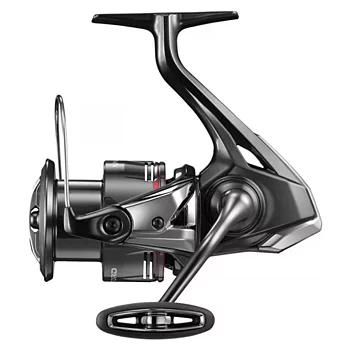
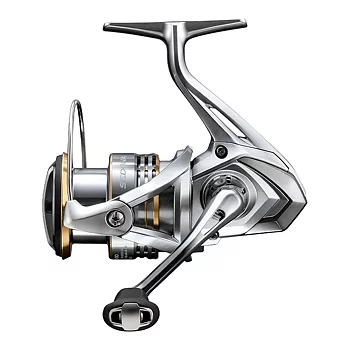
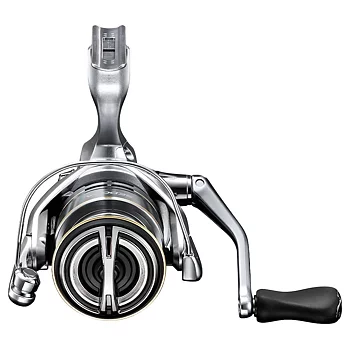

UL, XUL, and BFS Reels – Find the Right Reel for Ultralight Fishing
Are you looking for the right fishing reel for UL (Ultra Light), XUL, or BFS fishing? With a reel designed for light lures, you’ll be better equipped to cast accurately, handle thin lines, and get the most out of your ultralight fishing experience. Whether you’re fishing for perch in Swedish lakes, trout in flowing waters, or rainbow trout in put-and-take waters, there are reels that suit your fishing style and needs.
UL and XUL fishing are often done with lightweight spinning reels designed for thin lines and small lures. BFS fishing, on the other hand, is based on bait finesse, where a specialized multi-reel is used to cast light lures with good precision and control. Your choice of reel affects, among other things, casting performance, line handling, the drag, and how well the gear works in conjunction with your rod.
Whether you’re looking for a lightweight spinning reel for classic ultralight fishing or an advanced BFS reel for precision casting, it’s important to choose a model that suits the lure weights, line, and fishing method you use.
UL Reels – Lightweight Spinning Reels for Ultralight Fishing
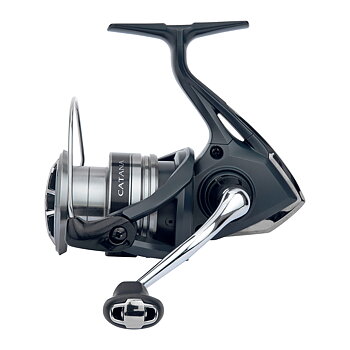
UL stands for Ultra Light and refers to fishing with lightweight gear and small lures. A lightweight spinning reel is a common choice for this type of fishing because it’s easy to use and works well with thin lines and lightweight rods.
UL reels are particularly well-suited for fishing for perch, brown trout, and rainbow trout. They can be used with small jigs, spinners, spoons, and wobblers, allowing you to fish actively during long sessions without the gear feeling unnecessarily heavy.
When choosing an UL reel, you should consider its weight, size, the drag system’s performance, and how well the spool handles the line you plan to use. A well-balanced combination of rod and reel makes casting more comfortable and helps you maintain control over the lure.
For many anglers, a small reel with a smooth drag and good line lay is an excellent starting point for ultralight fishing in Swedish waters.
XUL Reels – for Very Light Lures and Thin Lines
XUL stands for Extra Ultra Light and is a more specialized category where the equipment is used for very light lures and delicate presentations. In this type of fishing, the reel’s line handling, drag, and balance become especially important.
XUL fishing is often done with small spinning reels that are suited for light rods and thin lines. A reel that handles the line smoothly can make it easier to cast micro jigs, small spinners, and other light lures.
When fishing with very thin lines, the drag needs to operate smoothly and predictably. This helps you handle the fish’s runs without putting too much strain on the line and the small hooks.
When choosing an XUL reel, it’s therefore wise to prioritize low weight, a smooth drag, and good line control over focusing solely on gear ratio or maximum line capacity. The reel should work in harmony with your rod and the lure weights you actually use.
BFS Reels – Multi-Reels for Light Lures
BFS stands for Bait Finesse System and is a technique where you use a specially adapted multi-reel to cast light lures. Unlike traditional multi-reels, BFS reels are designed to work with light spools and lures that can otherwise be difficult to cast with standard baitcasting gear.
BFS reels are ideal for anglers who want to combine the precision of a baitcasting reel with the benefits of ultralight fishing. They’re used, for example, when fishing for bass and trout with small jigs, wobblers, crankbaits, and other compact lures.
The reel’s spool, spool drag, and other casting drag systems affect how easily it can accelerate and how easily you can control the cast. Different BFS reels have different capacities, so it’s important to check which lure weights the manufacturer recommends.
With the right combination of BFS rod, reel, and line, you can make precise casts along reed beds, piers, rocky areas, and other spots where careful lure presentation is crucial.
Spinning Reels or BFS Reels—Which Should You Choose?
The choice between a spinning reel and a BFS reel depends primarily on your preferred fishing method and how easily you want to be able to cast.
An UL or XUL spinning reel is often a good option if you want to get started with ultralight fishing or prioritize ease of use. A BFS reel is ideal for those who want to fish with a multi-reel and are willing to spend a little time learning the technique.
Keep the following in mind when choosing:
- UL spinning reel: A versatile option for light fishing with small jigs, spinners, and spoons.
- XUL reel: For anglers who prioritize low weight, thin lines, and very light lures.
- BFS reel: For precision fishing with light lures and a multi-reel designed for bait finesse.
- Beginners: Spinning reels are often easier to handle from the start.
- Experienced finesse anglers: A BFS reel can offer a different casting feel and good control when the tackle is properly set up.
There is no single reel type that’s best for every situation. Base your choice on your lures, fishing spots, and personal preferences.
Reel Size and Weight—Finding the Right Balance
In ultralight fishing, the reel’s weight and size significantly affect how the gear feels in your hand. A reel that’s too heavy can make a light rod feel top-heavy or unbalanced, while a well-balanced combination can feel smooth even during long fishing sessions.
For UL and XUL fishing, smaller spinning reels are often used, but the exact size depends on the manufacturer’s sizing system, the rod’s characteristics, and the line you need. Therefore, check both the reel’s weight and its actual line capacity.
BFS reels are also often compact, but their design and spool capacity differ from traditional multi-reels. Choose a model that’s suited to your lure weights rather than basing your choice solely on the reel’s external size.
Lightweight and well-balanced gear makes it easier to fish actively, cast repeatedly, and maintain good control over the lure.
Brake System – Essential Control for Ultralight Fishing
The drag is a key feature of both spinning reels and BFS reels. When fishing with thin lines and small hooks, the drag must be able to release line smoothly when the fish makes a run.
On a spinning reel, you typically adjust the drag to find a balance between sufficient resistance and the risk of line breakage. In XUL fishing, this smooth function becomes especially important because the margins can be very narrow.
BFS reels also feature a fighting drag, in addition to the systems used to control the spool during the cast. These features serve different purposes: the casting drag helps you control the spool, while the fighting drag regulates resistance when the fish is pulling line.
Learn how the different settings work and adjust them according to the line’s strength, hook size, and the fish you’re targeting.
Gear Ratio and Retrieve Rate—Which Reel Suits Your Technique?
The reel’s gear ratio affects how much line is retrieved per turn of the handle, but the actual retrieval rate also depends on the spool’s diameter and how much line is left on the spool.
A reel with a higher gear ratio can be useful when you want to retrieve line quickly or fish lures with an active presentation. A lower gear ratio can provide a different feel and is suitable when you want to work the lure more slowly.
For UL, XUL, and BFS fishing, the most important thing is to choose a gear ratio that suits your most common lures and your fishing style. An all-around model can work well for multiple techniques, while a more specialized reel may be appropriate if you primarily use a specific type of lure.
Also keep in mind that cranking comfort, smooth operation, and the reel’s balance are just as important as the gear ratio when you’re fishing actively for many hours.
Line Selection and Line Capacity for UL, XUL, and BFS
The line affects casting distance, sensitivity, and how well the reel works with light lures. In UL and XUL fishing, thin braided line or nylon line is often used, sometimes combined with a fluorocarbon leader. The best line choice depends on the fishing method, lure weight, and the risk of abrasion.
For spinning reels, the spool design and line lay are important for ensuring the line runs smoothly during the cast. When fishing with very light lures, the line’s diameter and properties can significantly affect casting performance.
BFS reels often have shallow or lightweight spools designed for finesse fishing. The right amount of line and a suitable line profile can help ensure the spool functions as intended. However, always check the manufacturer’s recommendations for lines and lure weights.
Avoid choosing solely based on the lowest possible line diameter. The line’s strength must also be suitable for the fish you might catch and any obstacles in the water.
Reels for UL Fishing for Perch
Perch is one of the most common target species in ultralight sport fishing. With a lightweight spinning reel, you can fish with small jigs, spinners, and wobblers in a smooth and versatile way.
For those who want to use a multi-reel, a BFS reel can be an interesting option, especially when fishing with small hard lures or when you want to place the lure precisely along vegetation and structures.
The choice depends on the lure weight, the rod, and your preferred casting style. A smooth drag and good line control help you maintain control when the perch makes quick runs near shore or the boat.
Reels for Trout and Rainbow Trout
When UL fishing for brown trout and rainbow trout, a lightweight spinning reel is a common choice. It pairs well with small spinners, spoons, and wobblers and works in both lakes and many flowing waters.
A smooth and reliable drag is especially valuable when the fish makes sudden runs. At the same time, the reel should match the rod’s weight and length to ensure the tackle is comfortable to use.
A BFS reel can also be an option for those who want to fish with light lures and a multi-reel, but choose the reel’s casting capacity based on the lures you plan to use and the conditions you’ll be fishing in.
How to Choose the Right UL, XUL, or BFS Reel
When choosing a reel, it’s important to consider the entire setup rather than focusing solely on a single specification.
- Lure weight: A BFS reel must be able to handle the lures you use, while a spinning reel should be compatible with your lightweight setup.
- Weight and balance: The reel should work in harmony with the rod and feel comfortable during long fishing sessions.
- Brake: Prioritize smooth operation when fishing with thin lines and small hooks.
- Line handling: Make sure the reel is suitable for the type, diameter, and amount of line.
- Gear ratio: Choose a gear ratio that works for the lures you use most often.
- Experience level: Spinning reels are often easier to start with, while baitcasting reels require practice with casting technique and settings.
- Intended Use: Choose a reel based on the type of fish, fishing location, and the type of lures you use most often.
For beginners, a lightweight spinning reel can be a great start for UL fishing. For those who want to fish with very light lures and a multi-reel, a specialized BFS model can be an exciting next step.
Find the right reel for your next ultralight fishing adventure
UL, XUL, and BFS fishing give you the opportunity to explore sport fishing with small lures, lightweight gear, and great precision. With the right reel, you’ll be better equipped to cast effectively, handle thin lines, and enjoy the sensation when a fish strikes.
Whether you’re looking for a lightweight spinning reel for classic ultralight fishing, a specialized XUL reel, or a BFS multi-reel for precision casting, there are options for different skill levels and fishing styles.
Explore our selection of UL reels, XUL reels, BFS reels, and ultralight fishing reels. Find the right combination of weight, drag, line handling, and casting capacity for your favorite waters, and get ready for more exciting fishing trips!