
AUTUMN FISHING
- SHOP WITH CONFIDENCE
- Delivery Immediate delivery
- CUSTOMER SERVICE by anglers
- EASY RETURNS 30-day return policy
- PAY SECURELY with Klarna
Flies
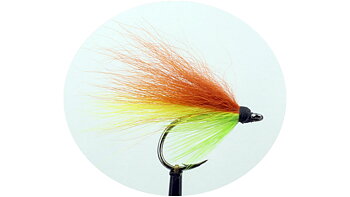
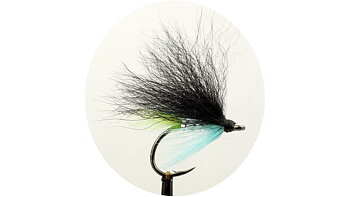
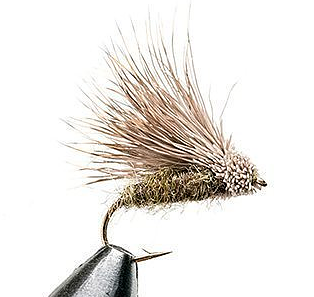
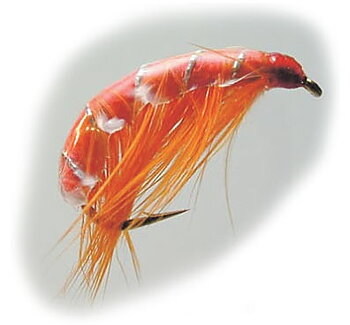
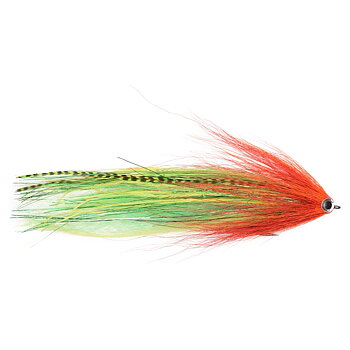
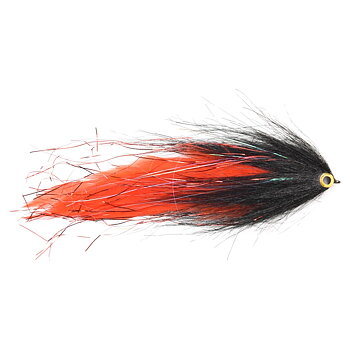

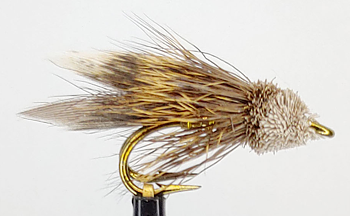
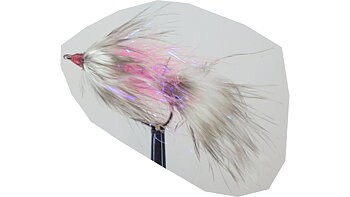
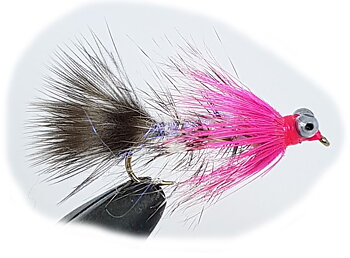
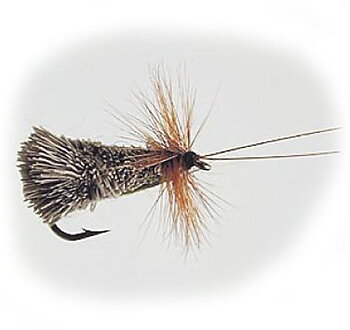
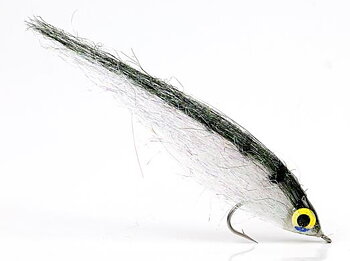
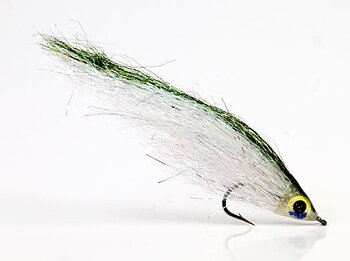
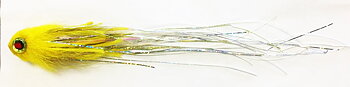
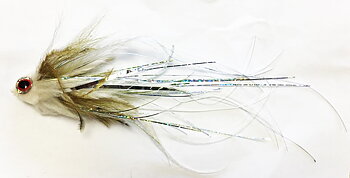
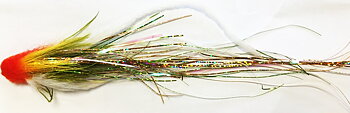
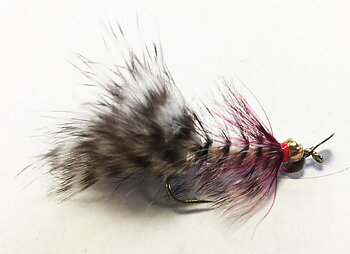
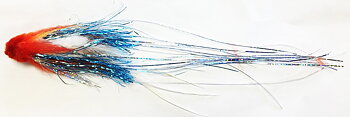
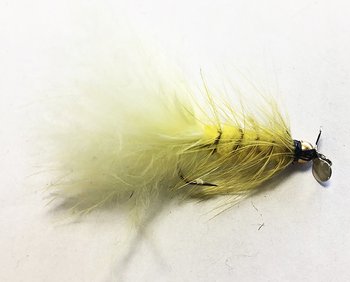
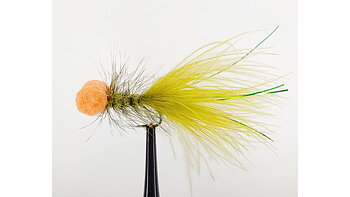
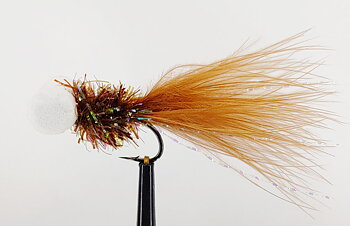
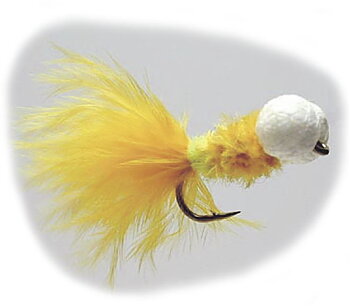


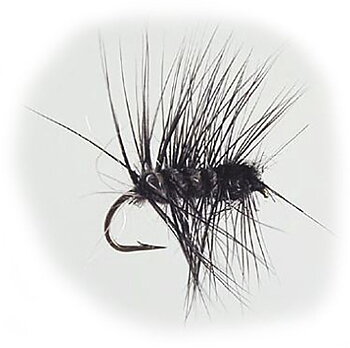


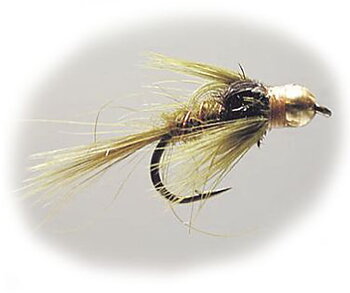
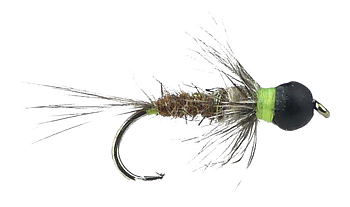
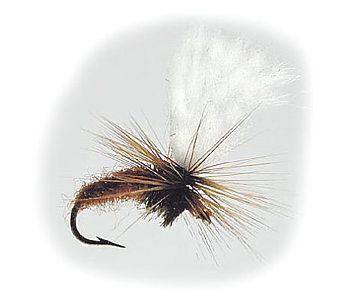
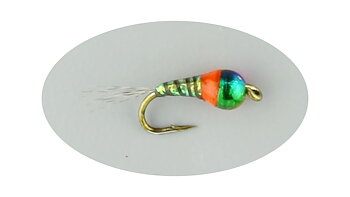
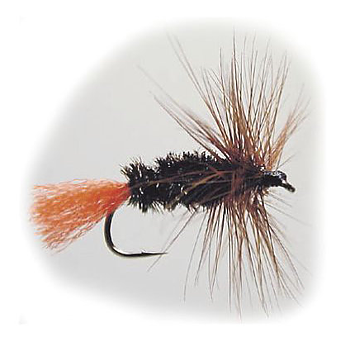
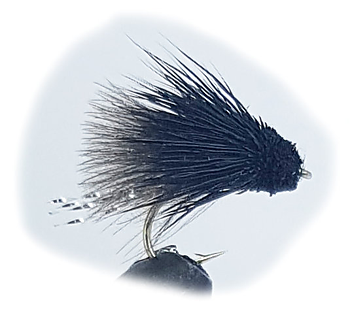
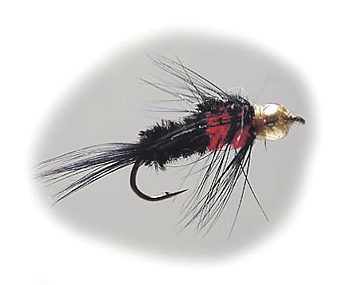
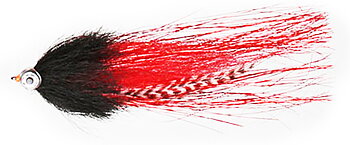
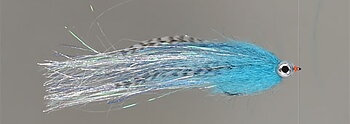
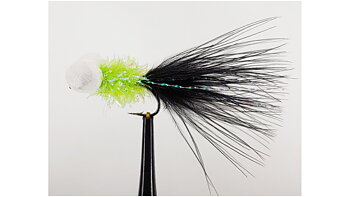
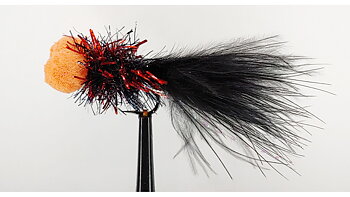
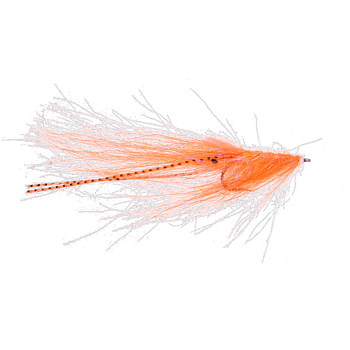
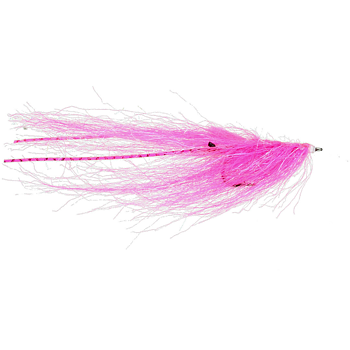
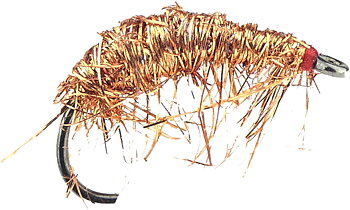
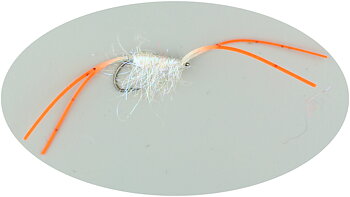
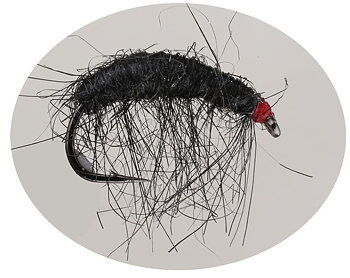
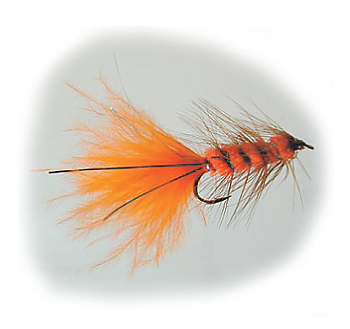
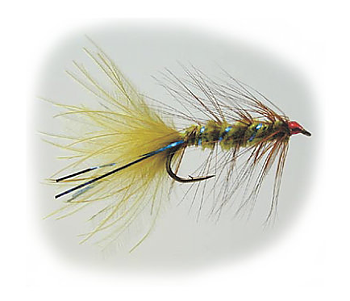
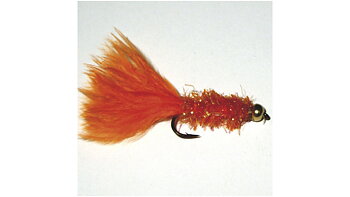
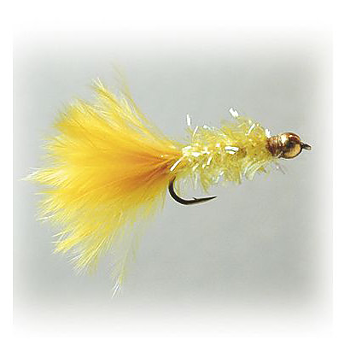
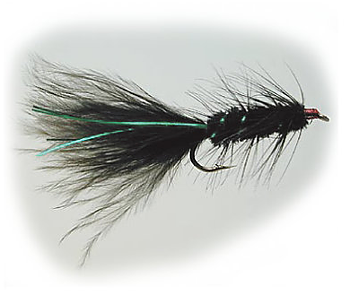
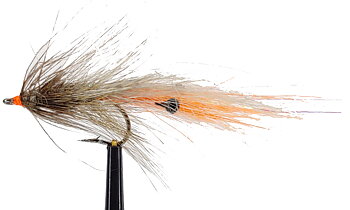
Flies are a must when fly fishing. Flies imitate everything from small insects and flying larvae to fish. Choosing a fly can be difficult because you never know what will work best. Sometimes there’s a hatch and fish are rising everywhere, and sometimes dry flies don’t work at all—in which case nymphs, streamers, or similar patterns might be a good choice. We have many more flies in our physical store than are listed here. Give us a call if you’re looking for a specific fly, and we’ll see what we can do.
Flies for all types of fly fishing in Sweden—find the right fishing flies for every body of water and fish species
Are you looking for fishing flies for fly fishing in Sweden? Whether you’re fishing for brown trout and grayling in flowing rivers, rainbow trout in put-and-take waters, char in mountain lakes, sea trout along the coast, or salmon in Swedish salmon rivers, the right fly is an essential part of your fishing gear. With the right combination of fly type, size, color, and presentation, you can adapt your fishing to the prevailing conditions and the prey the fish are hunting. In our selection of fly fishing flies, you’ll find options for everything from light dry fly fishing to nymph fishing, streamer fishing, coastal fishing, and traditional salmon fly fishing.
Discover dry flies, wet flies, nymphs, streamers, coastal flies, pike flies, salmon flies, tube flies, booby flies, and many other types of ready-tied fishing flies. Whether you prefer lifelike imitations of insects and small fish or colorful attractor flies, there are patterns for different fishing methods, seasons, and aquatic environments. With a well-stocked fly box, you can switch between different presentations and adapt your fly fishing to the fish’s activity, the water’s color, temperature, and depth. Here, both beginners and experienced fly fishermen will find flies for exciting fishing days in Swedish lakes, streams, rivers, mountain waters, and along the coast.
Fishing Flies – The Right Fly for the Right Fishing Situation
The fly is the part of the fly-fishing tackle that is presented to the fish and can mimic everything from small insects and larvae to shrimp, crustaceans, and prey fish. Different fly patterns are designed for fishing at various depths and using different techniques, making it possible to tailor your fishing to both the fish species and the environment.
In dry fly fishing, the fly is presented on the water’s surface, while nymphs and wet flies are fished below the surface. Streamers often mimic small fish or other prey and can be particularly effective when predatory fish are actively hunting. Coastal flies, salmon flies, and pike flies, in turn, are designed for specific fishing methods and conditions.
By choosing the right flies for your water and supplementing them with different sizes, colors, and weights, you’ll have more opportunities to adapt your presentation as fish behavior changes.
Dry flies – for brown trout, grayling, and rainbow trout
Dry flies are the obvious choice for many fly fishermen who want to experience the thrill of a fish rising to the surface to take the fly. They are typically tied to float on the water’s surface and mimic adult insects, such as mayflies, caddisflies, and land insects that have fallen into the water.
Dry flies are primarily used when fishing for brown trout and grayling in flowing water, but they’re also popular for rainbow trout fishing in lakes and put-and-take waters. During periods of active insect hatches, the right fly pattern and size can be especially important.
In the selection of dry flies, you can find classic patterns, floating imitations, and attractor flies for various fishing situations. Choose small, discreet flies when the fish are selective, or more visible patterns when you need to track the fly on the water’s surface.
Nymphs—Effective Fishing Flies Below the Water’s Surface
Nymphs mimic immature insects that live in or near the water and are an important part of the diet for many fish species. They are therefore a versatile option when fish aren’t rising to the surface or when you want to present the fly below the surface.
Nymph fishing is popular for trout and grayling in rivers and streams, as well as for rainbow trout and char in lakes. There are both light and weighted nymphs that can be adapted to current strength, water depth, and fishing method. Patterns that imitate mayfly nymphs, caddisfly larvae, and other aquatic invertebrates offer many opportunities to tailor your fly selection.
With a selection of nymphs in various sizes, colors, and weight classes, you can fish effectively in a variety of aquatic environments and tailor your presentation to where the fish are located.
Wet flies—classic patterns for running water and lake fishing
Wet flies are fished below the water’s surface and can mimic insects, emerging insects, or other prey moving through the water. They have a long tradition in Nordic fly fishing and are still used by many anglers.
When fishing for trout and grayling, wet flies can be presented with the current or fished with controlled movements. They can also be used for lake fishing for rainbow trout and other species when the fish are hunting below the surface.
Wet flies come in many classic and modern patterns with varying colors, materials, and silhouettes. By experimenting with different sizes and presentations, you can find options that suit the prevailing conditions and the fish’s activity level.
Streamers – Fishing Flies for Predatory Fish and Larger Prey
Streamers are flies that often mimic small fish, eels, crustaceans, or other prey. They are fished below the surface and come in many different sizes and designs, ranging from small streamers for trout and perch to large patterns for pike and larger predators.
When streamer fishing, you can vary your retrieve speed, pauses, and depth to give the fly different movement patterns. Some streamers are relatively light and work well with smaller fly rods, while others have more volume and require heavier tackle.
Streamers are a popular choice for brown trout, rainbow trout, perch, and pike. They can also be used in other types of predator fishing where you want to mimic a swimming prey fish. By having both natural and more colorful patterns in your fly box, you’ll have greater flexibility while fishing.
Coastal Flies for Sea Trout – Flies for the Swedish Coast
Coastal flies are designed for fly fishing along the coast and are primarily used for sea trout. They mimic common prey in coastal environments, such as small fish, shrimp, copepods, and bristle worms.
When fishing along the coast, wind, waves, water color, and temperature can affect which flies work best. That’s why it’s a good idea to have coastal flies in various sizes, colors, and profiles. Small shrimp imitations can be useful in certain situations, while long, slender fish imitations may be appropriate when sea trout are hunting small fish.
Coastal flies are also used for fly fishing for other coastal species where local conditions and fishing regulations permit it. With the right coastal flies and a well-matched fly line, you can create a versatile setup for Swedish coastal waters.
Pike Flies – Large Flies for Pike Fishing
Pike flies are often larger and more voluminous than traditional flies used for dry fly and nymph fishing. They are designed to mimic prey fish and create a distinct profile in the water, making them attractive to fly fishermen targeting pike.
There are pike flies with long synthetic fibers, flash material, and other components that create movement as the fly is retrieved. Different patterns can vary in volume, weight, and sink rate, so your choice should be tailored to your fly rod, fly line, and fishing depth.
Colors such as white, silver, green, black, and various natural tones are common options, but bolder color combinations may also be worth trying. Make sure your gear is suitable for casting larger flies and use an appropriate leader for pike fishing.
Salmon Flies – Classic and Modern Patterns for Salmon Rivers
Salmon flies are used for targeted fly fishing for salmon in rivers and other waters where fishing is permitted. The selection includes traditional hair and feather flies, modern patterns, and tube flies in various colors and sizes.
When fly fishing for salmon, water level, current strength, water temperature, light conditions, and fly presentation play a major role in pattern selection. In some situations, smaller and more discreet flies may be appropriate, while other conditions may call for larger or more colorful options.
With a selection of salmon flies for different water conditions, you can adapt your fishing to the river’s character and the gear you’re using. Always check local fishing regulations, seasons, and any fishing license requirements before fishing for salmon.
Tube Flies – Versatile Flies for Salmon and Sea Trout
Tube flies are tied onto a tube instead of directly onto a traditional fly hook. This design allows you to adjust the hook size to suit the situation and change the hook as needed, depending on the fly’s design.
Tube flies are often used in salmon fly fishing and are also common when fishing for sea trout. They come in many color combinations and sizes and can be adapted to different water conditions.
For those who fish in Swedish salmon rivers or for sea trout in flowing water, tube flies can be a valuable complement to standard hook flies. Choose a model based on current strength, water depth, season, and the presentation you want to achieve.
Booby flies and specialty flies for rainbow trout fishing
Booby flies are specialty flies with floating components—often made of foam—that affect how the fly behaves in the water. They are used, among other things, for rainbow trout fishing in lakes, along with lines and techniques adapted to the fishing depth.
There are also other specialty flies and attractor patterns used in put-and-take fishing. They may be tied in bright colors and with materials that create a distinctive profile or movement.
When choosing specialty flies, it’s important to consider how they’ll be fished and which fly line is best suited. The combination of fly, line, and retrieve speed affects how the presentation works.
Flies for trout—from small dry flies to streamers
Trout is one of the most popular target species for fly fishing in Sweden. Depending on the water and season, trout may feed on everything from small insects and larvae to larger prey such as small fish.
For dry fly fishing, imitations of mayflies, caddisflies, and other insects are common choices. Nymphs and wet flies can be effective when the fish are feeding below the surface, while streamers are useful when you want to imitate larger prey.
A varied selection of trout flies makes it easier to adapt your fishing to small forest streams, larger rivers, and lakes. Choose flies in several sizes and be sure to have both natural-looking and more conspicuous patterns on hand.
Flies for grayling—suited for rivers and flowing water
Grayling fly fishing is often associated with dry flies and nymphs in flowing water. Grayling feed on many types of aquatic insects and may, at times, show clear activity at the surface.
Dry flies are a popular choice when grayling are rising, while nymphs may be suitable when the fish are feeding below the surface. Wet flies can also be used to present the fly through various sections of the current.
For those fishing for grayling in Swedish mountain rivers and other flowing waters, it’s a good idea to have flies in various sizes and colors. Tailor your choice to the insects present in the water and where the fish are feeding.
Flies for Rainbow Trout and Arctic Char—for Lakes, Mountain Streams, and Put-and-Take Waters
Rainbow trout and char can be fished with several different types of flies depending on the aquatic environment, temperature, and the fish’s feeding habits. In lakes and put-and-take waters, nymphs, wet flies, dry flies, and streamers are common options.
When fishing for rainbow trout, attractor flies and brightly colored patterns can be worth trying, while more subtle imitations are sometimes more effective. Fishing for char in mountain lakes can involve both fishing near the surface and presentations deeper in the water column.
By combining flies of different sizes, colors, and sink rates, you’ll have more opportunities to adapt your fishing. Choose flies based on the method you’re using and pair them with the right fly line to reach the desired depth.
Flies for Salmon, Sea Trout, and Other Migratory Fish
When fly fishing for migratory fish, it’s important to choose fly patterns that suit the water conditions and the specific fishing method. Salmon flies and tube flies are used for targeted salmon fly fishing, while coastal flies and certain streamers are common choices for sea trout.
In flowing water, current strength and water depth can influence which fly and presentation work best. When fishing along the coast, wind, waves, and the presence of small fish and crustaceans also play a role.
A selection of both classic and modern fly patterns makes it easier to adapt your gear to the fishing conditions. Always check which species you’re allowed to fish for, when fishing is permitted, and what rules apply in the specific body of water.
Flies for perch, pike, and other predatory fish
Fly fishing for predatory fish allows you to use flies with different shapes, sizes, and movement patterns than those used in traditional dry fly fishing. Perch can be caught with smaller streamers that mimic small fish and other prey, while pike fishing often requires larger and more voluminous flies.
In certain waters, asp and other predatory fish can also be caught on flies using appropriate patterns and techniques. The choice of fly must be adapted to the fish’s diet, the aquatic environment, and the equipment you’re using.
For predator fishing, it’s important to keep in mind that larger flies place higher demands on the rod, line, and leader. With the right combination, it becomes easier to present the fly in a controlled manner and fish effectively through different water layers.
How to Choose the Right Fishing Flies
When buying flies for fly fishing, it’s best to start by considering the species you want to catch, where you’ll be fishing, and your preferred method. Different flies are designed for different situations, and a varied selection offers greater flexibility.
- Choose a fly type based on your fishing method: dry flies for the surface, nymphs and wet flies below the surface, and streamers for larger prey.
- Match the fly to the fish species: choose patterns suitable for, for example, brown trout, grayling, rainbow trout, char, sea trout, or pike.
- Consider size and color: small, subtle patterns can be useful when the fish are selective, while larger or more conspicuous flies may be better suited for other situations.
- Take the water conditions into account: current, depth, visibility, and temperature all influence which fly and presentation are appropriate.
- Keep several options in your fly box: stock up on different patterns so you can switch them out as conditions change.
- Match the fly to your gear: larger and heavier flies require a suitable combination of rod, line, and leader.
- Check local regulations: fishing seasons, minimum sizes, protected areas, and permitted methods vary by body of water.
With the right flies in your box, you’ll be better prepared for varying conditions and can hone your fly-fishing skills in everything from small streams to large rivers and open coastal waters.
Buy fishing flies online—find flies for your Swedish fly fishing
Whether you’re looking for dry flies for rising trout, nymphs for grayling, streamers for predatory fish, coastal flies for sea trout, pike flies for predator fishing, or salmon flies for Swedish rivers, there are fly patterns for many different fishing methods and aquatic environments.
Explore our selection of fishing flies and find the right options for your favorite waters. Stock your fly box with a variety of sizes, colors, and patterns so you can adapt your presentation to the season, weather, and fish activity. Whether you’re a beginner or an experienced fly fisherman, there are always new flies to try and new techniques to develop.
Find your new fishing flies and stock your fly box with the right patterns for your next fishing trip—from dry fly fishing for trout and grayling to exciting coastal fishing for sea trout and the hunt for big pike!