
AUTUMN FISHING
- SHOP WITH CONFIDENCE
- Delivery Immediate delivery
- CUSTOMER SERVICE by anglers
- EASY RETURNS 30-day return policy
- PAY SECURELY with Klarna
Bags
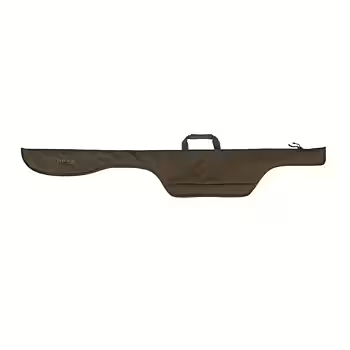


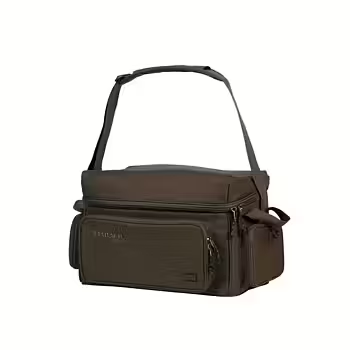
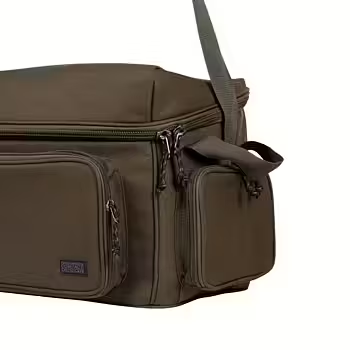






Fishing Bags – Find the Right Bag for All Your Fishing Gear
Are you looking for a fishing bag that suits your fishing style and needs? With the right bag, it’s easier to organize, transport, and protect everything from bait boxes and lures to hooks, leaders, tools, and other fishing gear. Whether you prefer mobile spin fishing from shore, long sessions targeting carp, or fishing from a boat, there’s a fishing bag that can make your fishing experience both smoother and more organized.
Fishing bags come in many different sizes and styles. Smaller bait bags are ideal for those who want to travel light and keep their most important baits close at hand, while larger models with multiple compartments provide space for boxes, rigs, spare lines, and other accessories. Backpacks are practical for hiking to fishing spots and covering longer distances to the fishing location, while specialized bags for coarse fishing and specimen fishing help you keep your rigs, baiting tools, and other gear organized.
The choice of fishing bag affects how easily you can carry your gear, find the right accessories, and adapt to conditions at the water’s edge. With the right combination of size, material, compartment layout, and carrying comfort, you’ll find a solution tailored to your specific fishing style.
Lure Bags – Practical Storage for Lures and Lure Boxes
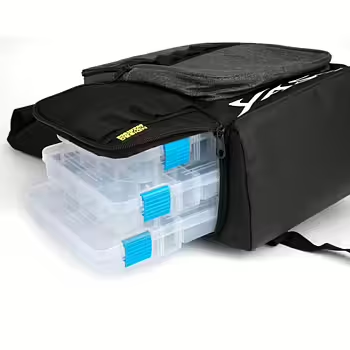
Lure bags are a popular choice for anglers who want to keep their lures and accessories all in one place. They’re often designed to hold multiple lure boxes and feature extra pockets for items such as leaders, lure clips, sinkers, hooks, and tools.
When spin fishing for perch, zander, and pike, a tackle bag is especially useful because you can easily organize your lures by size, color, or fishing method. For example, you might have one box for jigs, one for wobblers, and one for spinners or spoons.
Many models feature sturdy zippers, durable materials, and adjustable shoulder straps that make them easy to carry. Some are compact for shorter fishing trips, while others can hold a wider variety of lures and accessories.
When choosing a tackle bag, it’s important to make sure your existing tackle boxes fit in the compartments and that the bag is comfortable to carry even when fully packed.
Spinning Fishing Bags – for active fishing from shore and boat
Spinning fishing bags are designed for anglers who want quick access to lures and accessories during an active fishing session. They’re used for everything from light perch fishing to heavier predator fishing for pike and zander.
A good spin fishing bag features a well-thought-out compartment layout where you can store tackle boxes, leader materials, tools, spare line, and other essentials. Smaller exterior pockets can be handy for pliers, scissors, and other tools you need to access quickly.
For those who fish from shore, a lightweight bag with a shoulder strap can be a good option. If you fish from a boat, a larger model with a sturdy bottom and spacious compartments may be more suitable.
Choose a spin fishing bag that holds the gear you actually use. A well-organized bag makes it easier to change lures and keep track of small items without having to interrupt your fishing unnecessarily.
Fishing Backpacks – Perfect for Hiking and Fishing
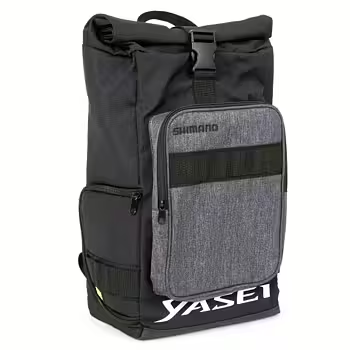
A fishing backpack is ideal for those who like to move between different fishing spots or need to carry their gear over longer distances. It distributes the weight across your shoulders and often has room for tackle boxes, clothing, food, water, and other personal items.
Backpacks are especially useful when fishing in lakes, streams, and along the coast, where you can’t always park close to the water. They’re also a great choice for those who want to combine hiking and fishing on the same trip.
Many models feature multiple separate compartments, padded shoulder straps, and practical storage solutions for smaller accessories. Some are specifically designed for sport fishing and have compartments that fit standard tackle boxes, while others serve as all-around backpacks for longer trips.
Consider the backpack’s capacity, comfort, and how easily you can access your gear. If you often fish in the rain, a rain cover or water-repellent material can be a major advantage.
Shoulder bags and sling bags—convenient storage when you want to travel light
Shoulder bags and sling bags are ideal for anglers who want a compact and easily accessible solution. They’re typically worn over one shoulder or diagonally across the body, making it easy to access lures and accessories without having to take off the entire bag.
This type of fishing bag is especially practical for mobile spin fishing and shorter fishing trips where you want to be able to move quickly between different spots.
A smaller shoulder bag can hold a couple of lure boxes, a pair of pliers, leader material, extra lure clips, and other essentials. Larger models offer more compartments and extra space for items such as a water bottle or additional accessories.
For those who fish along smaller waterways or from hard-to-reach shores, a compact sling bag can be a good alternative to a larger backpack. Keep in mind that the weight should be evenly distributed and that the bag shouldn’t hinder your casts or movements.
Fishing Bags for UL, XUL, and BFS
UL, XUL, and BFS fishing often involve small lures and lightweight gear. That’s why compact fishing bags with smart compartment organization are particularly well-suited for these fishing methods.
A smaller bag can hold small tackle boxes with micro jigs, small spinners, small wobblers, and other lightweight lures. You can also fit leader material, extra line, hook boxes, and small tools without having to carry a large tackle bag.
When fishing for bass or trout while moving around, light weight and quick access are often more important than maximum packing capacity. A small shoulder bag, sling bag, or compact backpack can therefore be an excellent choice.
Feel free to organize your tackle boxes by lure weight, size, or fishing method. This makes it easier to quickly find the right lure when you need to adjust your fishing to the depth, current, or the fish’s activity.
Fishing Bags for Pike and Predator Fishing
Pike fishing and other predator fishing often require you to carry larger lures, heavier leaders, and more gear. A spacious fishing bag with a sturdy construction is therefore a good option for those who use large jigs, jerkbaits, swimbaits, and other bulky lures.
Larger compartments make it easier to carry tackle boxes with heavy-duty hooks and heavy lures. Separate pockets can be used for pliers, wire cutters, leader material, and other accessories you’ll need during your fishing trip.
When fishing from a boat, a sturdy bag with a durable bottom can be practical, while a shoulder bag or backpack may be a better fit when fishing from shore.
Keep the total weight in mind when packing. Large bait boxes and heavy lures can quickly make the bag unwieldy. Packing thoughtfully makes it easier to carry your gear and keep track of everything you need.
Fishing Bags for Angling and Specimen Fishing
Match and specimen fishing often require a varied set of accessories. Hooks, leaders, sinkers, floats, feeder components, bait needles, and other small parts need to be organized so they’re easy to find when you’re setting up or changing your rig.
A match fishing bag with multiple compartments and space for tackle boxes can help you keep your gear organized. For longer fishing trips, a larger bag can provide space for rig storage, bait tools, spare lines, and other accessories.
When fishing for carp and specimen fish such as tench, roach, bream, and rudd, it can be practical to separate pre-tied rigs from other small parts. This reduces the risk of tangles and allows you to quickly find the right gear.
If you use a lot of accessories, a combination of a larger fishing bag and several smaller tackle boxes can be a flexible solution. Choose a model that suits the length of your fishing trips and the amount of gear you usually bring.
Fishing Bags for Carp Fishing—Space for Gear on Longer Trips
Carp fishing often involves longer fishing trips where you need to bring more gear than for traditional spin fishing. A spacious carp fishing bag can accommodate rig boxes, bait storage, spare lines, tools, and other essential accessories.
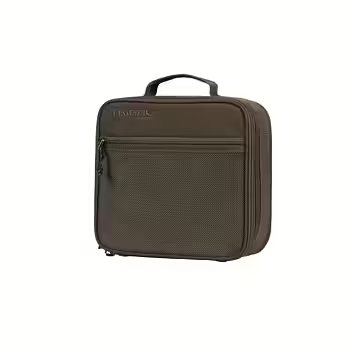
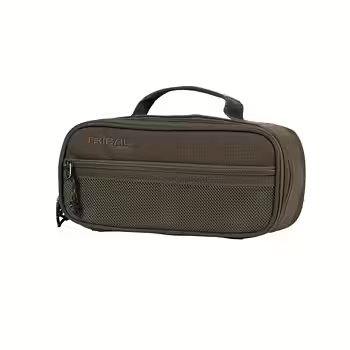
Some models feature dedicated compartments for rig wallets and smaller boxes, making it easier to organize pre-tied rigs and small parts. Others are designed to complement larger carp fishing luggage systems.
If you’re fishing overnight or for several days, it can be advantageous to choose a bag that can be combined with a backpack and other storage options. This allows you to sort your gear by purpose and keep your fishing accessories more organized.
Keep in mind that the bag should be comfortable to carry even when fully packed. Durable handles, sturdy zippers, and reinforced seams are features that can be important for frequent use.
Fishing Bags for Fly Fishing
When fly fishing, you often need compact and organized storage for fly boxes, leader materials, spare fly lines, and small tools. A specialized fly fishing bag can help you keep your gear organized without making your pack unnecessarily heavy.
Small shoulder bags and sling bags are suitable for shorter trips along streams, rivers, and lakes. For longer fishing trips, a backpack with extra space for clothes, food, and other gear may be more appropriate.
Compartments for fly boxes and leader material make it easier to find the right fly and change leaders when needed. If you often fish in wet environments, water-repellent materials or a separate rain cover can be useful.
Choose a bag that fits your gear and provides enough space without restricting your movement when casting or wading.
Fishing Bags for Saltwater Fishing and Trolling
Saltwater fishing and trolling can require large amounts of gear, such as jigs, wobblers, spoons, leaders, hooks, tools, and spare lines. A spacious and durable fishing bag helps you organize your gear and keep it all together during transport.
When saltwater fishing, it’s especially important to consider how the bag withstands moisture, salt spray, and frequent use. Water-repellent materials and durable zippers can be practical, but always check whether the bag is splash-proof or actually waterproof.
For trolling, a bag with multiple separate compartments can be useful when you want to keep different types of lures and rig components separate. If you’re fishing from a boat, a model that stands stably and is easy to access can make your work on board easier.
After fishing in saltwater, it’s a good idea to inspect and, if necessary, clean the bag and its metal parts according to the manufacturer’s instructions.
Waterproof and Water-Repellent Fishing Bags
When fishing in the rain, from a boat, or along exposed beaches, a waterproof or water-repellent fishing bag can be a good choice. It can help protect tackle boxes, clothing, electronics, and other items from moisture.
It’s important to distinguish between water-repellent materials and a fully waterproof design. A bag may withstand rain and splashes without being designed to be submerged in water. Zippers, seams, and openings also affect how well the bag resists moisture.
If you need to protect sensitive equipment, check the product’s specifications and, if necessary, use separate waterproof bags or cases inside the bag.
A suitable bag provides better protection while fishing, but equipment that has gotten wet should be dried before being packed away for long-term storage.
How to Choose the Right Fishing Bag
When choosing a fishing bag, it’s a good idea to consider how you fish, how much gear you need, and how far you usually carry it.
- Fishing method: Choose a model suitable for spin fishing, UL/BFS, angling, carp fishing, fly fishing, or saltwater fishing.
- Size and volume: Make sure the bag can hold tackle boxes, tools, and accessories without being unnecessarily large.
- Compartment layout: Separate compartments help you keep your lures, rigs, and small parts organized.
- Carrying comfort: Shoulder straps, padding, and handles play a major role if you’re walking long distances.
- Materials and durability: Choose materials and construction that suit how often and under what conditions you fish.
- Weather protection: Check whether the bag is water-repellent or waterproof based on your needs.
- Weight and packing: Keep in mind that fully packed tackle boxes and tools can quickly make the bag heavy.
- Compatibility: Make sure your existing tackle boxes and rig storage fit into the bag’s compartments.
The best fishing bag isn’t necessarily the largest model, but the one that makes it easy to transport and organize the specific gear you need.
Find Your Next Fishing Bag
Whether you’re looking for a compact bait bag for mobile bass fishing, a backpack for hiking and fishing, a spacious bag for pike fishing, or a specialized solution for angling and carp fishing, there are many options to choose from.
Explore our selection of fishing bags, tackle bags, shoulder bags, sling bags, fishing backpacks, and specialty bags for various fishing methods. Compare size, compartment layout, materials, and comfort to find the right model for your needs.
With the right fishing bag, you’ll keep your gear better organized, make transport easier, and have more time for what you enjoy most—fishing!