
AUTUMN FISHING
- SHOP WITH CONFIDENCE
- Delivery Immediate delivery
- CUSTOMER SERVICE by anglers
- EASY RETURNS 30-day return policy
- PAY SECURELY with Klarna







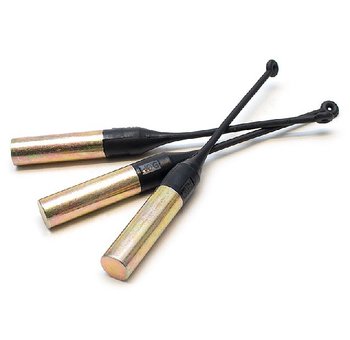




Fishing Accessories – All the Little Items That Make a Difference
Are you looking for small fishing accessories and practical gear for your next fishing adventure? Whether you’re into spin fishing, angling, specimen fishing, predator fishing, carp fishing, saltwater fishing, or fly fishing, it’s often the small details that make your gear complete. With the right hooks, bait clips, swivels, sinkers, beads, leader material, and other small parts, you can customize your rigs to suit your fishing method, target species, and conditions on the water.
Small accessories are an essential part of any angling setup. They help you build your own rigs, change lures quickly, adjust your presentation, and repair your gear when something breaks. In Sweden, fishing varies greatly depending on the season, body of water, and species, making it practical to have a wide selection of accessories on hand.
Whether you’re fishing for perch, pike, zander, brown trout, rainbow trout, carp, tench, bream, roach, or other species, there are small accessories that suit your specific method. Here you’ll find inspiration on how to choose the right small accessories for both everyday fishing and more specialized specimen fishing.
Lure Clips – Change Lures Quickly and Easily
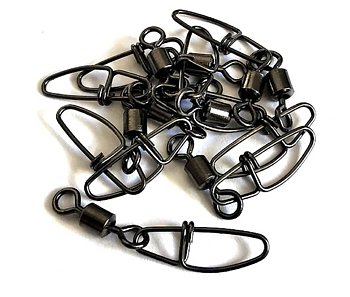
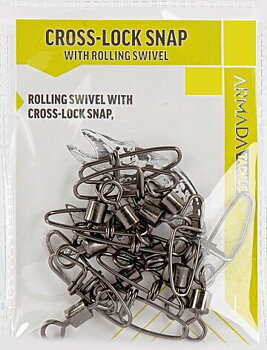
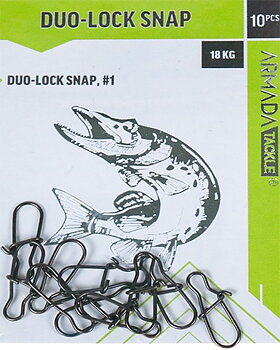
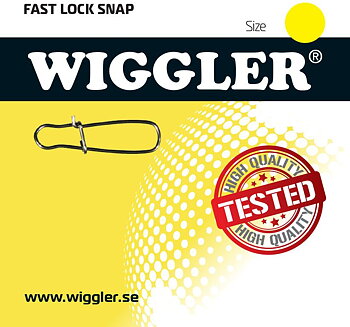
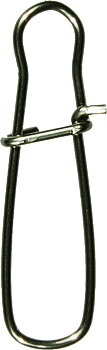
Lure clips are one of the most common accessories in sport fishing and make it easy to change lures without having to re-tie the entire line. They’re primarily used in spin fishing and predator fishing, but can also be found in other tackle setups.
Lure clips come in many sizes and designs. Small, lightweight models are often suitable for UL fishing and smaller lures, while sturdier versions may be needed for pike fishing, larger wobblers, and heavier lures.
When choosing a lure clip, it’s important to consider both strength and weight. A clip that’s too large can affect the action of small lures, while one that’s too flimsy can become a weak point in your rig.
Choose a model that suits the lure and the fish you’re targeting. Always check that the clip closes securely before casting.
Swivels – Reduce Line Twist and Create Flexible Rigs
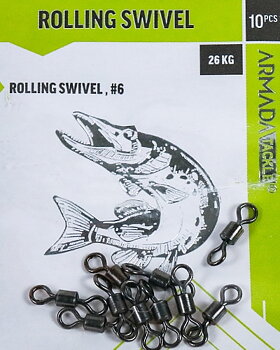
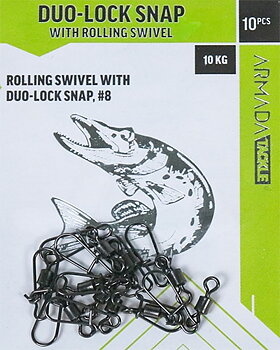
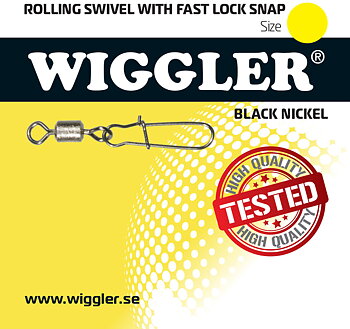
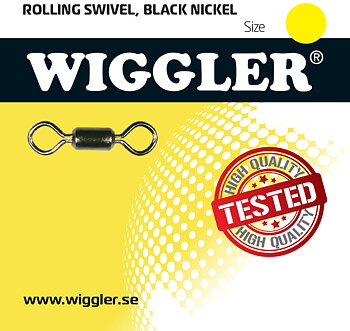
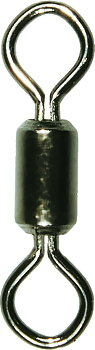
Swivels are used to create a rotating connection between different parts of a rig. They can be particularly useful when fishing with lures that twist the line—such as certain spinners—as well as in various forms of float fishing and bottom fishing.
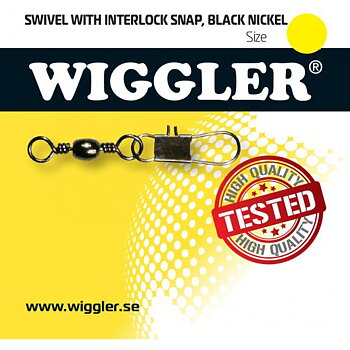
There are simple swivels, ball-bearing swivels, and models that combine a swivel with a lure lock. The best type depends on how much rotation the rig is subjected to and the load it must withstand.
For light fishing, small swivels are often preferable because they have less impact on the lure’s presentation. For heavier fishing, a sturdier design may be more suitable.
Keep in mind that a swivel isn’t always necessary. Every extra component adds another connection point, so choose a solution that serves a clear purpose in your rig.
Fishing Hooks—The Right Hook for Every Fishing Method
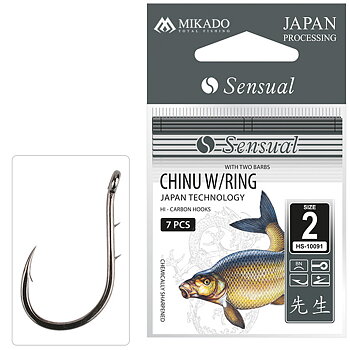
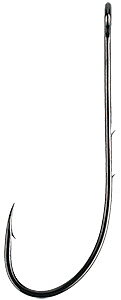
The fishing hook is one of the most important pieces of equipment. The hook’s size, shape, wire thickness, and point affect how it works with the bait and how you can hook the fish.
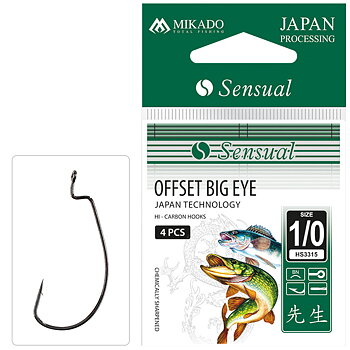
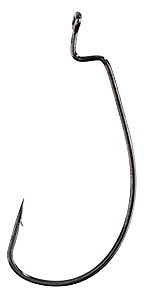
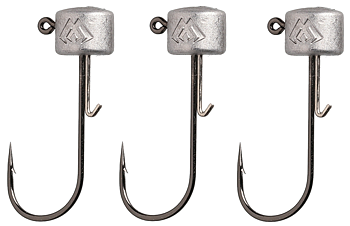
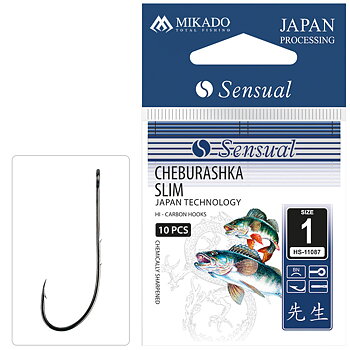
The selection includes single hooks, treble hooks, circle hooks, offset hooks, long-shank hooks, and specialty hooks for various types of angling and predator fishing.
- Single hooks: Used in many forms of angling, spin fishing, and soft-bait fishing.
- Treble hooks: Found on many hard lures and can also be used in certain specialized fishing methods where regulations permit it.
- Circle hooks: Used, among other things, in certain types of saltwater fishing and angling.
- Offset hooks: Suitable for certain soft baits and can be useful when fishing in vegetation.
- Bait hooks: Available in many sizes for fish such as carp, tench, roach, bream, and rudd.
Choose a hook based on the size of the bait, the target species, and the fishing method. Also check local fishing regulations, as specific rules may apply to hook types and their use in certain bodies of water.
Spring rings – small connectors for lures and hooks
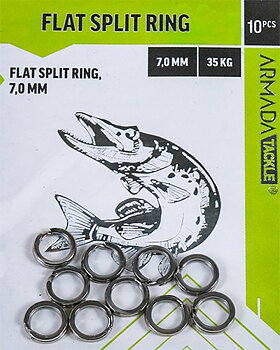
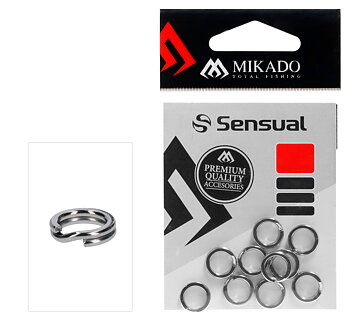
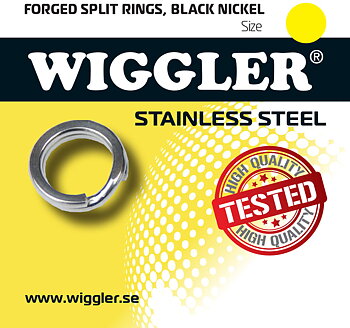
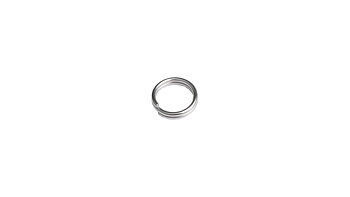
Spring rings are used to attach hooks and other components to many types of hard lures. They are found, for example, on wobblers, jerkbaits, spoons, and other artificial lures.
The spring ring must be the correct size to fit the lure’s attachment point and the hook. A ring that is too large or too heavy can affect the action of small lures, while an unsuitable or too-weak ring can deform under load.
It’s handy to keep spare rings in various sizes in your tackle box, especially if you frequently change hooks or maintain your lures.
Using a spring ring plier also makes it easier to replace components without injuring your fingers or bending the ring unnecessarily.
Sinkers and weights—control depth and presentation
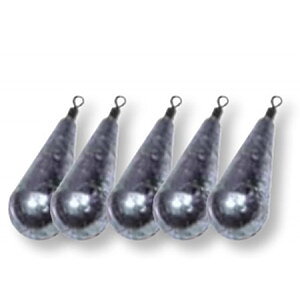
Sinkers and weights are used in many forms of sport fishing to get the bait to the desired depth, keep a rig in place, or influence how the bait moves in the water.
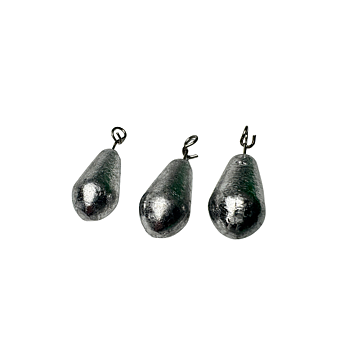
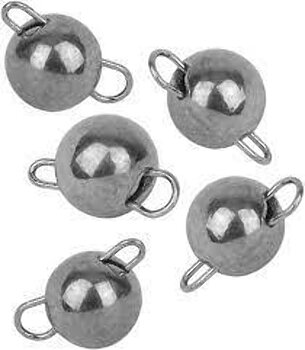
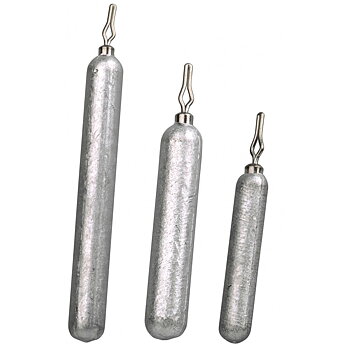
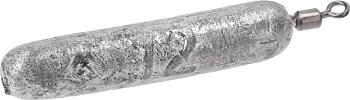
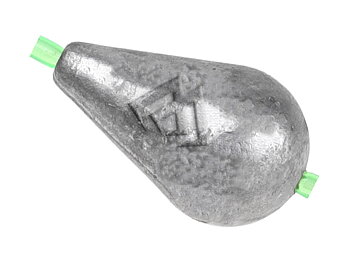
Options include pear-shaped sinkers, bomb sinkers, inline sinkers, lead-free weights, drop-shot weights, and various specialty weights for bottom fishing and predator fishing.
When bottom fishing for carp, tench, and bream, for example, the sinker helps keep the rig in place. In dropshot fishing, the weight is used to control the fishing depth and present the bait just above the bottom. In other fishing methods, small weights can be used to adjust the sinking rate.
Choose a weight based on current, depth, casting distance, and fishing method. Also keep in mind that there are lead-free alternatives that may be suitable if you want to avoid lead in your fishing gear.
Beads, stops, and rubber beads—small parts with many uses
Beads and stoppers are used in a wide variety of rig designs. They can serve as protection between components, mark a position on the line, or help keep a rig in place.
Rubber beads are often used as protection between sinkers, floats, and knots. Hard beads can serve other functions in rigs where you want to create space between different parts or add a clear visual detail.
Line stops and rubber stops are useful for float fishing, sliding rigs, and various types of bottom fishing. They can help you adjust the depth or limit how far a component can move along the line.
Choose beads and stops that match the line’s size and the rig you’re building. Small details placed in the right spots can help your rig function more reliably.
Leader material, wire, and crimps—build your own leaders
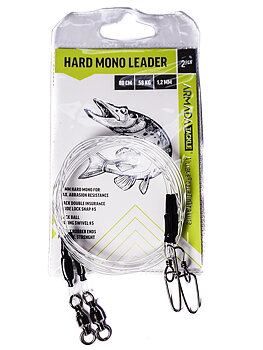
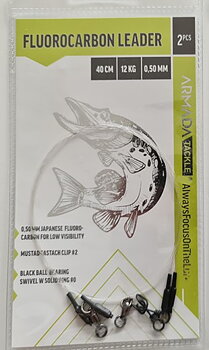
Leader material is used when you want to adjust the distance between the main line and the bait, improve durability, or create a specific presentation. The choice of material depends on the target species, bait type, and the risk of abrasion.
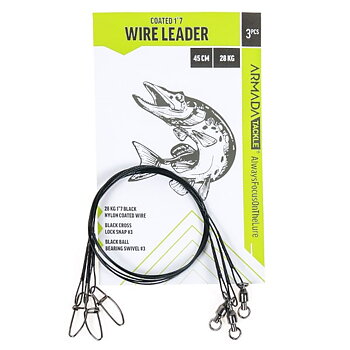
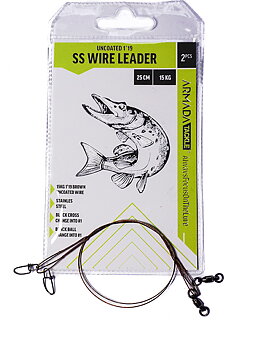
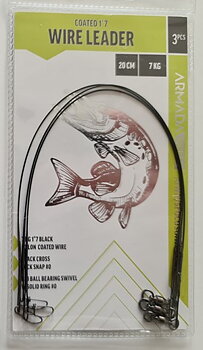
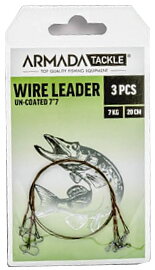
Fluorocarbon and nylon are used in many types of leaders, while wire and other bite-resistant materials may be necessary when fishing for pike. In angling, various types of rigging materials are also used that are tailored for carp and specimen fishing, for example.
Crimps, or crimp sleeves, can be used to create connections in certain leader materials. They must be sized for the material and installed using a tool that fits the sleeve.
When building your own leaders, it’s important to check every knot, sleeve, and connection. A poorly fitted component can weaken the entire rig and cause you to lose both the bait and the fish.
Line rings, quick-release swivels, and rig swivels
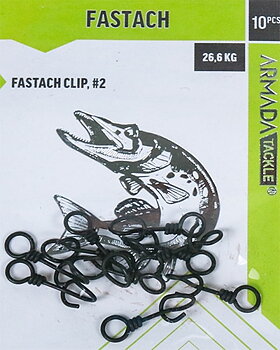
Various connectors make it easier to build rigs that can be adapted to different fishing methods and situations. Quick-release connectors and rig connectors are used in carp fishing, feeder fishing, and modern specimen fishing, among other disciplines.
These accessories can make it easier to change a leader, refresh a rig, or reconfigure a setup without having to replace all the components.
In carp fishing, for example, quick-release connectors and specialized rig components are used to facilitate the replacement of pre-tied leaders. In feeder fishing, various links and connectors can be used to create a rig suited to the fishing method.
Choose connectors that are suited to the rig in question and make sure they do not restrict the bait’s movement or the rig’s function.
Feeder and Match Fishing Accessories – Small Items for Match and Specimen Fishing
Coarse and specimen fishing encompass many different techniques where small details play a major role. When fishing for carp, tench, roach, bream, and rudd, a wide selection of accessories is often used to build and customize rigs.
Examples of common match fishing accessories include:
- Fishing hooks in various sizes and styles.
- Float stops, rubber stops, and beads.
- Leaders and quick-release connectors.
- Sinkers, feeder links, and other weights.
- Leader material and pre-made rig components.
- Hair stops and bait stops for boilies, pellets, and particles, for example.
- Feeder baskets and accessories for baiting.
With the right small accessories, you can tailor your presentation to bottom conditions, current, bait size, and fish activity. For specimen fishing, it’s especially useful to have components for several different rigs so you can adapt as conditions change.
Carp Fishing Accessories – Small Parts for Well-Designed Carp Rigs
Carp fishing places special demands on rig construction and the functionality of accessories. Small components are used to build leaders, attach baits, and create a presentation that works in conjunction with the chosen hook and bait.
Hair stops, rig rings, quick-release clips, rig materials, swivels, anti-tangle sleeves, and rubber stops are examples of accessories used in modern carp fishing.
The choice of components depends on the rig you’re building and whether you’re fishing with, for example, boilies, pop-ups, pellets, or particles. It’s important that the components fit together and that the tackle functions as intended.
Keep your small parts organized so you can easily build new rigs at the water’s edge and quickly replace worn-out components.
Predator and Spin Fishing Accessories – for pike, zander, and perch
In predator fishing, small accessories are used to customize lures, build leaders, and create secure connections between the line and the lure.
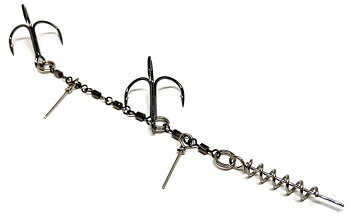
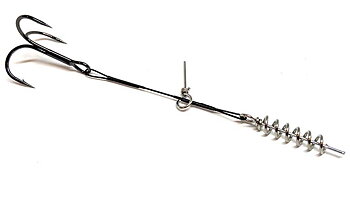
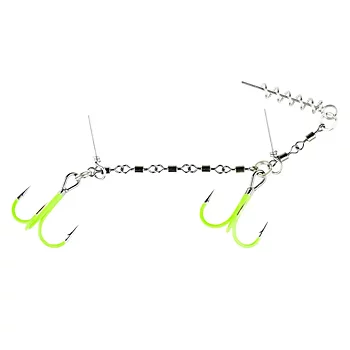
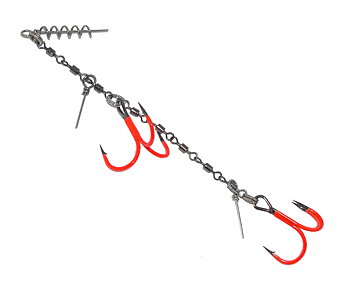
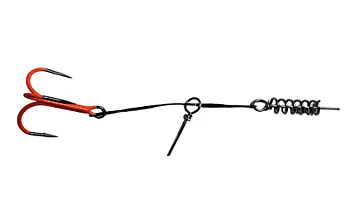
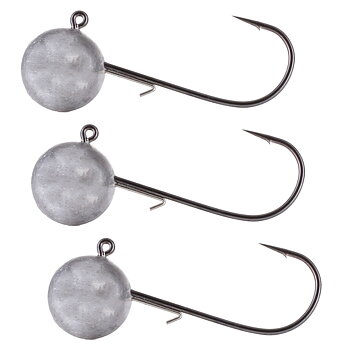
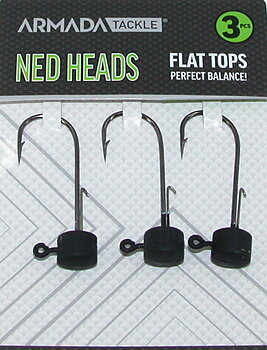
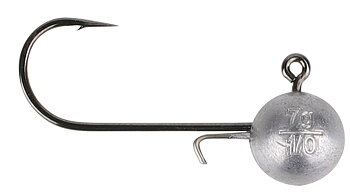
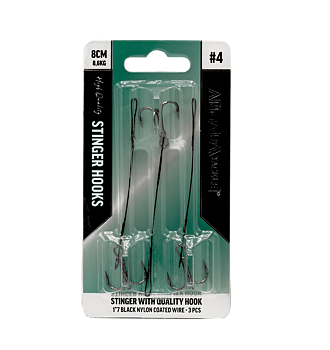
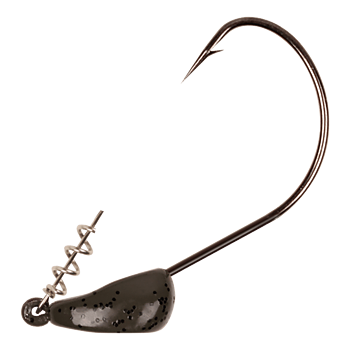
The accessories vary depending on the target species. For perch, small bait clips, treble hooks, jig heads, and drop-shot weights are often used. When fishing for zander, various jig heads, stingers, and other rig components may be appropriate. Pike fishing often requires stronger connections and a leader that protects against sharp teeth.
Always choose components based on the size of the lure and the potential load. Even a relatively small swivel or lure clip needs to be strong enough to handle the fishing conditions.
A well-stocked selection of predator fishing accessories makes it easier to switch between different lures and rigs during the same fishing trip.
Small Accessories for Saltwater Fishing and Heavier Sport Fishing
Saltwater fishing can place greater stress on your gear than many forms of lighter freshwater fishing. Therefore, it’s important to choose small tackle items that are rated for the weight of the lures, sinkers, and the fish you’re targeting.
Swivels, heavy-duty lure locks, spring rings, leader material, crimps, and various connectors are used to build rigs for fishing from shore or a boat. For heavier fishing, beads, tubing, and other protective components can also be useful.
The corrosion resistance of these components is also important when fishing in saltwater. Rinse your gear according to the manufacturer’s recommendations and check the connections regularly.
Do not use small parts intended for light freshwater fishing on rigs where the load will be significantly higher. Always match the size and strength to the fishing method.
Tools and Storage – Keep Track of All Your Small Items
Small accessories are easy to lose and can quickly get mixed up if not stored properly. Bait boxes, assortment boxes, and rig boxes help you keep hooks, weights, beads, swivels, and other components organized.
Tools such as pliers, line cutters, scissors, and spring ring pliers make it easier to assemble tackle and perform minor repairs by the water.
If you build your own rigs, it can be handy to sort small tackle by application—such as angling, carp fishing, predator fishing, and ultralight fishing. That way, you’ll find the right component faster and avoid carrying more gear than necessary.
Check the contents of the boxes regularly and restock items that are running low.
How to Choose the Right Small Gear for Your Fishing
When choosing tackle, it’s important to base your choice on the fishing method and the demands placed on the equipment. A piece of tackle that’s perfect for light perch fishing may not be suitable for carp fishing or saltwater fishing.
- Fishing Line: Adjust the strength, size, and material according to the fish you’re targeting.
- Fishing Method: Bait fishing, spin fishing, carp fishing, and saltwater fishing all place different demands on your tackle.
- Lure size: Small lures often require smaller and lighter components.
- Line size: Make sure the swivels, knots, leaders, and connectors are compatible with the line.
- Durability: Choose durable materials and inspect the components regularly.
- Storage: Organizer boxes make it easier to keep small parts organized.
- Safety and regulations: Check local fishing regulations and use accessories that support responsible fish handling.
It may be wise to start with the small parts you use most often and then supplement them with more specialized accessories for your favorite fishing methods.
Find all the small tackle you need for your next fishing adventure
The right small accessories help you build better rigs, customize your presentation, and keep your fishing gear in good condition. Whether you’re fishing from shore, a boat, or the ice, whether you’re into angling and specimen fishing or prefer active spin fishing, there are small accessories that make fishing easier and more flexible.
Explore our selection of fishing accessories and small gear, from bait clips, swivels, and hooks to sinkers, beads, leader materials, rig components, tools, and storage. Find the right parts for your fishing methods and complete your gear for your next trip.
Stock up your tackle box, build your own rigs, and be ready when your next fishing adventure begins!