
AUTUMN FISHING
- SHOP WITH CONFIDENCE
- Delivery Immediate delivery
- CUSTOMER SERVICE by anglers
- EASY RETURNS 30-day return policy
- PAY SECURELY with Klarna
Synthetic material


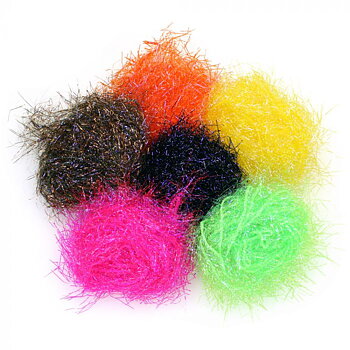
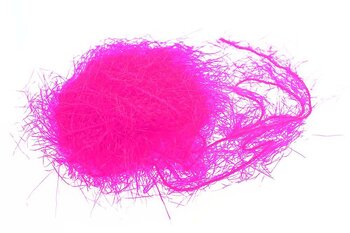


In this category, we’ve gathered synthetic materials intended for fly tying. Synthetic materials are manufactured materials, such as flash or thread. Most of our fly-tying materials come from Fly Dressing, which we believe produces high-quality and affordable materials.
Synthetic Materials for Fly Tying—Create Modern Fishing Flies with Color, Action, and Durability
Are you looking for synthetic materials for fly tying and want to create your own fishing flies with the right color, profile, and action? With modern synthetic fly-tying materials, you can tie everything from small nymphs and classic dry flies to large streamers, pike flies, and coastal flies for Swedish sport fishing. Synthetic materials offer you great opportunities to experiment with colors, sheen, transparency, and volume, while many materials have low water absorption and are easy to shape according to your desired fly pattern.
Whether you’re tying flies for trout, grayling, rainbow trout, char, sea trout, perch, pike, or salmon, there are synthetic materials to help you develop your fly-tying skills. Discover flash materials, synthetic dubbing, chenille, foam, plastic fibers, streamer fibers, UV materials, and other modern fly-tying components. With the right materials, you can create fishing flies suited to different fish species, seasons, and water conditions—from subtle imitations to colorful attractor flies.
Synthetic Fly-Tying Materials for All Types of Fishing Flies
Synthetic materials have become an essential part of modern fly tying thanks to their versatility and wide range of applications. These materials come in a wide variety of colors, lengths, thicknesses, and textures, making it easy to customize the fly’s appearance to suit your needs.
With synthetic fibers, you can create wings, tails, bodies, and entire profiles for flies in many sizes. Some materials reflect light and provide extra flash, while others create volume, transparency, or a lively movement in the water. Many synthetic materials are also easy to cut, shape, and combine with natural materials.
Whether you’re a beginner or an experienced fly tier, synthetic materials can give you more opportunities to develop your own patterns and tailor your flies to fishing in Swedish lakes, rivers, streams, and along the coast.
Flash materials for fly tying—extra sparkle and attractive details
Flash material is popular among fly tiers who want to create reflective details that mimic the shimmer of small fish and other prey. The thin fibers can be used in small amounts as a subtle accent or in larger quantities to create more prominent streamers and predator flies.
Flash is available in many colors and finishes, ranging from silver and iridescent to gold, copper, and various holographic shades. It can be used for tails, wings, bodies, and side stripes on many different fly patterns.
Flash material is particularly well-suited for:
- Streamers for perch and pike.
- Coastal flies for sea trout.
- Flies for rainbow trout and brown trout.
- Larger predator flies with a distinct profile.
- Salmon flies and other attractor patterns.
By combining flash with, for example, marabou, synthetic streamer fibers, or natural hair, you can create flies that offer both movement and reflections.
Synthetic streamer fibers—tie large and small predator flies
Synthetic streamer fibers are used to build wings and bodies on flies that mimic small fish and other prey. They come in various lengths, thicknesses, and textures, making them suitable for everything from smaller perch flies to large pike flies.
Many synthetic fibers absorb relatively little water compared to certain natural materials. This can make large flies easier to cast and simpler to handle while fishing. The materials can also be combined to create different profiles, ranging from narrow and discreet baitfish imitations to wide and voluminous predator flies.
For pike flies, long fibers and materials that retain their shape are often useful, while smaller and thinner fibers may be better suited for flies targeting perch, trout, and sea trout. Adjust the length and volume of the material according to hook size, rod class, and the fly line you’re using.
Synthetic dubbing—bodies with texture and color
Dubbing is used to build the body of many types of fishing flies. Synthetic dubbing comes in a variety of colors and textures and can be used for both subtle imitations and more colorful fly patterns.
Some varieties have a soft, fine texture that’s ideal for small nymphs and dry flies, while others contain shimmering fibers that add extra luster. Synthetic dubbing can also be mixed with natural materials to create a combination of different properties.
With the right dubbing, you can tie flies for trout, grayling, rainbow trout, and char, as well as bodies and details for coastal flies and streamers. By varying the color, amount, and texture, you can easily adapt the fly’s appearance to mimic different insects and prey.
Chenille and Synthetic Body Materials—Full-Bodied Flies with a Distinct Profile
Chenille is a versatile material used to create bodies with volume and texture. Synthetic chenille comes in many colors, thicknesses, and styles, ranging from simple solid-color varieties to glittery and multicolored materials.
The material works well for streamers, attraction flies, and other patterns where you want to build a distinct body without complicated tying steps. It can also be used to create segmented bodies or combined with flash and other fibers for a more varied appearance.
Synthetic chenille is a practical choice for both beginners and experienced fly tiers who want to be able to tie many different fly patterns using the same type of material.
Foam for Fly Tying – Floating Dry Flies and Surface Lure Imitations
Foam is a synthetic material used to create flies with good buoyancy and a distinct profile on the water’s surface. It is particularly popular for tying land insects, beetles, ants, grasshopper imitations, and other dry flies.
Foam comes in various thicknesses and colors and can be cut or shaped to mimic insects or create more imaginative lure patterns. The material can also be used for certain popper flies and other surface flies for predator fishing.
For those who fish for brown trout, grayling, and rainbow trout, foam flies can be an interesting complement to traditional dry flies. When fishing for perch and pike, larger constructions can be used to create flies that work close to the water’s surface.
Synthetic Fibers for Coastal Flies and Sea Trout Flies
Coastal flies for sea trout often need to combine a distinct profile with good action and suitable characteristics for fishing in wind and waves. Synthetic fibers are therefore common in modern coastal flies that mimic small fish, shrimp, and other prey.
With long fibers, flash material, and transparent synthetic materials, you can create flies that produce different visual effects in the water. You can also combine multiple colors to adapt the fly to lighting conditions and water color.
Synthetic coastal fly materials are also suitable for other types of streamer fishing where you want a moving profile and the ability to vary the fly’s size and color scheme.
UV-reflective and fluorescent materials for fly tying
UV-reflective and fluorescent materials are used to give flies specific visual properties. UV-reflective materials can reflect ultraviolet light, while fluorescent materials convert some of the absorbed light into visible light. These properties are thus different, and they can be used in various ways in fly tying.
These materials are available in forms such as fibers, dubbing, flash, and other details. They can be used to create contrasts, color accents, and distinctive features on nymphs, streamers, and attractor flies.
For those who tie flies for rainbow trout, brown trout, char, perch, or pike, these materials can offer more opportunities to experiment with color combinations. The effect they have in practice depends, among other things, on light, water clarity, and fish behavior.
Synthetic Materials for Nymphs and Dry Flies
Even smaller flies can benefit from synthetic materials. Thin fibers, synthetic dubbing, and various body materials can be used to create nymphs and dry flies in many colors and sizes.
Synthetic materials make it possible to create uniform bodies, distinct segments, and specific visual details. By combining them with the right hook, hackle, and any necessary weighting, you can tailor the fly to the desired sink rate or buoyancy.
For dry flies, it’s important to choose materials and quantities that don’t make the fly unnecessarily heavy. For nymphs, the choice of materials can instead be combined with beads and weighting thread to reach the right depth.
Synthetic Materials for Pike Flies and Large Predator Flies
Large pike flies place special demands on the length, volume, and movement of the materials. Synthetic streamer fibers are popular because they can create large profiles without the fly becoming as water-saturated as some designs made with natural materials.
By combining long fibers, flash material, synthetic eyes, and other components, you can tie flies that mimic larger prey fish. You can also vary the stiffness and amount of material to influence how the fly moves during retrieval and when the line stops spinning.
Synthetic materials are also well-suited for smaller predator flies for perch and for larger streamers for other predatory fish. Always choose materials and hooks that match the fly’s size and the tackle you’re using.
Colors and Material Combinations—Create Your Own Fly Patterns
A major advantage of synthetic materials is the wide range of colors and combinations available. You can choose natural tones to mimic prey or use bold contrasts when you want to create more eye-catching attractor flies.
Common color choices include:
- Silver and iridescent: for reflective details and imitations of small fish.
- Olive, brown, and gray: for more discreet fly patterns.
- White and silver: for many types of baitfish imitations.
- Black: for distinct silhouettes under varying light conditions.
- Orange, pink, and chartreuse: for colorful details and attractor flies.
- Fluorescent colors: for special visual effects.
Color selection should be tailored to the fly pattern, aquatic environment, and fishing method. There is no single color that always works best, so experimenting with different variations is an important part of fly tying.
How to Choose the Right Synthetic Materials for Fly Tying
When buying synthetic fly-tying materials, it’s a good idea to start by considering what flies you want to tie, what species of fish you’re targeting, and what characteristics you want the fly to have.
- For dry flies: choose lightweight fibers and foam that match the fly’s desired buoyancy.
- For nymphs: use synthetic dubbing and thin fibers that provide the right body and structure.
- For streamers: choose flexible fibers, chenille, and flash materials that suit the desired profile.
- For pike flies: opt for long synthetic fibers that provide volume without unnecessary water absorption.
- For coastal flies: combine streamer fibers and flash to create realistic imitations of prey fish.
- For attractor flies: experiment with fluorescent colors and contrasts.
- For beginners: Start with a few versatile materials in standard colors before expanding your selection.
Also consider the material’s length, stiffness, sheen, and how easy it is to work with at the tying station. The right materials make it easier to create flies that both look good and work well for your fishing method.
Natural or synthetic materials—why not combine both?
Synthetic materials do not replace all natural materials; rather, they complement them. Natural materials such as feathers, hair, and fur have properties and textures that are valued in many classic fly patterns. At the same time, synthetic fibers offer a wide range of colors, consistent material properties, and many options for large flies.
By combining these materials, you can create flies with a blend of natural character, extra flash, and the desired action. For example, marabou can be combined with flash, natural dubbing with synthetic fibers, and deer hair with synthetic details.
This gives you more opportunities to experiment and develop your own style in fly tying.
Buy synthetic fly-tying materials online
Whether you’re looking for flash material for streamers, synthetic dubbing for nymphs, chenille for voluminous fly bodies, foam for dry flies, or long fibers for pike flies, there are synthetic fly-tying materials for various needs and skill levels.
Explore our selection of synthetic fly-tying materials and find the right materials for your own dry flies, nymphs, streamers, coastal flies, and predator flies. With a carefully curated selection of colors, fibers, and components, you can develop your tying techniques, try new patterns, and tailor your flies to your favorite waters and target fish.
Find your new synthetic fly-tying materials and create flies with the right color, action, and profile—ready for your next fishing adventure!