
AUTUMN FISHING
- SHOP WITH CONFIDENCE
- Delivery Immediate delivery
- CUSTOMER SERVICE by anglers
- EASY RETURNS 30-day return policy
- PAY SECURELY with Klarna
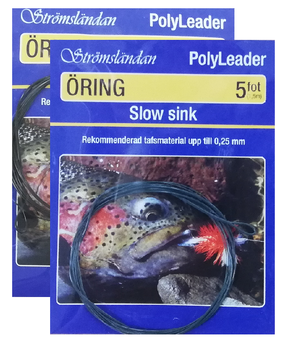
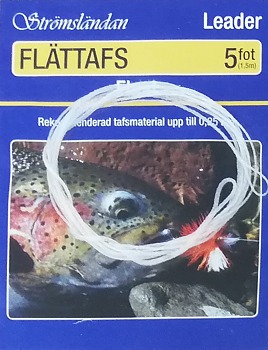
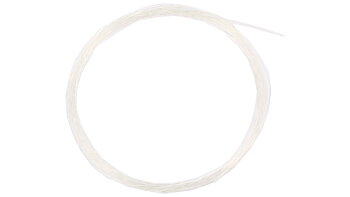

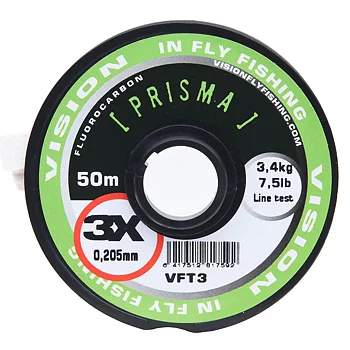
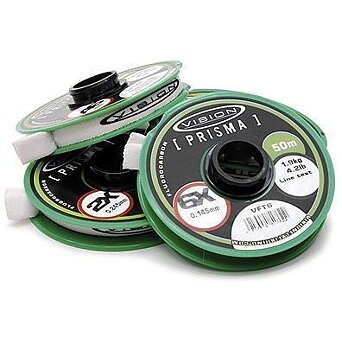


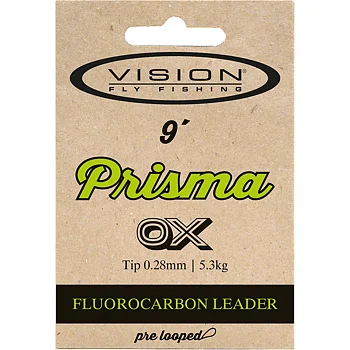

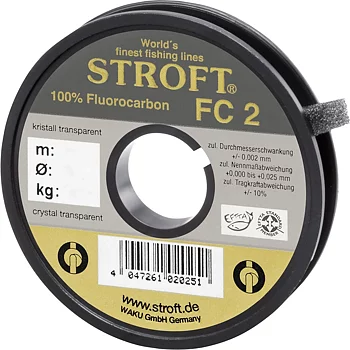
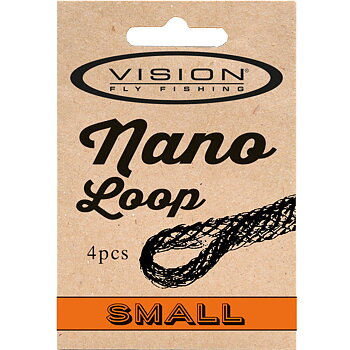
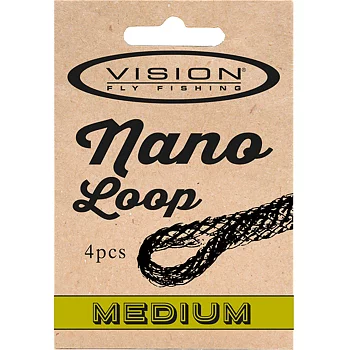
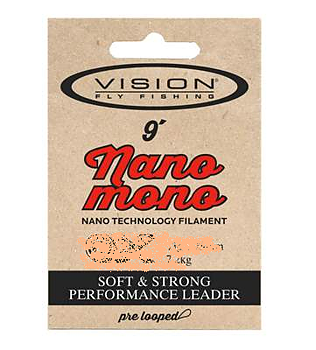
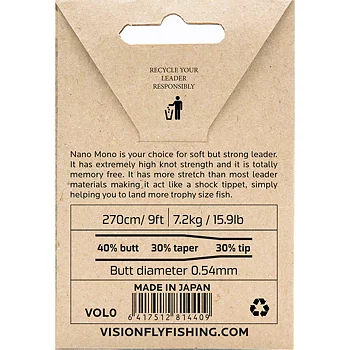
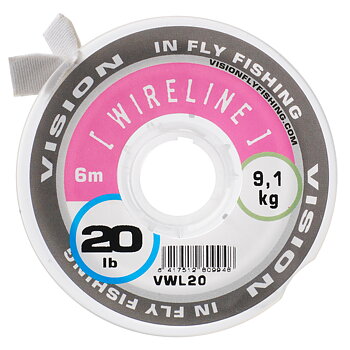

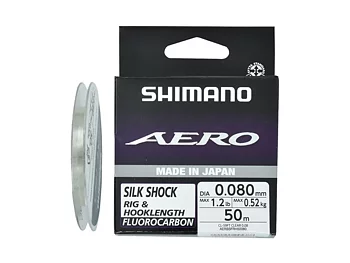


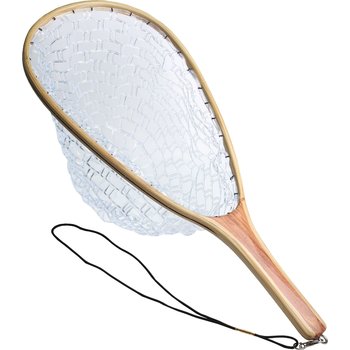
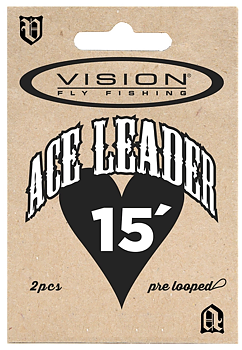
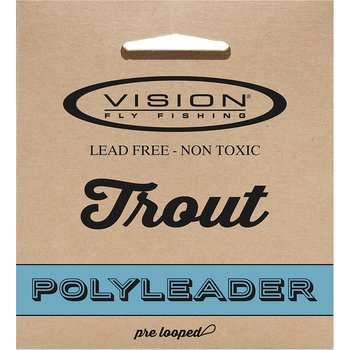
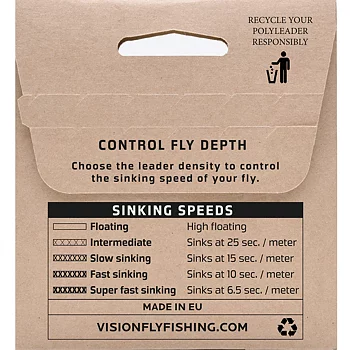
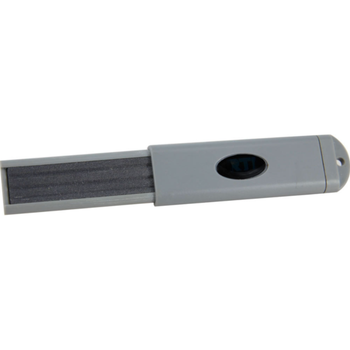

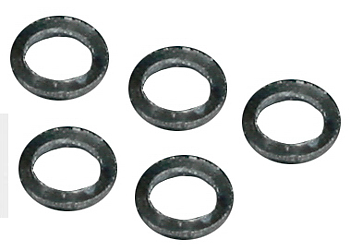
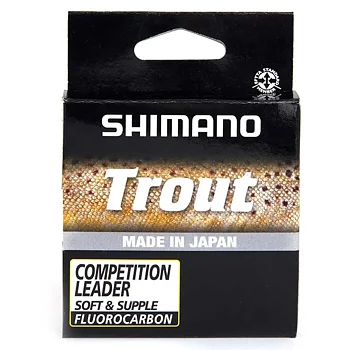
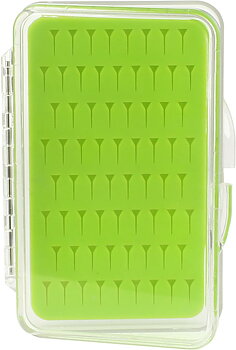


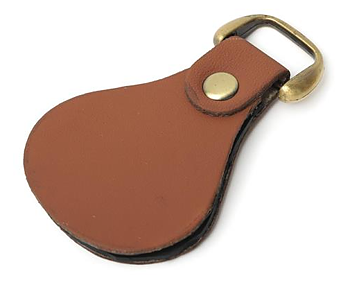


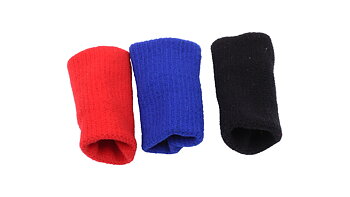
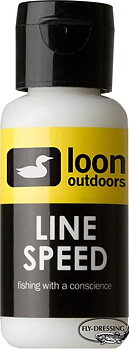
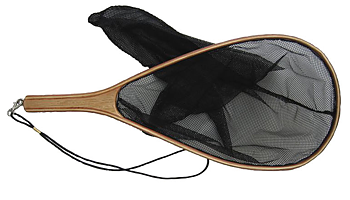

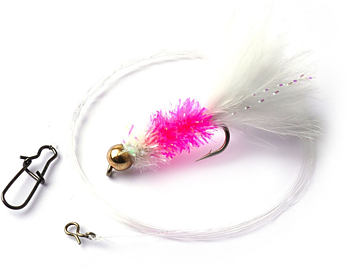
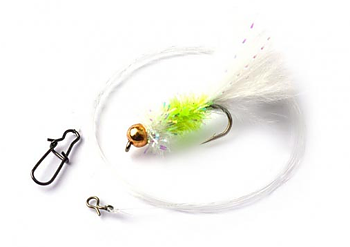
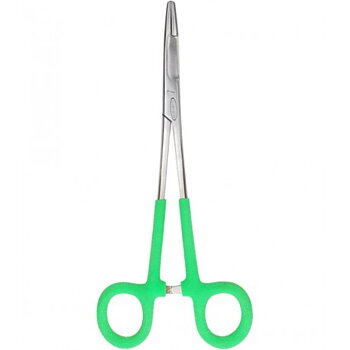

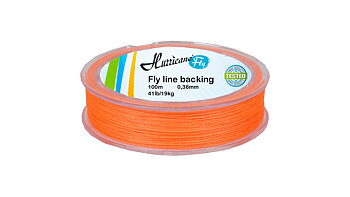

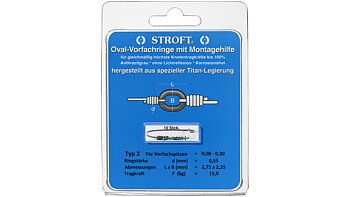
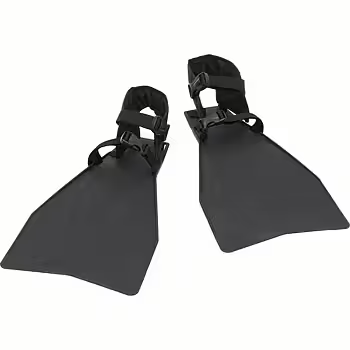

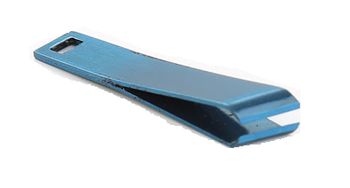
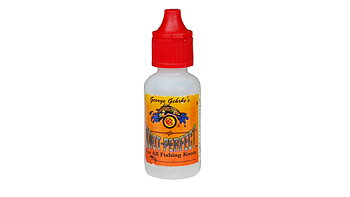
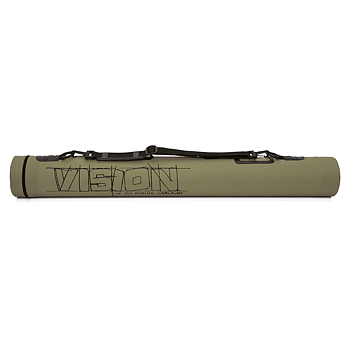

We’ve gathered tools, leaders, and accessories specifically for fly fishing in this category. It includes everything from pliers and leader materials to landing nets and wading poles—everything that’s useful for fly fishing and that you can carry in your vest when you wade out into the water. We carry everything from budget-friendly fly fishing gear to more upscale items.
Tools, leaders, and accessories for fly fishing—everything you need for a successful fishing trip
Are you looking for tools, leaders, and accessories for fly fishing? With the right gear, it’s easier to change flies, adjust your leader, handle your catch, and get more out of every fishing trip. Whether you’re fly fishing for trout and grayling in flowing rivers, rainbow trout in lakes, char in mountain streams, sea trout along the coast, or pike with large streamers, well-designed fly fishing accessories are an essential part of your gear.
Discover everything from leader materials, pre-tied leaders, and tip materials to leader cutters, nippers, hook removers, tying tools, floatants, sinkants, indicators, and practical fly-fishing accessories. With the right tools and accessories, you’ll gain better control over your leader and fly, enjoy easier handling at the water’s edge, and be able to tailor your gear to the species, water conditions, and fishing method. Here, both beginners and experienced fly fishermen will find products for a more organized, smooth, and efficient fishing experience.
Fly Fishing Tools – Practical Gear for the Water’s Edge
Fly fishing often requires making small adjustments during your fishing trip. You might need to change a fly, trim leader material, tie a new knot, or remove a hook. With the right fly fishing tools, these tasks become easier, and you won’t have to interrupt your fishing to search for the right equipment.
In the fly fishing tools category, you’ll find practical accessories such as leader cutters, nippers, tweezers, hook removers, knot-tying tools, and other gear that makes handling flies and leaders easier. Many tools can be attached directly to your fly-fishing vest or stored in an easily accessible pocket, so you always have them close at hand.
Whether you’re fishing from shore, wading in a river, or exploring the Swedish coast, well-chosen tools are a small investment that can make a big difference in how smoothly your fishing goes.
Leaders for Fly Fishing—Proper Presentation and Control
The leader is the link between the fly line and the fly and plays a major role in how the fly is presented. The right leader helps you transfer the energy from the cast, adjust the presentation to the fly’s size, and handle the fish in a controlled manner.
There are pre-tied leaders available in various lengths and sizes, as well as leader material on spools that allow you to build your own leaders and customize the tip to suit the fishing conditions. The choice depends, among other things, on the type of fly, wind, water conditions, and the species of fish you’re targeting.
For dry fly fishing for shy trout and grayling, a thinner leader tip may be appropriate in certain situations. When streamer fishing, coastal fishing for sea trout, or fishing with larger flies, thicker leaders may be necessary. When fishing for pike, a special leader that can withstand the pike’s teeth is important to reduce the risk of line breaks and lost fish.
With the right leaders and leader materials, it becomes easier to adapt your gear to different flies and fishing methods.
Pre-tied fly leaders—simple and convenient
Pre-tied fly leaders are a practical option for those who want to get started quickly or prefer a ready-made solution over tying their own leaders. They come in various lengths, sizes, and constructions for multiple types of fly fishing.
A pre-tapered leader has a tapered profile that helps transfer energy from the fly line to the fly. This can result in a smoother presentation and make it easier to cast with different types of flies.
Pre-tapered leaders are suitable for, among other things:
- Dry fly fishing for trout and grayling.
- Nymph fishing in rivers, streams, and lakes.
- Fly fishing for rainbow trout and char.
- Coastal fishing for sea trout.
- Streamer fishing for larger trout and predatory fish.
- Fly fishing for pike with specially adapted leaders.
Choose a leader that suits your fly line, fly size, and fishing method. Also check what type of tip material is needed to ensure a secure and reliable connection to the fly.
Leader material and tip material—build your own leaders
With leader material on a spool, you can build your own leaders, replace worn tips, and adjust the length and diameter to suit the day’s conditions. This offers great flexibility for those who want to fine-tune their presentation or use different leader setups for different fly types.
Common materials include nylon and fluorocarbon, which have different properties in terms of stiffness, visibility, durability, and handling, among other factors. The best material depends on the fishing method and situation.
Nylon is widely used in fly fishing and is available in many sizes for both leader construction and tip material. Fluorocarbon is also used in fly fishing, particularly when properties such as sinking behavior and abrasion resistance are desirable. Properties vary between products, so follow the manufacturer’s recommendations and choose the material based on your needs.
By having multiple sizes available, you can customize your leader for small dry flies, nymphs, larger streamers, and other flies that require different presentations.
Leader cutters and scissors—precise fly changes
A good leader cutter or small pair of scissors is one of the most useful tools for fly fishing. It helps you cleanly trim leader material when changing flies, tying new knots, or adjusting the leader’s length.
A sharp leader cutter takes up little space and is easy to store in a fly-fishing vest, chest pack, or fishing jacket. A pair of precision scissors can be useful for more detailed work, such as when handling coarser materials or needing to cut close to a knot.
Choose a tool that fits comfortably in your hand and is suited to the materials you use most often. Also make sure the tool is easy to secure so you minimize the risk of dropping it in the water.
Fish grippers and hook removers—for easy handling of the fish
Nippers and hook removers are used to handle hooks and remove flies when releasing fish or when handling them in accordance with applicable regulations. They are particularly handy when fishing with small flies, where the hook can be difficult to grip with your fingers.
Fishing pliers come in various sizes and designs. A narrow model may be suitable for small fly hooks, while a larger version may be more useful when fishing with larger flies. Choose a tool that provides a secure grip and allows you to remove the hook without unnecessary handling.
When fishing with the intention of releasing the fish, you should handle the fish gently, keep it in the water as much as possible, and use tools that match the size of the hook. When fishing for pike, sturdy hook-removal tools are especially important for safely handling both the fish and sharp hooks.
Floating agents for dry flies—help the fly stay on the surface
Floatant is used to help dry flies float and maintain their properties while fishing. There are different products available for flies made of hair, feathers, and synthetic materials, for example, and it’s important to choose a floatant that suits the fly’s construction.
When dry-fly fishing for brown trout, grayling, and rainbow trout, the right floatant can help the fly sit better on the surface and make it easier to track. Application varies depending on the product and fly material, so always follow the manufacturer’s instructions.
Having a suitable floatant in your tackle bag can be especially useful during long fishing sessions when flies get wet or lose their buoyancy.
Sinking Agents and Fly Preparation—Adapt the Fly to the Fishing Depth
Not all flies are meant to float. When fishing with nymphs, wet flies, or streamers, you may instead want the fly to sink or stay at a specific depth.
Various tying products and accessories can be used to adjust how flies and leaders behave in the water. The choice depends on the fly’s materials, construction, and the presentation you want to achieve.
For nymph fishing in flowing water, a weighted fly or a properly adapted leader can help the fly reach the correct depth. When streamer fishing, the fly’s weight can be combined with a sinking or floating fly line to control the presentation.
Make sure the product is intended for the type of fly or line you’re using, and follow the instructions for application and care.
Indicators for nymph fishing—better control over the bite
Bite indicators are primarily used in nymph fishing to make it easier to detect when a fish takes the fly or when the leader is affected by the bottom or current. They come in several designs, including floating indicators and other solutions that are attached to the leader.
When fishing for brown trout, grayling, and rainbow trout, an indicator can be useful when fishing nymphs below the surface and you need to track the presentation as it moves through the current. Size, color, and placement affect how visible the indicator is and how it works in conjunction with the fly.
Choose an indicator that suits the current’s strength, the fly’s weight, and the fishing depth. Try to present the nymph as naturally as possible and adjust the indicator’s placement based on how deep you want to fish.
Leader spools, leader boxes, and storage of fly fishing accessories
Keeping your leader materials and small accessories organized makes fishing easier. Leader spools and leader boxes help you store materials of various sizes without them getting tangled, while smaller boxes can be used for knots, leader rings, and other small components.
Organizing your gear by size, material, or intended use makes it easier to quickly find the right leader when conditions change. This is especially handy when you’re switching between dry flies, nymphs, streamers, and shore flies during the same fishing trip.
Store your leader materials away from unnecessary wear and tear, and check them regularly. Materials that have been damaged, have become brittle, or have been subjected to prolonged wear should be replaced to reduce the risk of line breakage.
Fly Fishing Gear for Trout and Grayling
When fly fishing for trout and grayling in rivers and streams, you often need to switch between flies and leader sizes depending on the current, insect activity, and fish behavior. That’s why leader material, leader cutters, nippers, and floatants are essential pieces of equipment.
A well-organized fly-fishing vest with the most important tools close at hand makes it easier to change flies and adjust your presentation without having to stop fishing. Bite indicators and various leader materials can also be valuable when fishing nymphs below the surface.
With the right accessories, you can adapt your gear for both small forest streams and larger flowing waters.
Accessories for Rainbow Trout and Arctic Char
When fishing for rainbow trout and char in lakes and mountain streams, you may need different leaders and accessories depending on whether you’re fishing with dry flies, nymphs, wet flies, or streamers.
Floatants can be useful when dry-fly fishing, while indicators and specialized leaders can make nymph fishing easier. When fishing deeper in the water column, the interaction between the fly, leader, and fly line becomes crucial for reaching the right depth and maintaining control over the presentation.
By keeping a few well-chosen tools and spare materials in your vest, you’ll be better prepared when you need to switch methods during your fishing trip.
Tools and Leaders for Coastal Sea Trout Fishing
Coastal fishing for sea trout requires gear that can withstand wind, saltwater, and changing weather conditions. Leader material, leader cutters, and needle-nose pliers are handy accessories when you need to change your coastal fly, adjust the leader, or remove the hook.
It’s also a good idea to bring spare leaders and extra tip material so you can quickly replace any that have become worn or damaged. After fishing, rinse your tools and accessories as needed, especially after contact with saltwater.
Choose leaders and tip material based on fly size, fishing method, and the conditions you encounter along the coast.
Leaders and Tools for Pike Fly Fishing
Pike fly fishing often involves larger flies and sturdier gear than traditional fly fishing for trout and grayling. A suitable pike leader that protects against the pike’s teeth is therefore a central part of your gear.
You may need heavier leader material, specialized pike leaders, and sturdy tools to handle large flies and remove hooks. A sturdy pair of pliers or a hook remover can make handling easier, while a leader cutter or scissors needs to be suited for the material you’re using.
Check your leader regularly and replace it if it’s damaged. When fishing for pike, the right tools are essential both for protecting your gear and for handling the fish safely.
How to Choose the Right Tools, Leaders, and Accessories for Fly Fishing
When buying fly fishing accessories, it’s a good idea to start by considering which species you’re targeting, what type of fly you’re using, and how you typically plan your fishing trips.
- Choose the right leader: adjust the length and size according to the fly, fish species, and fishing method.
- Keep spare materials on hand: extra leader material helps you replace damaged or worn-out sections.
- Invest in useful tools: leader cutters, nippers, and hook removers are practical basic tools.
- Adapt floating and sinking products: choose a treatment that suits the fly’s material and your desired presentation.
- Use a bite indicator when needed: especially when fishing nymphs below the surface.
- Organize your gear: leader boxes, spools, and vest pockets make your equipment easier to manage.
- Check the condition of your gear: Replace damaged leaders and worn components before they cause problems.
- Keep safety in mind: use appropriate tools for hook handling, especially when fishing for pike.
With well-chosen accessories, it becomes easier to adapt your fly-fishing gear to different waters, fish species, and conditions.
Buy tools, leaders, and fly fishing accessories online
Whether you need pre-tied fly leaders, leader materials, leader cutters, nippers, floatants, bite indicators, or practical storage solutions, there are accessories to help you get more out of your fly fishing.
Explore our selection of fly fishing tools, leaders, and accessories, and find the right products for your fishing trips after trout, grayling, rainbow trout, char, sea trout, salmon, pike, and other Swedish game fish. Complete your gear with the tools and materials you use most often and make sure you’re prepared when it’s time to change flies, adjust your leader, or handle the day’s catch.
Find the right tools, leaders, and accessories for your fly fishing and be ready for your next fishing trip—with better organization, smoother fly changes, and the right gear close at hand!