
AUTUMN FISHING
- SHOP WITH CONFIDENCE
- Delivery Immediate delivery
- CUSTOMER SERVICE by anglers
- EASY RETURNS 30-day return policy
- PAY SECURELY with Klarna
Leaders & Leader Materials
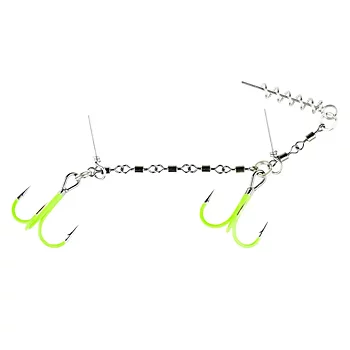
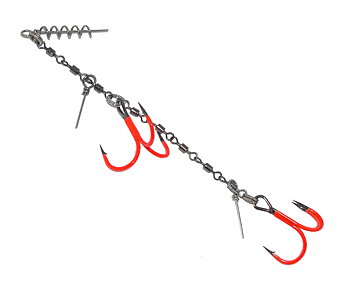
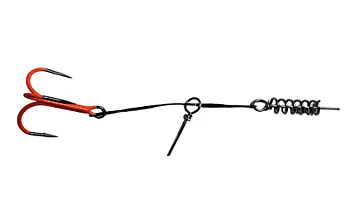
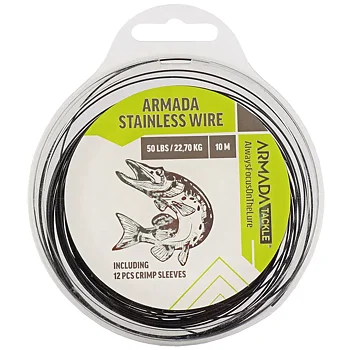
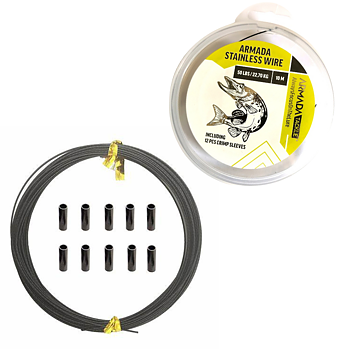
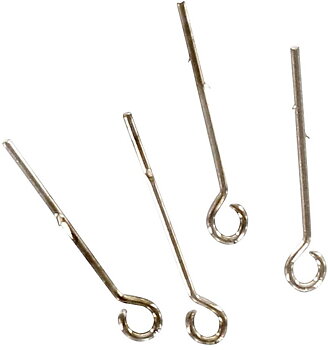

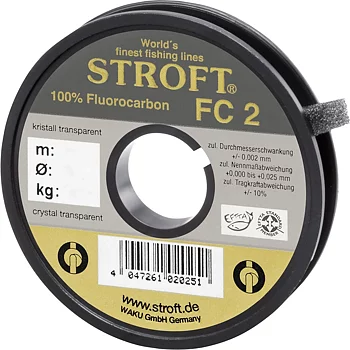


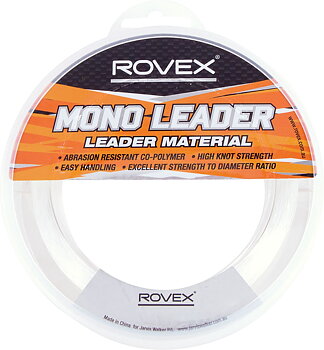
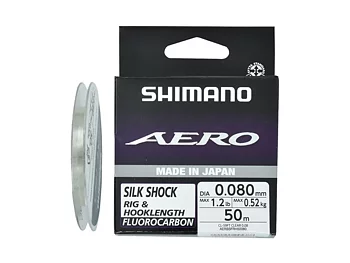
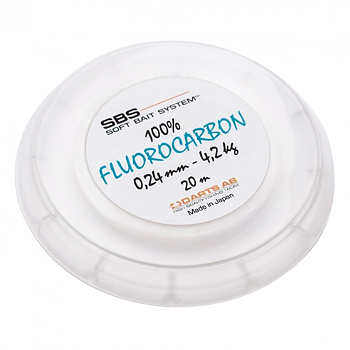


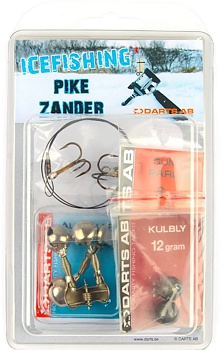


Leader Materials & Wire Swivels – Build Your Own Fishing Leaders
Are you looking for leader materials and wire swivels to make your own fishing leaders? With the right materials and connectors, you can build leaders that suit your fishing style, your lures, and the fish species you’re targeting. Whether you’re fishing for pike with large predator lures, perch with light jigs, zander in deeper water, or sea trout along the coast, it’s important to choose components that work well together.
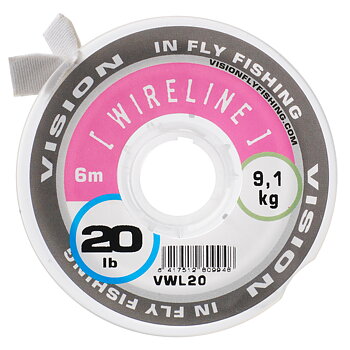
Leader materials come in several different types, including steel wire, titanium wire, fluorocarbon, and nylon. Wire locks and crimps are used to create secure connections when making leaders from materials designed to be crimped. With the right dimensions and assembly method, you can customize the leader’s length, strength, and construction to suit your fishing method.
Whether you prefer ready-made leaders or want to build your own from scratch, you’ll find plenty of options for customizing your gear. With a well-thought-out selection of leader materials, wire locks, and other components, it’s easier to prepare the right leader for every fishing adventure.
Steel Wire—A Reliable Choice for Pike Fishing
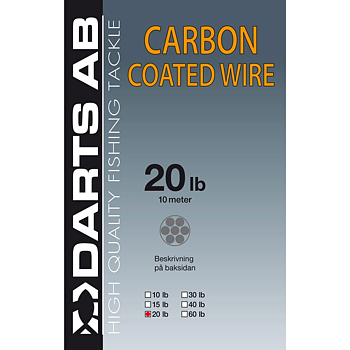
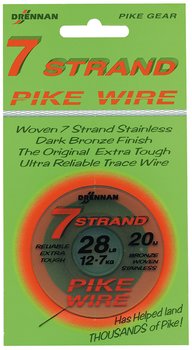
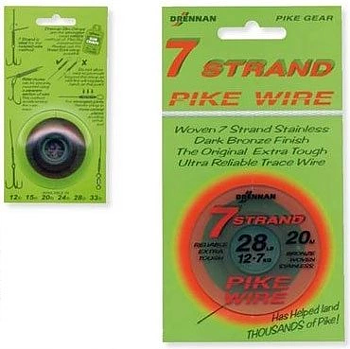
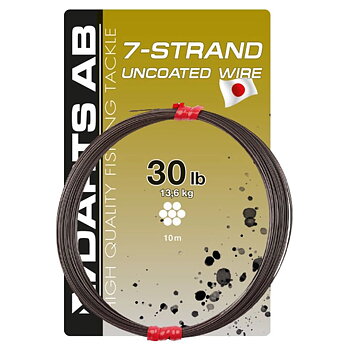
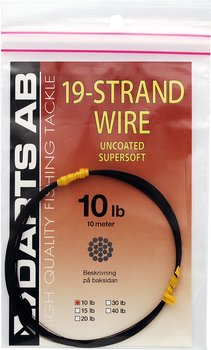
Steel wire is a common choice when making leaders for pike fishing. The pike’s sharp teeth can damage standard line materials, and a suitable steel wire provides mechanical protection that reduces the risk of the line being bitten through.
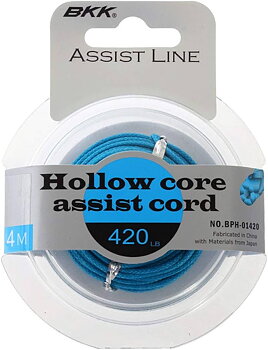
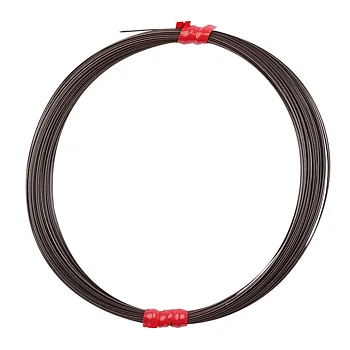
Steel wire is available in various sizes, constructions, and breaking strengths. Some varieties consist of multiple thin strands, resulting in a soft and flexible leader, while other constructions are stiffer and designed for specific applications.
When fishing with smaller pike lures, a supple wire may be suitable, while larger jerkbaits, swimbaits, and heavy shads often require stronger material and robust connections.
When choosing a steel wire, it’s important to consider the weight of the lure, the length of the leader, and the load during casting and the fight. Also make sure that the wire lock, lure lock, and swivel are rated for the same application.
Titanium Wire – For Durable and Flexible Leaders
Titanium wire is an option for anglers who want to make durable leaders for predator fishing. Depending on the construction, the material can offer good resistance to kinks and deformation, making it a good choice for repeated fishing with, for example, jerkbaits and other hard lures.
Titanwire is available in various sizes and designs. The choice affects the leader’s flexibility, strength, and how it works in conjunction with the lure.
During assembly, it’s important to check how the material should be attached. Not all titanium materials are designed for the same type of crimps or wire locks, and certain designs require special connectors or knots.
Always use components recommended by the manufacturer for the specific material. A properly assembled titanium leader can be a practical option for those who want to build their own leaders for pike fishing.
Fluorocarbon – for discreet leaders and durability
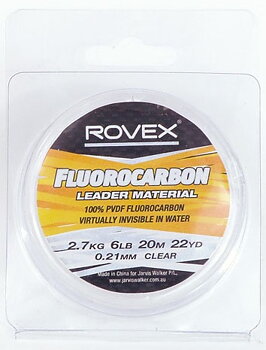
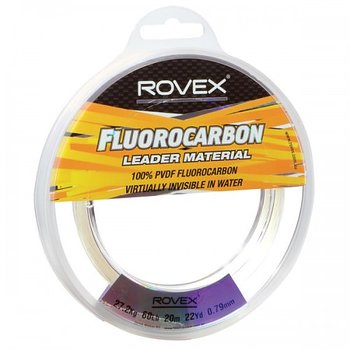
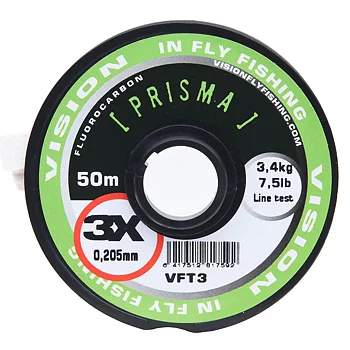
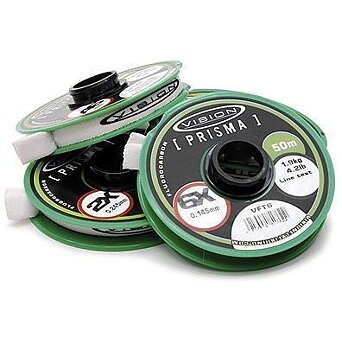
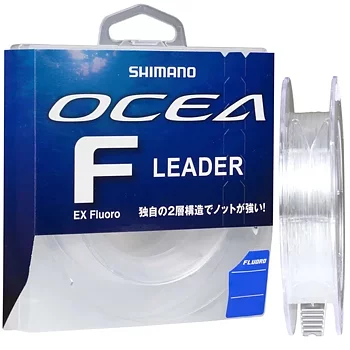
Fluorocarbon is often used as leader material when fishing for bass, zander, sea trout, brown trout, and rainbow trout. The material is relatively durable and suits many fishing methods where a discreet presentation and good contact with the bait are desirable.
When fishing for perch, thinner fluorocarbon works well with small jigs and other light lures. When fishing for zander, thicker lines are often used when fishing near rocky bottoms or other structures that can wear down the line.
Fluorocarbon can also be used for coastal fishing for sea trout and when fishing for rainbow trout with smaller lures. The line size should be adjusted according to the fishing method, main line, and expected load.
Keep in mind that fluorocarbon does not provide reliable protection against pike teeth. When specifically targeting pike, you should instead choose a suitable tooth-resistant material.
Nylon and monofilament—versatile leader materials
Nylon and other monofilament materials are used in many forms of sport fishing. They are flexible and have different properties than both fluorocarbon and wire, making them useful for, for example, angling, fly fishing, and certain types of spin fishing.
With nylon on a spool, you can make leaders in the desired length and size. This makes it easy to prepare tackle for different fishing methods and adapt the leader to hook size, bait presentation, and conditions.
When bottom fishing for carp, tench, roach, bream, and rudd, monofilament can be used in various types of leader constructions. For lighter spin fishing, the material can also be effective when you want a flexible connection between the main line and the bait.
Nylon has some stretch and can be susceptible to wear depending on its size and use. Therefore, check the material regularly and replace any damaged sections.
Wire locks and crimps—secure connections for homemade leaders
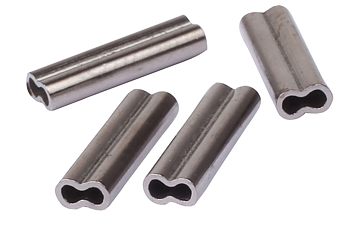
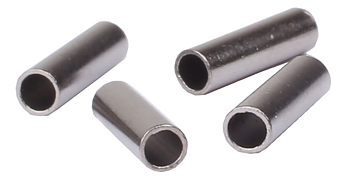
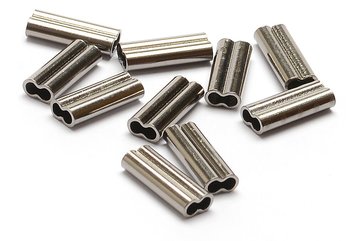
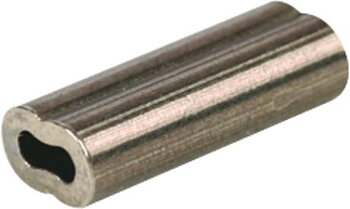
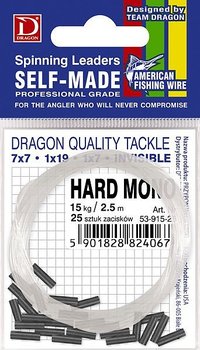
Wire locks, also known as crimps or wire sleeves in many contexts, are used to create loops and attachments when making certain types of leaders. They are primarily used with steel wire and other leader materials designed for crimping.
With the right wire lock, you can create attachments for lures, bait locks, and other components. This allows you to determine the length and design of the leader based on the fishing method you use.
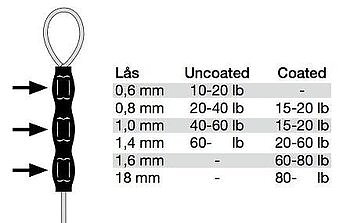
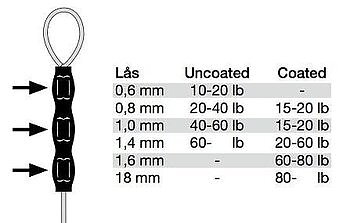
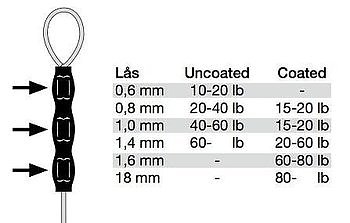
Wire locks are available in various diameters and designs. The sleeve’s dimensions must match the specific leader material, and installation must be performed using a tool designed for this purpose.
A sleeve that is too large can result in an unreliable attachment, while an incorrectly installed or overly tight sleeve can damage the material. Therefore, follow the manufacturer’s recommendations for both sizing and crimping.
Double wire locks and single sleeves
Wire locks come in various designs, including single sleeves and double sleeves. The most suitable type depends on the leader material, its dimensions, and how the loop is to be constructed.
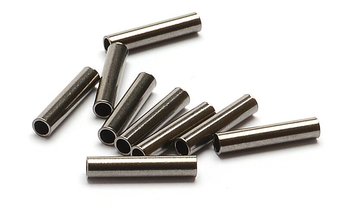
Single sleeves are used in certain leader constructions where the material is threaded through the sleeve and formed into a loop. Double sleeves have a different design and may be suitable for materials and assembly methods adapted to that type of sleeve.
It is important not to select a wire lock based solely on the outer diameter. The material’s diameter, the number of passes, and the sleeve’s internal dimensions all affect how the connection should be assembled.
Use appropriate crimping pliers and carefully inspect the finished loop. A correctly sized and installed connection is essential for the leader to hold under load.
Crimping Pliers and Tools for Leader Making
When making your own wire leaders, having the right tools is an essential part of your equipment. A crimping tool designed for wire locks helps you install the sleeves according to the specific design.
Different sleeves and materials may require different types of pliers and crimping profiles. Therefore, you should verify that the tool is compatible with the wire locks and leader material you are using.
When making your own rigs, it’s also handy to have wire cutters suitable for the material, as well as any tools needed to attach swivels and bait locks.
Always inspect the finished leader before using it. Make sure the sleeves do not slip, that the material is not damaged, and that the loops are evenly attached.
Wire and Leader Materials for Pike Fishing
When fishing for pike, it’s important to combine the right wire with swivels that can withstand both the casting load and the fish’s strength. The leader needs to be durable enough to reduce the risk of breakage while also matching the size and movement pattern of the lure.
When fishing with smaller spinnerbaits and wobblers, a relatively supple leader may be appropriate. When fishing with large jerkbaits, shads, and swimbaits, you need to take into account the lure’s weight and the forces generated during the cast.
Steel wire and titanium wire are common options, but they have different properties and rigging requirements. Choose your material based on your fishing style and ensure that wire locks, swivels, and lure clips are compatible with the leader.
Always inspect the leader after contact with a fish or an obstacle. Replace any material that has kinks, damage, or loose connections.
Leader Material for Perch, Zander, and Light Predator Fishing
When fishing for perch and zander, fluorocarbon or nylon is often used in sizes that match the lure and tackle. Here, the choice often comes down to finding a balance between durability, flexibility, and a natural presentation.
For lighter perch fishing, thinner line may be appropriate, especially when using small jigs, spinners, or finesse lures. When fishing for zander near the bottom, thicker fluorocarbon can be an option when you need better resistance to abrasion.
For UL, XUL, and BFS fishing, it’s especially important to choose line and leaders that aren’t unnecessarily thick or heavy relative to the lure.
If pike are present in the water, you need to consider the risk of the line being bitten through and choose a leader based on the fish you’re actually likely to hook.
Leader Materials for Sea Trout and Rainbow Trout
When fishing for sea trout along the coast and for rainbow trout in lakes and put-and-take waters, fluorocarbon or nylon is often used. Both materials can work well, but the choice should be tailored to the size of the lure, the water conditions, and the level of abrasion resistance required.
When fishing for sea trout, the leader may be exposed to abrasion from rocks and other structures. When fishing for rainbow trout with small spinners or flies, a thinner leader may be appropriate when a subtle presentation is needed.
Leader material on a spool makes it easy to make your own leaders in various lengths and sizes. This allows you to tailor your gear to both your fishing method and the conditions.
Check knots and connections regularly and replace any material that has become worn or damaged.
Make Your Own Leaders for Coarse and Specimen Fishing
Leader material on a spool is also useful for those who make their own leaders for coarse fishing and specimen fishing. With the right materials, you can prepare rigs for carp, tench, roach, bream, and rudd.
Nylon, fluorocarbon, and specialized rig materials are used in various configurations depending on the bait, hook, and bottom conditions. For carp fishing, specialized leader materials may be suitable for rigs using, for example, boilies or other hair rigs.
For traditional match fishing and feeder fishing, pre-made leaders in various sizes can make it easier to change hooks or adjust the presentation without having to rebuild the entire rig.
Wire locks are primarily used for materials intended for press-fitting and are generally not the correct method for standard nylon or fluorocarbon lines. Always follow the recommendations for the material you are working with.
How to Choose the Right Leader Material and Wire Lock
When choosing leader material and a wire lock, it’s important to consider both the material’s properties and how the entire rig will be assembled.
- Target Species: Pike fishing typically requires tooth-resistant material, while perch, zander, sea trout, and rainbow trout can often be fished with fluorocarbon or nylon.
- Material Type: Choose between steel wire, titanium wire, fluorocarbon, nylon, or specialized leader materials.
- Dimension: The material’s diameter and breaking strength should be appropriate for the lure, main line, and expected load.
- Sleeve: Choose sleeves designed for the line’s size and construction.
- Tools: Use crimping pliers that fit the swivel and follow the manufacturer’s instructions.
- Connectors: Match swivels, lure clips, and rings to the strength of the leader.
- Inspection: Inspect loops, crimps, and materials before every fishing trip.
With the right combination of leader material, wire locks, and tools, you can build your own leaders that suit your gear and your favorite techniques.
Find the right leader materials and wire locks for your fishing adventure
With the right leader materials and wire locks, it’s easier to make, repair, and customize fishing leaders for different fish species and fishing methods. Whether you’re making steel leaders for pike fishing, fluorocarbon leaders for perch fishing, or custom leaders for shore fishing and angling, there are materials and components to suit your needs.
Explore our selection of steel wire, titanium wire, fluorocarbon, nylon, wire locks, crimps, and accessories for leader making. Choose the right sizes and tools for a well-designed setup and get ready for your next fishing trip.
Build your own leaders, customize your gear, and be prepared when the next fish strikes!