
AUTUMN FISHING
- SHOP WITH CONFIDENCE
- Delivery Immediate delivery
- CUSTOMER SERVICE by anglers
- EASY RETURNS 30-day return policy
- PAY SECURELY with Klarna
Sea Fishing


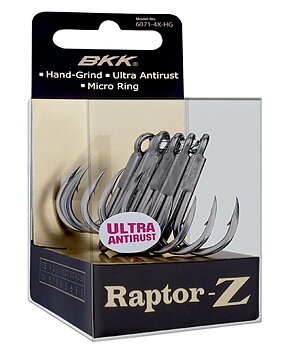
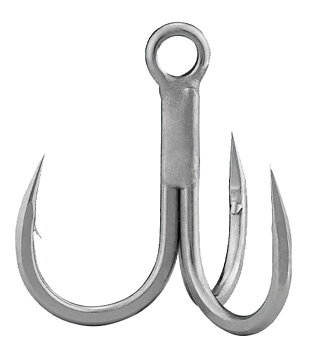

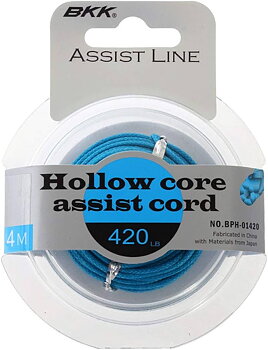
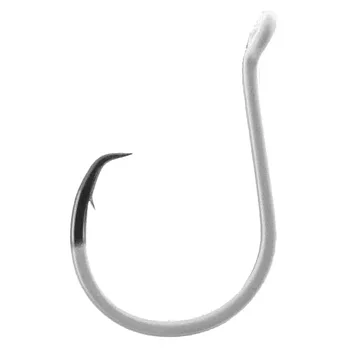









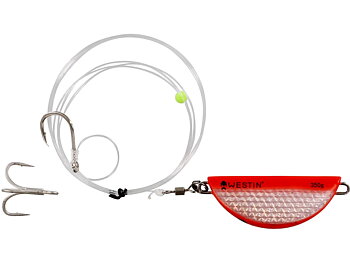
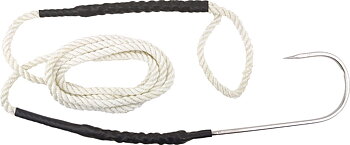
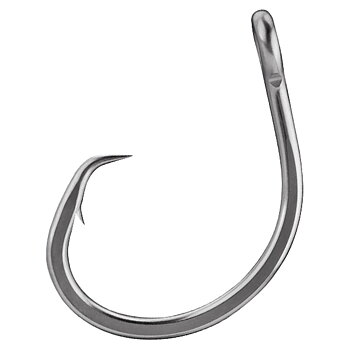
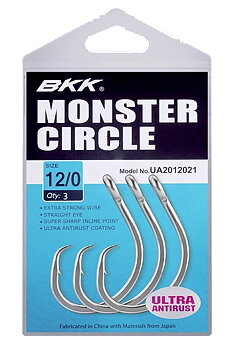



Saltwater Fishing Accessories – The Right Gear for Deep-Sea Fishing
Are you looking for saltwater fishing accessories that help you adapt your gear to depth, current, and different fish species? Saltwater fishing often places special demands on tackle, hooks, sinkers, and swivels. With the right accessories, it becomes easier to present the bait at the correct depth, maintain contact with your rig, and handle both smaller schooling fish and larger predatory fish.
Whether you’re fishing from a boat along the Swedish west coast, heading out into deeper waters, or planning a fishing trip to Norway, there are plenty of accessories to choose from. The selection includes jig heads, pre-tied saltwater rigs, swivels, heavy-duty hooks, leader material, sinkers, bait locks, and attractors that help you tailor your presentation to your fishing method and conditions.
The right combination of accessories affects how the rig performs, how the bait moves, and how well the equipment withstands the strain during the fight. By choosing components that work well together, you can build a reliable setup for both lighter saltwater fishing and more demanding fishing at great depths.
Jig lures and jigging accessories – for active saltwater fishing
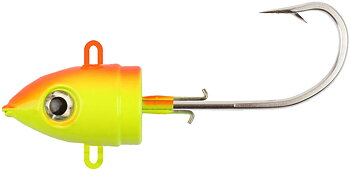
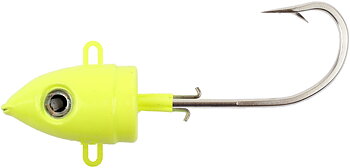
Jig lures are common baits for saltwater fishing from a boat and are used to target cod, pollock, and other predatory fish, among others. They come in various weights, shapes, and colors to suit varying depths, current conditions, and fishing methods.
To get more out of jig fishing, you can supplement your setup with suitable jig hooks, assist hooks, spring swivels, and other components. Some accessories provide extra movement or visual cues, while others make it easier to adjust the hooking action based on the fish species and the lure’s design.
When choosing jigging accessories, it’s important to consider the weight of the jig, the size of the hooks, and the stress that may occur while fishing. Heavy-duty components are often suitable for larger fish and heavy jigs, while lighter gear may work better for lighter saltwater fishing.
Saltwater Fishing Tackle – Ready-Made Rigs for Different Fish Species
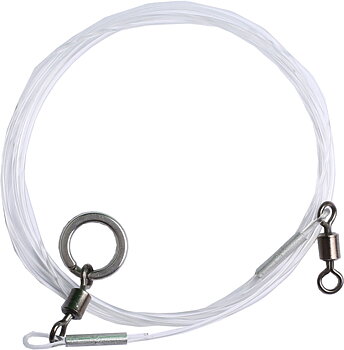
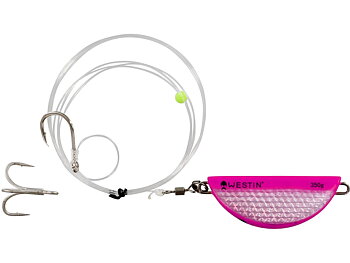
Saltwater fishing rigs are designed to make fishing from a boat easier and come in many varieties depending on the species you want to catch. Ready-made rigs may include hooks, leaders, sinkers, beads, and various types of attractors that are assembled for a specific fishing method.
When fishing for mackerel, rigs with several smaller hooks and visual attractors are often used. When fishing for cod, pollock, and larger predatory fish, sturdier rigs with thicker leader material and larger hooks may be more suitable.
Pre-made rigs are ideal if you want to get started quickly, while custom-made tackle offers greater freedom to choose hook size, leader length, colors, and components.
Regardless of which option you prefer, you should ensure that the rig’s breaking strength, hooks, and swivels are suitable for the equipment and fish species you’re targeting.
Suspension rigs and attractors—create a clearer presentation
Suspension rigs are often used in saltwater fishing to present smaller baits above the jig or main bait. They can be rigged in various ways and are found in rigs designed for mackerel, pollock, and cod, among others.
There are droppers with feathers, glitter, plastic, glow-in-the-dark details, and other visual features. Some models are designed to mimic small fish or other prey, while others primarily provide movement and contrast.
Suspension rigs can be particularly useful when fish are hunting in schools or when you want to fish with multiple bait presentations at the same time. However, it’s important to adapt the number of hooks and the rig’s design to the fishing method, local regulations, and how the equipment will be handled.
Choose rigs that are suitable for the depth, current, and the species of fish you want to catch. Also, make sure that lines and knots won’t get tangled when the rig is lowered or reeled in.
Saltwater Fishing Hooks – Strength and Proper Hookset
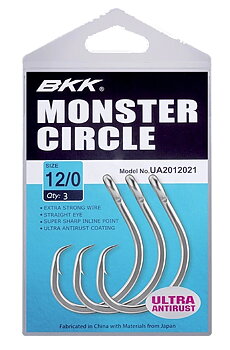
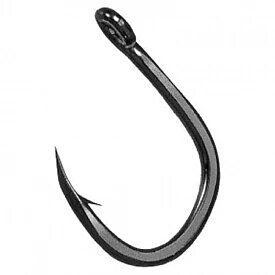
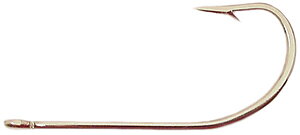
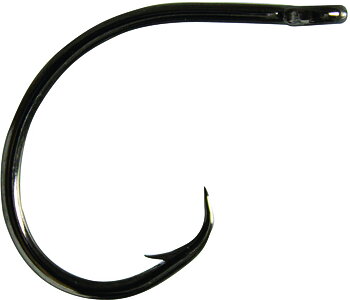
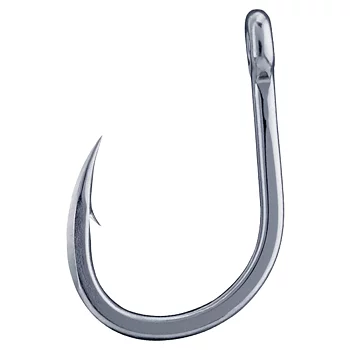
The hook is one of the most important components of saltwater fishing gear. When fishing at depth, hooks and rigs are subjected to stress from the weight of the bait, water resistance, and the fish’s movements.
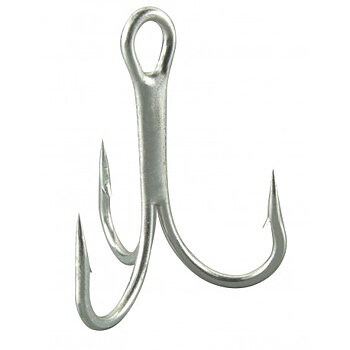
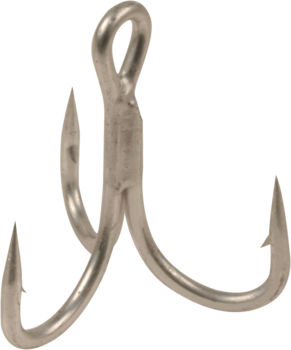
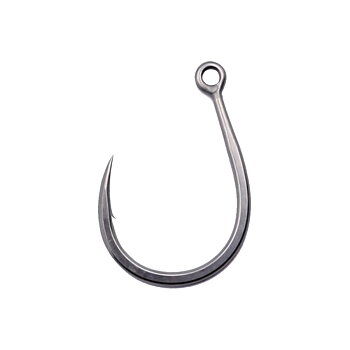
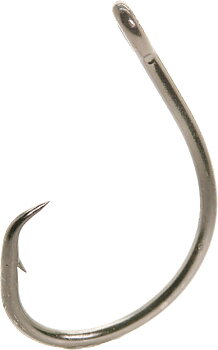
Saltwater fishing hooks come in various shapes and sizes, ranging from smaller hooks for mackerel and other schooling fish to heavy-duty models for larger predatory fish. The choice depends, among other things, on the type of bait, the species of fish, and whether you’re using natural or artificial bait.
A hook that is too small may be unsuitable for large baits or powerful fish, while an unnecessarily large hook can affect the presentation of the bait. Therefore, be sure to match the hook’s size, shape, and strength to the entire rig.
Check your hooks regularly and replace them if they are rusty, bent, or dull. Sharp hooks and well-matched components are essential for a successful hookset.
Leader Material and Wire—Building Durable Saltwater Fishing Tackle
Leader material is used to create connections between the main line, the hook, and other parts of the rig. In saltwater fishing, the material must be suitable for both the load and the specific fishing method.
Nylon and fluorocarbon are used in many rig designs, while thicker monofilament and other specialized materials may be suitable when fishing for larger species. Wire can be used when extra resistance against sharp teeth is needed, depending on the fish you’re targeting.
When choosing leader material, you should consider breaking strength, abrasion resistance, diameter, and how the material interacts with knots and connectors. When fishing in saltwater, it’s also important to check your line and hardware regularly, as salt, wear, and corrosion can affect your gear.
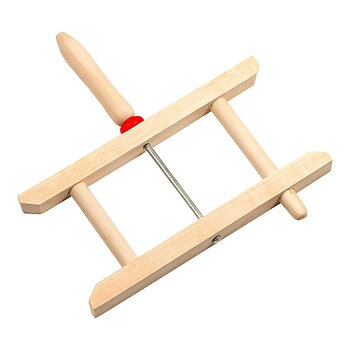
With leader material on a spool, you can easily make your own rigs and customize lengths and diameters to suit your needs.
Weights for saltwater fishing—keep your rig at the right depth
When saltwater fishing, it’s often important to get the bait down to the right depth and maintain control of the rig despite currents and the boat’s movement. That’s why sinkers come in many different shapes and weights.
Lighter sinkers may be suitable for shallower fishing and weaker currents, while heavier models may be needed at greater depths or when the water is moving strongly. The sinker’s shape also affects how it sinks, how it rests on the bottom, and how easily it can get snagged on structures.
Choose a weight that provides sufficient bottom contact without overloading the rod, reel, and line. Always check the rod’s recommended load capacity and ensure that the tackle’s connectors can handle the total weight.
If you’re fishing at varying depths, it’s handy to have several weights available so you can quickly adjust your rig as conditions change.
Swivels, lure clips, and heavy-duty connectors
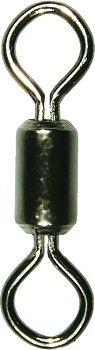
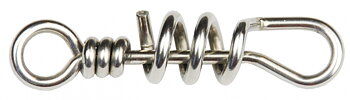
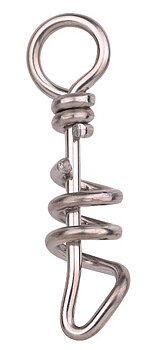
Swivels, bait locks, and other connectors make it easier to rig and change lures, jigs, and tackle. When saltwater fishing, it’s especially important to choose components that can withstand the strain from heavy lures and larger fish.
Lure hooks can help reduce line twist in certain rig configurations, while lure locks make it easier to change jigs or other lures without having to re-tie the entire rig.
These components come in various sizes and strengths. Don’t choose based solely on size or appearance; instead, check the specified breaking strength and how the product is intended to be used.
Inspect the connectors regularly and replace any parts showing signs of corrosion, deformation, or wear. A weak connector can limit the strength of the entire rig, even if the other components are sturdy.
Beads, Tubes, and Protective Sleeves for Saltwater Fishing Tackle
Small accessories such as beads, tubing, and protective sleeves can serve multiple functions in a saltwater fishing rig. They are used, among other things, to create spacing between components, protect knots, and add color or contrast.
Beads can be placed near hook leaders or other parts of the rig, while tubing can be used to protect certain connections or control how the components move. Luminescent and fluorescent materials are also found in products designed for fishing in deeper waters or under low-light conditions.
Which details work best depends on the fish species, depth, water clarity, and how you want to present the bait. It may be worth trying different colors and combinations to adapt the rig to the situation.
Make sure the small components are compatible with the line’s size and do not create unnecessary weak points or hinder the rig’s movement.
Squid Lures and Soft Plastic Accessories for Saltwater Fishing
Squid imitations and other soft plastic accessories are used in saltwater fishing to give the lure a different shape, movement, and profile. They can be mounted on jigs, hooks, or special rigs depending on the product’s design.
Such accessories are used when fishing for cod, pollock, and other predatory fish, among others. They come in various sizes, colors, and materials, ranging from small attachments for lighter fishing to larger imitations for heavier saltwater fishing tackle.
When choosing soft plastic lures, make sure the size fits the hook and tackle. A large lure can affect water resistance and the lure’s movement, while a smaller model may be better suited when you want to keep the presentation compact.
Store soft plastic lures separately if the material may react with other lures or storage products, and follow the manufacturer’s care recommendations.
Accessories for Saltwater Mackerel Fishing
Mackerel fishing is often done from a boat and can be effective with rigs featuring multiple hooks and visual attractors. Here, swivels, mackerel jigs, beads, and small jig heads are common components of the gear.
Multi-hook rigs allow you to present multiple lures at the same time, but it’s important to adapt your gear to fishing conditions and local regulations. Choose hooks that are appropriate for the size of the mackerel and ensure that the main line, leaders, and swivels are properly sized for the entire rig.
When fishing actively, having a selection of colors and sizes can be useful as light conditions and fish activity change.
Store your rigs so that the hooks do not get tangled with each other or with other gear.
Accessories for saltwater fishing for cod, pollock, and halibut
When fishing for larger species such as cod, pollock, and halibut, the equipment must be adapted to the size of the fish, the depth, and the strain that occurs during the fight.
Heavy-duty jigs, sturdy hooks, thicker leader material, and strong line can be important components of your gear. When fishing with natural bait, specialized rigs with one or more hooks may be appropriate, while other fishing methods require different types of rigs.
For halibut and other large predatory fish, it is especially important that all components maintain an appropriate level of strength and quality. Check the entire rig—from the main line and leader to the hook and swivels—before you start fishing.
Also consider how the fish will be handled at the boat and choose accessories that suit both the fishing method and safe handling.
Tools and Practical Accessories for Saltwater Fishing
In addition to tackle and rigging components, there are several practical accessories that make saltwater fishing easier. Pliers, wire cutters, hook removers, bait needles, and storage solutions help you assemble your gear, replace components, and keep things organized on board.
When fishing from a boat, it’s helpful to store hooks, jigs, and small parts so they’re easily accessible yet securely stowed. Tools designed for saltwater environments can also be a good choice, as they may be better suited for conditions prone to corrosion.
After fishing, you should rinse your gear with fresh water when appropriate, dry it, and inspect moving parts and metal components. Regular maintenance helps your gear last longer and ensures it’s ready for your next trip.
How to Choose the Right Gear for Saltwater Fishing
When choosing gear for saltwater fishing, it’s important to consider the species, depth, current, and the method you’re using.
- Fish species: Mackerel, cod, pollock, and halibut may require different tackle, hooks, and lures.
- Fishing depth: Adjust your jig, sinker, and rig according to depth and current conditions.
- Leader material: Choose the size and material based on the load, abrasion, and any risk of sharp teeth.
- Hooks: Adjust hook size and strength based on the lure and the fish you’re targeting.
- Connectors: Swivels, bait locks, and other fittings must be able to withstand the load from the entire rig.
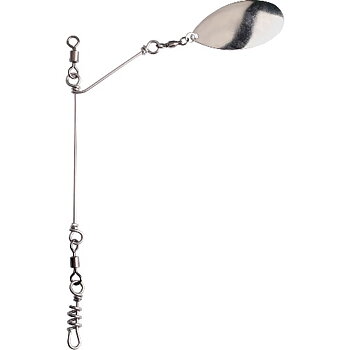
- Attractors: Spinners, beads, and squid imitations can be used to vary your presentation.
- Maintenance: Check for wear, corrosion, and damaged components before every fishing trip.
With a well-thought-out selection of saltwater fishing accessories, you can build rigs that suit your favorite techniques and adapt your gear to the conditions on the water.
Find the right accessories for your next saltwater fishing adventure
The right accessories make it easier to adapt your saltwater fishing gear to depth, current, and fish species. Whether you’re fishing for mackerel with a jig, chasing cod with a jig, or preparing for heavier fishing after larger predatory fish, there are components to help you create a rig that works.
Explore our selection of saltwater fishing tackle, jigging accessories, swivels, hooks, leader materials, sinkers, sinker stops, bait locks, beads, tubing, and other saltwater fishing accessories.
Choose the right combination of strength, functionality, and quality for your fishing method and favorite waters—and get ready for your next trip out to sea!