
AUTUMN FISHING
- SHOP WITH CONFIDENCE
- Delivery Immediate delivery
- CUSTOMER SERVICE by anglers
- EASY RETURNS 30-day return policy
- PAY SECURELY with Klarna























Fishing Storage – Keep Your Lures, Tackle, and Gear Organized
Are you looking for smart and practical storage for your fishing gear? With the right storage, it’s easier to organize lures, fishing lines, hooks, jigs, leaders, and other accessories, both at home and out on the water. Whether you prefer a compact bait box for shorter fishing trips or a spacious fishing bag for longer adventures, there are many options to choose from.
In sport fishing, various types of storage are used depending on the fishing method and equipment. Lure boxes and tackle boxes are ideal for sorting smaller accessories, while lure bags and fishing boxes provide space for larger lures and more extensive gear. For angling and specimen fishing, there are also specialized solutions for rigs, hooks, small parts, and other accessories that need to be kept organized and easily accessible.
With a well-thought-out storage system, you reduce the risk of tangles, lost small parts, and damaged lures. You also get a better overview of your gear and can find the right accessories more quickly when conditions change.
Lure Boxes – Practical Storage for Jigs and Spinners
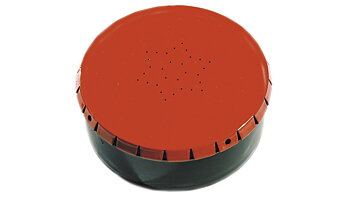
Lure boxes are one of the most common storage solutions in sport fishing. They come in many sizes and designs and are used to organize jigs, wobblers, spinners, spoons, lure clips, and other small accessories.
Many tackle boxes have adjustable compartments that allow you to customize the space to fit the size of your lures. For example, smaller compartments are suitable for spinners and small jigs, while larger compartments accommodate bigger wobblers and other bulky lures.
When choosing a tackle box, it’s important to consider the material, the locking mechanism, and the design of the compartments. A sturdy box with secure locks can be especially practical when transporting your gear in a backpack, fishing bag, or boat.
Also make sure the box is suitable for the lures you use. Some soft lures can be damaged by contact with unsuitable plastic materials, so follow the manufacturer’s recommendations for storing jigs and other rubber lures.
Lure Bags – Keep Your Gear in One Place
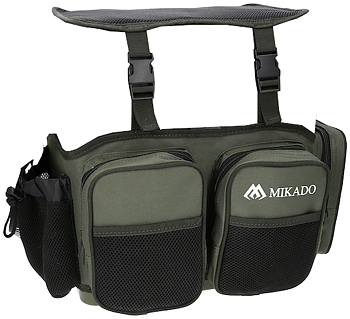
A lure bag is a great option for those who want to keep multiple lure boxes and accessories in a single solution. It’s suitable for both shorter fishing trips and for anglers who want an organized set of lures ready to use.
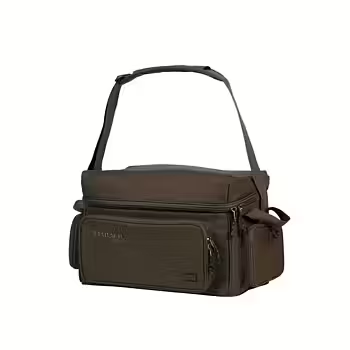
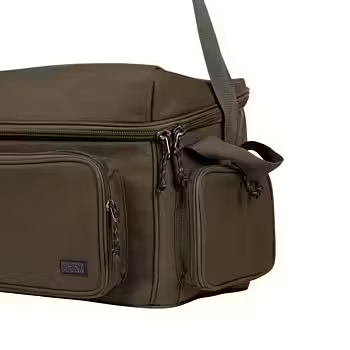
Many lure bags feature a main compartment for lure boxes, smaller outer pockets for items such as leaders and tools, and adjustable shoulder straps or handles for easy transport.
When spin fishing for perch, zander, and pike, a tackle bag can make it easier to bring the right assortment of jigs, wobblers, spinners, and other lures. You can organize the boxes by fish species, color, size, or fishing method.
If you’re fishing from a boat, a bag made of durable material with easily accessible compartments can be practical. When fishing from shore, a lightweight design and comfortable carry may be more important.
Tackle Boxes and Fishing Boxes – Keeping Small Parts Organized
Tackle boxes and fishing boxes are used to organize small accessories such as hooks, sinkers, swivels, bait clips, beads, wire clips, and other rigging components.
A box with many compartments makes it easier to separate different sizes and types of accessories. This reduces the risk of small parts getting mixed up and makes it easier to find the right component when building or repairing a rig.
For anglers targeting carp, tench, roach, and bream, tackle boxes can be used to keep hook sizes, sinkers, feeder components, and other fishing accessories organized. For predator fishing, they can instead be used for bait clips, jig heads, leader components, and jig heads.
Choose a model with compartments that fit the size of your accessories. If you’re storing very small parts, secure lids and sturdy dividers are especially important.
Storage for Jigs and Soft Lures
Jigs and other soft lures often need to be stored differently than hard lures. A suitable lure box or lure bag helps you sort jigs by length, color, shape, and intended use.
When fishing for perch, smaller compartments can be handy for small jigs, while pike anglers often need more space for large rubber lures and swimbaits.
It’s important to check that the storage material is compatible with the lures. Some soft lures can react with certain plastics, paints, or other lure materials. Therefore, store lures according to the manufacturer’s instructions and avoid mixing incompatible materials.
Storing different types of lures separately can also help keep colors and models organized and make it easier to find the right lure during a fishing trip.
Storage for UL, XUL, and BFS – Compact and Easily Accessible
In ultralight, XUL, and BFS fishing, small lures and lightweight accessories are often used. In these cases, compact and well-organized storage is particularly valuable.
Small lure boxes with shallow compartments are ideal for micro jigs, small spinners, small wobblers, and other lightweight lures. Compact bags and smaller tackle boxes allow you to carry a varied selection without making your gear unnecessarily heavy.
When UL and BFS fishing, it can be practical to sort lures by weight, size, or fishing method. This makes it quick to find the right lure when you want to change your presentation or adapt to the fish’s activity.
Choose boxes with secure locks and compartments that keep small lures in place during transport. If you use unprotected hooks, you should also ensure that the storage design minimizes the risk of hooks snagging on other lures or the bag’s material.
Storage for Pike Fishing and Larger Predator Lures
Pike fishing often involves larger jigs, jerkbaits, swimbaits, and other bulky lures. These require more space than traditional small lures and can be difficult to organize in standard small boxes.
Larger tackle boxes and spacious tackle bags are therefore practical alternatives. Boxes with larger compartments make it easier to keep lures separate and reduce the risk of hooks and leaders getting tangled.
Be sure to store large lures so that they do not put unnecessary strain on other lures or the box’s dividers. Also, check that the box lid closes securely once the lures are in place.
If you’re fishing from a boat, a sturdy storage solution with secure locks can make it easier to keep your gear organized during transport and while the boat is moving.
Storage for Angling and Specimen Fishing
Mitch fishing and specimen fishing often require many different small accessories. Hooks, leaders, sinkers, bait needles, stops, beads, and other rigging components need to be stored in a way that makes them easy to find and use.
Tackle boxes with many small compartments are ideal for rig components and small items, while specialized rig boxes and rig wallets can be used for pre-tied leaders and hook rigs.
When carp fishing, rig storage can help you keep track of pre-tied carp rigs, hook sizes, and other specialized components. For feeder fishing and traditional angling, smaller boxes can be used to separate sinkers, floats, stoppers, and other accessories.
For longer fishing trips, a larger fishing bag with multiple compartments can be a good option when you want to keep rig storage, bait tools, and other gear all in one place.
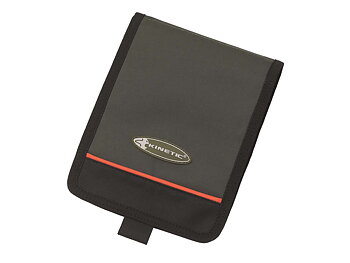
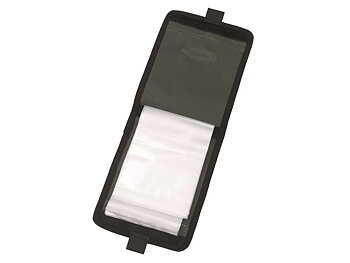
Rig Wallets and Leader Storage
Rig wallets and specialized leader storage systems are designed to keep pre-tied leaders, hooks, and rigs organized. They’re useful when you want to prepare multiple rigs at home and be able to quickly switch rigs at the water’s edge.
In coarse and specimen fishing, rig wallets can be used for carp rigs, feeder rigs, and other pre-tied leaders. In predator fishing, specialized holders can be used for fluorocarbon, steel, or titanium leaders, depending on their design and length.
Good rig storage keeps components separate and reduces the risk of tangles and damage. Choose a model that fits the length of your rigs and the hooks and materials you use.
Always check pre-tied rigs before use. Even if they are stored properly, knots, hooks, and leader material may need to be inspected before you go fishing.
Storage for Fly Fishing
Fly fishing often requires specialized storage for flies, leaders, fly lines, and small accessories. Fly boxes with foam or other holders make it easy to organize dry flies, nymphs, streamers, and other fly patterns.
Fly boxes come in various sizes and designs. Some are compact and fit in a jacket pocket, while larger models provide space for an extensive selection.
Storage with secure closures is important because flies often have small, sharp hooks. If you fish in wet environments, a model with good moisture management can be practical, but be sure to let wet flies dry thoroughly when necessary to reduce the risk of corrosion and material damage.
Leader material, backing, and other accessories are best stored separately so you can quickly find the right gear when you need to change flies or adjust your leader.
Backpacks and fishing bags—for carrying all your gear
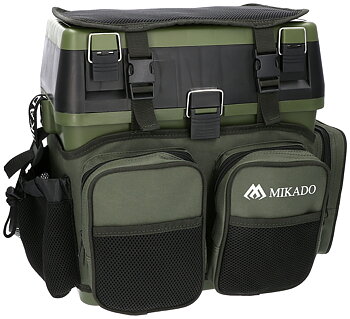
A backpack or fishing bag is ideal when you want to carry more than just lures. Here you can store lure boxes, tools, extra lines, leader materials, accessories, and personal gear.
Backpacks are especially useful for hiking trips and longer excursions from shore, where you need to carry your gear over longer distances. Shoulder bags and smaller tackle bags, on the other hand, are a good choice when you want quick access to lures and tools.
Consider how the bag’s compartments are designed and whether they fit your existing tackle boxes. Durable materials, comfortable straps, and conveniently placed pockets can make a big difference when you fish frequently.
If you fish in the rain or near water, water-repellent materials or separate protection for sensitive gear can be an advantage. However, water-repellent doesn’t always mean the bag is completely waterproof.
Waterproof Storage and Protection for Fishing Gear
When fishing in the rain, from a boat, or in other damp environments, waterproof or water-repellent storage can be useful. It helps you protect items such as electronics, documents, spare parts, and other items that shouldn’t get wet.
Some boxes and bags have seals and locking systems designed to limit water ingress. Others are primarily intended to withstand splashes and light rain.
Check the product specifications to understand the level of protection it offers. A splash-proof box may not be suitable for submerging in water.
Also keep in mind that moisture can become trapped inside a sealed storage solution. Therefore, dry your equipment thoroughly before packing it away for long-term storage, and follow the manufacturer’s recommendations for materials and maintenance.
How to Choose the Right Storage for Fishing
When choosing storage, it’s a good idea to start by considering what gear you have and how you usually fish.
- Fishing method: UL fishing often requires small, lightweight boxes, while pike fishing may require larger compartments for bulky lures.
- Type of gear: Choose from bait boxes, tackle boxes, rig wallets, backpacks, and larger fishing bags.
- Size and capacity: Make sure the boxes can hold your lures and accessories without having to be crammed.
- Materials and compatibility: Ensure that the storage solution is compatible with, for example, soft baits and other materials that may react with certain plastics.
- Locks and Compartments: Secure closures and sturdy dividers help keep your gear organized.
- Transport: Choose a solution that’s comfortable to carry and easy to access from shore or a boat.
- Weather protection: Choose protection based on how much rain, splashes, and moisture your gear may be exposed to.
- Organization: Sort your gear by fish species, lure type, size, or fishing method so that the right accessories are easy to find.
Well-thought-out storage makes it easier to keep your gear organized and reduces the time you spend looking for the right bait or accessory.
Find the Right Storage for Your Next Fishing Adventure
Whether you need a small bait box for UL and BFS fishing, a spacious bait bag for pike fishing, a tackle box for angling, or a specialized rig wallet, there are many solutions for organizing your fishing gear.
Explore our selection of bait boxes, fishing boxes, bait bags, tackle boxes, rig storage, fly boxes, and backpacks for sport fishing.
With the right storage, you can keep your lures, lines, hooks, and accessories better organized—and have more time for what matters most: fishing!