
AUTUMN FISHING
- SHOP WITH CONFIDENCE
- Delivery Immediate delivery
- CUSTOMER SERVICE by anglers
- EASY RETURNS 30-day return policy
- PAY SECURELY with Klarna
Trolling accessories




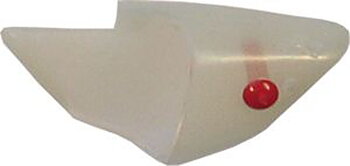
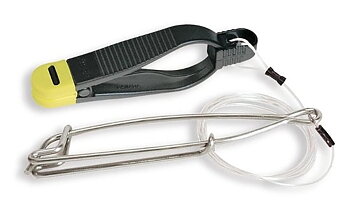
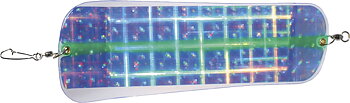
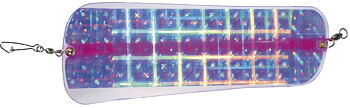
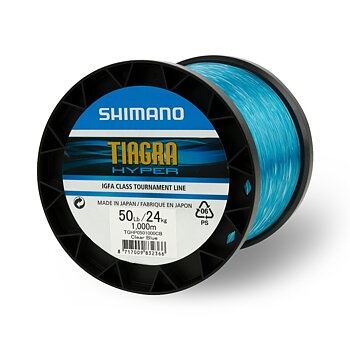
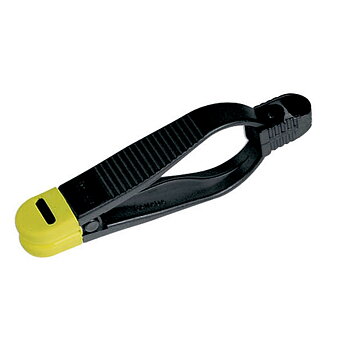
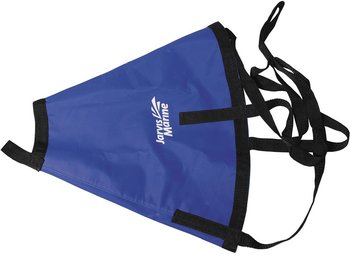



Trolling Accessories – Find the Right Gear for Effective Trolling
Are you looking for trolling accessories that will help you gain better control over your lures and adapt your fishing to different bodies of water and fish species? Trolling is a popular fishing method where lures are towed behind a boat, and with the right accessories, it becomes easier to control the depth of the lures, spread out the fishing lines, and present the lures correctly. Whether you’re trolling for pike and zander in Swedish lakes or targeting salmon, trout, and char in larger lakes and along the coast, there’s gear to suit your needs.
Trolling accessories include many different products, such as paravans, depth rigs, trolling weights, Dipsy Divers, release clips, trolling spoons, rod holders, and various types of line releases. Each component serves a specific purpose and can help you tailor your fishing to the depth, speed, bait type, and prevailing conditions.
With the right equipment, you can fish with multiple rods at the same time, spread your lures across different parts of the water, and keep your gear better organized while fishing. The choice of accessories depends on the species you’re targeting, the size of your boat, and your preferred trolling style.
Paravans – Spread the Lures to the Sides
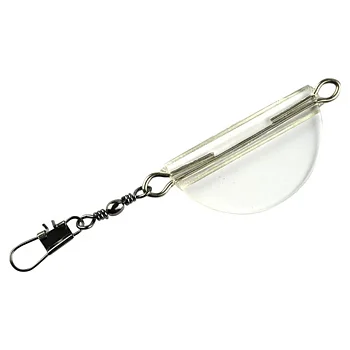
Paravans are one of the most useful accessories for trolling. They help you spread the lures out to the sides of the boat, making it possible to fish with multiple rods without the lines getting too close to each other.
Paravans are used, among other things, when trolling for pike, zander, salmon, and trout. By spreading out the lures, you can cover a larger area and present them at different distances from the boat. This can be especially useful when fishing with multiple rods and wanting to reduce the risk of tangles.
Paravans come in both smaller and larger sizes, with different characteristics depending on the fishing method and the size of the lures. Some models are designed for lighter trolling, while others are better suited for using larger lures or fishing in more challenging conditions.
When choosing a paravan, consider how far out you want to place the lure, what line you’re using, and how the paravan performs at your preferred trolling speed.
Depth rigs – control the lure’s fishing depth
Depth rigs are used to present lures at specific depths while trolling. They typically consist of a wire or line, a sinker, and a release mechanism that holds the fishing line until a fish strikes or the line is released in some other way.
Depth rigs are particularly useful when trolling for salmon, trout, and char in larger lakes and other bodies of water where fish may be found at varying depths. By adjusting the depth of the sinker, you can position the bait where you think the fish are feeding.
There are various models of depth rigs, ranging from simpler manual systems to more advanced electric versions. The choice depends on the fishing depth, how often you need to adjust the rig, and the scope of your trolling setup.
To ensure a functional setup, the depth rig, sinker, wire, and release mechanism must be compatible with one another. It’s also important to consider the size of the boat and how the equipment should be mounted and used safely.
Trolling sinkers – lower the bait to the right depth
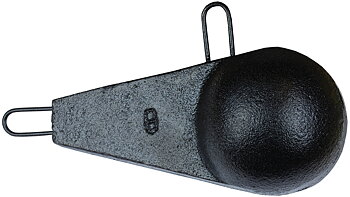
Trolling weights are used to lower lures and other parts of the trolling rig to the desired depth. They are used both in combination with depth rigs and in other setups where extra weight is needed to control the lure’s position in the water column.
When trolling for salmon, trout, and char, the sinker can help you present the lure at a depth where the fish are active. In certain types of trolling for pike and zander, weights and other depth-regulating accessories are also used to make the lure go deeper.
Trolling weights come in various weights and shapes. A heavier weight may be appropriate at greater depths or when the rig requires stability, while lighter options can work well for shallower fishing.
Choose a sinker based on the fishing depth, your gear’s capacity, and the method you’re using. Also keep in mind that the sinker’s weight affects the load on the depth rig and other components.
Dipsy Divers and Diving Trolling Accessories
Dipsy Divers and similar diving accessories are used to lower the bait below the surface and, in some designs, can also steer the line to the side. They work by allowing water resistance to influence the accessory’s movement as the boat drifts or moves forward.
This type of equipment is commonly used, for example, when trolling for salmon, trout, and other species where the bait needs to be presented at a specific depth. They can be an alternative when you want to fish deeper without using a traditional deep-running rig.
Different models have varying diving depths and characteristics. The depth is influenced by factors such as the model, settings, line length, line size, and trolling speed.
Check the manufacturer’s recommendations when selecting diving accessories and ensure that the rod, line, and other components can handle the load generated during fishing.
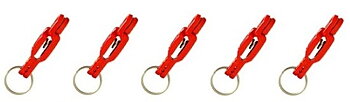
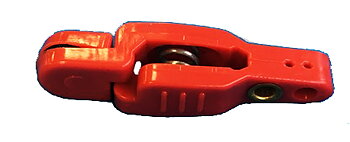
Release clips and line releases—for safe bait presentation
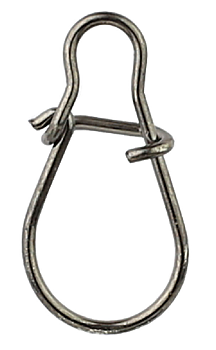
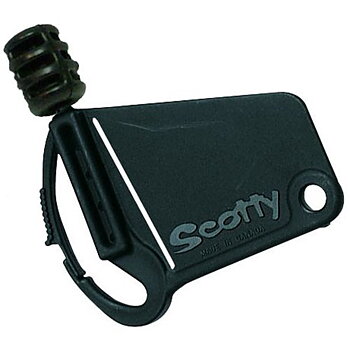
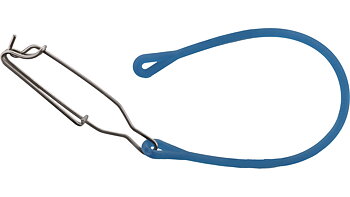
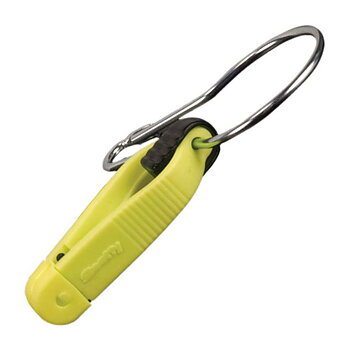
Release clips and line releases are used to hold the fishing line in place in the trolling rig and release it when a fish strikes or when the line is pulled free, depending on the specific design.
They are used, among other things, with deep-running lures and certain other trolling setups. By adjusting how tightly the line is secured in the release, you can tailor the system to the type of bait, line size, and fishing method.
A properly adjusted release helps keep the line in place during normal trolling and allows you to detect a bite without the system triggering unintentionally.
Different models are designed for various line materials and loads. Follow the product’s recommendations for setup and ensure that the line is not damaged where it is secured.
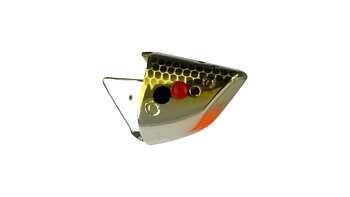
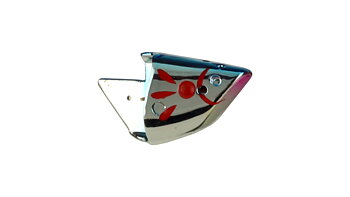
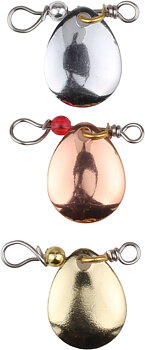
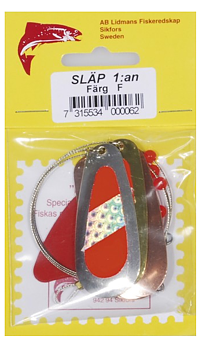
Trolling spoons and dodgers—enticing movements behind the boat
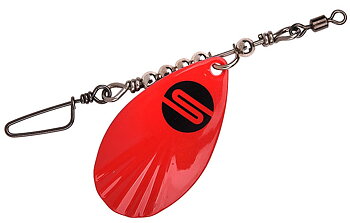
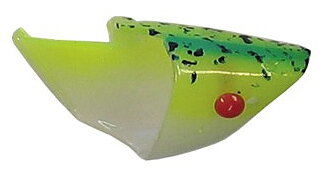
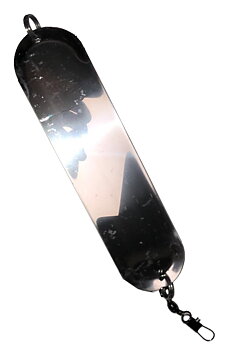
Trolling spoons and dodgers are used to create movement, reflections, and vibrations in the water. They are typically mounted in front of the lure and influence how it moves as the boat trolls forward.
They are used, among other things, when trolling for salmon, trout, and char. Depending on the model, they can produce different types of movement and affect the lure’s action in various ways.
Trolling spoons come in a variety of colors, shapes, and sizes. The color choice can be adapted to lighting conditions, water clarity, and the lures you’re using. Dodgers often have a movement designed to influence the lure behind them, while other spoons may provide a different combination of movement and reflections.
When choosing a trolling spoon or dodger, make sure the product is suitable for your lure and the speed at which you plan to troll. Feel free to test different colors and models to see what works best in your waters.
Trolling Rod Holders – Organization and Control on the Boat
Rod holders are an important part of trolling gear because they allow you to position the rods stably and in the correct direction while fishing. They help you keep multiple rods organized and can make it easier to spread the lines along the sides or stern of the boat.
There are rod holders for various mounting methods, including models for the railing, tracks, and fixed installations. Some are adjustable, while others are designed for a more fixed position.
When trolling with multiple rods, it’s important that the rod holders provide sufficient support for the load that occurs when the lures pull on the lines. Larger lures, higher speeds, and stronger currents can place greater demands on both the holders and their mountings.
Choose a model that suits the rod’s dimensions, the boat’s design, and your fishing method. Check regularly to ensure the mounts are secure and that the rods are positioned so they do not interfere with the boat’s maneuverability.
Trolling weights and weighted leaders
Trolling weights are used when you want to control the lure’s depth without using a full depth rig. They can be mounted in various ways depending on their design and are used to adjust the presentation according to the type of lure and fishing depth.
When trolling for pike and zander, weights can help the lure reach greater depths. When fishing for salmon and trout, various weighting solutions are also used to present the lure in the correct part of the water column.
It is important to choose a weight that suits the line, rod, and bait characteristics. A weight that is too heavy can make the tackle difficult to handle and affect the bait’s action, while a weight that is too light may not provide the desired depth.
Always check that swivels and leaders are rated for the load that occurs during trolling.
Trolling Gear for Pike – Large Lures and Varying Depths
When trolling for pike, anglers often use large wobblers, swimbaits, rubber lures, and other lures that need to be presented at different depths and distances from the boat.
Paravans can help you spread out the lures, while trolling weights and other depth-adjusting accessories allow you to tailor the lure’s action to the depth and speed. Rod holders and sturdy swivels are also essential when trolling with multiple rods.
When trolling for pike, you’ll also need to use a suitable, tooth-resistant leader. Steel wire or titanium are common options that can reduce the risk of the pike biting through the line.
Adjust all components to match the size of the lures and ensure that your gear can handle the strain during casting, trolling, and the fight.
Trolling Gear for Zander—Find the Right Depth and Speed
Zander can be caught by trolling in many Swedish lakes, often using wobblers and other lures that work at different depths. To find the right presentation, you need to adjust the lure’s depth and trolling speed based on the water conditions and the fish’s activity.
Trolling weights, diving lures, and paravanes can help you control where the lure goes and how far from the boat it’s presented. Rod holders make it easier to fish with multiple lures at the same time.
When trolling for grayling, it’s advantageous to be able to adjust your gear as depth, temperature, or the fish’s position change. With multiple options for weight and lure placement, it becomes easier to try different approaches during your fishing trip.
Trolling Accessories for Salmon, Trout, and Char
When trolling for salmon, trout, and char, specialized accessories are often used to present the lures at the correct depth and spread out the fishing lines. In larger lakes, fish can be found at different depths depending on the season, temperature, and availability of prey fish.
Depth rigs and trolling weights allow you to control the fishing depth, while paravanes help spread the lures to the sides. Trolling spoons and dodgers can be used to influence the lure’s movement and create additional variation in the presentation.
The right combination of accessories depends on the species you’re targeting and how you want to set up your fishing. Choose equipment that suits the size of your boat and the depths at which you normally fish.
Small Parts and Connectors for Trolling
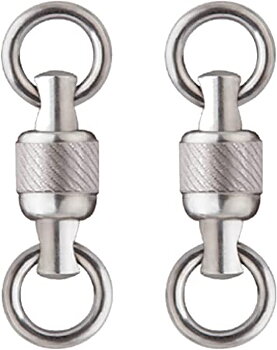
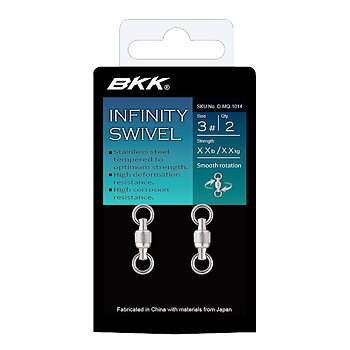
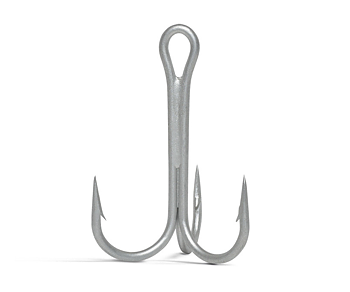
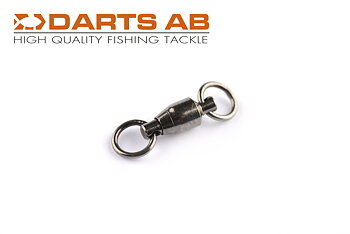
In addition to larger accessories, various small parts are often needed to make the trolling rig function as a whole. Swivels, lure locks, rings, clips, leaders, and other connectors help you assemble and customize your rig.
When trolling, it’s important that the components can withstand both the continuous strain from the lure and the forces that arise when a fish strikes. The size and strength of the connectors must therefore be suitable for both the main line and the other parts of the rig.
Regularly check that the swivels rotate properly, that the clips hold securely, and that no parts show signs of wear or corrosion. When fishing in saltwater, you should also follow the recommendations for cleaning and maintenance.
By keeping spare parts on hand, you can quickly replace worn components and continue fishing without unnecessary interruptions.
How to Choose the Right Trolling Accessories
When choosing trolling accessories, it’s important to consider the type of fish, fishing depth, lure type, and how you use your boat.
- Fish species: Pike, zander, salmon, trout, and char may require different combinations of lures and accessories.
- Fishing depth: Deep-running rigs, trolling sinkers, trolling weights, and diving accessories help you adjust the lure’s position.
- Lure Spreading: Paravans allow you to spread out your lures and reduce the risk of lines crossing each other.
- Bite Indication: Release clips and line releases hold the line in place until it is released according to the system’s design.
- Mounting: Choose rod holders and mounts that fit your boat and rods.
- Load capacity: Check that the rods, lines, leaders, clips, and connectors are rated for the equipment.
- Maintenance: Inspect moving parts, mounts, and metal components regularly.
By choosing accessories that work together, you can create a more well-thought-out trolling setup and adapt your fishing to the conditions on the water.
Find the right trolling accessories for your next fishing adventure
The right trolling accessories help you present your lures at the correct depth, spread out your fishing lines, and keep your gear better organized while fishing. Whether you’re trolling for pike and zander in lakes or targeting salmon, trout, and char in larger bodies of water, there are many products that can enhance your gear.
Explore our selection of paravans, depth rigs, trolling sinkers, trolling weights, Dipsy Divers, trolling spoons, dodgers, release clips, rod holders, and other trolling accessories.
Find the right combination of functionality, quality, and performance for your boat and your favorite waters—and get ready for your next trolling trip!