AUTUMN FISHING
- SHOP WITH CONFIDENCE
- Delivery Immediate delivery
- CUSTOMER SERVICE by anglers
- EASY RETURNS 30-day return policy
- PAY SECURELY with Klarna
Fluorocarbon
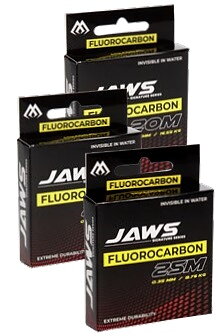
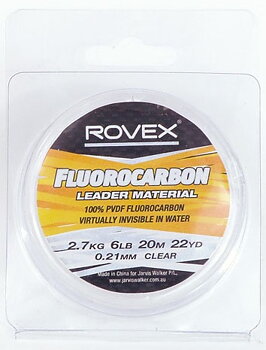
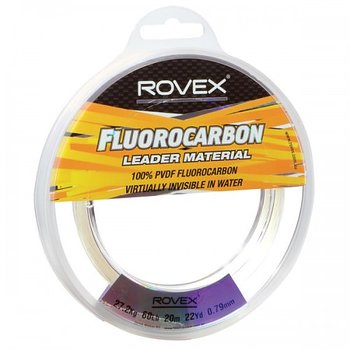
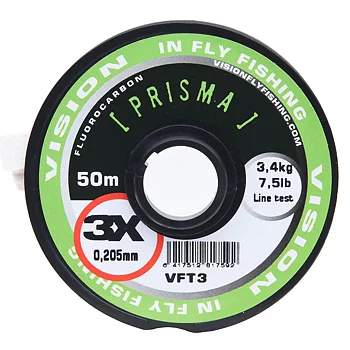
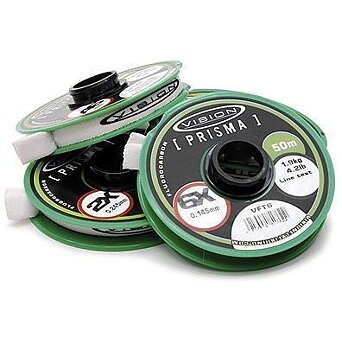
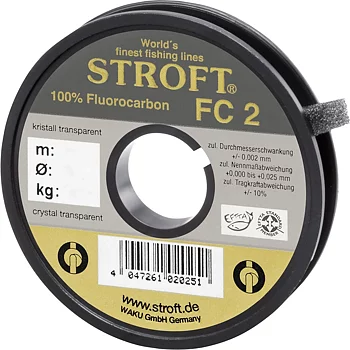
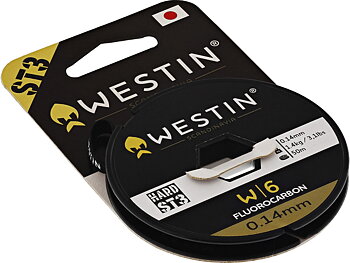
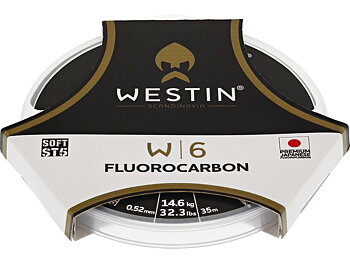
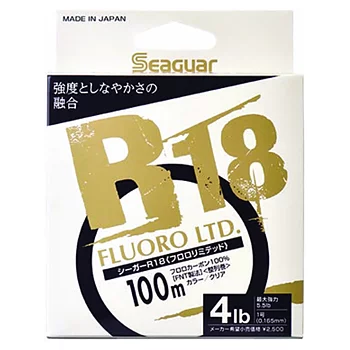
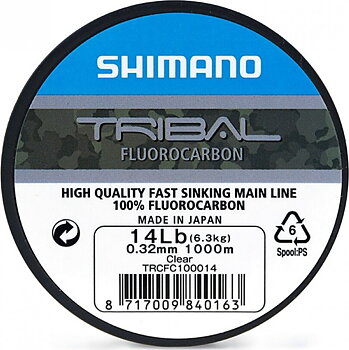
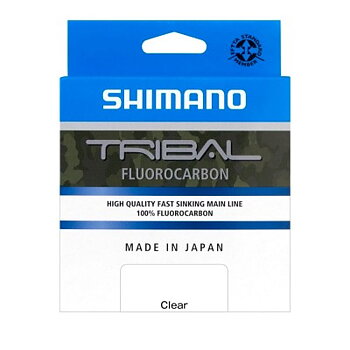
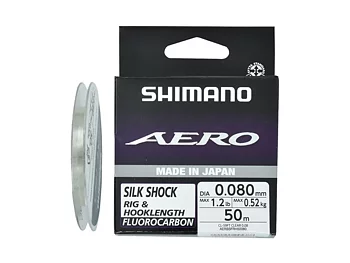
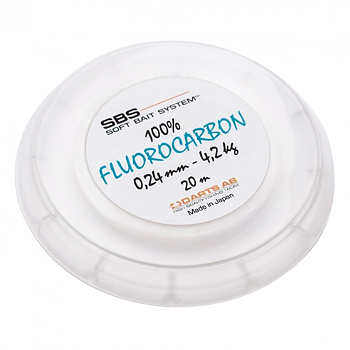
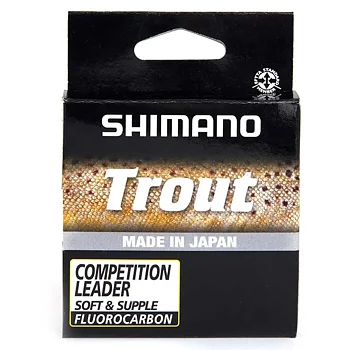
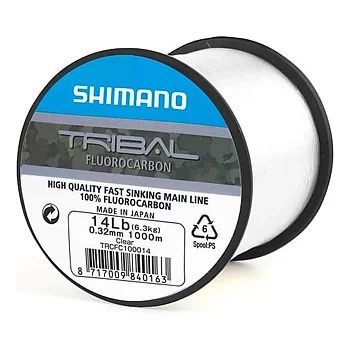
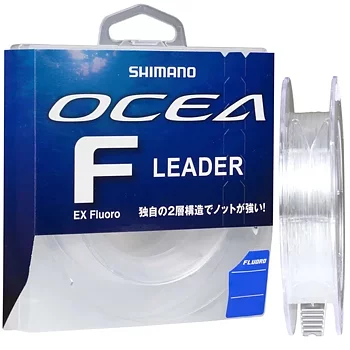
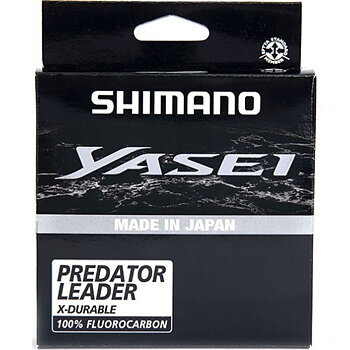
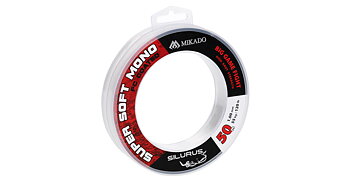
Fluorocarbon lines are completely invisible underwater and very durable, which makes this material an excellent choice for leaders. Fluorocarbon is a fairly expensive material, so it’s typically used only for the final section of the leader rather than on the entire spool. Choosing the right thickness can be difficult, but here’s a good guideline:
Perch: 0.24 mm – 0.45 mm
Zander: 0.40 mm – 0.60 mm
Pike: 0.70 mm – 1.20 mm
Fluorocarbon Lines – for Leaders and Main Lines in All Types of Sport Fishing
Are you looking for a fluorocarbon line that suits your fishing method and needs? Fluorocarbon is a popular choice in sport fishing, especially as leader material for spin fishing, jigging, and predator fishing. The material offers excellent abrasion resistance and visibility underwater and is available in various sizes for different fishing techniques.
Fluorocarbon can be used both as a leader between the main line and the lure and as the main line in certain types of fishing. The choice depends on the species of fish you’re targeting, the lures you’re using, and the conditions in the water. A thin fluorocarbon leader works well for light perch fishing, while thicker sizes are used for zander fishing and certain types of pike fishing, for example.
Whether you’re fishing with a spinning reel, a multi-reel, BFS gear, or a pole, it’s important to choose a fluorocarbon line with the right size, stiffness, and strength for the task. With the right material, you’ll have a line that works in harmony with the rest of your gear and delivers a well-executed bait presentation.
What is fluorocarbon?
Fluorocarbon is a type of synthetic fishing line material typically made from PVDF, polyvinylidene fluoride. It’s used in sport fishing because the material has several properties that can be advantageous in water.
One of its most valued properties is that fluorocarbon has a refractive index closer to that of water than, for example, regular nylon. This can make the line less visible under certain conditions, although no fishing line is completely invisible.
Fluorocarbon also offers good abrasion resistance in many varieties and typically sinks faster than nylon. This can be an advantage when you want the leader to stay close to the lure or when fishing with jigs and other lures presented below the surface.
At the same time, fluorocarbon can be stiffer than nylon and require special care when tying knots. Properties vary between different products, so it’s important to choose a model designed for the specific use you have in mind.
Fluorocarbon as Leader Material—A Versatile Choice
Fluorocarbon is often used as leader material in spin fishing. The leader connects the main line to the lure and can provide extra abrasion resistance when fishing near rocks, gravel, mussel beds, or other structures.
When fishing with braided line, fluorocarbon is often used as a separate leader. This combination gives you the low stretch and sensitivity of the braided line along with the properties of fluorocarbon at the very end of your rig.
The length and size of the leaders vary depending on the fishing method. A short leader may be suitable for many forms of standard spin fishing, while a longer leader may be appropriate in certain situations where you want extra protection against abrasion or to adjust the presentation.
Fluorocarbon is used, among other things, when fishing for perch, zander, brown trout, and rainbow trout. When fishing for pike, however, special consideration must be given to their teeth: standard thin fluorocarbon does not provide reliable protection against a pike’s bite. For targeted pike fishing, you should choose a specially sized and tested pike leader or another suitable bite-resistant material.
Fluorocarbon as Main Line—For Specific Fishing Methods
Although fluorocarbon is most often associated with leaders, some anglers use it as a main line. This is common, for example, in certain forms of baitcasting, BFS fishing, and other methods where the line’s sinking properties, stiffness, and direct contact with the bait can be advantageous.
As a main line, fluorocarbon differs from both braided line and nylon. It typically has more stretch than braided line, though these characteristics vary by product and size. The material also generally sinks faster than nylon, which can affect how the line lies in the water and how the bait is presented.
Using fluorocarbon as a main line can be an option for those who want to experiment with a different type of line handling, especially when fishing with a multi-reel setup. At the same time, its stiffness and line memory can affect casting performance and handling, particularly on smaller reels and with thin line sizes.
Therefore, choose a product that is specifically designed for use as a main line and make sure it works with your reel, your lure weights, and the fishing method you use.
Fluorocarbon for Perch Fishing – Discreet Leader and Good Control
When fishing for perch, fluorocarbon is often used as a leader in combination with a thin braided line. This combination is well-suited for jigging, drop-shot, spinners, small wobblers, and other lures where contact and control are crucial.
Fluorocarbon’s abrasion resistance can be an advantage when fishing near rocks, gravel, and other obstacles. The material can also help create a discreet connection between the main line and the lure.
The size you choose depends on the size of the lure, the expected size of the fish, and the environment. For light UL fishing, a thin leader may be suitable, while thicker sizes may be needed when fishing with larger lures or in more demanding environments.
Always check the knots and leader after contact with the bottom, fish, or other obstacles. Replace any damaged sections before continuing to fish.
Fluorocarbon for Zander Fishing – for Jigging and Vertical Fishing
In zander fishing, fluorocarbon is often used as leader material, especially when jigging near the bottom or using other methods where bait contact is important.
A properly sized leader can provide extra resistance to abrasion from rocks and other structures. Combined with braided line, you get a setup that works well for both traditional jigging and vertical fishing.
When fishing at greater depths, it’s important that the entire line setup is suited to the weight of the lure and the stress that may occur during the fight. The properties of fluorocarbon are influenced by its size and construction, so choose the material based on the actual conditions in which you’re fishing.
For zander fishing, there is no single size that works for every situation. Adjust the leader to match the lure, depth, bottom conditions, and the size of fish you expect to catch.
Fluorocarbon for pike fishing—choose the right size and protection
Fluorocarbon is also used in pike fishing, particularly in thicker leaders for certain lures and rigs. The material’s properties can be useful, but the choice must be made with the pike’s sharp teeth in mind.
A standard thin fluorocarbon leader is not reliable as bite protection. If you’re specifically targeting pike, you should use a leader that’s specially sized and designed for pike fishing—for example, a suitable thick fluorocarbon leader tested for this purpose, steel wire, or titanium.
When choosing a thick fluorocarbon leader, you need to consider the material’s stiffness, knots, connections, and how the leader affects the lure’s movement. A stiffer leader can alter the action of smaller lures, while larger lures can often handle thicker leader material better.
Inspect the leader after every fish and replace it if you notice any damage, sharp kinks, or other signs of reduced strength.
Fluorocarbon for UL, XUL, and BFS
In ultralight (UL), XUL, and BFS fishing, the choice of fluorocarbon is particularly important because small lures and lightweight tackle place high demands on line size and flexibility.
In UL and XUL fishing, fluorocarbon is often used as a leader in front of a thin braided line. This can be suitable for fishing for species such as perch, brown trout, and rainbow trout with small jigs, spinners, and micro wobblers.
In BFS fishing, fluorocarbon can be used both as a leader and, with the right product, as the main line. As a main line, it can provide a different feel and line handling than braided line, but stiffness and line memory must be taken into account when making your choice.
When fishing with very light lures, it’s important not to choose solely based on the smallest possible diameter. Knot strength, handling, abrasion resistance, and how the line interacts with the reel’s spool are also important factors.
Always match the line to the weight of the lure and the fish you’re targeting. Even a thin leader must have a sufficient safety margin for the fishing conditions and the situation.
Fluorocarbon for Trout and Rainbow Trout
When fishing for brown trout and rainbow trout, fluorocarbon is often used as leader material, both in spin fishing and fly fishing. This material can be useful when you want a relatively discreet leader and good feel for the bait or fly.
In light spin fishing, fluorocarbon can be combined with small spinners, spoons, jigs, and wobblers. In fly fishing, it is used in certain leaders and leader tips, especially when presentation below the water’s surface is important.
The line size should be adjusted according to the size of the fly or lure, the expected size of the fish, and the risk of abrasion. When fishing in flowing water, rocks and other obstacles can make it especially important to inspect the leader regularly.
Choose a softer or stiffer model depending on how you want the bait or fly to be presented and how the tackle should perform.
Fluorocarbon in Match and Specimen Fishing
Fluorocarbon is also used in coarse fishing and specimen fishing, including in certain leaders and specialized rigs. Here, the material’s sinking properties and abrasion resistance can be useful depending on bottom conditions and how the bait is to be presented.
When fishing for carp, tench, bream, and roach, for example, different leader materials may be suitable for different rigs. Fluorocarbon is used in certain carp rigs where a relatively stiff material is desired, while nylon and braided leader materials are used in other situations.
It’s important to choose the material based on the rig’s design and the fishing method you’re using. A stiff fluorocarbon leader can work well in certain presentations, but it isn’t automatically the right choice for all baits and bottom conditions.
Make sure the knots, hook, and leader work well together and that the material hasn’t been damaged during assembly or use.
Diameter, breaking strength, and stiffness—what should you consider?
When choosing fluorocarbon, it’s important to understand its key properties and how they affect your fishing.
- Diameter: A thinner line may be better suited for lighter lures and smaller tackle, while thicker lines often provide a greater margin for load and abrasion.
- Breaking strength: Indicates the line’s rated strength under specific test conditions. Knots, wear, and handling affect the actual strength.
- Stiffness: Stiffer fluorocarbon may be suitable for certain rigs and thicker leaders, but can affect the lure’s movement and the line’s handling.
- Abrasion resistance: Important when fishing near rocks, gravel, vegetation, and other obstacles.
- Sink rate: Fluorocarbon typically sinks faster than nylon, which can affect the line’s position in the water.
- Knot strength: Follow the manufacturer’s recommendations and ensure the knot is suitable for the material’s size and properties.
- Intended Use: Check whether the product is intended for a leader, main line, or a specific fishing method.
Keep in mind that fluorocarbon products can vary significantly. A line that works well as a leader may not be the best choice as a main line on a small multi-reel.
How to Tie and Care for Fluorocarbon
Fluorocarbon requires care when tying knots and handling it so that you can get the most out of the material’s properties.
Moisten the knot before tightening it, and tighten it gradually according to the recommendations for that specific knot. Avoid overheating or damaging the material by tightening too quickly. Check that the knot lies flat and that no parts have been pinched or damaged.
When using fluorocarbon as a leader, you should inspect it regularly. Small scratches, sharp kinks, and damage from rocks or fish can reduce its strength. Replace the leader when you notice damage or when you’re unsure of its condition.
Store the line according to the manufacturer’s instructions and protect it from excessive heat and prolonged exposure to sunlight. With proper handling, it will be easier to maintain reliable gear over time.
How to Choose the Right Fluorocarbon Line
When choosing fluorocarbon line, consider both your fishing method and how the line will be used.
- Leader or main line: Choose a product designed for the intended use.
- Fish species: Adjust the size and construction for perch, zander, brown trout, rainbow trout, or other species.
- Lure weight: Make sure the material suits the lure’s size and how it’s supposed to move in the water.
- Fishing environment: Take into account rocks, vegetation, gravel, and other abrasion risks.
- Reel and rod: If you’re using fluorocarbon as your main line, it needs to work with the reel’s design and your rod.
- Knots and connectors: Check that they can withstand the load and are suitable for the line’s diameter.
- Pike fishing: Use a reliable bite protector designed for pike; do not rely solely on standard thin fluorocarbon as protection.
With the right size and application, fluorocarbon can be a valuable complement to braided line, nylon, and other fishing lines.
Find the right fluorocarbon for your next fishing adventure
Whether you’re looking for thin fluorocarbon for UL fishing, a durable leader for jigging for bass and zander, material for fly fishing, or a thicker variant for specialized rigs, there are several options to choose from.
Explore our selection of fluorocarbon lines for leaders and main lines. Compare diameters, breaking strength, and properties to find the right material for your gear and fishing method.
Choose the right fluorocarbon for your needs and put together a well-balanced setup for your next fishing trip!